


Rustic Storage Container
A rustic storage container brings tactile warmth to a room, holding logs, flour, or textiles in honest timber and metal.
Rustic Storage Container
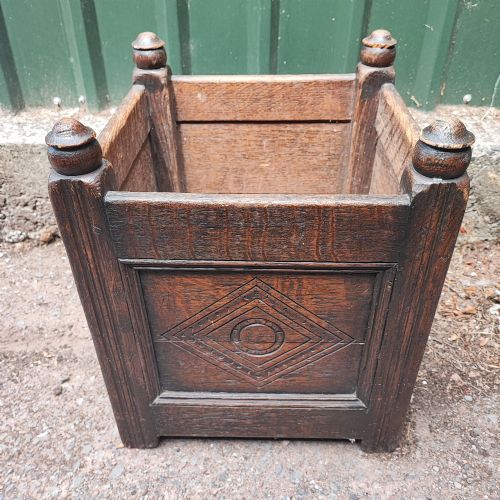
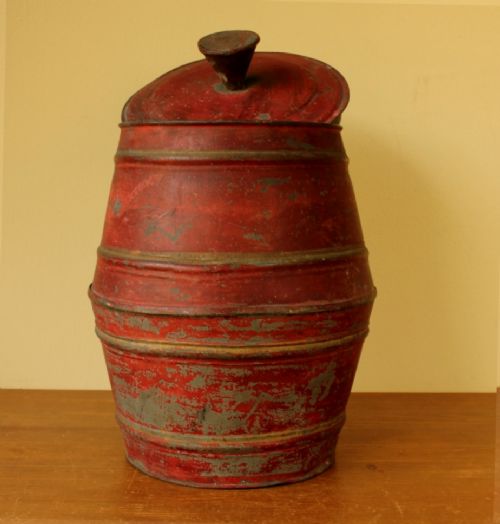
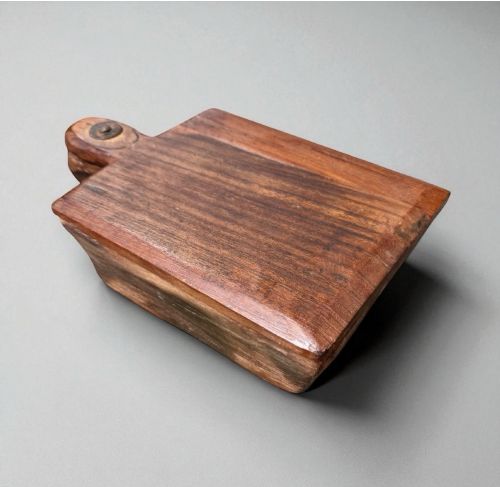
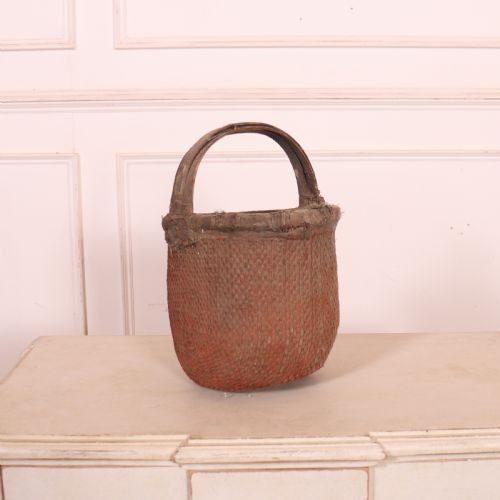
A rustic storage container encompasses utilitarian vessels fashioned from timber, woven pine, and sheet metal for domestic and agricultural tasks. These practical pieces range from Georgian oak flour bins and hanging candle boxes to Victorian log boxes and French grape hottes.
Buyers seeking a rustic storage container frequently encounter Swedish country baskets and pine log bins dating from the nineteenth century. These forms reflect vernacular traditions across Scandinavia, France, Britain, and China.
The selection balances sturdy log bins and storage vessels with smaller boxes, buckets, and baskets. Each object served a distinct function in the farmhouse, shop, or kitchen before finding a place in contemporary interiors.
Materials and construction
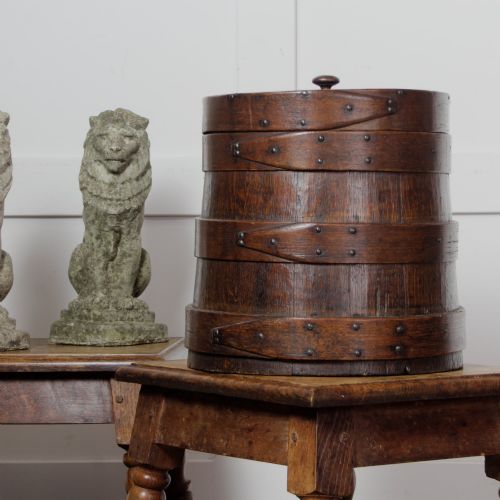
Makers utilised native timbers such as oak, pine, and elm, shaping boards with hand tools and securing them with iron bands or dovetail joints. Woven containers relied on flexible pine strips or split willow to build durable vessels.
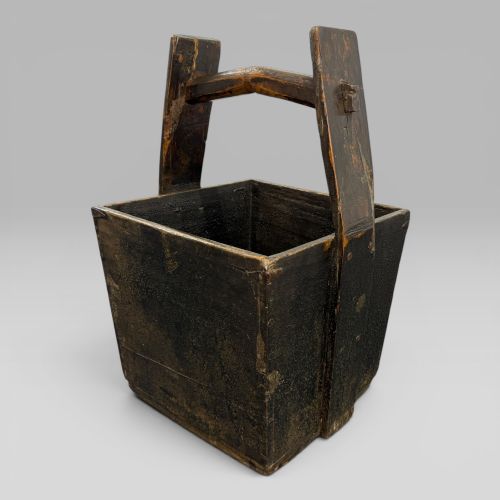
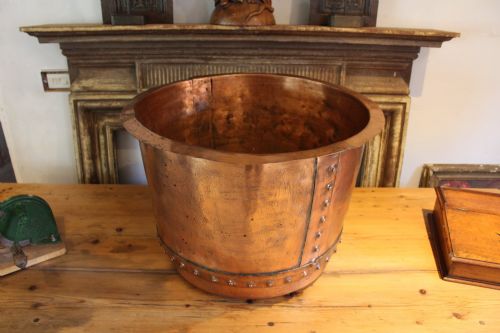
Metal storage relied on copper, sheet metal, and iron, often finished with paint or enamel for daily use. Blacksmiths hammered and riveted handles and bands onto coal wagons, buckets, and bins to withstand heavy loads.
Factors of quality and construction
Quality rests in the integrity of the original construction and the honesty of the materials. Solid oak framing, tight iron banding, and substantial timber thickness distinguish durable utility pieces from lighter decorative items.
Surface character defines the upper tier of these pieces, where original paint, rich timber patina, and honest wear bear witness to decades of working life. Altered lids, mismatched hardware, or overly aggressive stripping diminish that historical honesty.
The Rustic Storage Container Glossary
- Pine
- A soft timber widely utilised in Scandinavian and European country furniture and woven baskets. Its pale grain takes paint and daily wear readily.
- Toleware
- Metalware, usually sheet iron or steel, coated with enamel or paint and often decorated. It provides sturdy storage for domestic goods.
- Vernacular
- Architecture and objects built by local artisans to traditional designs for everyday use rather than high-style academic fashion. These pieces solve specific domestic or agricultural needs.
- Log bin
- A deep container designed to hold firewood beside a hearth. They appear in copper, iron-banded pine, and heavy oak.
Rustic Storage Container: Frequently Asked Questions
What were these containers used for originally?
These vessels served practical functions in homes, shops, and farms. They stored flour, grain, candles, spices, tobacco, and firewood.
Larger baskets and hottes gathered grapes and harvest crops, while metal pails and tins kept provisions dry.
How do I clean an antique wooden bin?
Dust the surface regularly with a soft, dry cloth to protect the timber and any remaining finish. Avoid harsh chemical cleaners or excess water.
Feed dry wood with a traditional wax sparingly if the grain appears parched from indoor heating.
Are these containers safe for modern food storage?
Most antique containers made of unsealed pine, oak, or sheet metal are better suited for dry goods, textiles, or decorative use. Historic paints and interior surfaces may not meet modern food safety standards.
Utilise them for blankets, logs, or accessories rather than open foodstuffs.
How do I distinguish 19th-century pine from later reproductions?
Examine the fixings, tool marks, and timber shrinkage. Nineteenth-century pieces display hand-cut joinery, forged iron nails, and natural patination from age and handling.
Machine-sawn boards and uniform modern finishes typically indicate a later decorative piece.