




Rustic Stick Back Seating
These rustic stick back seating pieces are honest country chairs shaped by local tradition and domestic use, offering tactile warmth to any room.
Rustic Stick Back Seating
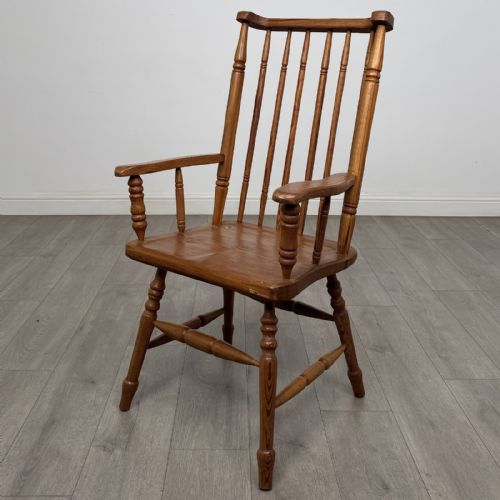
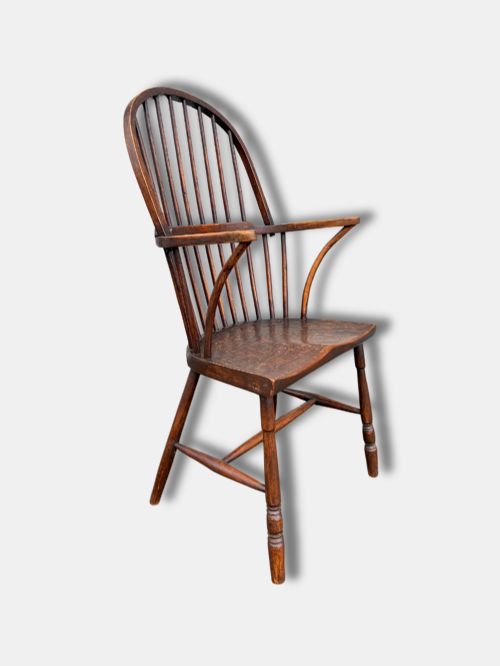
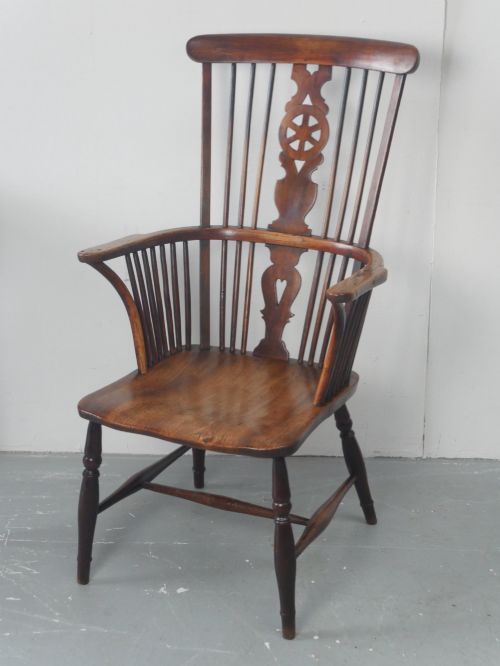
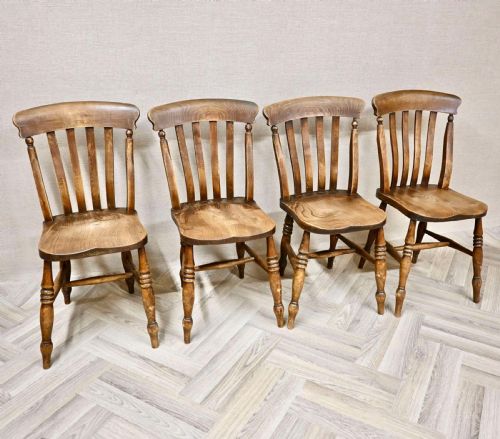
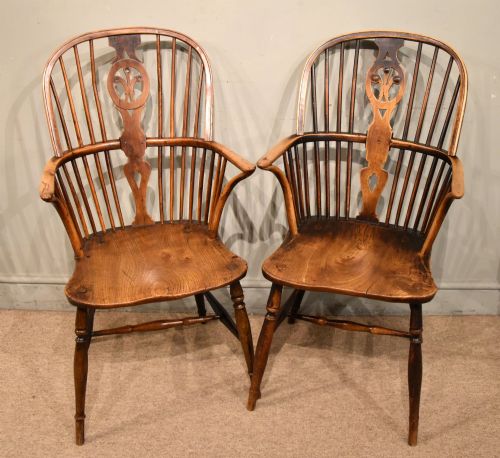
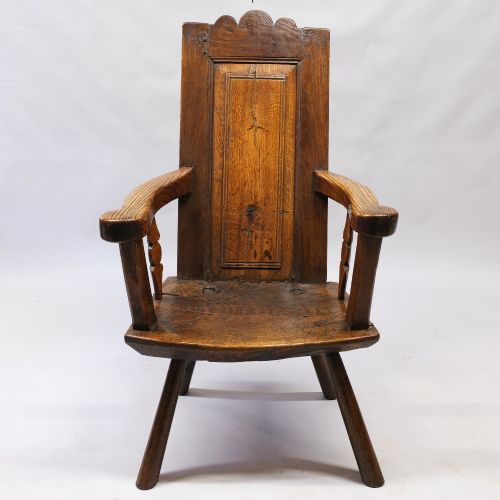
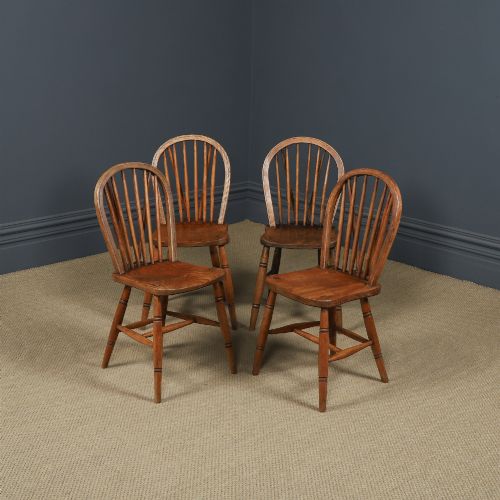
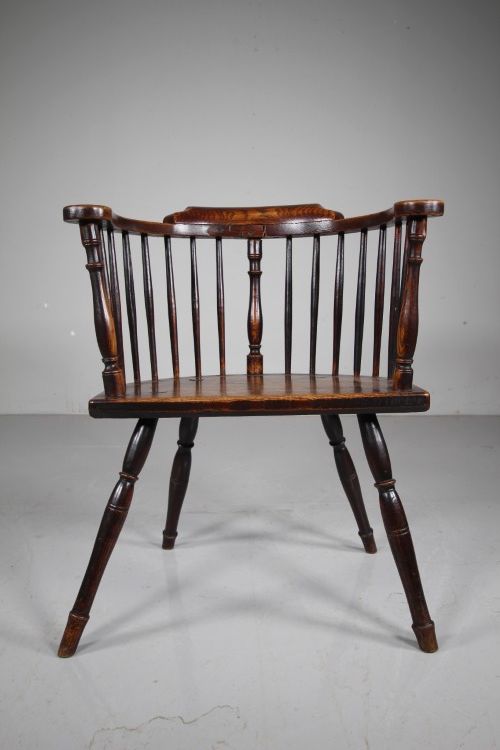
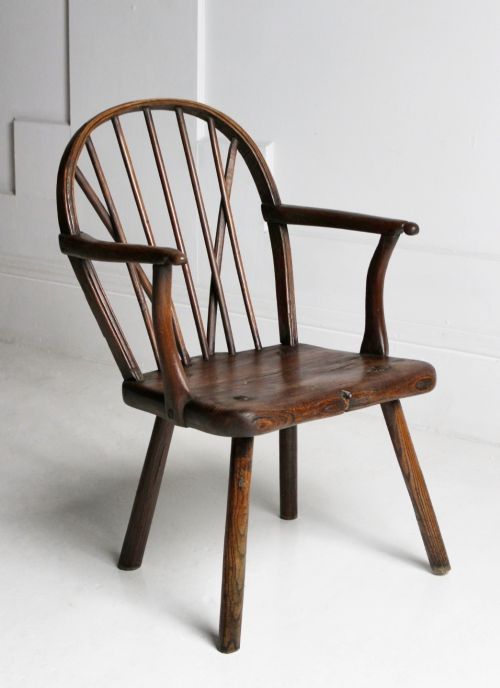
Rustic stick back seating brings together centuries of vernacular furniture design from English, Welsh, and West Country workshops. Buyers encounter forms ranging from low stick back armchairs and Windsor kitchen chairs to children's painted hoop-backs and monumental comb back armchairs.
The selection on this page draws heavily from the eighteenth and nineteenth centuries, including Georgian and Victorian periods, alongside Edwardian examples. Dining sets, individual armchairs, and small child's chairs dominate the forms currently available.
Makers working within these regional traditions relied on local timber and time-tested construction methods rather than metropolitan fashions. Each chair demonstrates the practical demands of farmhouse kitchens, vernacular cottages, and provincial dining rooms.
Judging quality in vernacular chairs
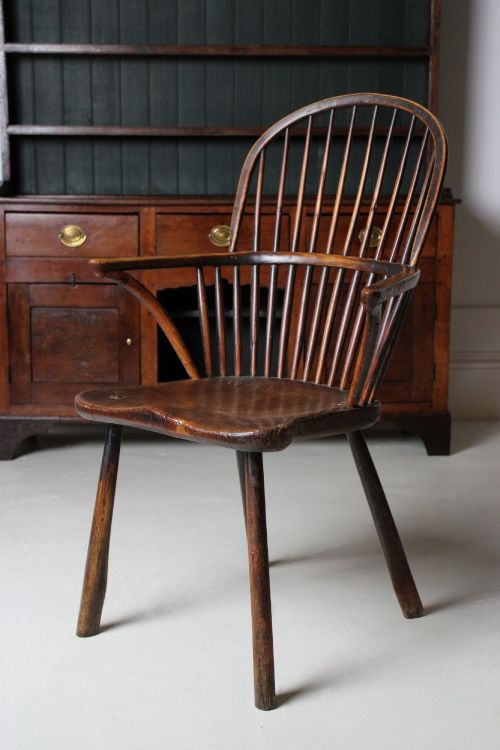
Quality in these chairs rests upon the balance of proportions and the integrity of the original construction rather than decorative excess. The thickness of the elm seat, the graceful taper of the turned spindles, and the comfort of the bentwood hoop dictate the visual success of the piece.
The survival of original timber surfaces without excessive sanding or modern replacement parts elevates an example. Subtle regional variations, such as the distinct comb back profiles found in Welsh and West Country pieces, separate standard utilitarian chairs from more ambitious vernacular designs.
Rustic Stick Back Seating Retail Price Guide 2026
Typical asking prices for rustic stick back seating among the pieces listed under this phrase on Sellingantiques today, from the lower quarter to the upper quarter. They describe what is for sale here now, not the wider market.
Listings feature elm, ash, beech, and yew across Georgian and Victorian periods.
The Rustic Stick Back Seating Glossary
- Windsor chair
- A chair built with a heavy solid wooden seat into which the legs and back spindles are raked directly. The design relies on a central hoop or comb to support the stick back.
- Comb back
- A chair back featuring a horizontal top rail supported by vertical spindles, resembling the teeth of a dressing comb. This form often appears on vernacular armchairs.
- Vernacular
- Objects designed and built by local artisans using regional materials and traditional methods without reference to court or classical styles. These pieces reflect the specific domestic needs of their district.
- Saddle seat
- A wooden chair seat sculpted with hollows and contours to mimic the shape of a riding saddle. This shaping enhances comfort on thick elm plank seats.
- Hoop back
- A continuous bentwood bow forming the back and arms of a chair in a single curved sweep. It provides structural strength while supporting the vertical stick spindles.
Rustic Stick Back Seating: Frequently Asked Questions
What is a stick back chair?
A stick back chair is a form of seating where turned or cleft wooden spindles are tenoned directly into a solid wooden seat. This construction method provides robust support without heavy framing.
Such chairs evolved to serve everyday domestic functions in farmhouses and country cottages across Britain.
How do I date a vernacular chair?
Dating relies on observing tool marks, timber selection, construction quirks, and the wear patterns on the seat. Earlier eighteenth-century examples often display broader saddle shapes and more primitive underframing.
Nineteenth-century iterations tend towards standardised turning and larger-scale production for farmhouse kitchens.
Are these chairs comfortable for daily use?
The sculpted elm seats and raked back spindles provide surprising ergonomic comfort designed for long hours of sitting. Their sturdy hardwood construction handles regular domestic weight easily.
Placing them around a kitchen table or in a living space offers both utility and sculptural presence.
What woods were used for these chairs?
Makers utilised native British hardwoods suited to specific structural demands, such as tough elm for seats that resisted splitting. Ash, beech, and fruitwood provided flexible strength for steam-bent hoops and slender spindles.