



Small Accent Chair
A small antique accent chair brings character and a compact seat to a room, offering period charm without overwhelming the floor space.
Small Accent Chair
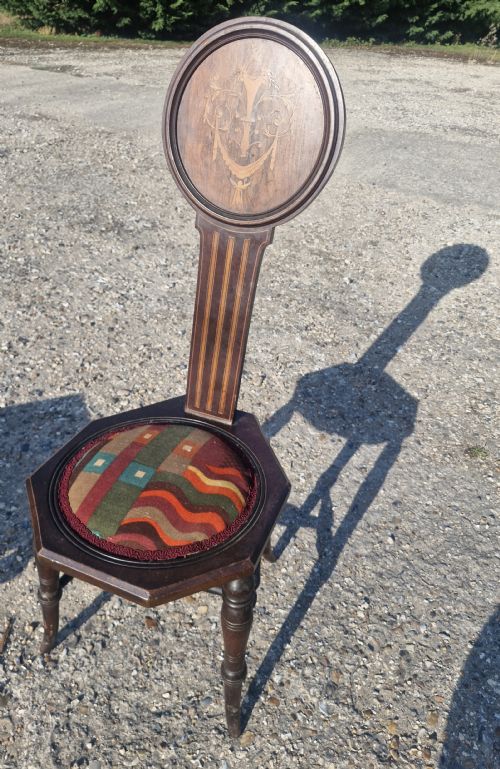
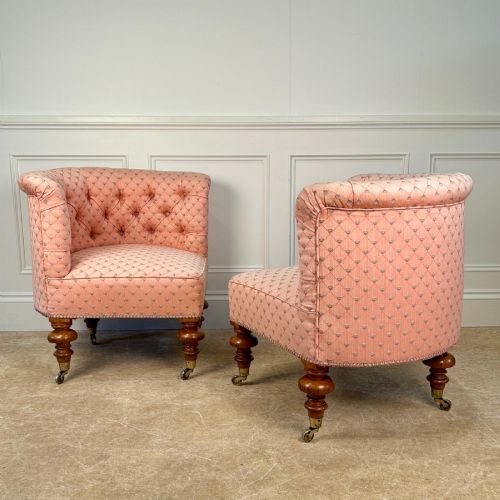
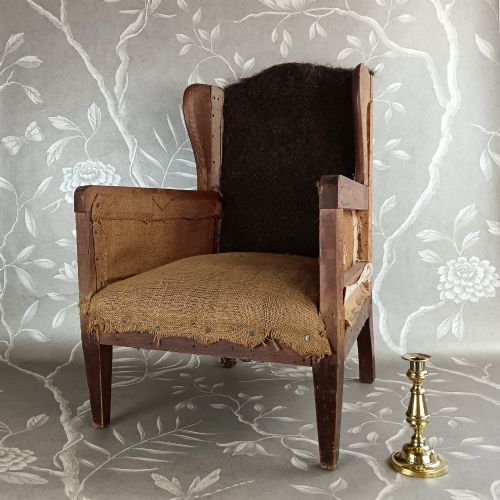
When you search for a small antique accent chair, you encounter a diverse selection of compact seating ranging from bedroom chairs and corner chairs to children's armchairs and spinning chairs. These pieces span multiple periods, including the nineteenth century, the Edwardian era, and the Regency period, often drawing on styles such as Queen Anne Revival, Jacobean Revival, and French Chateau.
The forms vary considerably across the selection, encompassing open armchairs, wingback armchairs, rocking chairs, and side chairs. Oak, mahogany, walnut, and pine form the primary wooden structures, frequently paired with upholstery in velvet, leather, fabric, and tweed linen.
You are most likely to meet Victorian and Edwardian examples on this page, alongside various child's chairs and bedroom chairs built on a diminutive scale. These smaller proportions make them particularly suitable for placement in hallways, dressing rooms, or cosy corners.
Materials and construction methods
Cabinetmakers and joiners utilised robust timbers such as mahogany, oak, walnut, and pine to build the frames of these compact chairs. Turning, carving, and steam bending shaped the wooden components, as seen in bentwood rocking chairs, stick backs, and spindle backs.
Upholstery techniques involved stuffing materials into fabric, velvet, leather, or tweed linen coverings, sometimes complemented by caned seats or brass details. Makers employed traditional joinery methods to ensure stability across diverse forms like corner chairs, wainscot chairs, and spinning chairs.
Small Accent Chair Retail Price Guide 2026
Typical asking prices for small accent chair among the pieces listed under this phrase on Sellingantiques today, from the lower quarter to the upper quarter. They describe what is for sale here now, not the wider market.
Periods represented span from the eighteenth century through the Victorian and Edwardian eras into the early twentieth century.
Factors that distinguish quality
The caliber of a small antique accent chair rests upon the crispness of its carved wooden details, the integrity of its joinery, and the harmony of its proportions. Pieces bearing maker stamps or attributed to notable workshops demonstrate a higher level of craftsmanship.
The choice of primary timber and the execution of secondary woods influence the overall refinement of the piece. Furthermore, the retention of original upholstery materials, supportive webbing, and intact caning elevates the integrity of the seating.
Whytock and Reid·Howard and Sons
The Small Accent Chair Glossary
- Corner chair
- A chair designed to fit into the corner of a room, typically featuring a square seat set diagonally and a rounded backrest supported by multiple legs.
- Spinning chair
- A low, narrow seat traditionally used for spinning wool or flax, often featuring an ornately carved backrest and three or four splayed legs.
- Wainscot chair
- A heavy wooden armchair of seventeenth-century inspiration, constructed with panelled backs and solid wooden seats.
- Bentwood
- Wood that has been heated and bent into curved structural forms, most commonly associated with nineteenth-century rocking chairs.
- Caned seat
- A seating surface woven from peeled rattan or cane strips, offering a resilient and lightweight mesh pattern.
Small Accent Chair: Frequently Asked Questions
Where should I place a small accent chair?
These compact seats suit smaller spaces such as bedrooms, dressing rooms, and hallways where a full-sized armchair would overwhelm the room. They also function well as additional seating in a living room.
Because of their varied heights and styles, consider the surrounding furniture scale to ensure the chair integrates comfortably into the layout.
How do I identify the period of a chair?
Dating relies on examining the timber species, construction methods, and stylistic revival influences present in the frame. Nineteenth-century and Edwardian pieces often display specific turning and upholstery conventions typical of their decade.
Matching the design characteristics with recorded styles like Queen Anne Revival or Regency helps narrow down the probable manufacturing era.
What is the difference between a bedroom chair and a side chair?
Bedroom chairs are typically lower to the ground and upholstered for comfort, designed originally for dressing areas or intimate spaces. Side chairs are generally un-upholstered or lightly padded and built for general use around a table or room.
Examining the scale and the extent of padding helps distinguish between these two domestic forms.
Are children's antique chairs usable today?
Child's chairs from the eighteenth, nineteenth, and early twentieth centuries are structurally robust but possess diminutive proportions intended for youth. Many buyers collect them for display or use them as decorative stands for dolls and textiles.
Checking the weight capacity and joint stability determines whether a specific child's chair can support practical use.