






Rustic Scandinavian Painted Furniture
Rustic scandinavian painted furniture brings robust regional character into modern interiors through time-worn surfaces and practical wooden forms.
Rustic Scandinavian Painted Furniture
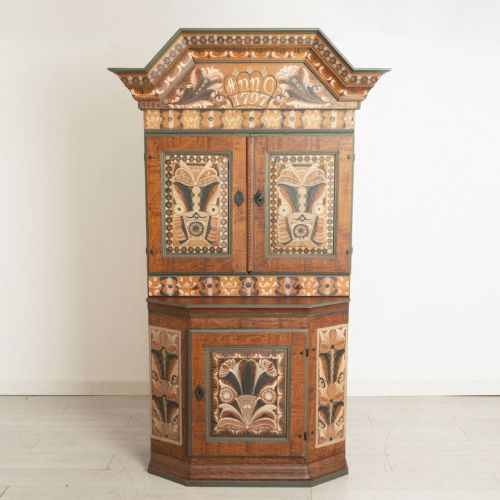
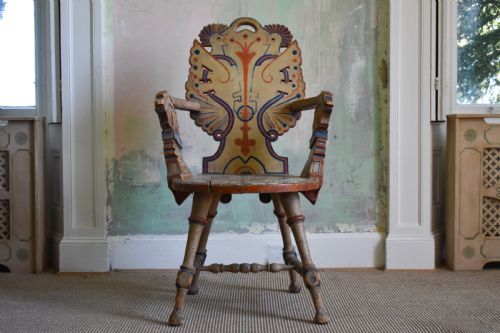
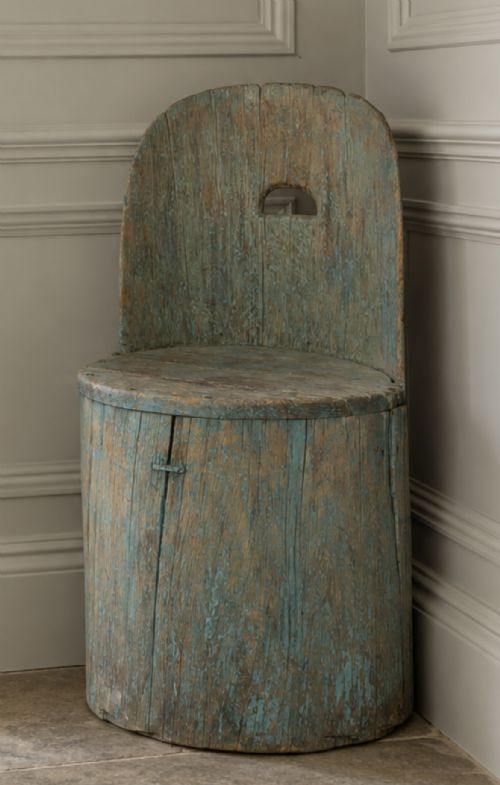
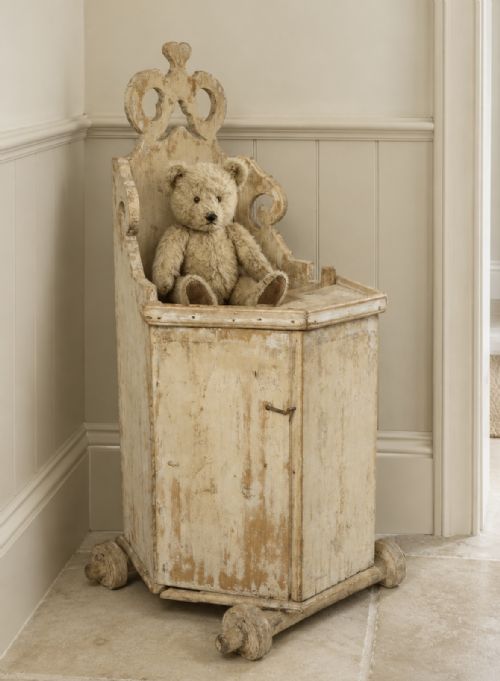
Rustic scandinavian painted furniture consists primarily of utility items built for rural homes during the eighteenth, nineteenth, and early twentieth centuries. The selection focuses heavily on Swedish country pieces, alongside Danish examples, ranging from large storage cupboards and dressers to kitchen tables, side tables, benches, and armchairs.
Buyers encounter numerous variants of storage pieces, including linen cupboards, dome-top coffers, and double-door wardrobes. Tables span kitchen preparation surfaces, dropleaf designs, and folding tables, while seating includes armchairs, highchairs, and traditional benches.
How they were made
Carpenters constructed these items mainly from native pine, utilising local timber for everyday domestic use. Iron and brass hardware such as hinges and locks reinforced the wooden joints.
Surfaces received layers of pigment paint, Falu paint, or traditional ragwork decoration applied over the bare wood. Over decades, natural wear preserved these historic paint layers beneath subsequent patination.
Rustic Scandinavian Painted Furniture Retail Price Guide 2026
Typical asking prices for rustic scandinavian painted furniture among the pieces listed under this phrase on Sellingantiques today, from the lower quarter to the upper quarter. They describe what is for sale here now, not the wider market.
The listings on this site span the eighteenth century through to the early twentieth century, focusing on pine furniture finished in various regional paints.
What varies in quality
Quality rests in the survival of original decorative paint surfaces compared to later overpainting or stripping. Pieces retaining scraped original pigment or traditional ragwork demonstrate greater authenticity than heavily restored examples.
Proportion and structural integrity also separate ordinary utilitarian items from superior regional pieces. Well-balanced forms with clear domestic utility show the skill of the local builder.
The Rustic Scandinavian Painted Furniture Glossary
- Falu paint
- A traditional deep red or dark paint derived from copper mine waste. It provided durable protection for exterior and interior woodwork across Scandinavian homes.
- Ragwork
- A decorative painting technique using rags or cloths to apply or texture colour. This method created mottled or patterned surfaces on country pine furniture.
- Slagbord
- A Swedish dropleaf dining table supported by swing legs. These tables offered flexible surface space in modest rural kitchens.
- Cooffer
- A large wooden chest used for storage. Dome-top variants allowed runoff and extra internal capacity for textiles.
- Gustavian
- The Swedish neoclassical style spanning the late eighteenth and early nineteenth centuries. It simplified continental European forms into lighter, brighter domestic furniture.
Rustic Scandinavian Painted Furniture: Frequently Asked Questions
What is Falu paint?
Falu paint is a traditional matte paint historically harvested from copper mine residues. It yields a rich red tone that protects timber surfaces.
Craftsmen used this mixture extensively on rural buildings and domestic items for its preservative qualities.
How do I clean painted pine?
Clean painted pine surfaces gently using a soft, dry cloth or a slightly damp sponge with mild soap. Avoid harsh chemical solvents that strip historic paint.
Preserving the original dry surface layer maintains the historic character of the wood.
Where were these pieces made?
These items originated in rural Scandinavian households, primarily in Sweden and Denmark. Local carpenters built them for practical daily domestic needs.
Regional workshops utilised locally available pine and traditional pigments to finish each object.
What is ragwork paint?
Ragwork paint involves applying colour using folded cloths or rags to create textured, mottled patterns. Painters used this technique to imitate costlier finishes or add visual depth to pine.
This decorative method appears frequently on nineteenth-century Scandinavian country cupboards and tables.
How do I date these items?
Dating relies on construction methods, timber selection, and the characteristics of the paint layers. Eighteenth-century pieces typically show hand-planed surfaces and forged iron fixings.
Nineteenth-century examples incorporate standard milled pine and machine-made hardware alongside traditional folk decoration.