
Rustic Plant Table
These rustic plant table examples bring honest utility and earthy character into a room, fashioned from solid timber and iron.
Rustic Plant Table
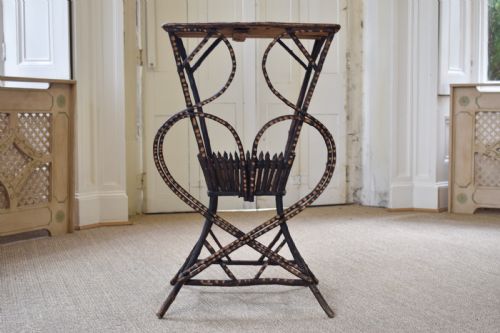
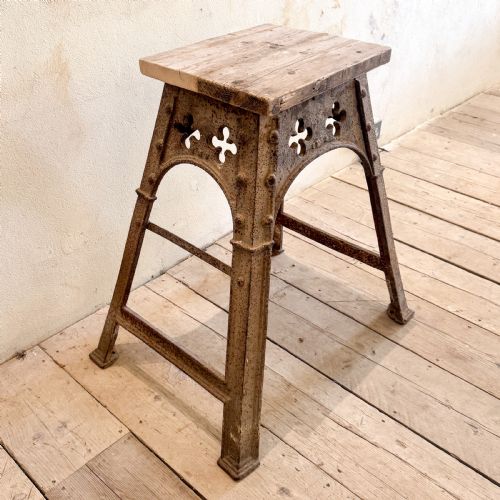
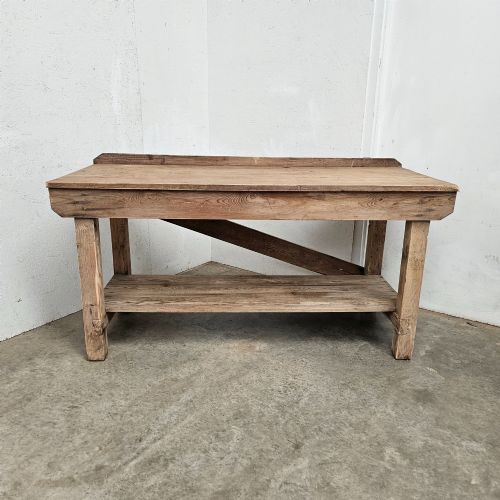
A rustic plant table serves primarily to elevate greenery and heavy pots within a home or garden room. Buyers searching this phrase encounter low side tables, occasional stands, pedestals, and sturdy stools originating from the nineteenth century up through the nineteen-thirties.
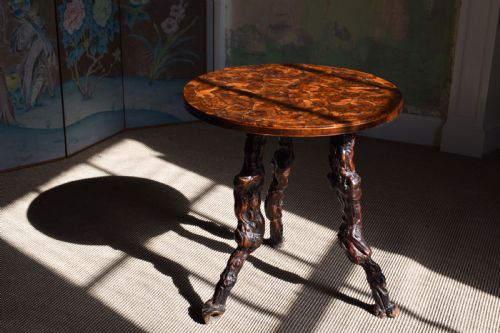
Origins span English, French, and Scottish workshops, encompassing vernacular furniture built for everyday utility rather than formal parlours. Simplicity of form defines these listings, whether through a plain tripod base or a thick slice of live edge timber.
How they were made
Makers utilised solid timbers such as oak, elm, and pine, frequently combining natural wood with wrought or cast iron elements. Joinery relies on straightforward pegged joints, jointed frames, and simple turnings rather than elaborate veneering.
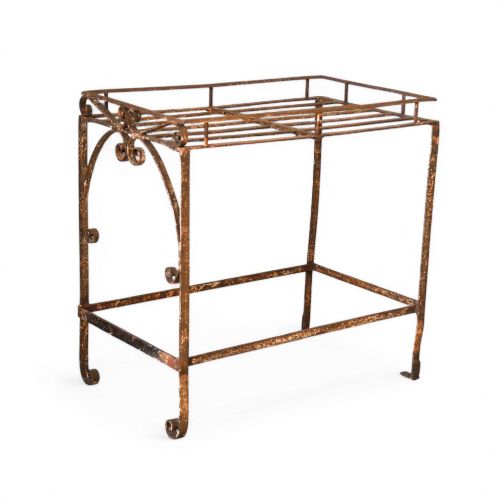
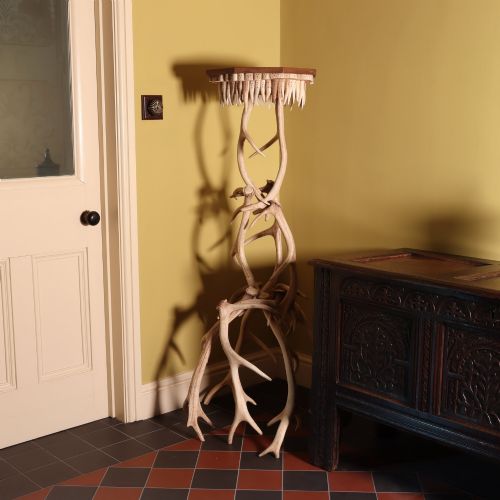
Many surfaces retain original paint or natural timber finishes that highlight the grain and live edges of the wood. Garden and estate pieces incorporate heavy metals alongside organic twig work and sculptural tree trunk sections.
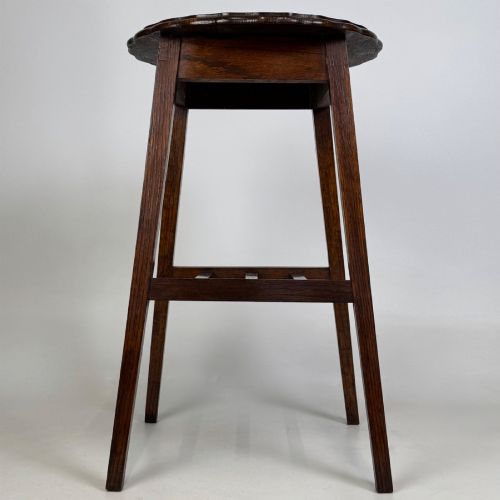
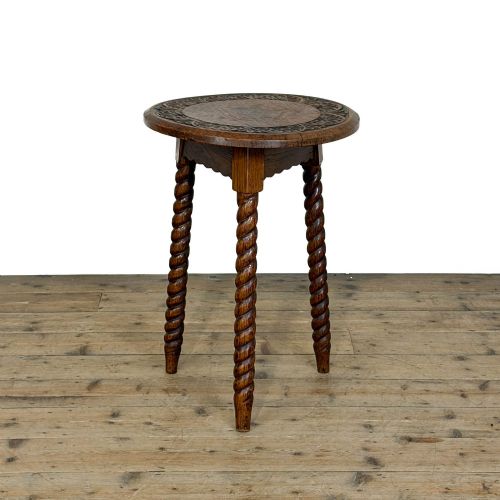
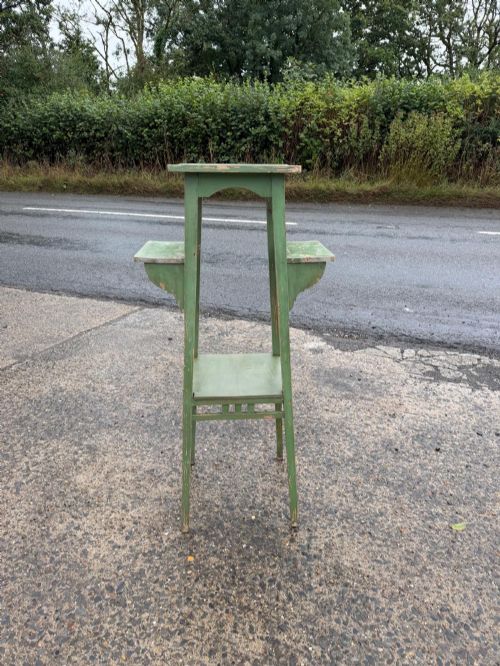
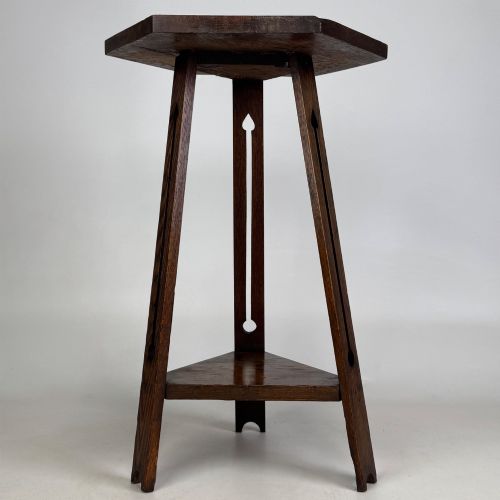
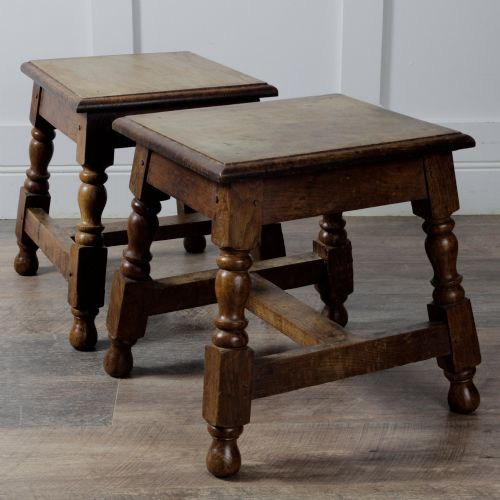
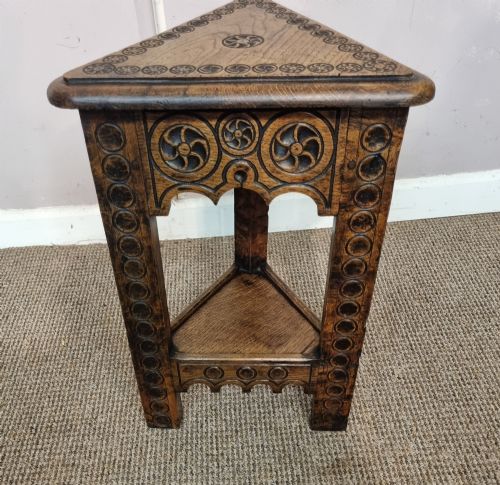
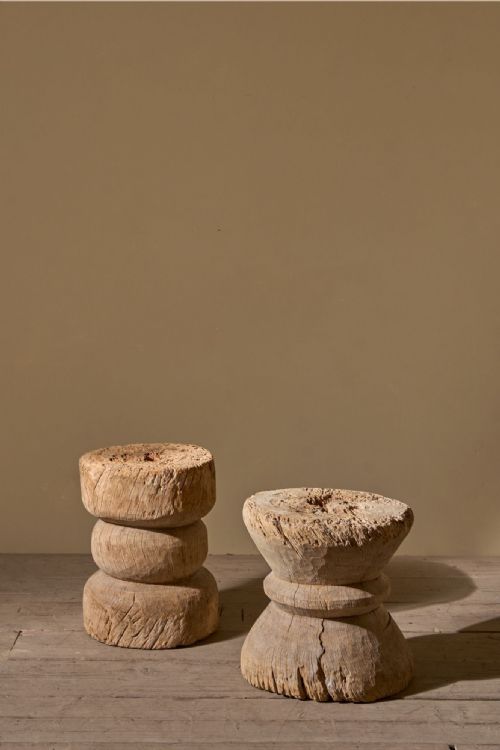
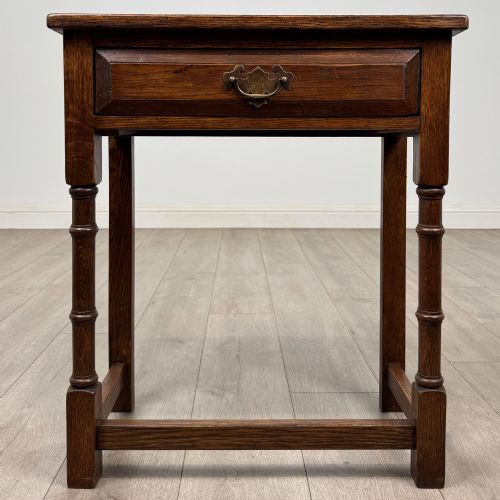
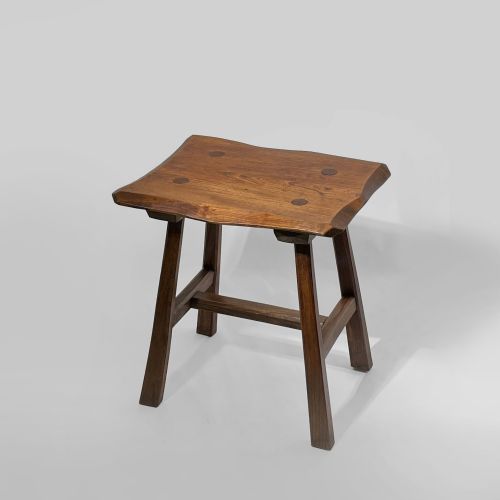
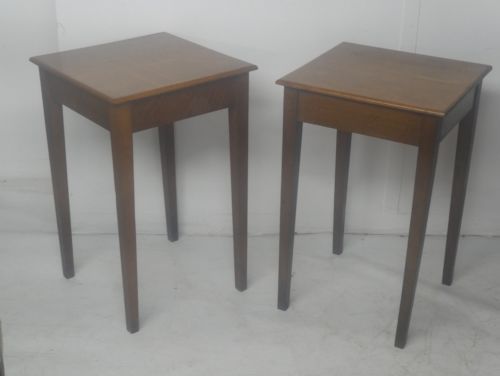
Common forms on this page include occasional tables, plant stands, garden racks, and solid wood stools.
What varies in quality
The distinction between standard utility items and finer examples rests upon the integrity of the timber and the weight of the metalwork. Thicker live edge slabs and well-preserved original painted surfaces elevate a piece above simpler utilitarian work.
Structural honesty and the permanence of the joinery separate better examples from lesser ones. Pieces that retain their original structural stability without excessive later timber replacement hold greater appeal.
The Rustic Plant Table Glossary
- Cricket table
- A small three-legged wooden table traditionally used in domestic settings. The tripod base provides stability on uneven floors.
- Gueridon
- A small French round table supported by one or more columns or pedestals. These frequently appear in cast iron or painted timber.
- Torchiere
- A tall stand or pedestal designed to hold a light source or plant. They often utilise organic materials such as antlers or twisted wood.
- Live edge
- A style of furniture where the natural lines of the tree trunk are preserved along the edges of the board. This technique highlights the organic shape of the wood.
- Vernacular
- Everyday furniture made by local craftsmen for practical use rather than following high fashion. These pieces reflect regional materials and traditions.
Rustic Plant Table: Frequently Asked Questions
What is a rustic plant table used for?
These pieces function primarily as sturdy stands for potted plants, ferns, and heavy garden urns. They also serve as compact side tables for lamps or occasional display surfaces in living spaces.
Their solid construction allows them to hold considerable weight compared to delicate occasional furniture. Many owners position them in hallways, conservatories, or garden rooms to bring natural textures indoors.
How do I care for antique timber and iron?
Keep wooden surfaces away from direct heat sources and excessive moisture to prevent splitting or warping. Dust regularly with a dry cloth and apply occasional natural wax to nourish older timber.
For iron components, maintain a dry environment to avoid corrosion. Avoid harsh chemical cleaners that can strip original paint finishes or dry out old wood.
How can I tell the age of these pieces?
Dating relies on observing construction methods, tool marks, and material wear consistent with nineteenth and early twentieth-century production. Hand-sawn boards, forged ironwork, and traditional pegged joints point towards earlier manufacture.
Stylistic markers such as arts and crafts simplicity or vernacular folk art designs help narrow down the period. Original paint layers and patination accumulated through decades of use also indicate age.
Can these tables be used outdoors?
Most antique pieces were designed for indoor, conservatory, or sheltered garden room use. Exposure to prolonged dampness and frost can damage unsealed timber and cause iron to rust.
If placed on a patio or in a garden, protect the pieces from direct rain and ground moisture. Bring them inside during colder winter months to preserve their condition.