
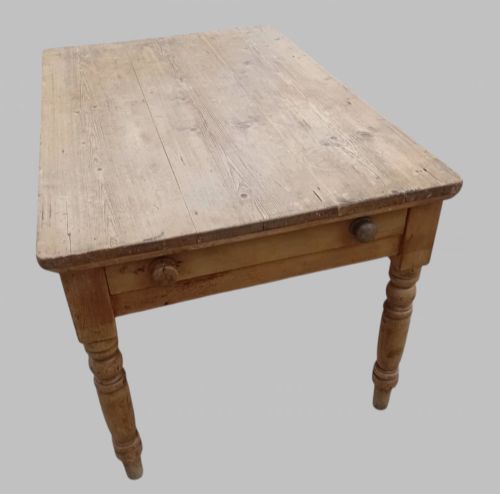
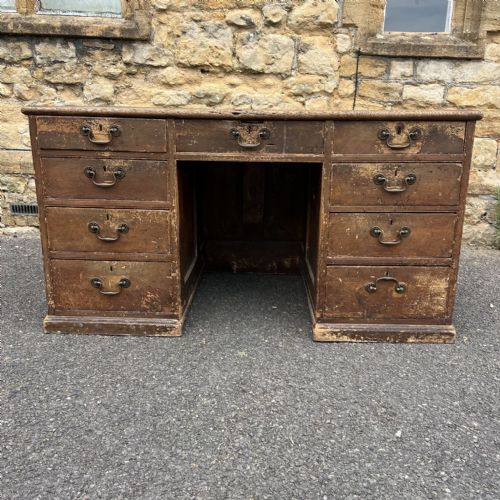
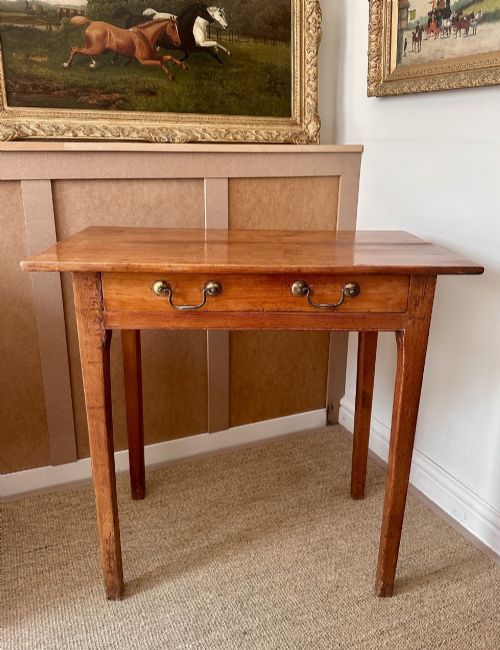
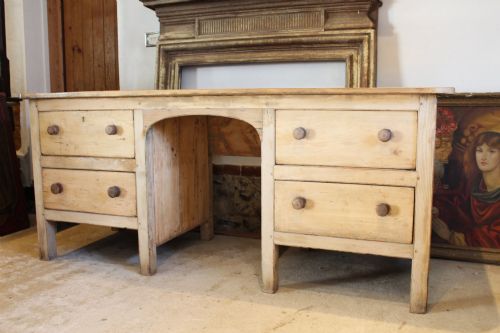
Rustic Pine Writing Desk
A rustic pine writing desk brings honest utility and warm grain to a room, offering a sturdy workspace shaped by decades of everyday use.
Rustic Pine Writing Desk
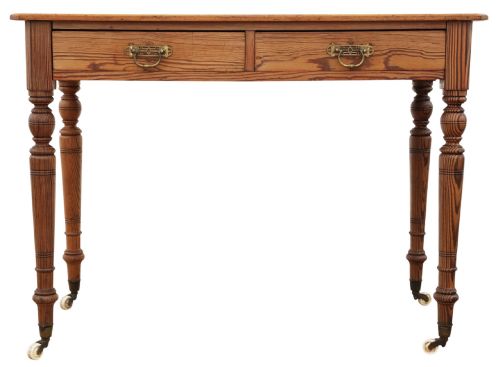
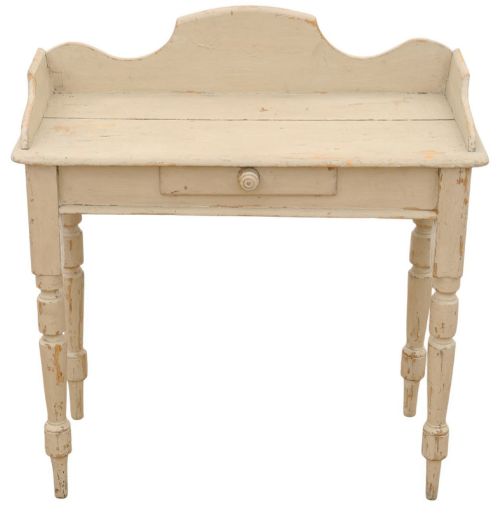
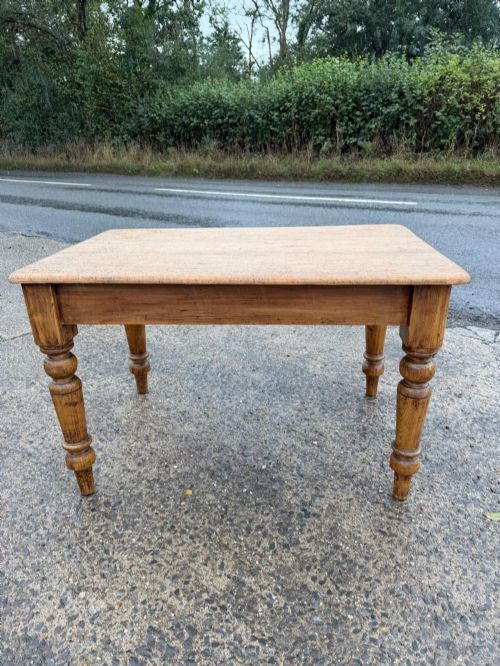
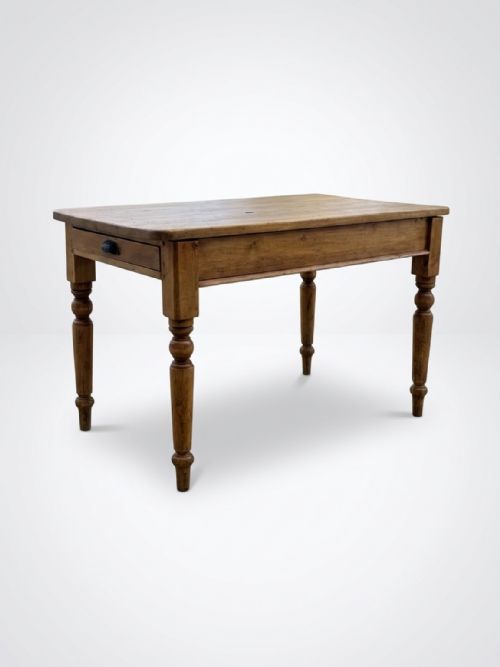
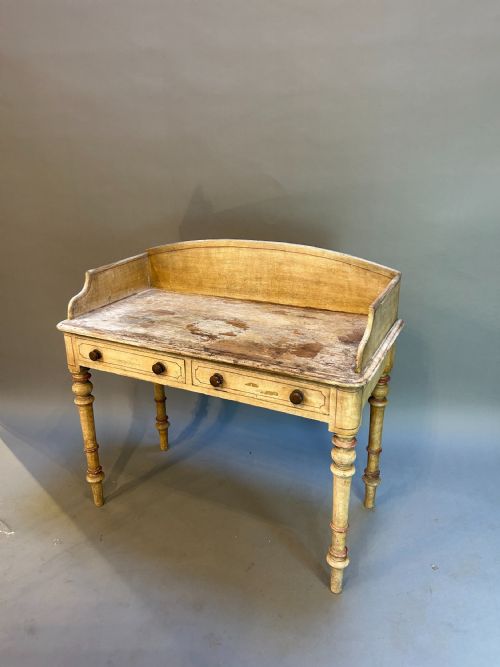
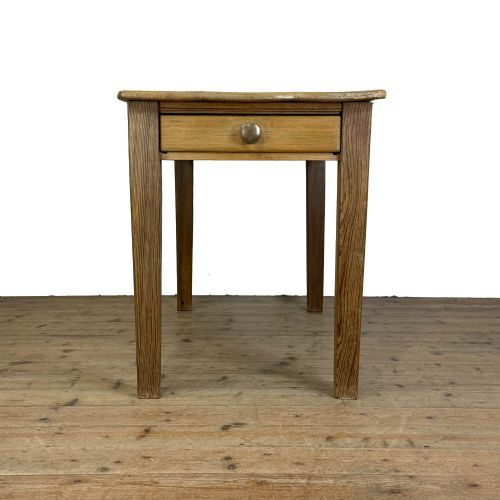
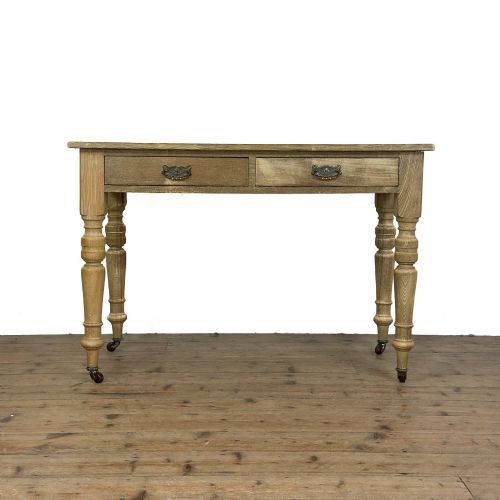
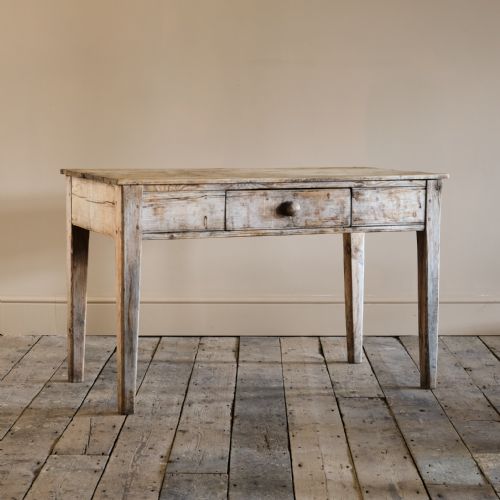
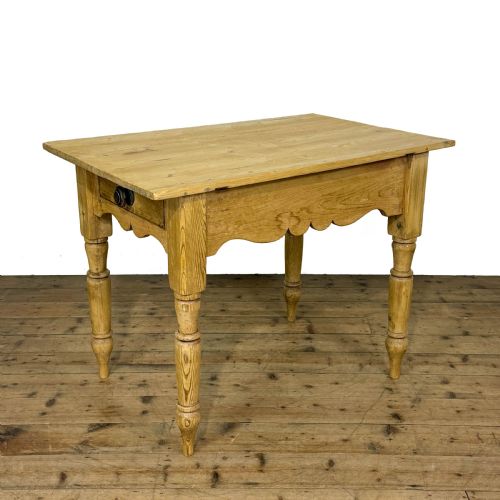
When you search for a rustic pine writing desk, you encounter hardworking surfaces originating primarily from the nineteenth century and the Victorian era. These pieces often blur the line between domestic tables, side tables, and dedicated writing furniture.
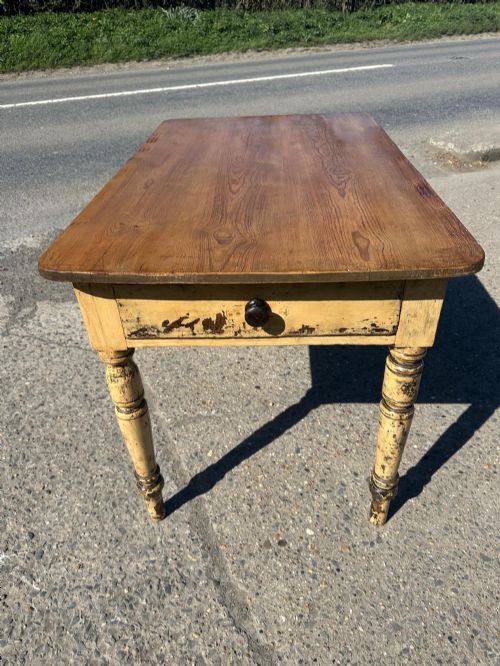
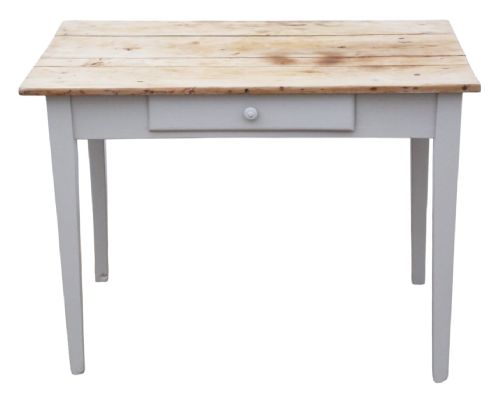
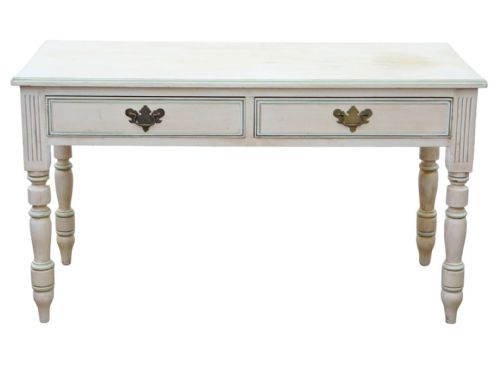
The selection includes English, French, and Scandinavian country examples, spanning simple farmhouse forms to fitted clerks' desks and bureaus with slopes. Many retain single front drawers or original painted finishes accumulated over generations of service.
How they were made
Construction relies primarily on solid pine and pitch pine, occasionally paired with oak, sycamore, or elm tops for added durability. Metal hardware such as brass pulls and iron fixings appear on drawers and writing compartments.
Surfaces show varying treatments, from scrubbed bare wood to traditional painted finishes and layered wax coats. Simple pegged joints and hand-cut dovetails anchor the structure of these utilitarian pieces.
The listings span the nineteenth and early twentieth centuries, featuring British, French, and Scandinavian country origins executed in pine, pitch pine, and oak.
What varies in quality
Quality rests in the integrity of the timber selection and the retention of original surface characteristics like early paint. Desks combining thoughtful proportions with untouched secondary woods stand apart from later utilitarian adaptations.
Subtlety of joinery and proportion distinguish provincial workshop output from standard mass production. The presence of period-correct brass fittings and untouched internal drawer construction elevate a piece further.
The Rustic Pine Writing Desk Glossary
- Pitch pine
- A dense, resinous variety of pine known for a pronounced grain pattern and durability, frequently utilised in nineteenth-century furniture.
- Frieze
- The horizontal architectural band directly beneath the top surface of a table or desk, often housing a single drawer.
- Scrub-top
- A wooden tabletop repeatedly scoured with water and stone to keep it clean, leaving a pale, smooth texture.
- Secretaire
- A desk fitted with a hinged writing flap that drops down to reveal internal compartments and small drawers.
- Kneehole
- A recessed central space beneath a desk top designed to accommodate the legs of the person sitting at it.
Rustic Pine Writing Desk: Frequently Asked Questions
Are these desks suitable for daily computer work?
Many nineteenth-century examples provide adequate surface depth for modern laptops, though drawer clearances vary due to older ergonomic standards.
Adding a protective blotter helps preserve antique pine from daily wear.
How do I care for a painted pine finish?
Clean surfaces gently with a dry or barely damp cloth, avoiding harsh modern chemical solvents that lift historic paint.
Periodic waxing maintains the sheen on bare or scrubbed timber surfaces.
What is the difference between a side table and a writing desk?
Writing desks typically incorporate integrated drawers, slopes, or kneeholes specifically scaled for seated paperwork rather than general display.
Side tables offer simpler rectangular surfaces without dedicated writing compartments.
How can I tell a Victorian pine desk from an earlier Georgian one?
Georgian pieces often display finer secondary timbers like sycamore and slightly more restrained proportions.
Victorian examples tend toward robust farmhouse utility with heavier stock timber.