
Rustic Pine Trunk Chest
A rustic pine trunk chest offers practical utility and honest country character, uniting sturdy storage with centuries of utilitarian design.
Rustic Pine Trunk Chest
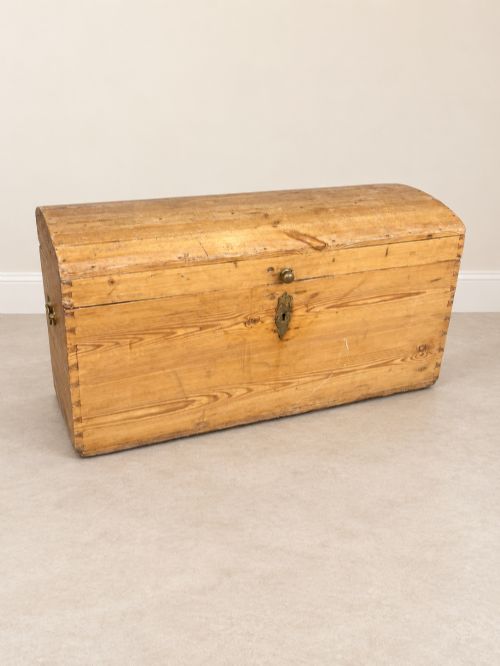
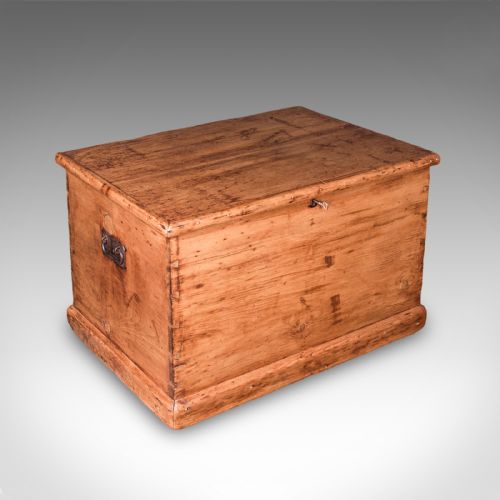
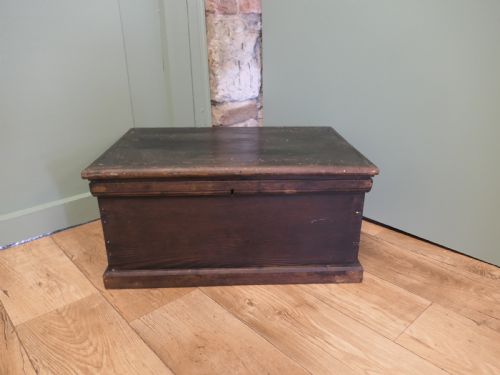
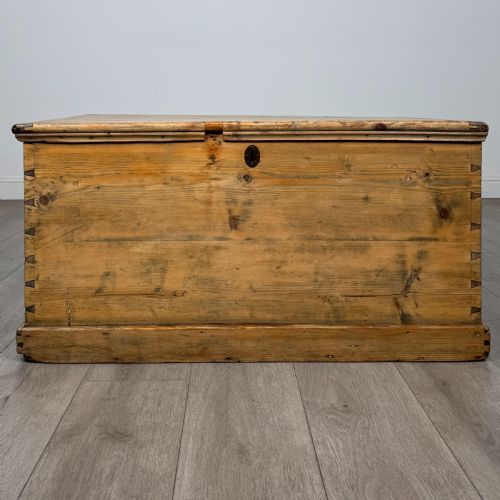
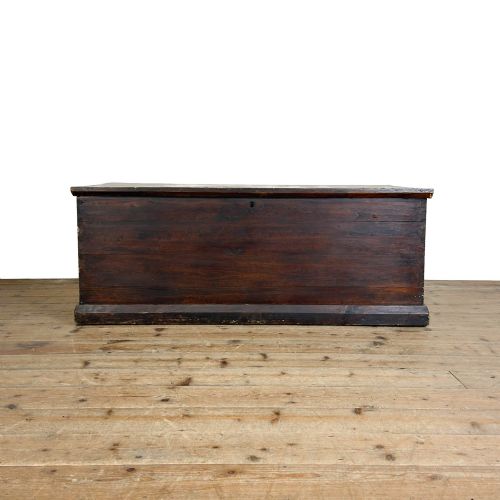
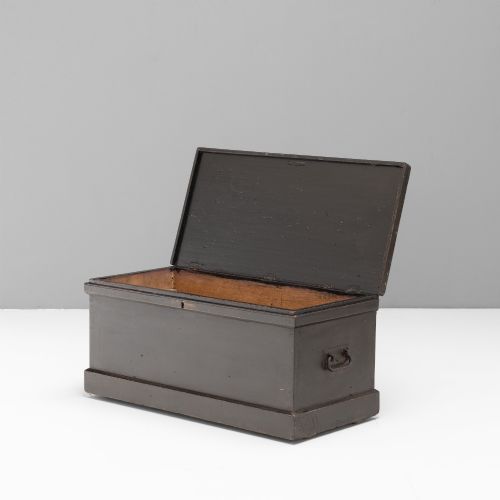
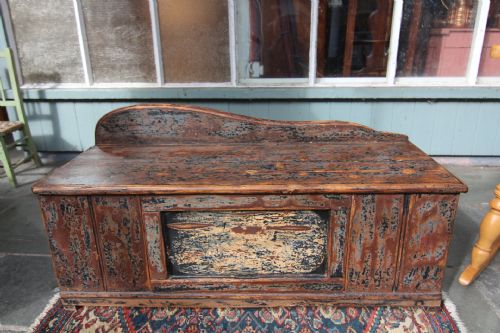
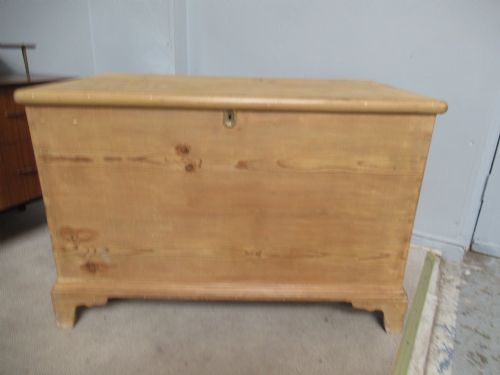
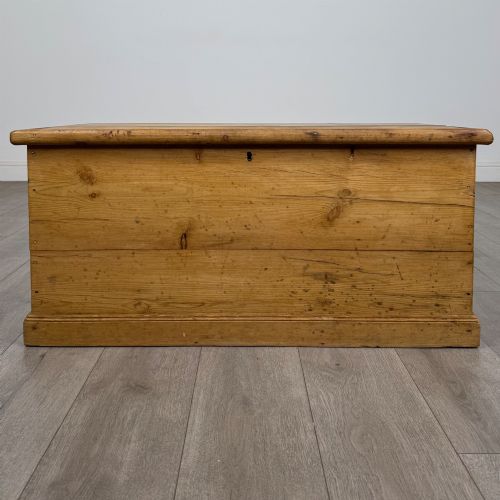
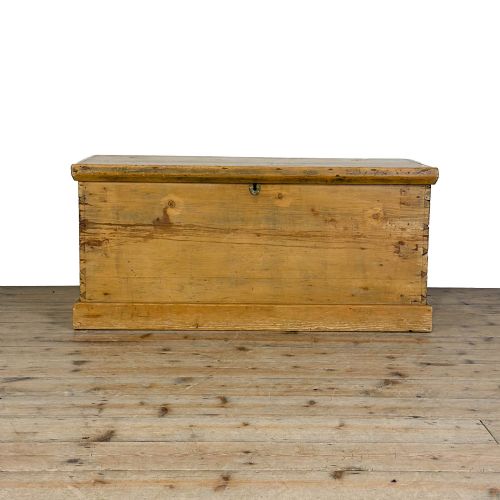
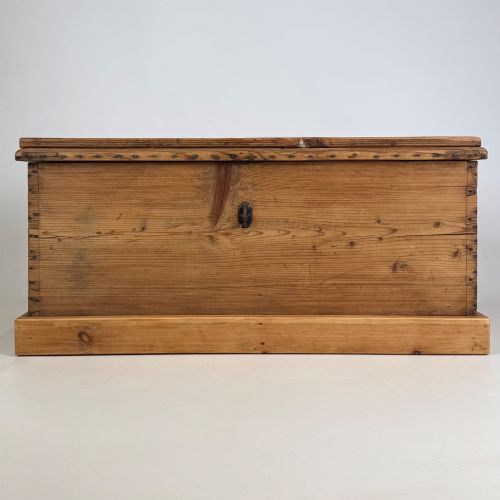
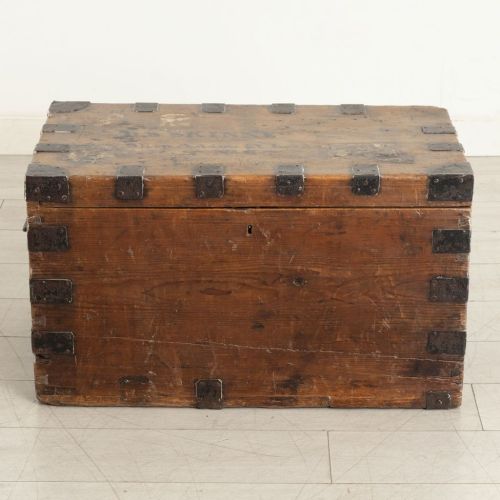
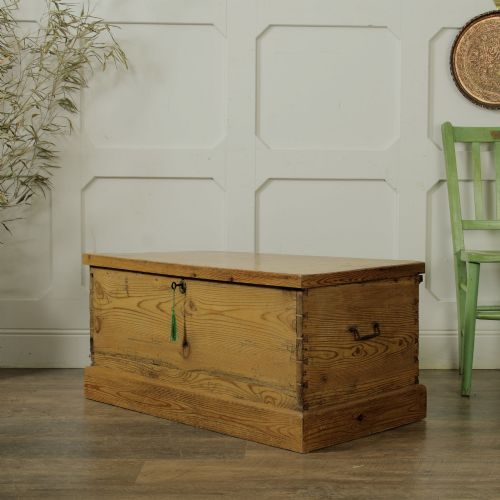
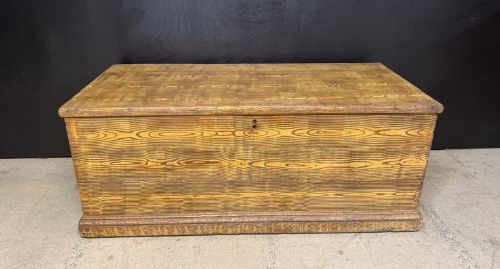
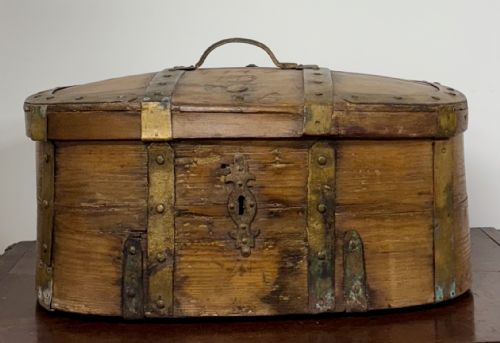
A rustic pine trunk chest provides robust storage through vernacular forms that range from blanket boxes to mule chests and travel trunks. These pieces emerge primarily from the Victorian and 19th-century periods alongside earlier 18th-century and Georgian examples. You will frequently encounter plain waxed finishes, scumble painted surfaces, and regionally specific regional designs such as Scandinavian and Hungarian folk art boxes.
The objects serve multiple domestic roles, functioning as blanket boxes, tool chests, and travel luggage. Surviving examples include fitted interiors with small drawers, dome tops, and large proportions designed for heavy service. European country pieces show regional variations in painted decoration and structural joinery.
Materials and construction methods
Makers utilised softwoods predominantly, selecting pine and pitch pine for their availability and workability, occasionally incorporating oak, elm, or paper elements. Boards were joined to form rigid boxes hinged at the lid, frequently reinforced for travel or heavy domestic use.
Hardware played a central role in construction, with hand-forged iron strapwork, brass fittings, and iron bindings securing corners and lids. Surfaces were treated with protective wax, scumble paint, or original decorative pigment schemes that survive to define the piece's visual identity.
Listings feature pine, pitch pine, oak, and elm timbers alongside iron and brass hardware.
Distinguishing quality in country chests
Superior examples display original surface treatments, whether untouched early paint or deep patinated wax, rather than modern stripping. The integrity of the hardware, including hand-forged iron strapwork and period hinges, elevates a piece above standard utility items.
Internal complexity also distinguishes finer chests, such as those featuring fitted interior drawers or robust dovetail joinery executed with precision. Scale and proportion separate humble storage boxes from grander architectural coffers and campaign chests.
The Rustic Pine Trunk Chest Glossary
- Mule chest
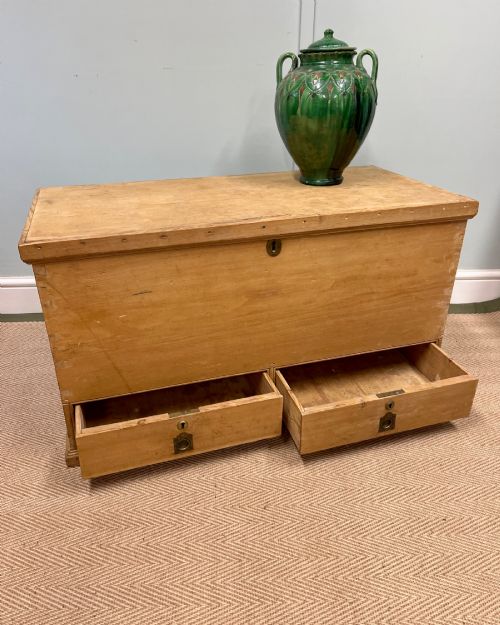
- A storage chest fitted with one or more drawers beneath the main compartment. This form bridges the gap between the simple coffer and the chest of drawers.
- Scumble paint
- A translucent layer of glaze manipulated over a lighter base colour to simulate wood grain or create mottled texture. It appears frequently on 19th-century country pine furniture.
- Strapwork
- Metal bands or strips applied to the exterior of a chest to reinforce corners and joints. Hand-forged iron examples provide both structural strength and visual contrast.
- Pitch pine
- A resinous North American pine variety utilised for its durability and strong grain pattern. It yields heavier, harder trunks than standard white pine.
- Coffer
- A traditional heavy box with a hinged lid used for storing valuables or textiles. The term often describes earlier continental and vernacular pieces.
Rustic Pine Trunk Chest: Frequently Asked Questions
How do I date an old pine chest?
Dating relies on assessing construction techniques, such as hand-cut dovetails, forged iron hardware, and the type of hinges used on the lid.
Surface finishes also provide clues, as early layers of wax, paint, or scumble glaze reflect the period of manufacture rather than later restorations.
What is a mule chest?
A mule chest combines a traditional lift-lid box compartment with one or more lower drawers.
This hybrid form evolved during the 18th century to offer easier access to stored garments without disturbing items piled on top.
Were these chests used for travel?
Many pine trunks served as travel luggage, particularly Victorian transit pieces and campaign chests equipped with iron carrying handles.
Their robust construction and reinforced corners protected contents during movement by ship, rail, or wagon.
How should I care for a waxed pine trunk?
Maintain waxed pine surfaces by applying a quality natural beeswax periodically to nourish the wood and preserve the patina.
Keep the chest away from direct heat sources and sudden humidity changes to prevent the pine boards from splitting.