
Rustic Painted Wooden Chest
A rustic painted wooden chest brings honest, weathered character and practical storage to a room through centuries-old folk traditions and durable natural timbers.
Rustic Painted Wooden Chest
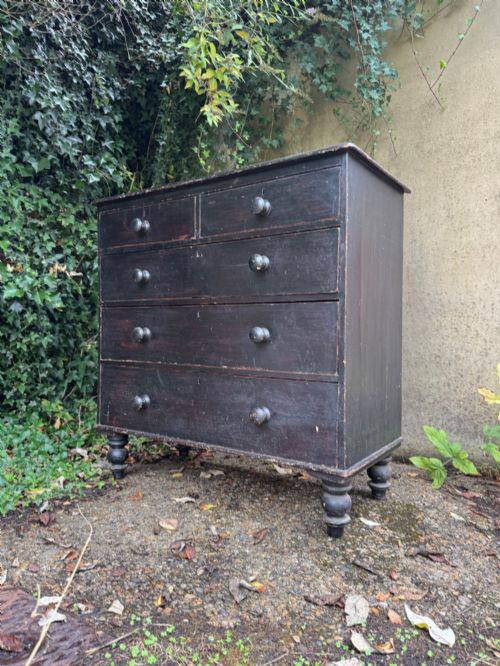
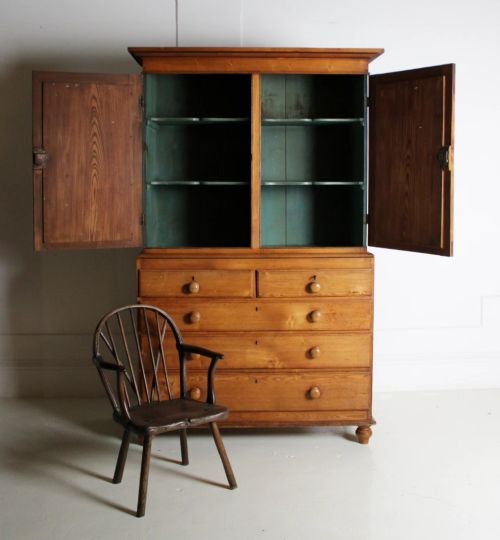
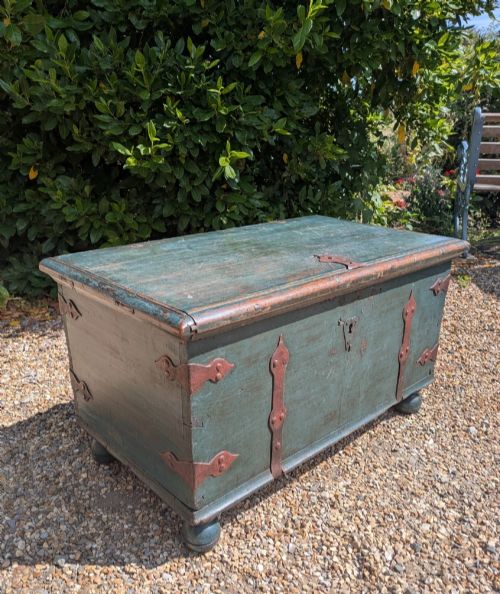
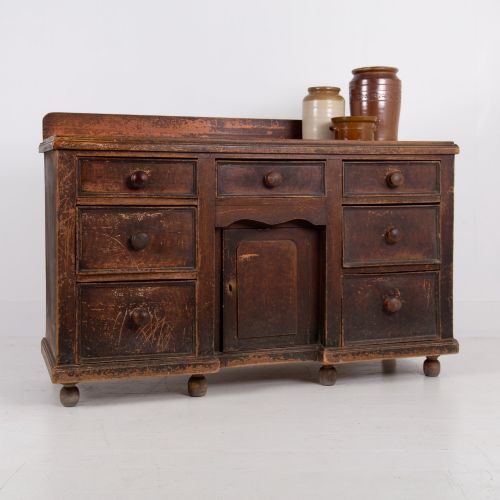
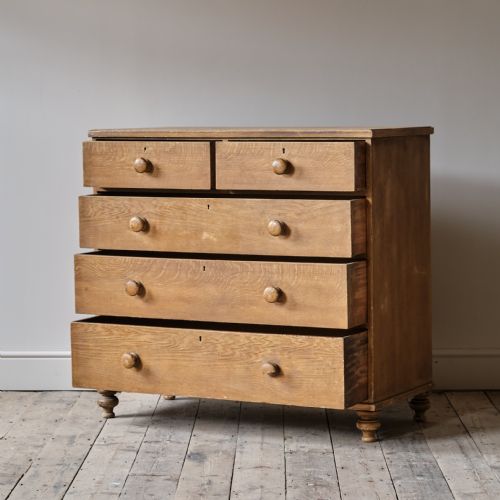
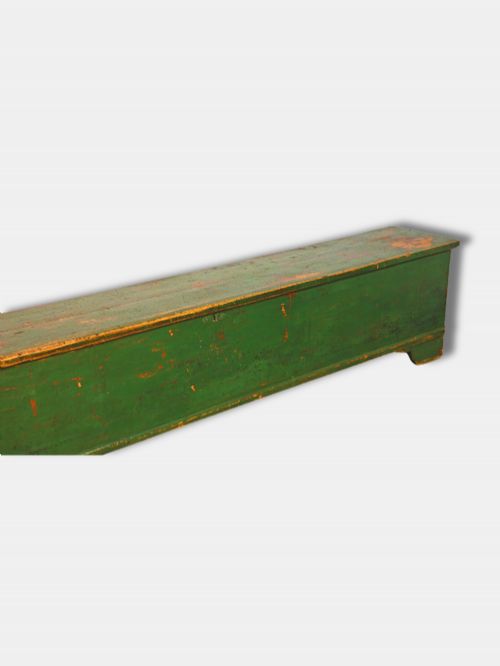
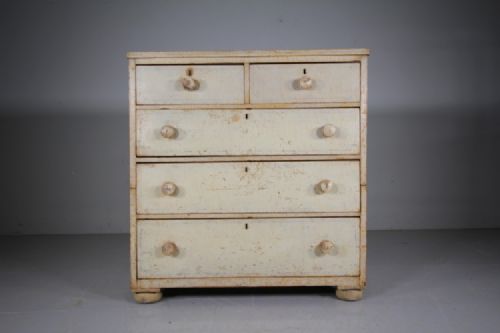
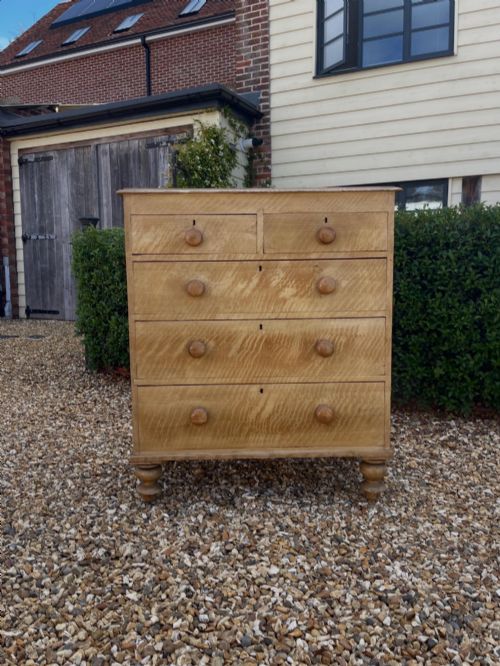
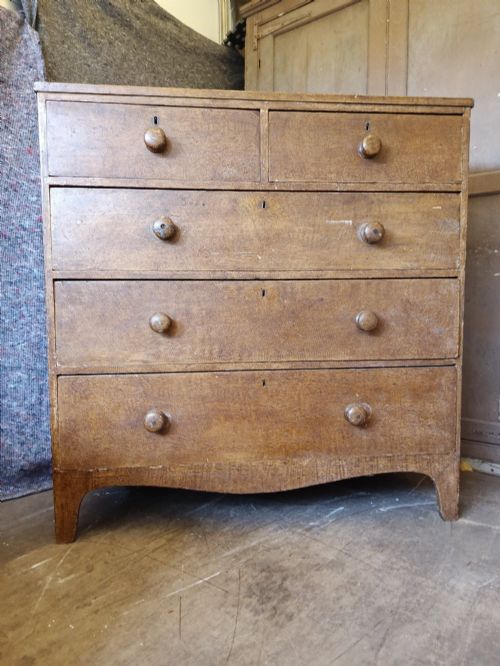
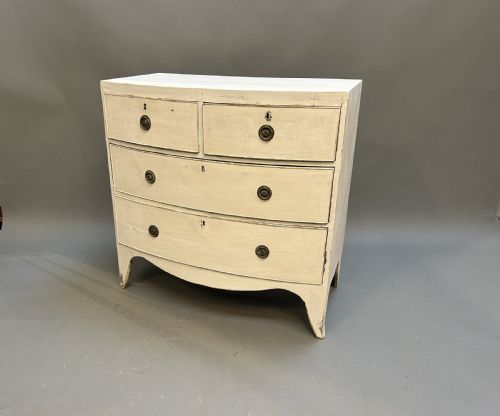
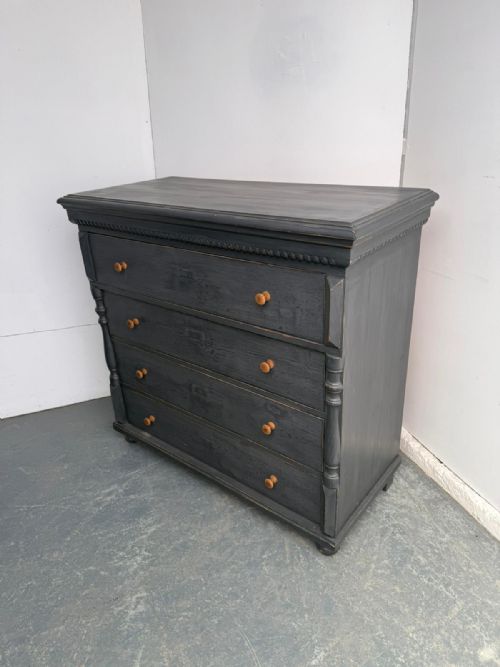
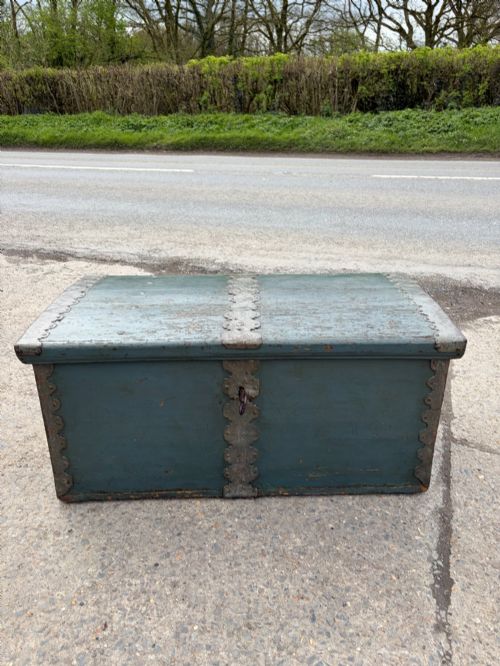
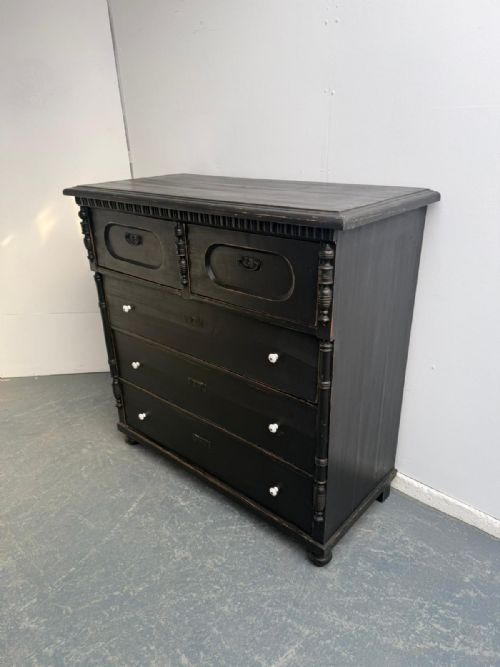
When you search for a rustic painted wooden chest, you encounter sturdy storage solutions spanning the nineteenth century, including Victorian, Regency, and Georgian eras. The pieces on this page appear primarily as pine chests of drawers, blanket boxes, dome top chests, and marriage chests originating from British, French, Scandinavian, Hungarian, and Alpine traditions.
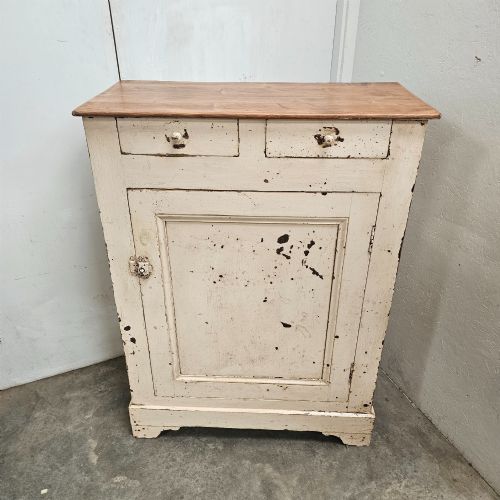
The assortment ranges from large five-drawer storage units and kitchen cupboards to smaller travel trunks, coffers, and box settles. Many examples display regional folk art characteristics, reflecting the domestic utility and decorative customs of rural European households.
Materials and Technique
Makers constructed these storage pieces predominantly from solid pine, alongside occasional ash, teak, and scumble surfaces. Artisans applied hand-mixed paint layers directly to the timber, often preserving original pigment schemes that show centuries of wear.
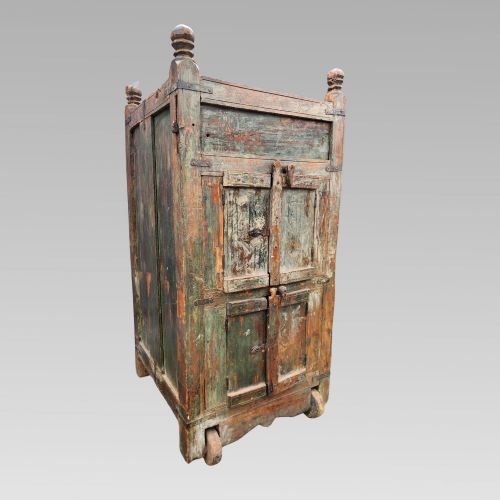
Hardware details rely on functional metalwork, including hand-forged iron strapwork and brass fittings that secure heavy lids and drawer structures. Construction methods incorporate traditional joinery designed to withstand decades of heavy domestic use.
Materials documented across the inventory include pine, ash, teak, wrought iron, brass, and painted wood.
Evaluating the Pieces
The distinction between ordinary utility items and superior examples lies in the survival of original surface decoration and unaltered structural integrity. Pieces retaining untouched historical paint layers command greater interest than those stripped or repassed in later coatings.
Proportion and regional decorative detail further separate standard boxes from exceptional marriage chests and folk art storage pieces. Fine hand-forged ironwork and authentic period patination complete the criteria that elevate individual examples.
The Rustic Painted Wooden Chest Glossary
- Mule chest
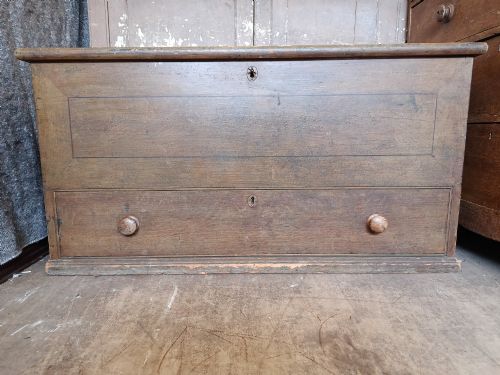
- A storage box featuring one or two drawers beneath the main internal compartment. This form bridges the traditional blanket chest and the modern chest of drawers.
- Scumble
- A decorative painting technique involving a translucent glaze dragged over an opaque base coat to imitate finer grained woods. It appears frequently on nineteenth-century pine surfaces.
- Marriage chest
- A specially decorated box commissioned to celebrate a wedding, often bearing initials, dates, or symbolic folk art motifs. These pieces served as central dowry storage in rural communities.
- Coffer
- A heavy, deep box with a hinged lid used originally for storing valuables and textiles. Unlike standard blanket boxes, coffers often feature more robust security construction.
- Strapwork
- Ornamental metal bands or hinges applied across the exterior of a chest to reinforce corners and lids. Hand-forged iron examples provide both structural strength and visual contrast.
Rustic Painted Wooden Chest: Frequently Asked Questions
What is a rustic painted wooden chest used for?
These pieces served historically for domestic storage of linens, garments, dowry items, and household provisions across rural European households. Today, they function effectively as living room coffee tables, hallway blanket boxes, or bedroom storage units that add texture to an interior.
Their robust construction allows them to endure daily interaction while keeping clutter hidden away inside deep compartments and drawers.
How do I identify original paint on pine?
Original surface treatments exhibit natural micro-cracking, gradual wear patterns around handles, and consistent pigment integration that does not rub off easily with cleaning. Under magnification, older paint layers show complex interaction with the underlying pine substrate rather than uniform modern application.
Examining corners, interior surfaces, and areas protected from light helps confirm whether the colour belongs to the manufacturing period or a later intervention.
Where did regional painted chests originate?
Traditional painted storage pieces emerged from various European rural communities, particularly across Scandinavia, Hungary, the Alpine regions, and France. Each area developed distinct palettes and decorative motifs, ranging from floral folk art to muted scumble finishes.
Local timber availability and domestic customs heavily influenced whether a maker built a tall five-drawer unit, a dome top travel trunk, or a low marriage box.
How should I care for an antique painted box?
Maintain these surfaces by dusting gently with a dry, soft cloth and avoiding chemical polishes or abrasive cleaners that can dissolve historic paint layers. Keep the timber away from direct heat sources and dramatic humidity fluctuations to prevent wood splitting and paint flaking.
Occasional treatment with appropriate natural waxes protects exposed wood areas without altering the historic patina of the painted exterior.