
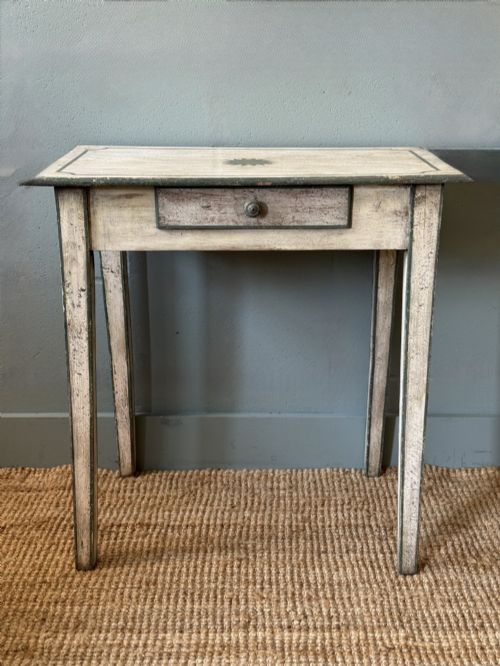




Rustic Painted Occasional Table
A rustic painted occasional table brings authentic country charm and practical surface space to a room, offering versatile utility with genuine period character.
Rustic Painted Occasional Table
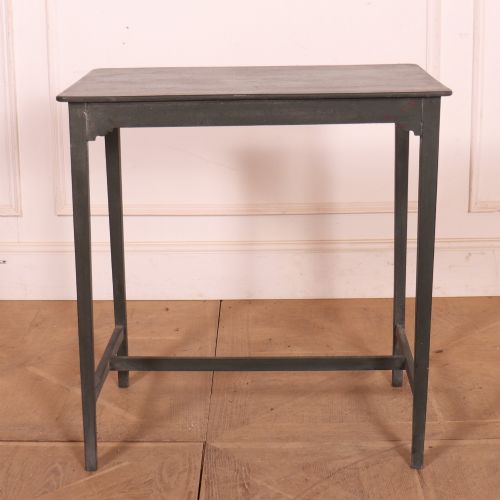
A rustic painted occasional table encompasses a varied group of small tables designed for functional use across domestic spaces, frequently described in listings as lamp tables, side tables, or occasional tables. These items typically emerge from country traditions spanning the eighteenth and nineteenth centuries, including English, Welsh, and Scandinavian regional workshops.
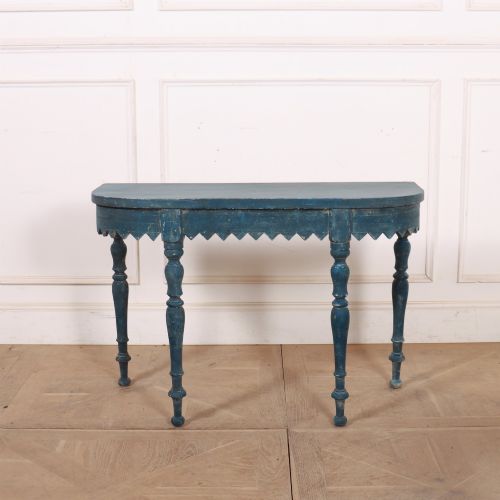
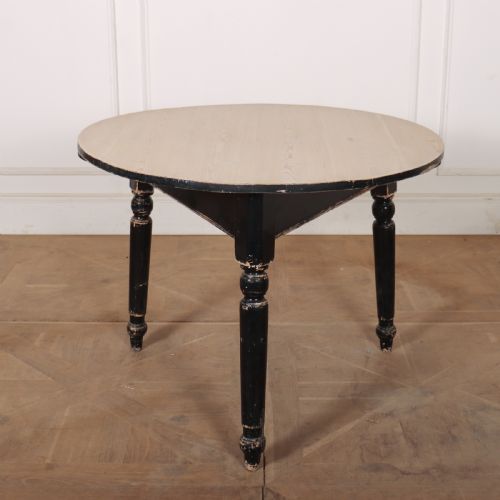
The most common forms encountered on this page are lamp tables and side tables constructed from pine or oak, often finished with historic paint layers. Pieces range from straightforward tripod cricket tables to drop leaf pembroke tables and narrow console formats, reflecting practical everyday domestic needs.
Origins stretch across European country houses, featuring English country, French provincial, and Swedish stylistic traits. The survival of original or aged painted surfaces defines the core identity of these pieces, distinguishing them from standard formal antique furniture.
How they were made
Construction relies heavily on native timbers such as pine, oak, fruitwood, and general timber, utilised according to regional availability and the intended robustness of the furniture. Carpenters and joiners employed straightforward pegged or jointed framing to build sturdy domestic tables capable of withstanding heavy daily use.
Surface treatments involve the application of historical paint, sometimes seen as ragwork or simple monochrome coats over wood. Brass hardware occasionally appears on functional elements such as drop leaves or folding mechanisms, providing durable working components.
Joinery methods reflect traditional cabinet making and carpentry appropriate for provincial workshops rather than urban high-style production. Simple scrub tops, turned legs, and trestle supports demonstrate functional engineering focused on stability and utility.
Materials documented across the inventory include pine, oak, fruitwood, and brass accents applied to side, console, and folding table formats.
What varies in quality
Quality in a rustic painted occasional table rests primarily on the integrity and age of the painted surface, alongside the structural soundness of the timber. Pieces retaining undisturbed historic paint layers hold greater character than those stripped or overly modernized.
Proportion and regional form significantly influence the desirability of an item, with balanced cricket tables or well-proportioned console formats showing superior craftsmanship. Subtle details in turned legs, edge profiling, and timber selection separate standard utility pieces from finer country examples.
The Rustic Painted Occasional Table Glossary
- Cricket table
- A small three-legged table traditionally featuring a triangular base and a round wooden top. This stable design prevented wobbling on uneven stone or dirt floors in old cottages.
- Pembroke table
- A small rectangular table featuring two hinged drop leaves on opposing sides. It offers adjustable surface area for versatile placement in smaller rooms.
- Console table
- A narrow table designed to stand flat against a wall, frequently used in hallways or living spaces. These pieces provide surface utility without obstructing walking routes.
- Ragwork
- A decorative paint technique where rags or cloths are used to apply or manipulate paint on a surface. This method creates textured, mottled, or patterned finishes characteristic of Scandinavian country furniture.
- Scrub top
- A plain wooden table top designed for frequent washing and scrubbing with water and stone. It typically exhibits a pale, weathered grain from sustained domestic maintenance.
Rustic Painted Occasional Table: Frequently Asked Questions
What is a rustic painted occasional table?
A rustic painted occasional table is a small, utility-focused piece of furniture originating mostly from eighteenth and nineteenth-century country workshops. These tables include side tables, lamp tables, and cricket tables built from materials like pine and oak.
The defining characteristic is the presence of painted wood surfaces, which range from simple monochrome coats to decorative ragwork finishes. They were designed for practical tasks in domestic settings rather than formal display.
Where were these tables used?
These tables served various practical functions throughout European country houses, cottages, and provincial homes. They functioned as convenient surfaces for lamps, side storage, or general daily tasks in living areas.
Because of their modest proportions and movable designs, owners placed them beside seating or against walls where extra surface space was temporarily needed.
How do I identify the period?
Identifying the period involves examining the timber species, joinery construction, and the characteristics of the paint layer. Eighteenth-century examples often display hand-sawn timber marks and early paint patination, while Victorian and later nineteenth-century pieces may incorporate machine-sawn components.
Stylistic markers such as turned legs, trestle bases, and specific regional forms like Welsh cricket tables also help narrow down the manufacturing era.
How do I care for painted wood?
Caring for painted antique furniture requires gentle dusting with a dry or slightly damp soft cloth to preserve the historic finish. Avoid harsh chemical cleaners, excess moisture, and direct sunlight that could cause the paint layers to flake or fade.
Maintaining a stable room temperature and humidity level helps protect both the underlying timber and the historic paint surface from cracking.