
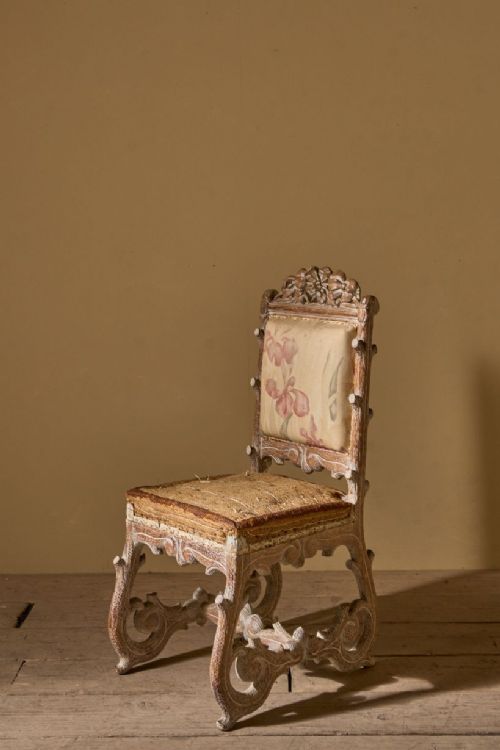
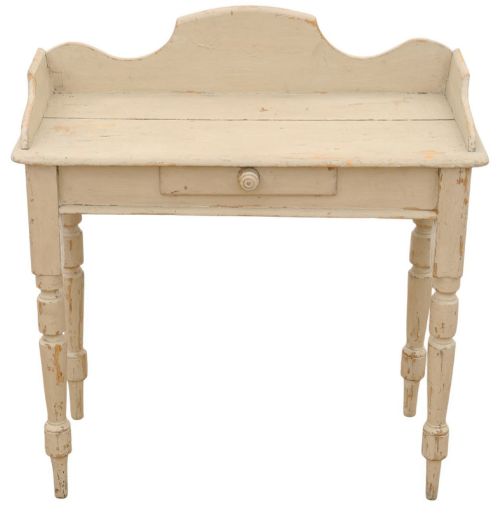
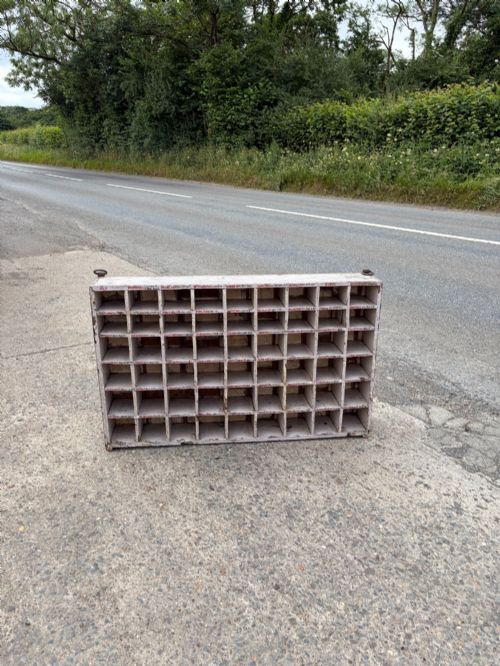
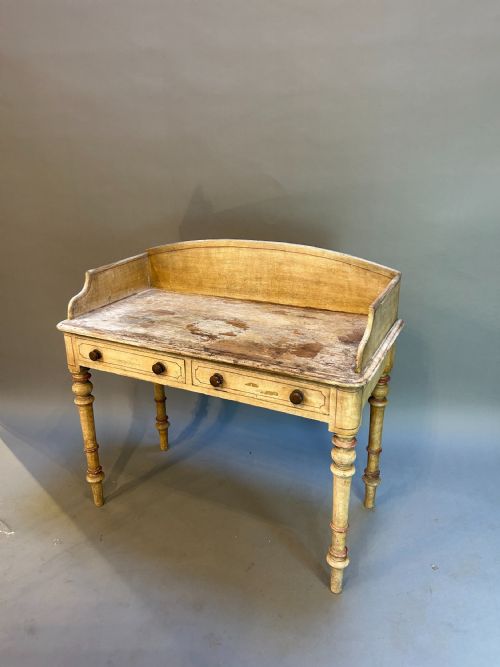

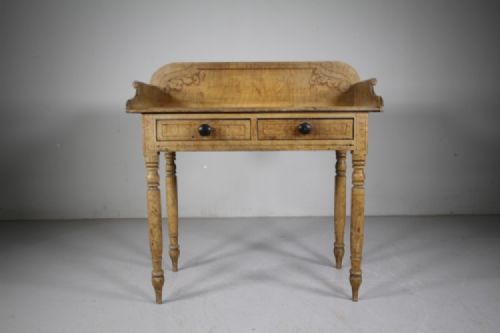


Rustic Painted Desk
A rustic painted desk brings practical workspace and character into a room through honest timber and weathered pigment.
Rustic Painted Desk
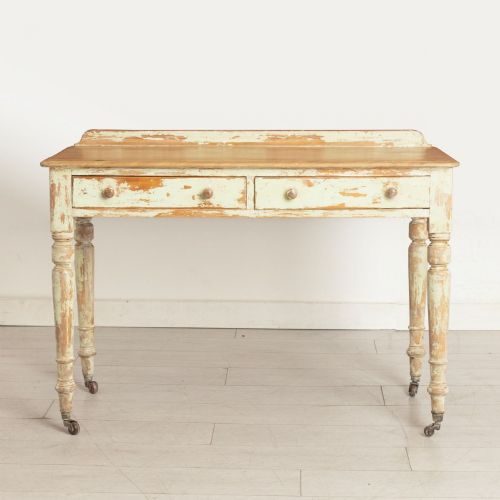
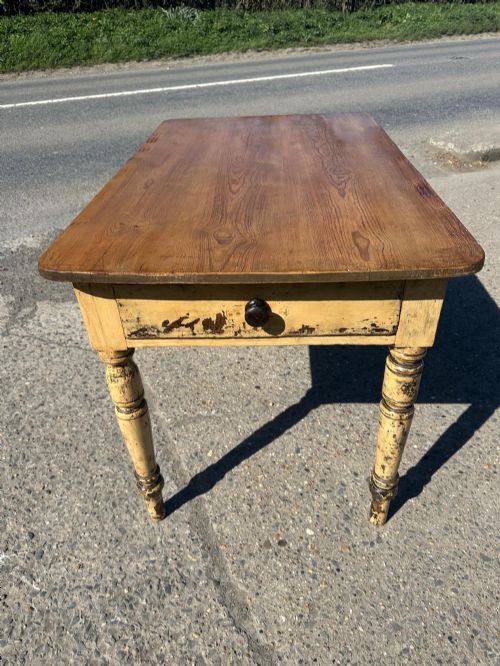
A rustic painted desk combines everyday workspace utility with country finishes, originating predominantly across the nineteenth and early twentieth centuries. These pieces emerge from English, French, and Scandinavian traditions, taking the form of writing tables, clerks desks, and occasional tables with applied paint. Buyers searching for a rustic painted desk seek functional surfaces that display the authentic marks of use.
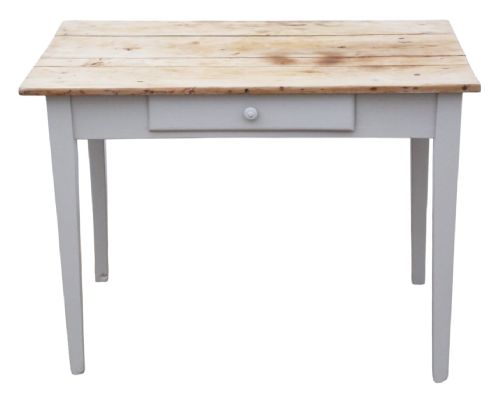
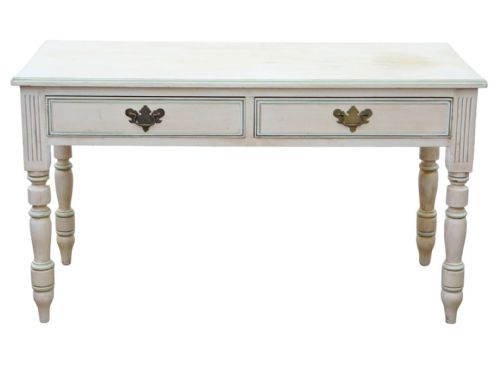
The most common examples on this page are constructed from pine and painted in muted or original tones. They range from simple nineteenth century side tables used for writing to specific writing top desks and work tables. Each piece balances utilitarian form with the decorative appeal of aged surface coatings.
Materials and construction methods
Construction relies heavily on sturdy domestic softwoods and hardwoods such as pine, elm, and beech. Makers built these desks to endure daily labour, joining panels and legs with traditional methods suited to domestic and commercial workshops. Iron and brass hardware frequently secure drawers and hinges.
Surfaces receive layers of paint, including traditional pigments like Swedish Falu paint or red lead coatings. This paint application protects the underlying wood while developing a natural patina through decades of friction and cleaning.
Listings span the eighteenth to the early twentieth century, featuring pine, elm, oak, and iron across various European origins.
Evaluating quality and authenticity
Quality rests in the survival of original surface finishes and the integrity of the timber. Desks retaining their early or primary painted coats carry greater historical depth than those stripped or repassed in modern times. The handling of the wood, from dovetailed drawer construction to stable joints, defines the standard of the piece.
Proportion and utility also dictate the standing of a desk. Well-balanced proportions, functional drawers, and untouched structural elements separate utilitarian workshop pieces from lesser items with altered components.
The Rustic Painted Desk Glossary
- Pine
- A softwood commonly used for country furniture due to its availability and workability. It accepts paint readily and forms the primary structure of many desks.
- Falu red
- A traditional Swedish paint colour derived from copper mine waste. It provides a durable, matte finish found on Scandinavian tables and desks.
- Scrub-top
- A wooden table or desk top left unpainted and scrubbed clean with water and sand. This surface contrasts with painted bases.
- Faux bois
- A decorative technique mimicking wood grain painted onto a different surface. Makers utilised this method to elevate simpler timbers.
- Trestle
- A table or desk structure supported by two or more upright frames connected by a horizontal beam. This design offers robust legroom.
Rustic Painted Desk: Frequently Asked Questions
How do I clean a painted desk?
Dust the surface regularly with a dry, soft cloth to prevent dirt accumulation. Avoid harsh chemical cleaners that might strip the historic paint.
Apply a microcrystalline wax sparingly if the paint requires protection. Test any cleaning product on a hidden area first.
Are these desks suitable for daily work?
Many nineteenth and twentieth century examples function well as modern writing spaces. Their sturdy construction accommodates laptops and paperwork easily.
Check the height and leg clearance before purchase to ensure comfort during extended use.
How do I identify original paint?
Original paint exhibits natural craquelure, wear patterns around handles, and consistent ageing matching the timber underneath. Modern repaints often feel uniform and lack the subtle colour variations built up over centuries.
Examine edges and recesses for older layers peeking through top coats.
Where were these desks made?
These pieces originate from domestic workshops across England, France, and Scandinavia. Regional styles reflect local timber availability and domestic traditions.
Swedish and English country pieces form the majority of surviving examples on this page.