
Rustic Oak Windsor Chair
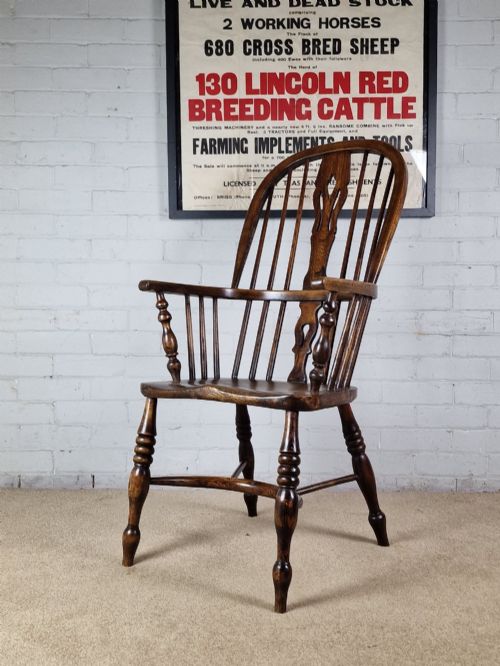
A rustic oak windsor chair brings sturdy country character and tactile traditional timber into a room.
Rustic Oak Windsor Chair
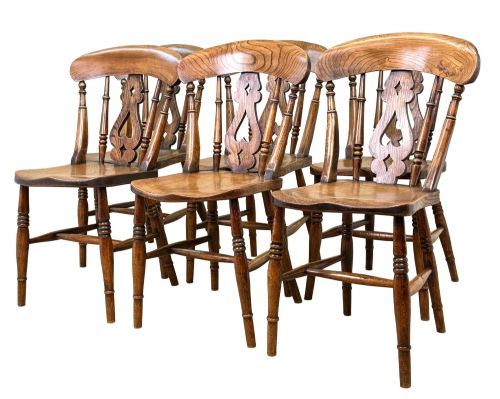
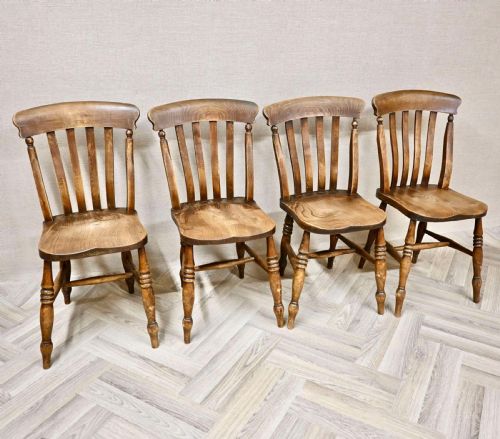
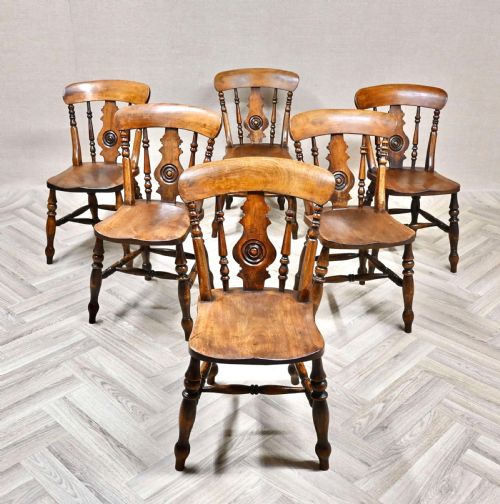
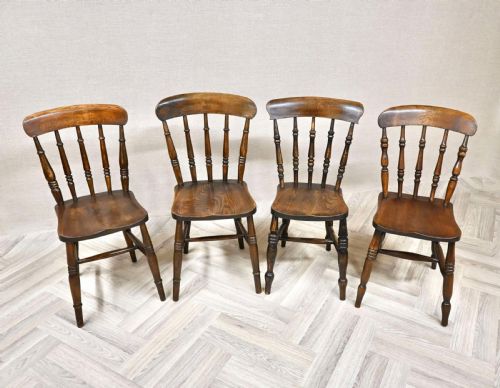
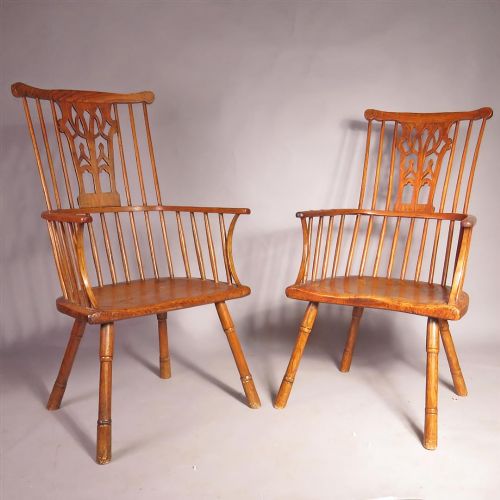
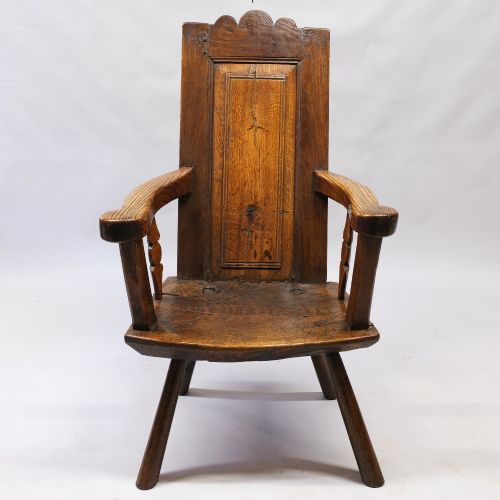
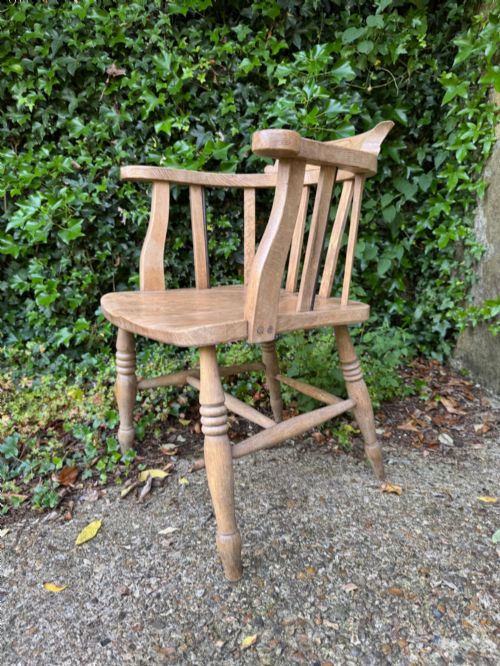
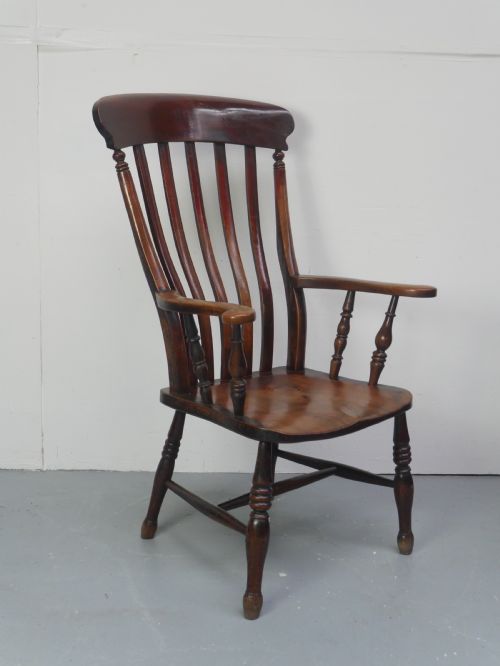
When you search for a rustic oak windsor chair, you encounter robust seating built for functional domestic spaces. The pieces gathered here draw primarily on nineteenth-century and Victorian traditions, alongside earlier eighteenth-century examples.
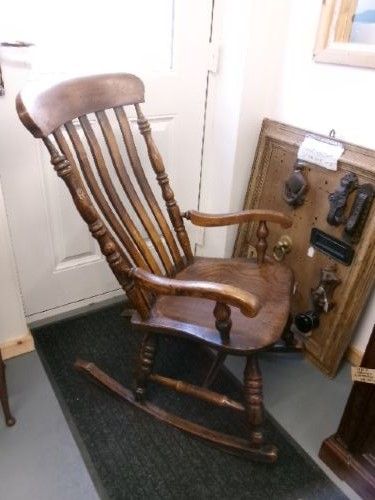
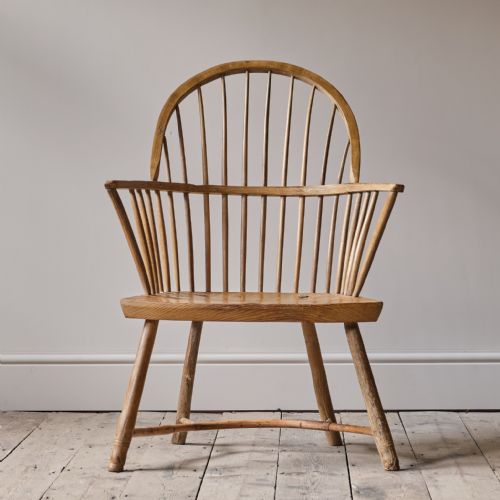
Most entries belong to kitchen and farmhouse contexts, appearing as single armchairs, pairs, or larger matched sets of dining chairs and rocking chairs. Regional variations span Welsh vernacular designs, Lincolnshire pieces, and Yorkshire farmhouse forms.
The classic construction relies on a solid saddle seat into which the undercarriage legs and upper back spindles are tenoned directly. This method creates a resilient, unified frame designed for everyday utility.
How they were made
Maker traditions paired contrasting timbers within a single frame to balance structural strength and working properties. Seats were frequently carved from dense elm, while bent components such as bow backs utilised ash, beech, or yew.
Turned legs and stretchers were shaped on pole lathes, ensuring precise joints that tightened further as the green wood dried and settled. Traditional wedged tenons secured the vertical spindles firmly through the upper face of the seat.
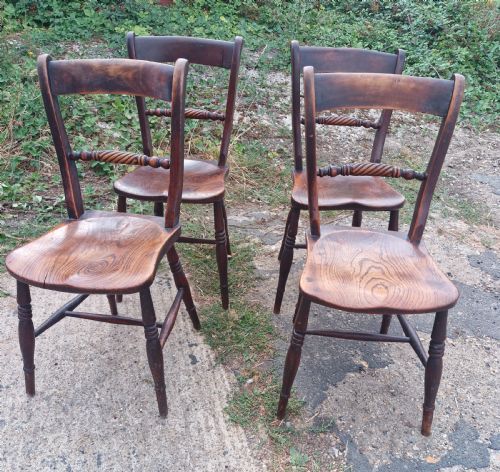
Object forms on this page include dining chairs, armchairs, rocking chairs, and stools in various regional styles.
What varies in quality
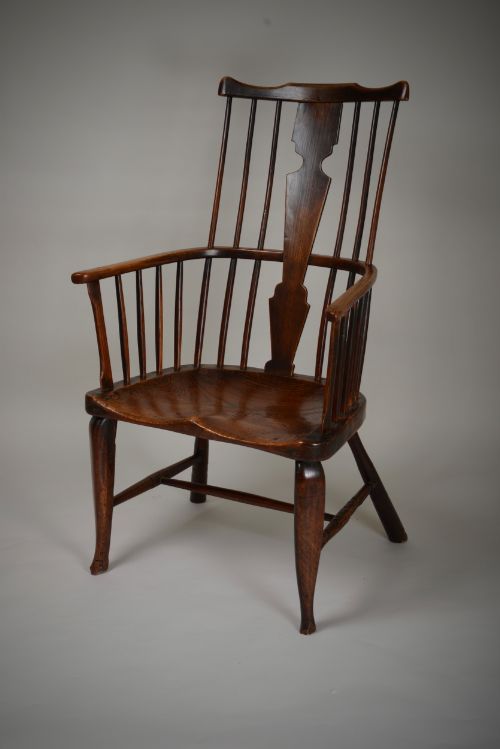
The distinction between ordinary utility seating and finer workshop production lies in the sculptural grace of the turning and the depth of the saddle-shaped seat. Well-modelled comb backs and hoop backs show careful taper in every individual spindle.
Surface history and timber selection dictate visual weight, with select examples displaying rich figuring and honest patination from decades of domestic service. Original construction integrity without excessive timber replacement preserves the historical character of the piece.
Worksop Allsop
The Rustic Oak Windsor Chair Glossary
- Windsor chair
- A timber seat featuring vertical spindles and legs wedged directly into a thick wooden base rather than connected to a framed chassis. This construction method provides exceptional structural rigidity.
- Comb back
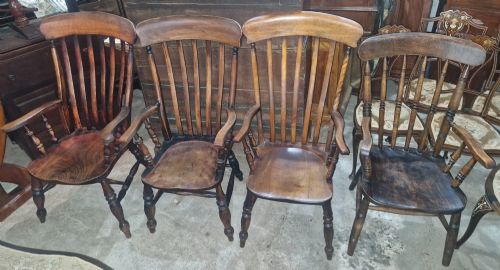
- A Windsor chair variation where the vertical back spindles rise into a horizontal crest rail resembling the teeth of a comb. These often date from the eighteenth century.
- Hoop back
- A continuous bentwood bow forming both the armrests and the upper back support in a single sweeping curve. This design distributes weight evenly across the frame.
- Wheelback
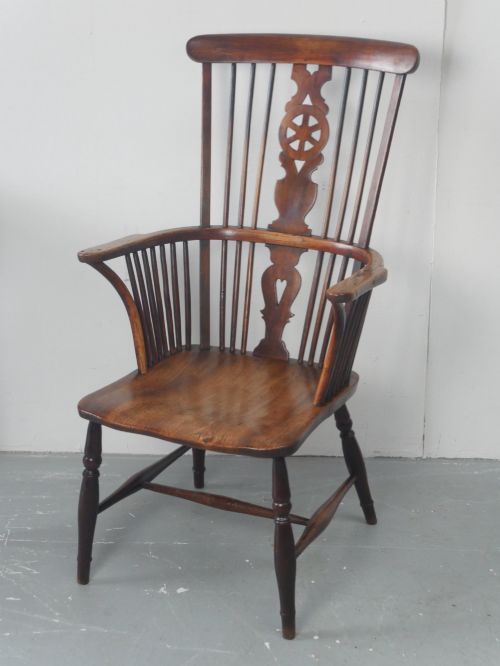
- A style incorporating a pierced central wooden splat carved in the shape of a spoked carriage wheel. This decorative motif became common during the Victorian period.
- Penny seat
- A saddle-shaped seat base finished with a distinct circular depression carved into the wood. The name derives from the characteristic scooped contour.
- Vernacular
- Regional furniture made by local craftsmen following traditional local patterns rather than metropolitan fashions. These pieces reflect specific geographic styles and available materials.
Rustic Oak Windsor Chair: Frequently Asked Questions
How do I identify an eighteenth century windsor chair?
Early examples typically feature comb back or panel back designs with distinct regional vernacular traits.
Construction details on these older pieces often display simpler, heavier turning and deep, hand-carved saddle seats.
What is the difference between a lath back and a wheelback?
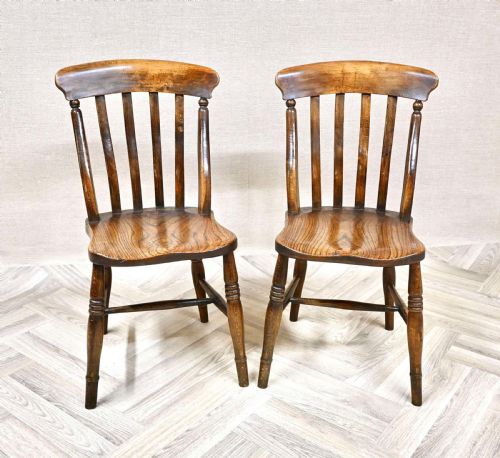
A lath back uses a solid vertical wooden slat running up the centre of the backrest.
In contrast, a wheelback incorporates a decorative pierced wooden disc shaped like a carriage wheel within the splat.
Can I use these chairs around a modern dining table?
These traditional seats function well in daily domestic use due to their robust timber construction.
Their varied heights and arm configurations mean checking individual seat dimensions ensures comfortable clearance beneath a standard table.
Are rocking chairs common among these listings?
Nursery and fireside rocking variants appear alongside standard dining chairs and kitchen armchairs.
These pieces feature curved wooden rockers attached beneath the standard turned undercarriage legs.
What timbers were commonly used for the seats?
Elm was heavily utilised for the thick saddle seats because its interlocking grain resisted splitting when drilled.
Other components like legs and spindles frequently utilised beech, ash, or oak to provide rigid support.