
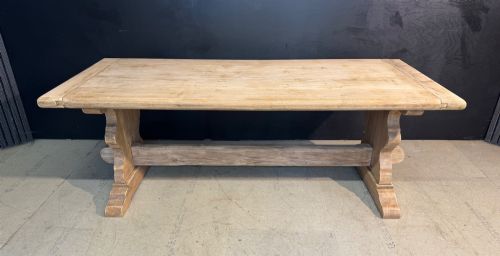
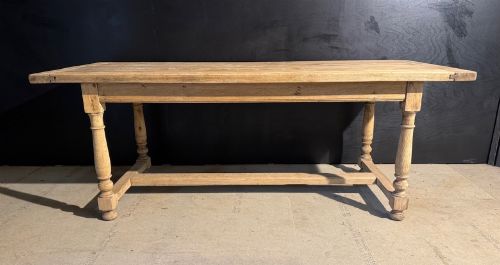
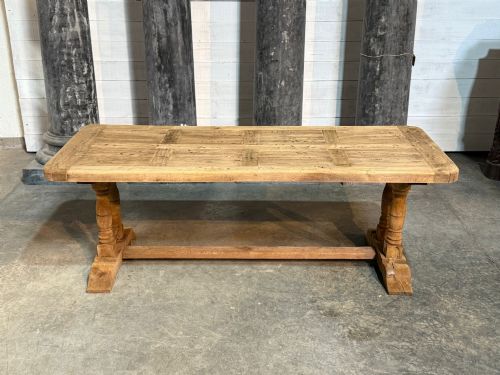
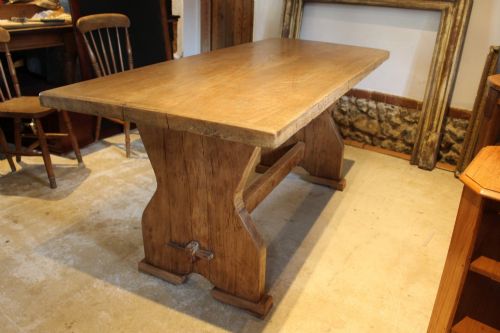
Rustic Light Oak Table
A rustic light oak table brings enduring character to a room, offering robust surfaces shaped from solid timber and shaped by decades of honest service.
Rustic Light Oak Table
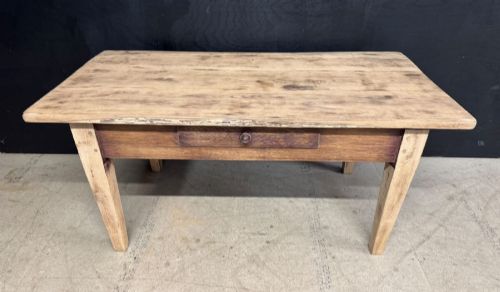
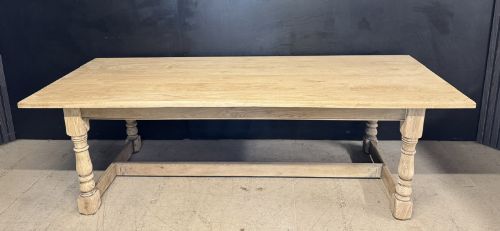
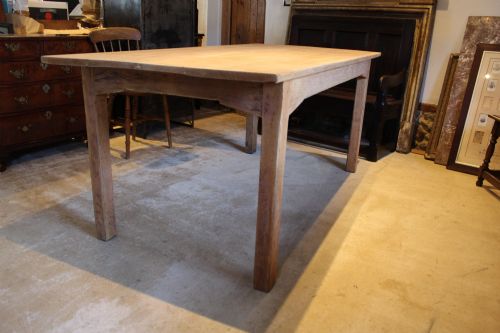
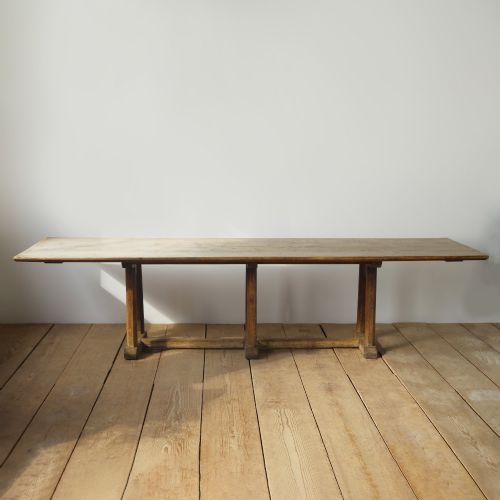
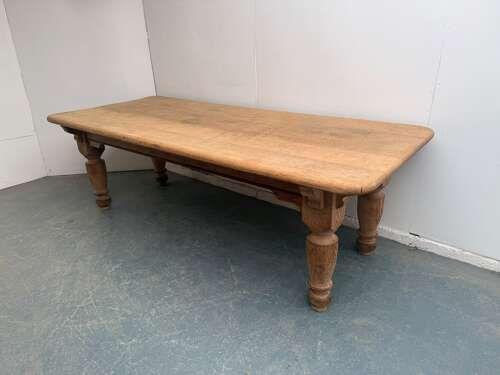
A rustic light oak table is primarily encountered as a farmhouse or refectory dining table, built for communal use and daily practicality. These pieces span periods from the Georgian era through to the early twentieth century, incorporating regional styles such as French provincial and English country.
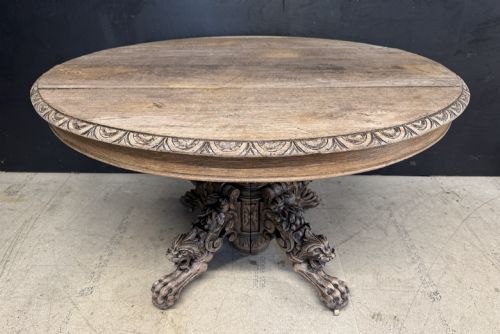
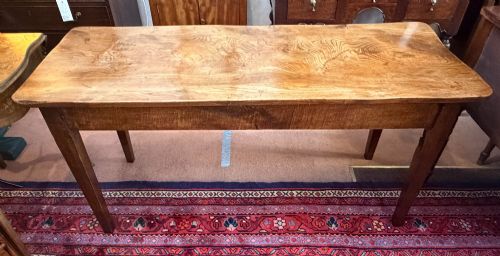
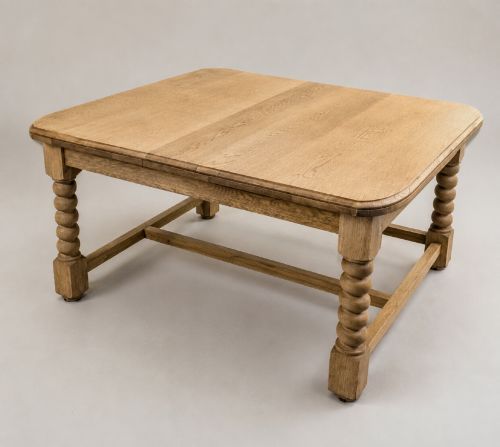
Beyond large dining surfaces, the category extends to smaller occasional forms including side tables, console tables, coffee tables, and bedside cabinets. Many examples feature bleached or limed surfaces that highlight the natural grain of the timber.
The materials remain predominantly solid oak, sometimes augmented by elm or structural elements of iron and brass. Their origins range across English, French, Spanish, and Italian workshops.
Materials and Construction
These tables are constructed from solid oak and timber, frequently utilising elm for secondary elements or specific boards. The timber is shaped into sturdy refectory, trestle, and farmhouse formats designed to withstand heavy daily wear.
Surface treatments play a defining role in the appearance of these pieces, with historical bleaching and waxing methods altering the raw tone of the wood. Metalwork details in brass and iron appear on select drawers and structural fixings.
Listings feature items from the Georgian period through to the 1930s, constructed predominantly from solid oak, bleached oak, and elm.
Assessing Quality and Character
Quality in these pieces rests upon the integrity of the timber selection and the honesty of the construction. Superior examples display mature grain patterns and harmonious proportions without resorting to excessive decorative carving.
The depth of patina developed across the surface distinguishes superior age from lesser or altered items. A well-preserved finish shows the natural softening of edges and corners through generations of use.
The Rustic Light Oak Table Glossary
- Refectory table
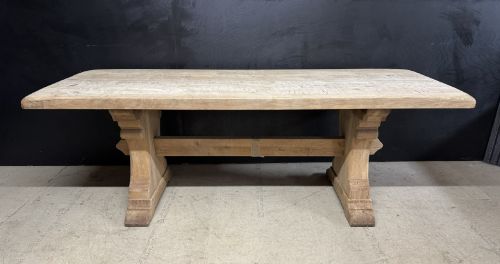
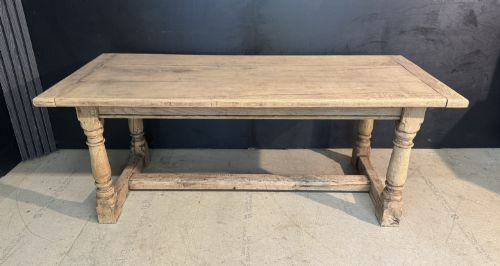
- A long, narrow dining table traditionally used in monasteries and large halls, characterised by substantial legs connected by a longitudinal stretcher.
- Bleached oak
- Timber that has been treated to lighten its natural dark tone, creating a pale, Scandinavian or continental appearance often found on twentieth-century French tables.
- Farmhouse table
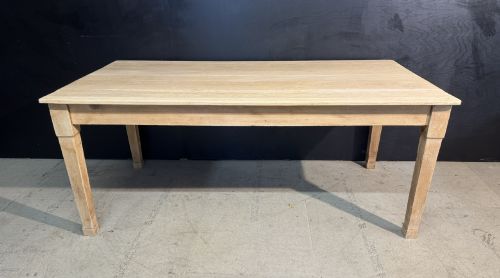
- A practical, sturdy table built for domestic utility, typically featuring thick plank tops and simple, robust legs.
- Trestle table
- A table supported by two or more upright structures connected by a horizontal beam rather than conventional corner legs.
- Patina
- The surface sheen and softening developed on wood through years of handling, polishing, and natural ageing.
Rustic Light Oak Table: Frequently Asked Questions
How do I clean a rustic oak table?
Wipe surfaces gently using a soft, damp cloth to remove everyday dust and debris. Avoid harsh chemical cleaners that strip the natural wax and dry out the timber.
Maintain the finish by applying a traditional beeswax periodically, buffing it gently to preserve the protective sheen and depth of the grain.
Can I use a farmhouse table outdoors?
These tables are constructed for indoor domestic environments and lack the weatherproofing required for exterior conditions. Changes in temperature and moisture levels will cause solid timber to warp and split.
Keep the furniture in climate-controlled rooms away from direct heat sources to protect the structural integrity of the wood.
What is a bleached oak table?
A bleached oak table has undergone a chemical or physical process to lighten the natural hue of the timber. This treatment produces a pale, neutral surface that suits contemporary and traditional interiors alike.
The technique highlights the natural grain patterns while removing the heavier, darker tones typical of older oak furniture.
How do I seat guests around a refectory table?
Refectory tables are designed with long rectangular tops and recessed legs, allowing chairs to be positioned along both full lengths. Benches also pair naturally with these formats for flexible seating arrangements.
Consider the placement of any structural stretchers underneath when measuring legroom for taller guests.