
Rustic Kitchen Drawers
These rustic kitchen drawers offer practical storage and honest utility, bringing warmth and enduring character to any heart of the home.
Rustic Kitchen Drawers
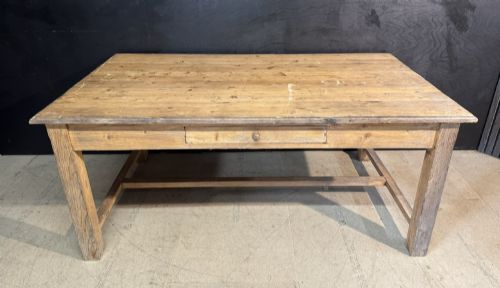
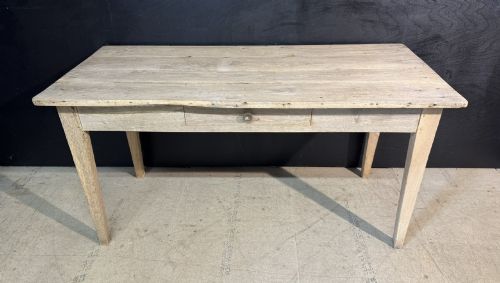
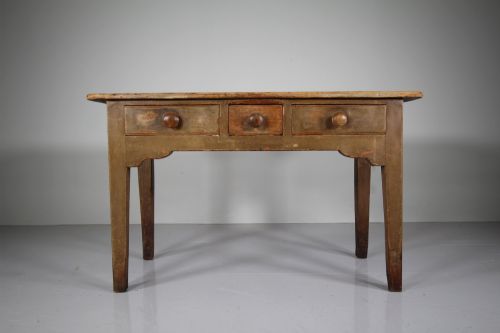
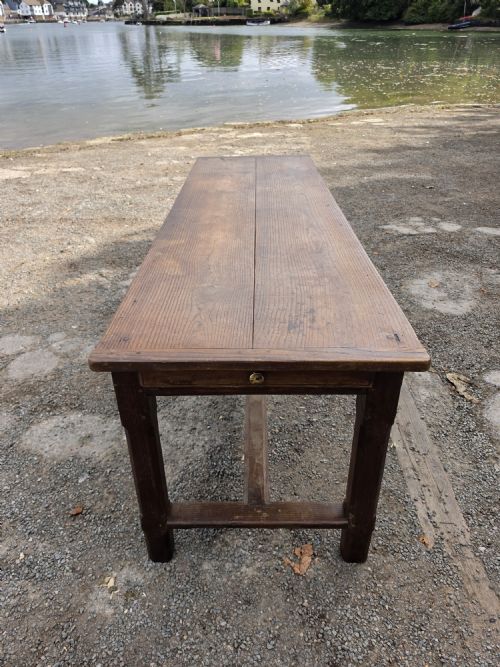
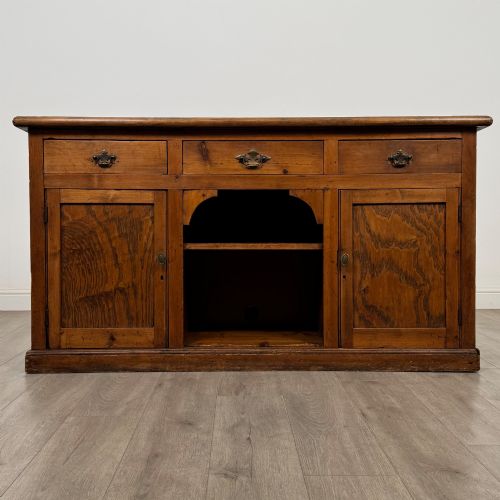
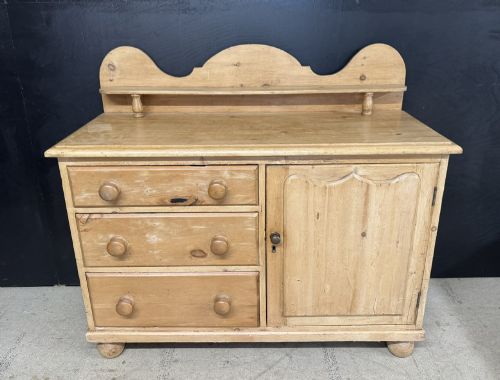
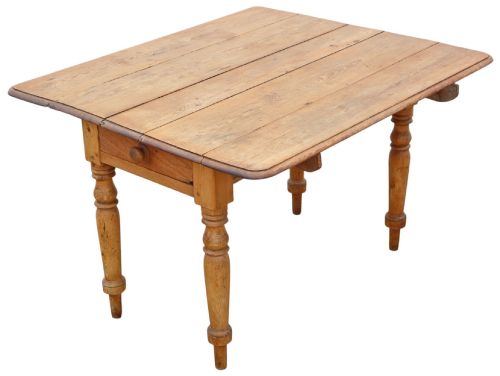
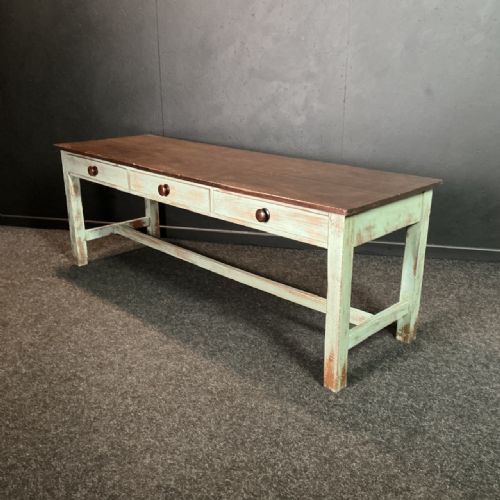
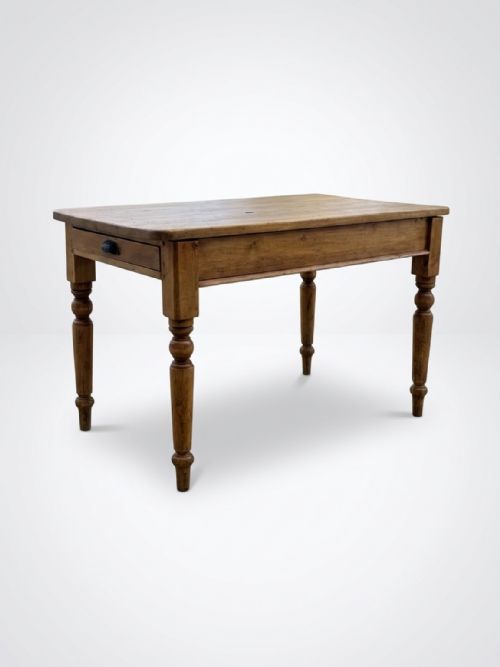
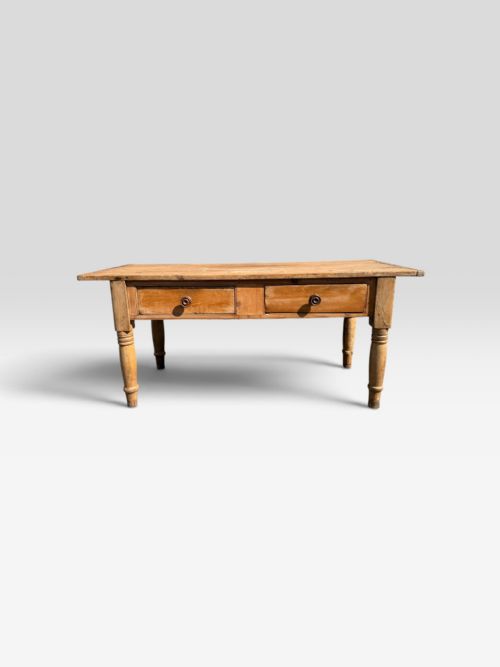
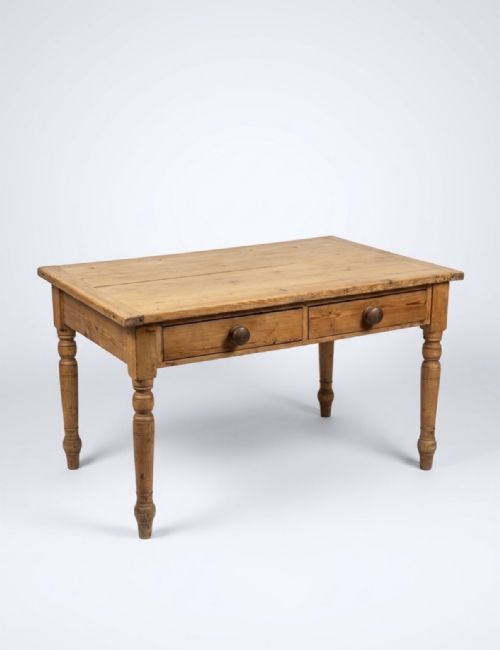
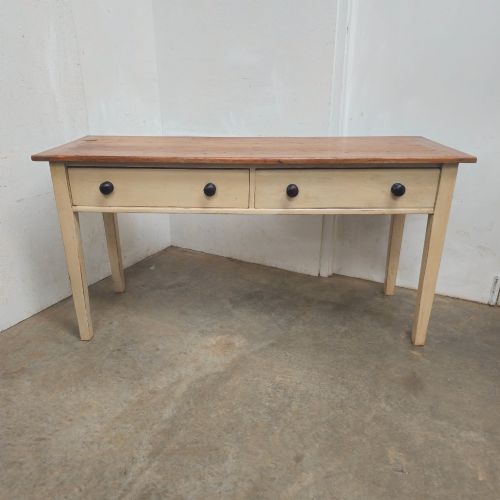
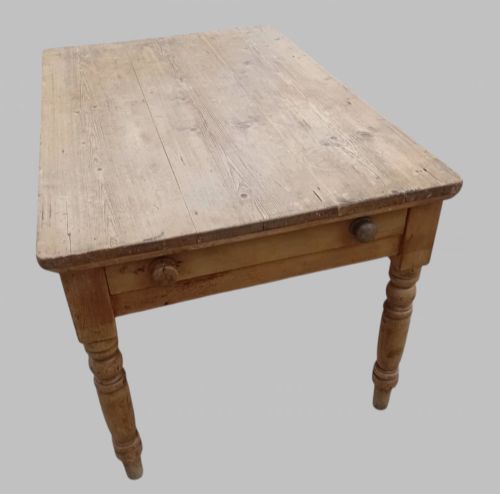
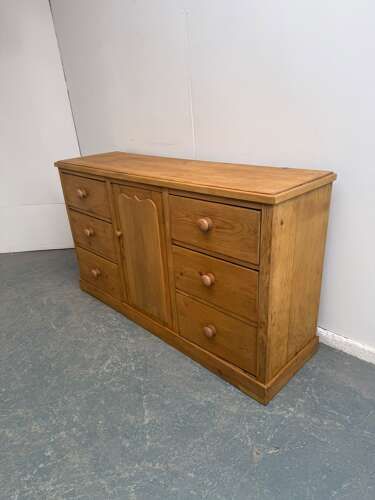
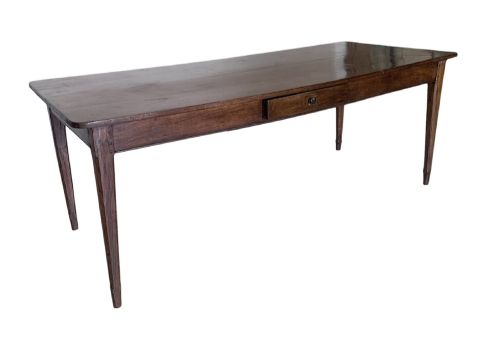
When buyers search for rustic kitchen drawers, they are looking for functional storage pieces with honest working histories and weathered charm. These items typically appear as kitchen tables with integrated drawers, scullery tables, or sturdy dresser bases fitted with cupboards and drawers below. The pieces on this page span from the eighteenth century through the Victorian and Edwardian eras, reflecting utilitarian designs made for heavy domestic use.
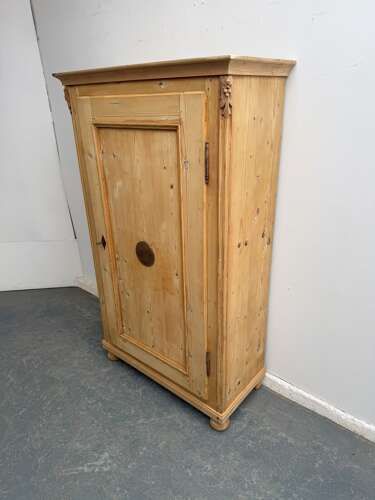
The version most commonly met here is the nineteenth-century pine dresser base or farmhouse table featuring one or more timber drawers. These domestic workhorses range from simple waxed pine to pieces retaining traces of original paint or robust oak construction. They embody regional country styles, including English, French Provincial, and Welsh traditions, prioritising robust storage over ornate display.
How they were made
Makers relied primarily on native timbers such as pine, oak, fruitwood, and elm, selecting woods for durability and availability. Pine provided a soft, workable surface often finished with wax or paint, whilst oak and fruitwood offered structural rigidity for heavy-use items like prep tables and dresser bases. Iron and brass fittings, including drop handles and drawer pulls, added necessary mechanical strength to frequently opened compartments.
Joinery techniques focused on strength and utility rather than decorative flair, utilising pegged mortise and tenon joints for frames and dovetails for drawer construction. Tables and dresser bases frequently combined multiple woods, pairing sturdy oak or fruitwood frames with pine drawer linings and tops. Surfaces were left natural, waxed, or coated in practical layers of paint that weathered through decades of scullery work.
Listings feature items built from pine, oak, fruitwood, and elm, spanning the eighteenth, nineteenth, and early twentieth centuries.
What varies in quality
The distinction between ordinary and superior pieces rests on the integrity of the original construction and the preservation of authentic surfaces. Better examples display carefully hand-cut dovetail joints in the drawers and thicker timber scantlings that have endured heavy kitchen use without major structural replacement. Original hardware, untouched patination, and retained historic paint finishes elevate a piece above those stripped bare or heavily restored.
Proportion and regional character also dictate distinction, as well-balanced proportions and clever storage configurations demonstrate superior cabinet-making. Pieces that retain their original potboards, backboards, and brass or iron drawer pulls without modern alterations represent the higher tier of these utilitarian survivals.
The Rustic Kitchen Drawers Glossary
- Dresser base
- The lower section of a kitchen dresser, typically comprising a long counter surface above a combination of drawers and cupboards. These pieces provided essential working space and storage in older country kitchens.
- Potboard
- An open slatted lower shelf fitted between the legs of a dresser base or table, designed originally to store heavy pots and pans off damp flagstone floors.
- Prep table
- A heavy utilitarian wooden table used for food preparation, frequently equipped with one or more drawers for cutlery and utensils. They were central fixtures in sculleries and large country kitchens.
- Scullery table
- A sturdy work table built for heavy domestic chores such as washing, baking, and food sorting. These tables often feature scrubbed softwood tops and robust wooden frames.
- Dovetail
- A traditional interlocking woodworking joint used to secure drawer sides to drawer fronts. Hand-cut dovetails indicate older, traditional craftsmanship.
Rustic Kitchen Drawers: Frequently Asked Questions
What are rustic kitchen drawers?
These pieces are functional domestic furnishings from past centuries, primarily dresser bases, prep tables, and sideboards featuring built-in wooden drawers. They were designed for everyday utility in farmhouses and country kitchens rather than formal display.
Today, buyers seek them to anchor a country interior with authentic materials and practical storage space that has weathered generations of use.
How were these drawers used?
In period kitchens, they served as central work surfaces for food preparation while the integrated drawers held linens, cutlery, and kitchen utensils. Dresser bases combined this surface utility with enclosed cupboard space for heavy crockery and pots.
In a modern setting, they transition easily into kitchen islands, sideboards, or hallway storage units while retaining their original working character.
How do I care for waxed pine?
Waxed pine requires gentle maintenance to preserve its soft sheen and historic patina over decades of daily use. Wipe surfaces with a dry or barely damp cloth and avoid placing hot items directly onto the timber.
Applying a traditional beeswax polish periodically helps nourish the wood and protects the finish from moisture without creating an artificial gloss.
How can I tell the period?
Dating these pieces relies on observing construction details, timber selection, and overall design characteristics. Eighteenth-century examples often feature heavier oak frames and potboards, whilst Victorian and Edwardian pieces frequently utilise pine with simpler dovetailing.
Tool marks, the type of hardware fitted to the drawers, and signs of hand-working provide further clues to the manufacturing era.