



Rustic Kitchen Carver Chair
A rustic kitchen carver chair brings sturdy vernacular character to a dining table, combining solid timber seats with supportive armrests built for daily use.
Rustic Kitchen Carver Chair
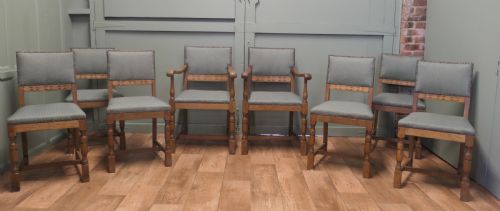
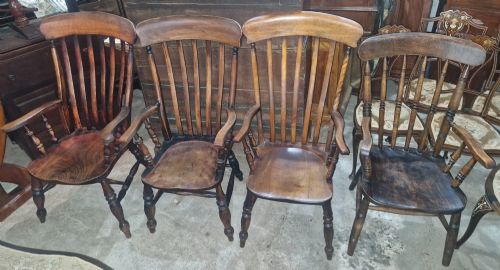
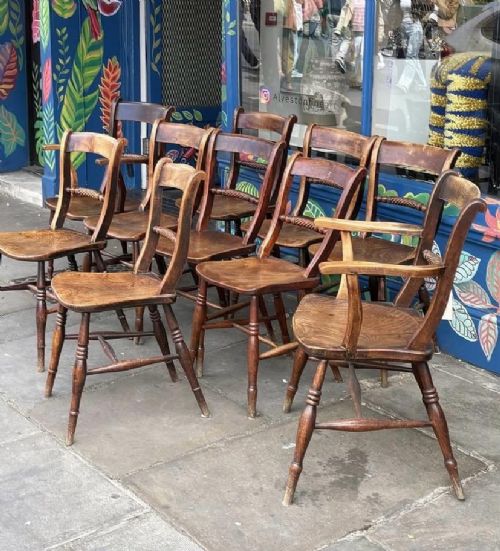
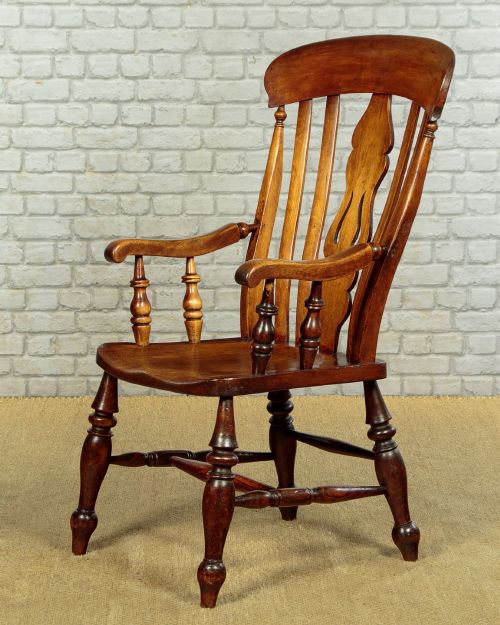
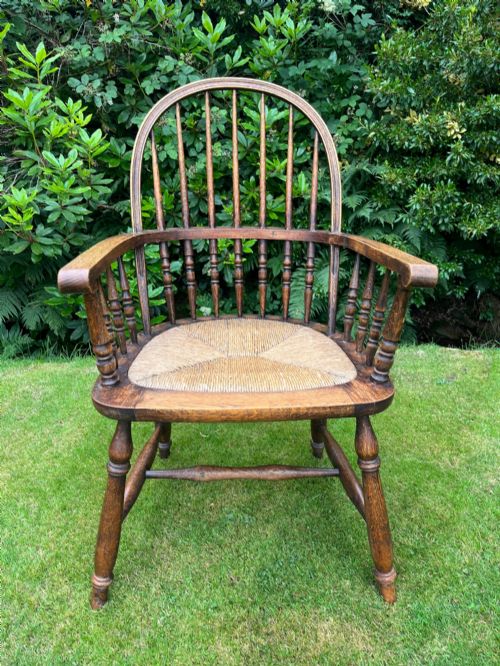
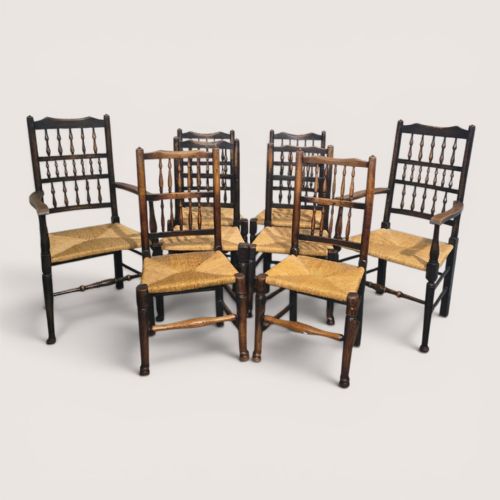
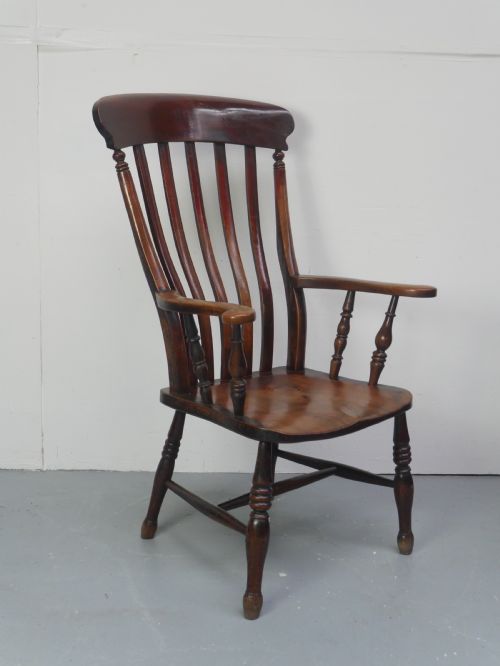
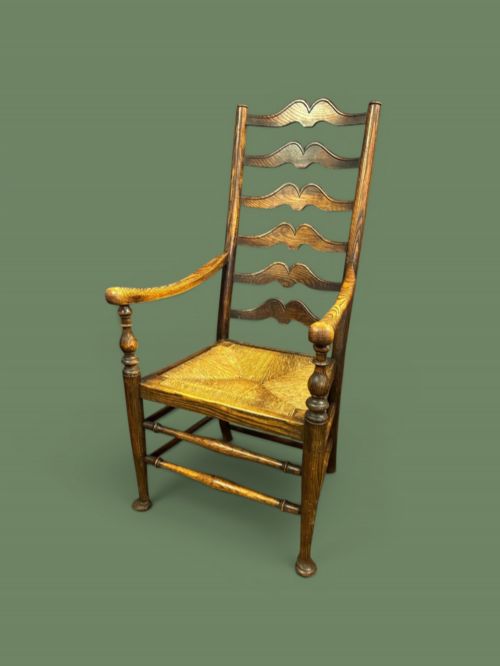
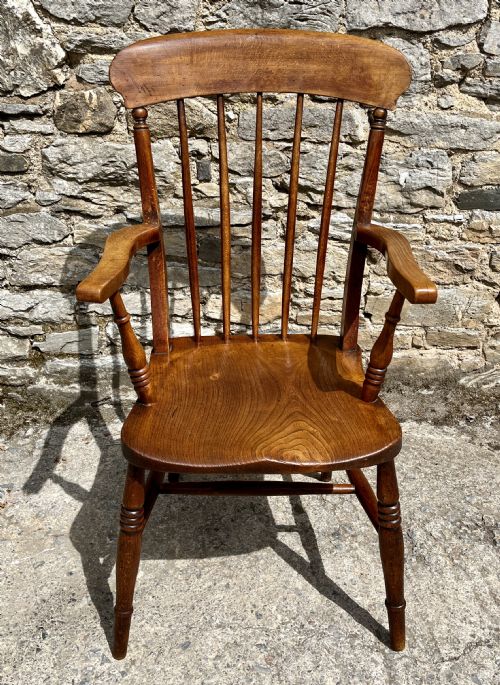
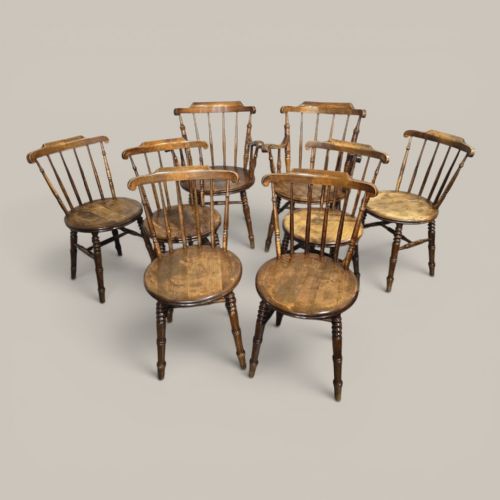
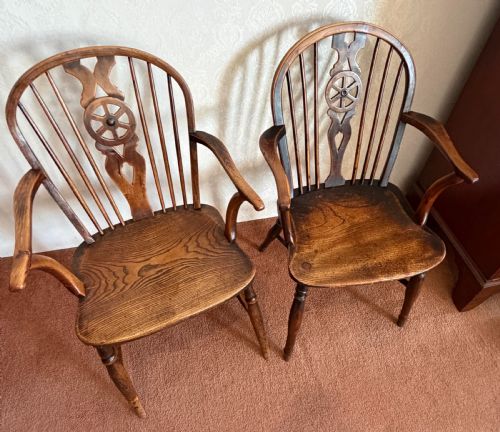
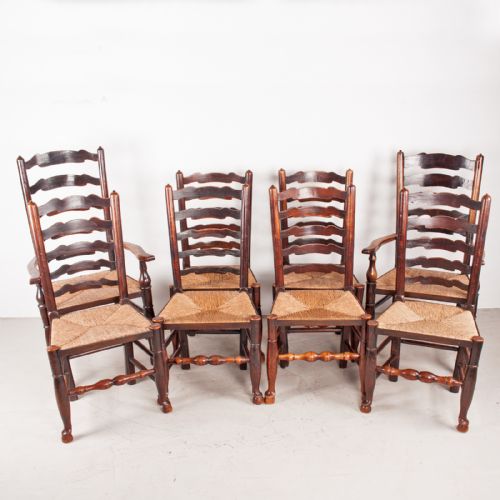
When searching for a rustic kitchen carver chair, buyers encounter robust domestic seating designed primarily for nineteenth-century and early twentieth-century farmhouses and country homes. These pieces typically manifest as Windsor armchairs, ladderbacks, or spindle backs built to withstand rigorous daily use in busy domestic settings.
The versions most common on this page span the Victorian era up to the nineteen-twenties, originating predominantly from English country workshops. They appear singly, in pairs, or as part of larger harlequin dining sets gathered around a kitchen table.
Makers focused on practical utility rather than formal courtly design, resulting in honest structural forms like hoop backs, lath backs, and stickbacks. The low-slung armrests and wide timber saddles provide the functional comfort defining the traditional carver.
Materials and construction
Country chairmakers relied on a combination of native hardwoods selected for specific structural duties. Elm provided the thick, dished saddle seats because its interlocking grain resisted splitting under pressure.
Ash, beech, and oak formed the turned legs, spindles, and steam-bent bow frames, offering high tensile strength and flexibility. Rush woven seating also appeared frequently on ladderback designs, providing a resilient and natural support surface.
Traditional joinery relied heavily on wedged tenons and turned components fitted while green or seasoned, ensuring the frames tightened with age. Surface finishes remained simple, usually consisting of natural wax or accumulated layers of old polish.
Materials recorded across these vernacular chairs include solid elm, ash, beech, oak, yew, rush, and fabric.
Assessing quality and proportion
Quality in these rural chairs rests upon the integrity of the timber selection and the retention of original structural components. Superior examples display deep, well-figured elm seats shaped by hand rather than flat machined boards.
The balance of the turned spindles and the harmonious sweep of the steam-bent arm bow distinguish finer vernacular work from utilitarian workshop output. Chairs retaining their original surface patination and unclipped legs stand distinctly apart from heavily sanded or altered pieces.
The Rustic Kitchen Carver Chair Glossary
- Carver
- An armchair designed to sit at the head of a dining table, featuring supportive armrests matching the side chairs.
- Windsor
- A chair constructed with a solid wooden seat into which the legs, back sticks, and bow are separately socketed.
- Ladderback
- A tall chair back constructed from horizontal wooden slats set between two vertical upright posts.
- Rush
- Woven marsh grass utilised to create durable, textured flat seating surfaces within ladderback frames.
- Spindle
- A slender, turned wooden rod used vertically to form the supportive backrest structure of country seating.
Rustic Kitchen Carver Chair: Frequently Asked Questions
How do I clean a wooden carver chair?
Wipe the timber surface gently using a slightly damp cloth to remove everyday dust and grime. Avoid harsh chemical cleaners that strip the historic wax and natural patination accumulated over generations.
Apply a traditional beeswax polish sparingly and buff with a soft brush to nourish the dry wood. Regular light maintenance preserves the historic finish without altering the character of the piece.
Can I mix these chairs with modern tables?
These country armchairs adapt well to contemporary dining spaces due to their honest materiality and organic forms. The contrasting textures of aged elm and ash soften sleek modern table surfaces effectively.
Ensure you check the clearance height beneath your table apron to accommodate the armrests of the carver. Placing two carvers at opposite ends of a plain table creates a striking focal point.
Are these chairs comfortable for long dinners?
Country carvers were originally built for practical tasks, yet many feature ergonomically dished elm seats shaped to fit the body. The inclusion of armrests provides natural upper body support during extended gatherings around the table.
Adding loose linen or wool squab cushions can enhance seating comfort without permanent modification to the antique frame. The upright posture encouraged by traditional spindle backs supports active dining.