


Rustic Iron Coffee Table
These rustic iron coffee table pieces combine sturdy metal framework with timber surfaces, offering durable centrepieces for traditional living spaces.
Rustic Iron Coffee Table
When buyers search for a rustic iron coffee table, they encounter repurposed storage trunks, garden tables, and low tables formed from iron and wood. These items originate from periods spanning the eighteenth century through to the early twentieth century.
The most common versions on this page are low tables adapted from older trunks, chests, and garden furniture. Styles range from French country and Victorian industrial to Spanish provincial and traditional Indian aesthetics.
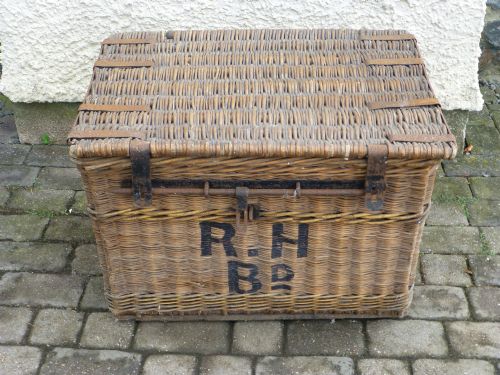
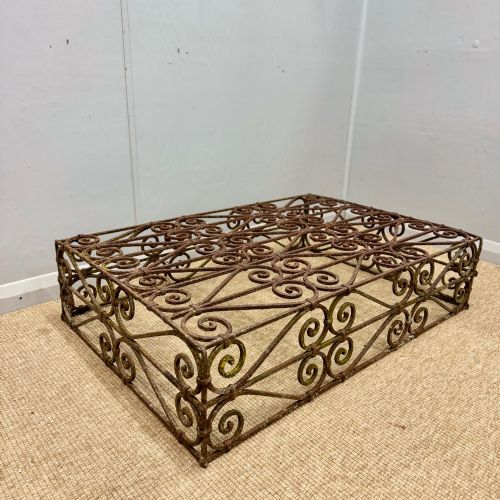
Forms include trunk coffee tables featuring iron hasps, garden low tables with strap work, and large trestle tables. Their sturdy construction suits contemporary living rooms requiring surface space combined with character.
How they were made
Construction relies on combinations of iron, wrought iron, and timbers such as pine, oak, elm, walnut, and teak. Metal components like straps, hasps, and bands provide structural reinforcement to wooden boxes and frames.
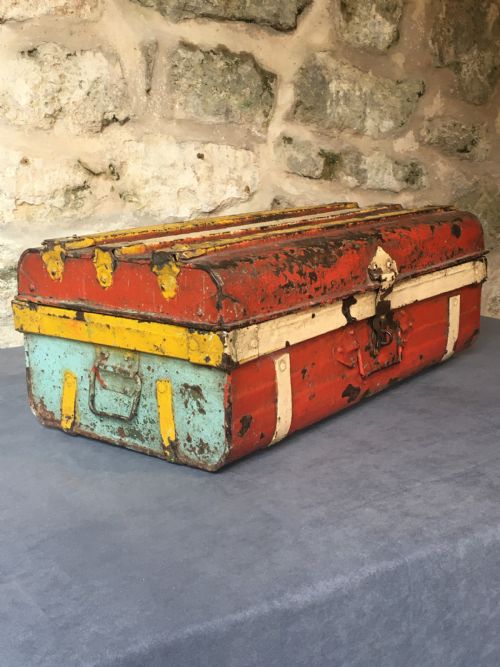
Joinery methods reflect utilitarian workshop practices from the eighteenth and nineteenth centuries, utilising heavy nails, iron braces, and solid wood planks. Surfaces often retain original painted finishes, natural wood grains, or weathered patinas developed through utilitarian use.
Current listings span the eighteenth century, nineteenth century, Victorian era, and nineteen-twenties, incorporating pine, elm, oak, and wicker.
What varies in quality
Quality differentiates by the integrity of the original materials and the balance of the conversion. Pieces retaining uncompromised structural ironwork alongside dense hardwood bodies stand apart from lighter, purely decorative interpretations.
The sophistication of the underlying object, whether an eighteenth-century trestle framework or a French elm cannonball box with carrying hoops, determines the level of craftsmanship. Integration of metal and wood without altering the primary character preserves the integrity of the piece.
The Rustic Iron Coffee Table Glossary
- Wrought iron
- Iron that has been heated and worked with tools by a blacksmith, producing a fibrous structure visible as a textured surface. This material provides durable support for heavy wooden tops.
- Strap work
- Metal bands applied across the exterior of trunks and chests to reinforce corners and seams. These additions provide both structural strength and visual detail.
- Trestle table
- A table constructed with a horizontal beam supported by two trestles or legs. This form offers stability for large wooden surfaces.
Rustic Iron Coffee Table: Frequently Asked Questions
What materials make up a rustic iron coffee table?
Listings feature combinations of iron, wrought iron, and various timbers including pine, oak, elm, walnut, and teak. Wicker and cane also appear in specific trunk designs.
Hardware elements incorporate metal straps, hasps, and carrying hoops to secure the wooden bodies.
How were these tables originally used?
Many examples began as storage trunks, carpenter chests, travelling luggage, or garden tables before conversion into low coffee tables. Their initial purpose was the secure transport or storage of tools, garments, and household goods.
Garden tables served outdoor dining or display functions, utilising weather-resistant iron and wood.
How do I identify the period of a piece?
Dating relies on construction methods, wood types, and hardware styles associated with eras such as the eighteenth century, Victorian period, and the nineteen-twenties. Hand-forged ironwork and dense timbers like elm or oak often indicate earlier eighteenth- or nineteenth-century origins.
Painted finishes and standardised metal bindings frequently point toward early twentieth-century production.
How do I live with a wooden and iron table?
These pieces function as durable centrepieces that withstand daily use in active living rooms. Their mixed material surfaces pair well with various interior styles ranging from French provincial to industrial.
Maintenance involves regular dusting of the ironwork and treating the timber surfaces according to their specific finish, whether painted, waxed, or raw.