
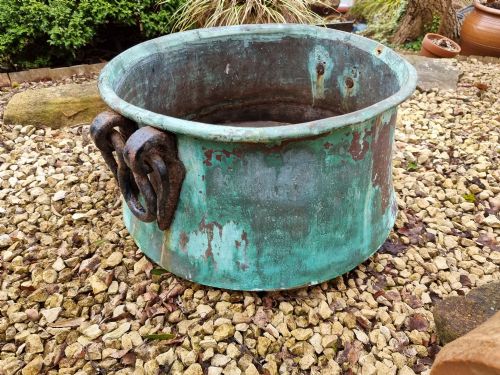


Rustic Green Planter
A rustic green planter brings character to a room or garden, combining utility and aged surfaces from the nineteenth and early twentieth centuries.
Rustic Green Planter
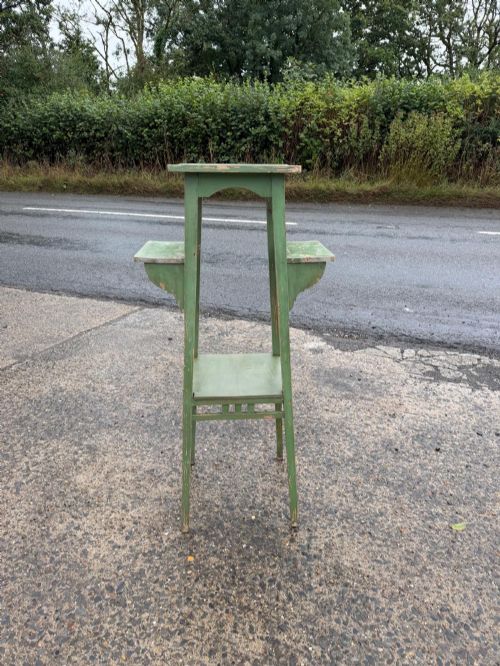
When you search for a rustic green planter, you encounter robust vessels originally built for daily toil rather than ornamental display. These include garden planters, log bins, plant stands, and green glazed terracotta confit jars spanning the nineteenth century up through the nineteen-forties. Styles range from Victorian industrial and French country to Welsh vernacular and rustic folk art.
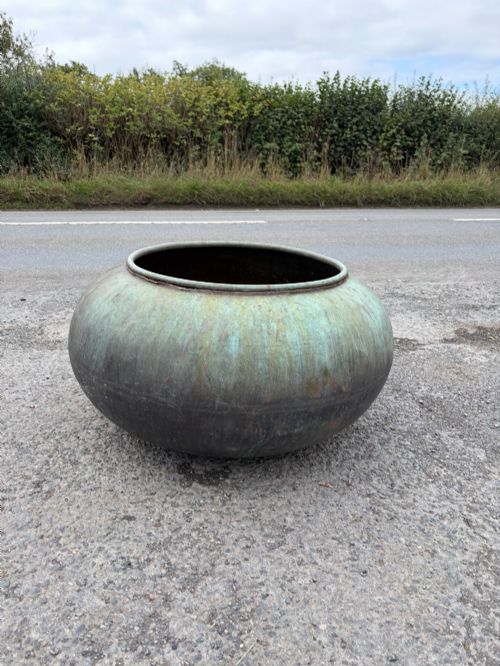
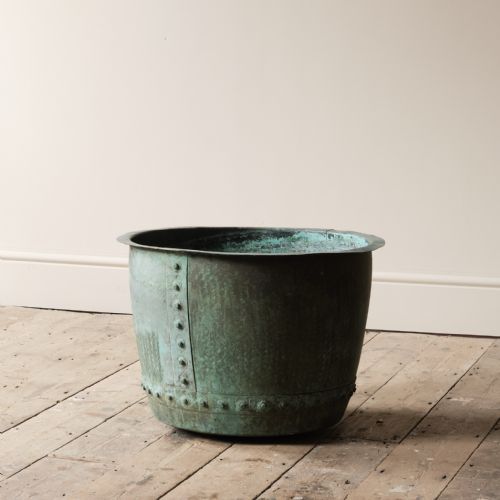
The most common forms on this page utilise durable utilitarian metals and carved timbers adapted for modern botanical display. Copper pots, riveted buckets, painted cast iron garden urns, and dug out sycamore planters populate the selection. Each piece bears the marks of age, from verdigris finishes to original paint layers.
How they were made
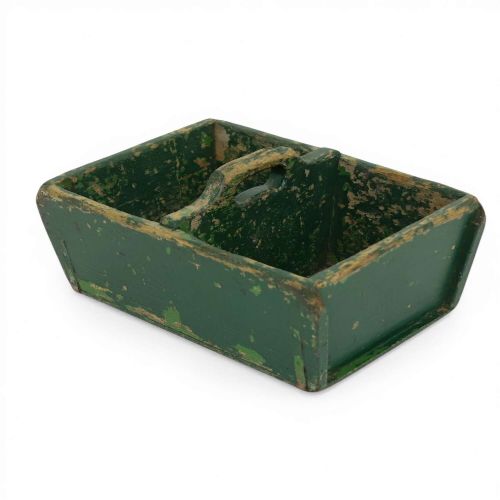
Makers fashioned these objects from heavy sheet copper, cast iron, sycamore, and terracotta, joining metals with visible rivets and bands. Copper pots and boilers received hand-beaten treatment, while wooden caddies and trugs relied on traditional carpentry and dug out construction.
Surfaces were finished with green paint, verdigris chemical processes, or natural lead glazes that weathered over decades of use. Iron urns were cast in foundry moulds, while terracotta jars were thrown by hand and finished with green glaze.
Listings feature items built from copper, iron, pine, terracotta, and painted steel across the nineteenth and early twentieth centuries.
What varies in quality
Quality rests in the integrity of the original construction and the character of the surface patination. Pieces that retain their honest working origins, such as untouched original green paint or natural verdigris accumulation, hold greater visual presence.
The thickness of the metal, the weight of the cast iron, and the stability of dug out timber determine the durability of the vessel. Superior examples display expert hand-riveting and proportion that balanced heavy loads of earth or wood.
The Rustic Green Planter Glossary
- Verdigris
- A green patina formed naturally on copper, brass, or bronze through atmospheric oxidation. This surface layer provides both protection and distinct visual age.
- Confit jar
- A glazed earthenware vessel traditionally used in France for food preservation. These pieces feature robust handles and rich, protective glazes.
- Trug
- A shallow horticultural basket traditionally made from split wood or artisan boards. They served for gathering produce and carrying garden supplies.
- Jardiniere
- An ornamental pot or stand designed to hold live plants or floral arrangements. They appear in various materials including painted milk churns and ceramic.
- Riveted
- Joined together using heavy metal pins hammered flat at the ends. This technique ensured watertight and stress-resistant seams on copper vessels.
Rustic Green Planter: Frequently Asked Questions
Can I use these planters outdoors?
Many of these pieces were constructed for demanding outdoor or agricultural environments using copper, iron, and terracotta. They withstand garden conditions well, though freezing weather can affect porous materials like terracotta.
Copper and painted steel develop further character when exposed to the elements. Ensure adequate drainage where necessary to protect both the vessel and the plant.
How do I clean an antique copper planter?
Maintenance depends entirely on whether you wish to preserve the aged surface or restore a bright metallic shine. Most collectors prefer to keep the natural verdigris and dark patination accumulated over the centuries.
Gentle washing with warm soapy water removes dirt without harming the historic finish. Avoid harsh chemical abrasives that strip away the authentic surface layers.
How do I date a painted cast iron urn?
Dating cast iron involves examining the casting texture, the complexity of the mould lines, and the layering of the paint. Victorian and later industrial pieces show specific foundry marks or construction traits typical of the nineteenth and mid-twentieth centuries.
Original paint layers provide strong clues to the era of manufacture. Flaking patterns and surface wear develop naturally across decades of use.