
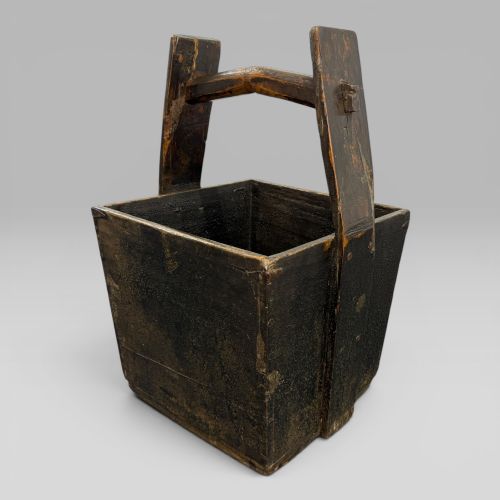
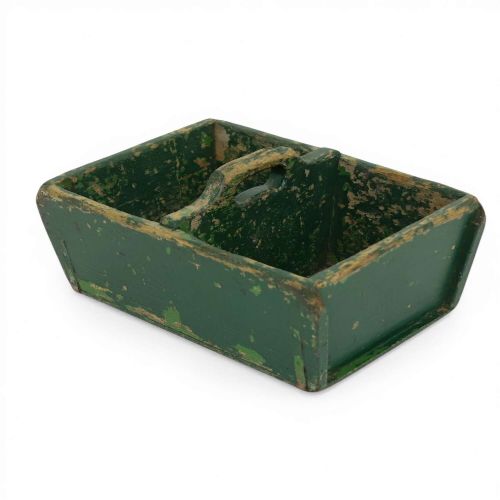


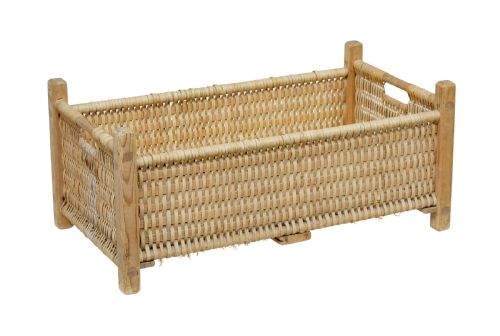


Rustic Wooden Basket
A rustic wooden basket brings honest utility and warmth into a room, fashioned from pine, oak, or elm for daily storage and hearthside use.
Rustic Wooden Basket
A rustic wooden basket serves practical storage needs, frequently appearing as a log basket, log bin, or trrug designed for harvest, garden, or hearth. Pieces matching this search phrase range from nineteenth century examples to items dated around 1920, reflecting vernacular traditions across English, Welsh, Scandinavian, French, and Chinese provincial origins.
The most common forms on this page include hand-woven pine baskets from Scandinavia alongside coopered oak barrels and robust trugs intended for heavy work. Makers utilised native timbers such as pine, oak, and elm, often pairing the wood with iron or steel bands for structural strength.
Period pieces span the Victorian and Edwardian eras, with nineteenth century items dominating the selection. Buyers encounter objects tailored for specific historical tasks, including truffle collecting, grape gathering, and costermonger trade.
Materials and construction
Construction relies heavily on traditional carpentry and hand-weaving techniques applied to local timbers. Pine, oak, elm, and wood splint form the primary bodies, shaped through cooperative barrel-making or meticulous hand-weaving.
Metal reinforcement remains central to durability, with iron and steel bindings securing staves and handles. These iron-bound additions ensured that heavy loads of logs, earth, or harvest produce could be carried safely without splitting the timber.
Among the harvest carriers and log bins rests a specialised truffle collecting trrug from the Black Forest.
Distinctions in quality
Quality rests in the integrity of the joinery and the resilience of the materials used. Robust construction, such as tight iron binding on coopered oak barrels or securely woven pine splints, separates sturdy utility items from purely decorative pieces.
The honesty of the materials and the clarity of the regional hand-craftsmanship dictate the character of each piece. Surviving hardware, original handles, and uncompromised structural timber denote superior execution by makers working within vernacular traditions.
The Rustic Wooden Basket Glossary
- Coopered
- A method of construction where tapered wooden staves are fitted together side by side and bound with metal hoops to form a vessel such as a barrel or log bin.
- Trug
- A shallow horticultural container or basket traditionally used for gathering garden produce, flowers, or truffles.
- Vernacular
- Architecture or object design created by local artisans using regional materials and traditional methods, without formal academic styling.
- Splint
- Thin strips of wood peeled or sliced from a log and interwoven to create flexible yet durable basket walls.
Rustic Wooden Basket: Frequently Asked Questions
What were rustic wooden baskets used for?
These pieces served demanding physical tasks in agriculture, forestry, and domestic life, acting as harvest carriers, garden trugs, and grape bins.
Over time, many of these utilitarian containers transitioned into domestic settings for holding hearth logs, textiles, and general storage.
How do I date a wooden basket?
Dating relies on examining the timber species, manufacturing marks, tool traces, and the style of iron or steel reinforcement used.
Nineteenth-century items often display hand-forged iron bindings and distinct hand-planed or hand-woven surfaces characteristic of regional craftsmanship.
How should I care for antique wood?
Keep wooden pieces away from direct heat sources and drastic humidity changes to prevent the timber from splitting or warping.
Applying a light, neutral wax occasionally helps nourish dry pine or oak while preserving the historic surface finish.
Where do these baskets originate?
The listings encompass diverse regional traditions, including Scandinavian country workshops, English and Welsh vernacular makers, and French provincial origins.
Each region utilised local timber supplies and distinct construction methods suited to their specific agricultural and domestic needs.