
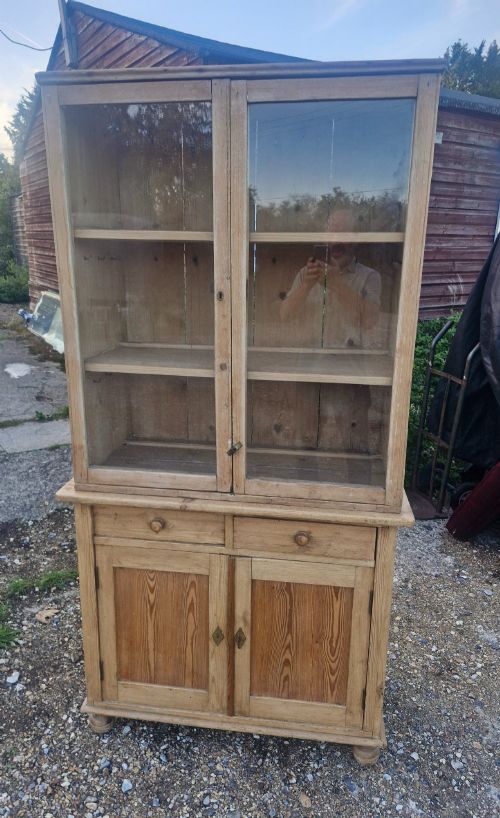
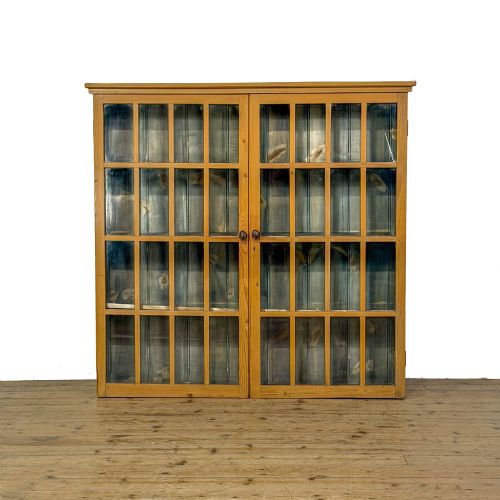
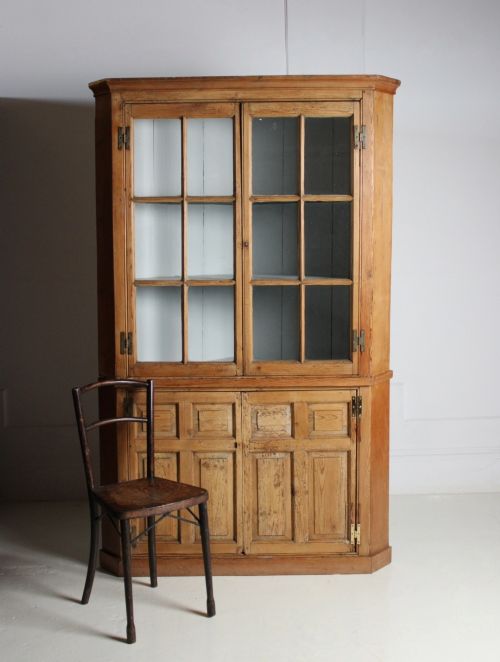
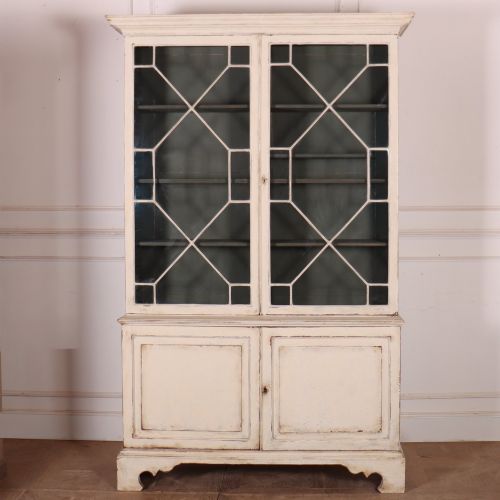
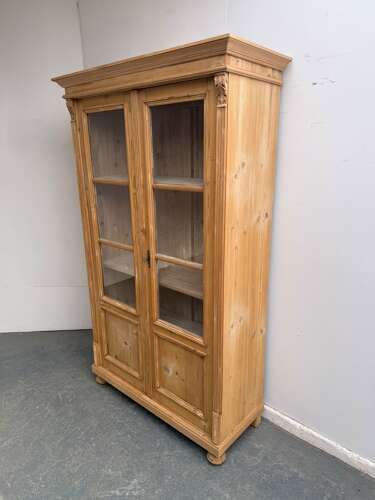
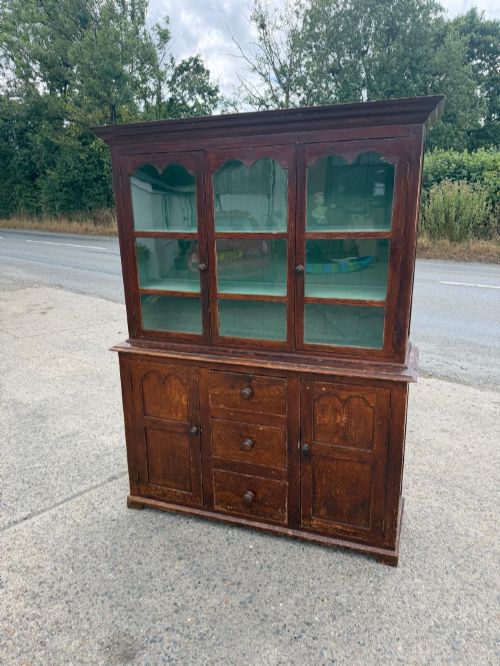
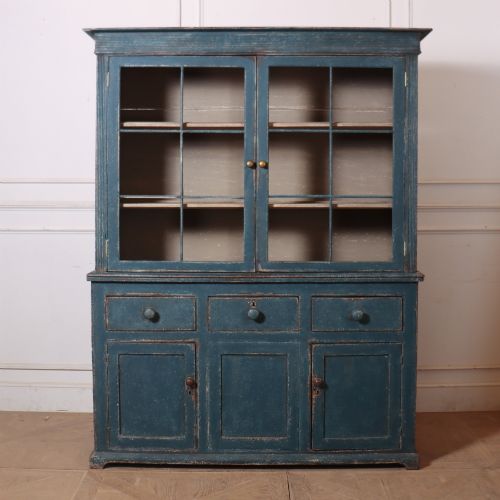
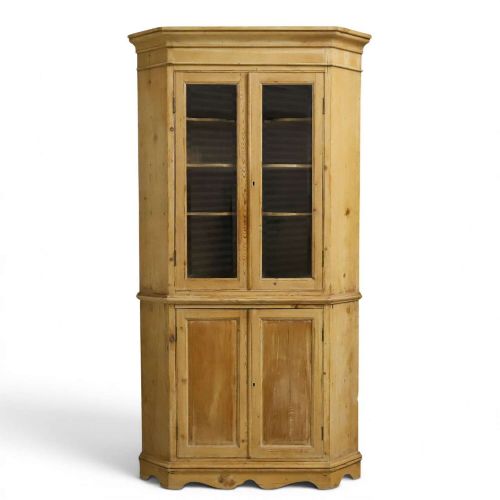
Rustic Glazed Display Cabinet
A rustic glazed display cabinet brings practical storage and glass-fronted visibility to rooms needing traditional character.
Rustic Glazed Display Cabinet
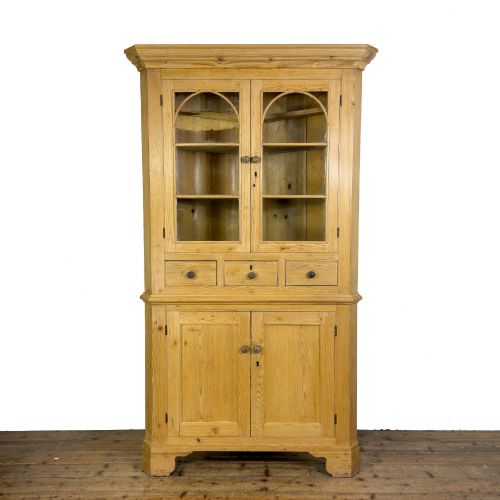
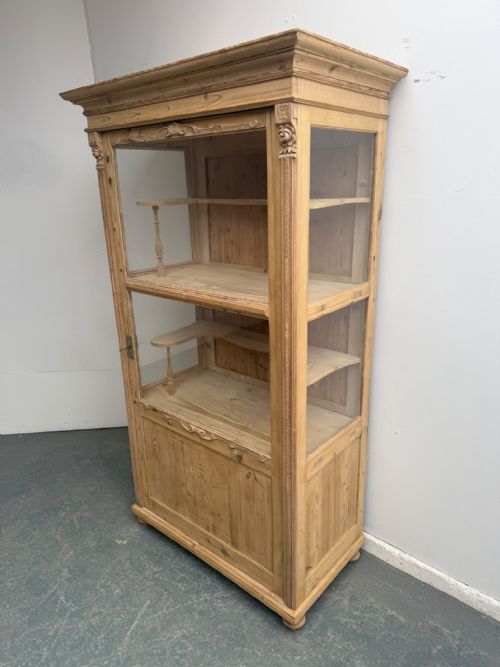
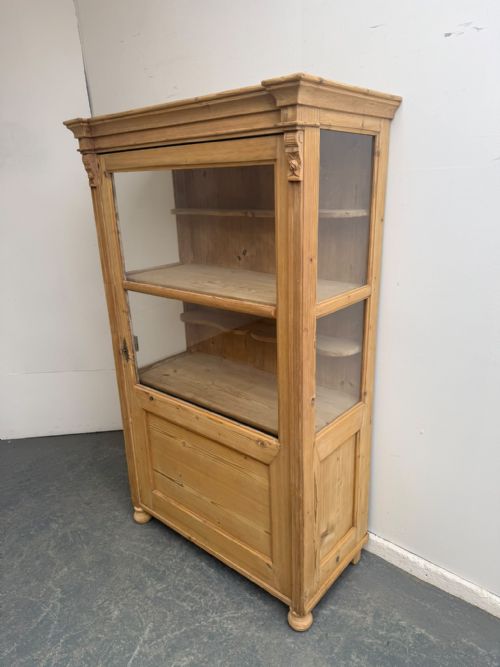
A rustic glazed display cabinet combines wooden cabinetry with glass doors to show ceramics, books or provisions. Pieces matching this search phrase span centuries from the eighteenth through to the early twentieth century.
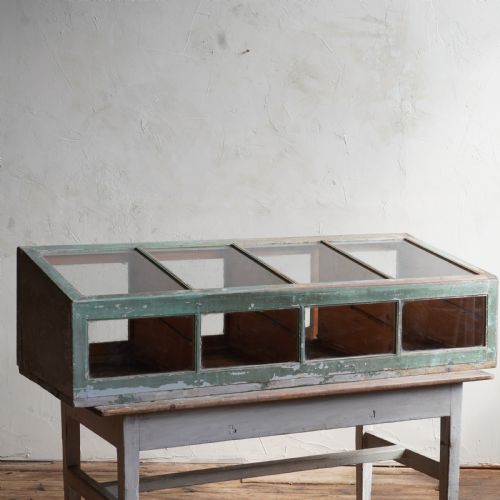
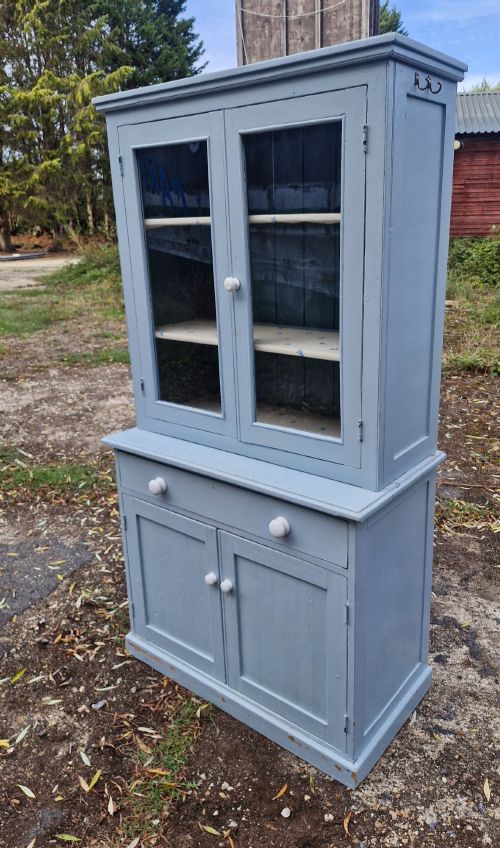
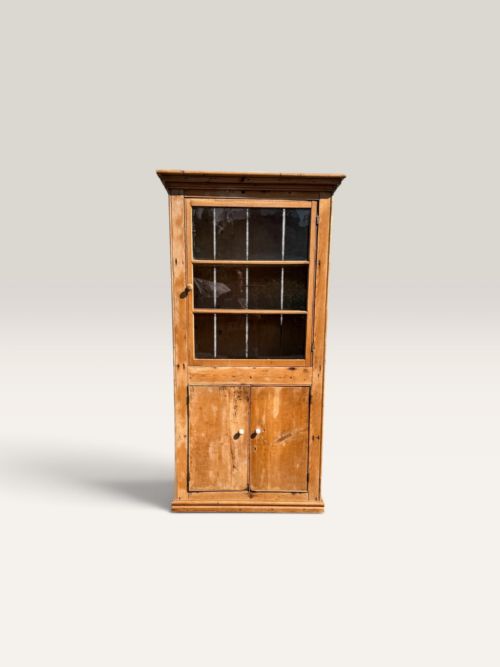
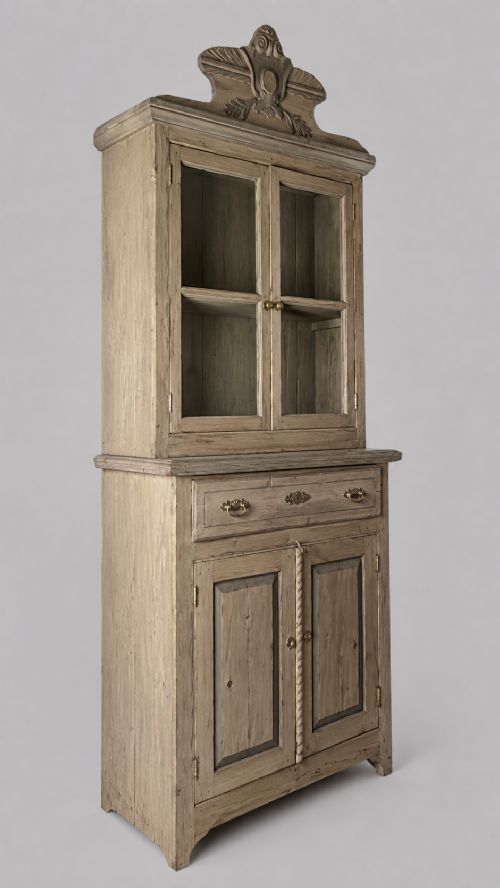
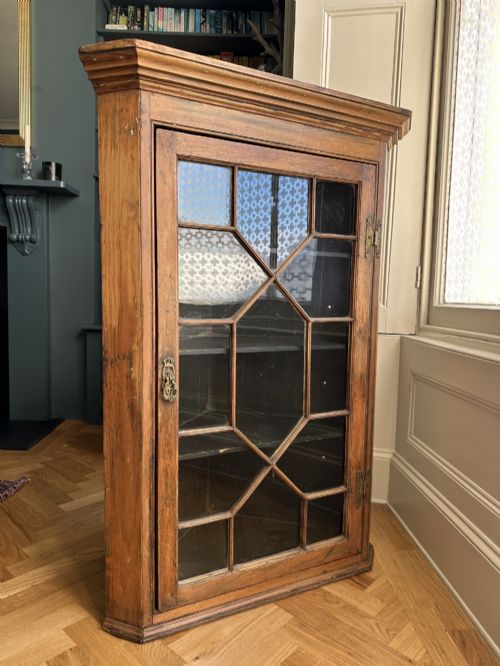
The selection ranges from tall kitchen dressers and corner cupboards to countertop cases and two-part cabinets. Pine dominates the forms, alongside oak, mahogany and walnut.
Origins stretch across English, French, Italian, Hungarian and Welsh traditions. Regional vernacular details define the construction of each piece.
Materials and construction methods
Solid pine and oak provide the primary structural framework for these cupboards and dressers. Joinery relies on traditional methods suited to domestic utility.
Glass panels are fitted into wooden doors to protect contents while allowing visibility. Surfaces frequently show layered paint, wax or stripped finishes alongside brass and iron hardware.
Listings span the eighteenth, nineteenth and early twentieth centuries, featuring pine, oak, mahogany and walnut forms.
Assessing construction and surface quality
Quality rests upon the integrity of the timber and the handling of original surfaces. Early examples display regional joinery traits that distinguish local workshop output from later production.
The preservation of original paint finishes, glass panes and internal fittings elevates a piece. Alterations or later surface treatments alter the character of the timber.
The Rustic Glazed Display Cabinet Glossary
- Vitrine
- A glass-fronted cabinet designed for displaying objects or books. These pieces often feature multi-pane doors.
- Dresser
- A dual-purpose piece combining base cupboards with upper shelving or glazed display sections. They originate primarily from country kitchens.
- Two-part form
- Construction using separate upper and lower sections stacked together. This method aids transportation of large cupboards.
- Corner cabinet
- A triangular cupboard built to fit room angles. These make efficient use of domestic space.
- Distressed paint
- Surface wear showing layers of historic decoration. This finish is common on vernacular country furniture.
Rustic Glazed Display Cabinet: Frequently Asked Questions
How do I date a pine display cabinet?
Dating relies on construction methods, timber preparation and hardware styles. Eighteenth and nineteenth-century examples show hand-tool marks and older joinery techniques.
Later pieces from the twentieth century often incorporate machine-cut elements and standardised fittings while retaining traditional forms.
Where were these cabinets originally used?
These pieces served in domestic kitchens, dining rooms and shops for storing and showing provisions or household goods. Regional variations reflect local storage needs.
Kitchen dressers and food cupboards held tableware and dry goods, while countertop cabinets served retail environments.
Can I paint or wax a stripped pine cabinet?
Many pine and oak cabinets accept traditional wax finishes or layered paint applications. Historic pieces often present multiple surface treatments over time.
Applying wax or paint depends on whether the timber retains its original finish or has previously been stripped down to bare wood.
What is the difference between a dresser and a vitrine?
A dresser typically combines lower cupboards with open shelves or an enclosed upper section for kitchenware. A vitrine focuses on glass panels for display purposes.
Both forms appear across English and continental European country traditions using pine, oak and mahogany.