
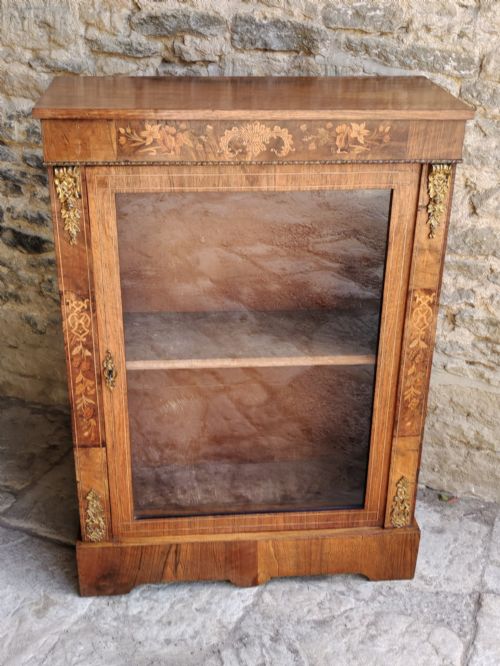
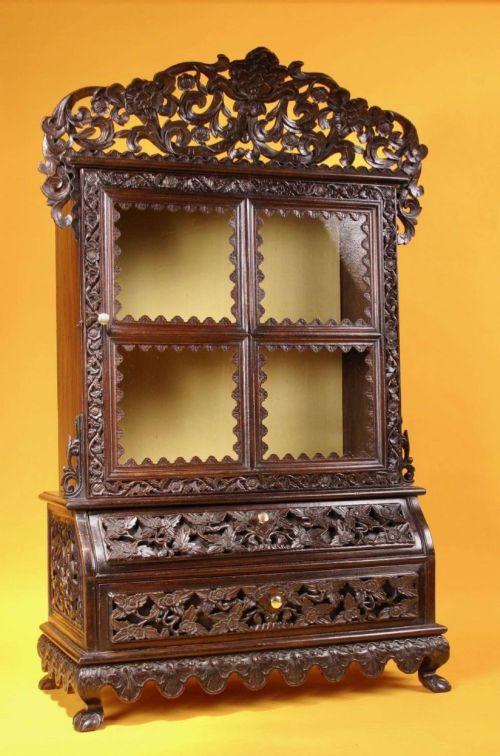
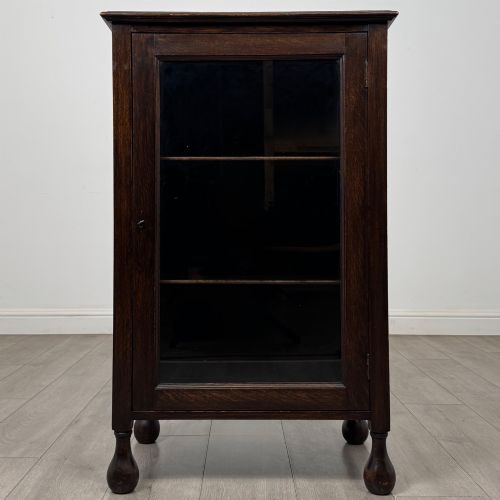
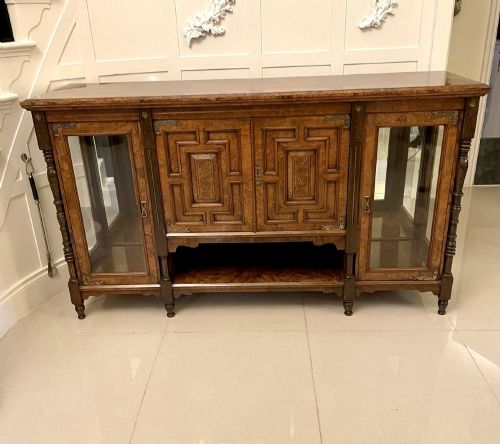
Glazed Wood Display Case
A glazed wood display case protects and showcases prized possessions, uniting fine cabinet-making with clear glass fronts.
Glazed Wood Display Case
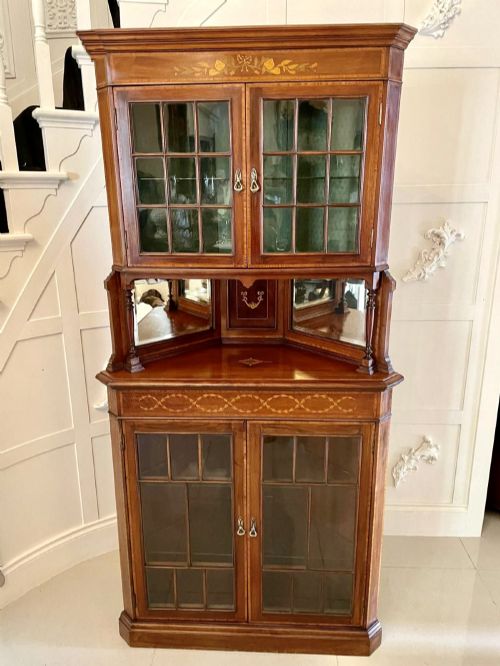
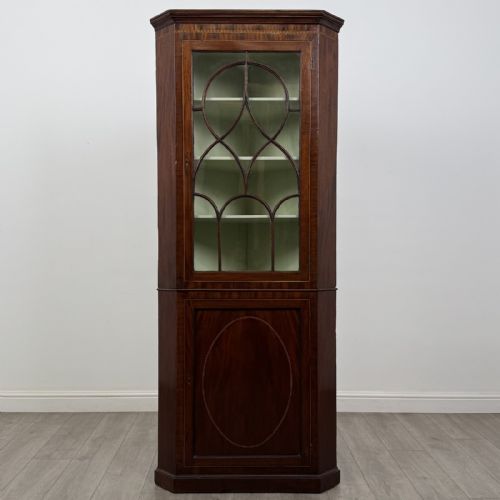
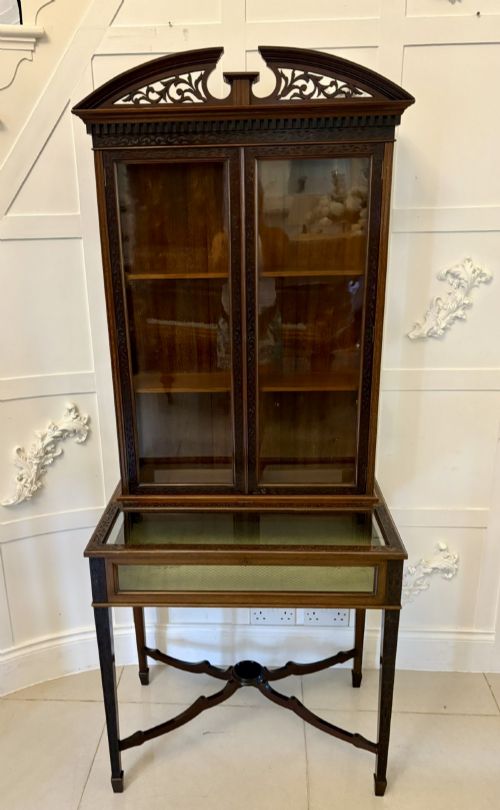
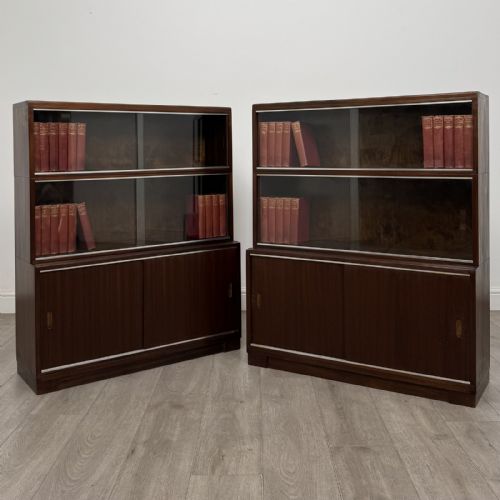
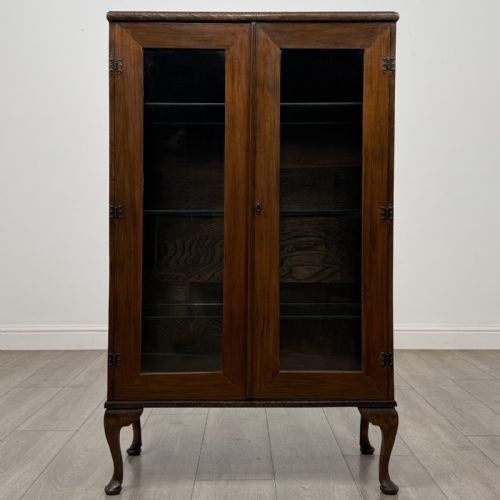
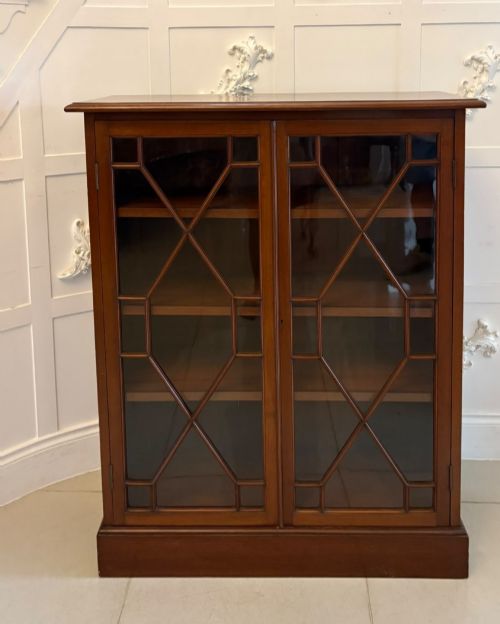
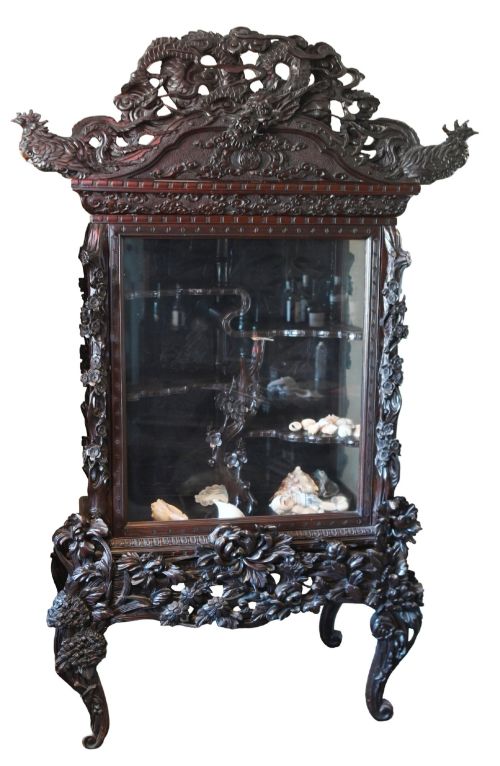
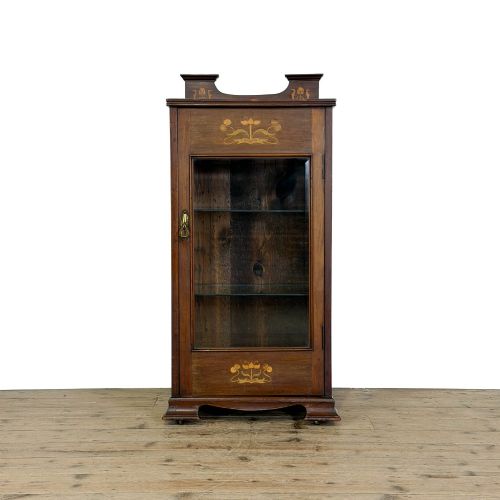
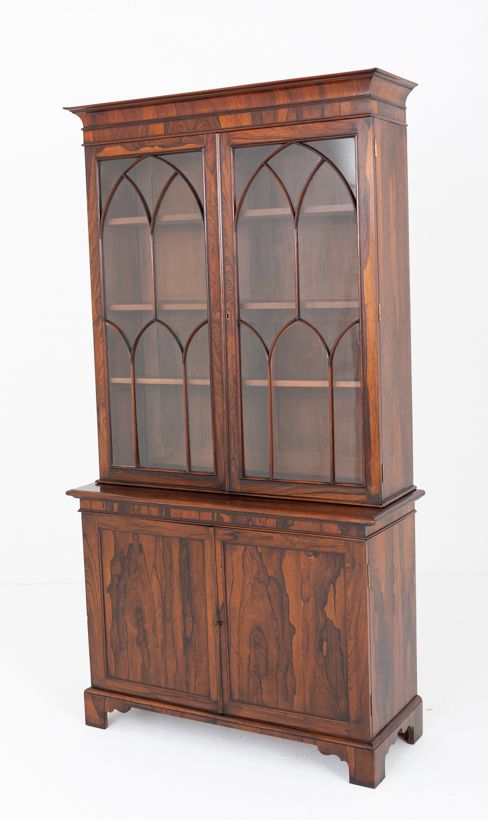
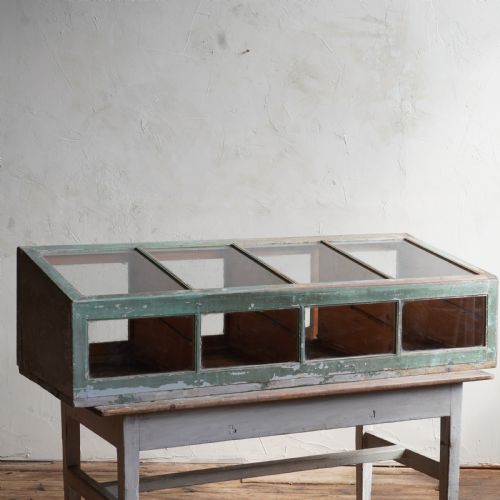
When you search for a glazed wood display case, you encounter floor-standing bookcases, wall-hanging cabinets, and tabletop vitrines spanning the Georgian, Victorian, and Edwardian eras. These pieces range from substantial mahogany breakfront libraries to small countertop cases and specialised entomology or taxidermy frames.
Victorian and Edwardian iterations dominate the selection, often rendered in rich mahogany, walnut, or oak. Many incorporate glazed doors or panels designed to keep dust away from books, curiosities, or collections while maintaining full visibility from the room.
Specialist forms such as bijouterie cabinets, maritime shadow boxes, and corner cabinets also appear within the selection, offering tailored ways to display specific types of objects in domestic spaces.
Materials and construction
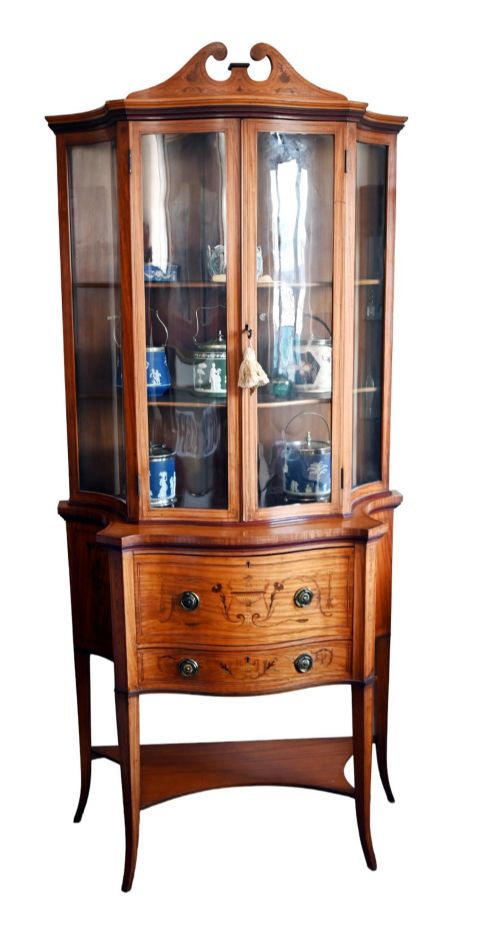
Makers utilised timber frames of mahogany, walnut, oak, and rosewood, frequently incorporating delicate satinwood or boxwood inlay and marquetry decoration. Structural integrity relied on traditional joinery, housing glass panes securely within timber or brass-mounted rebates.
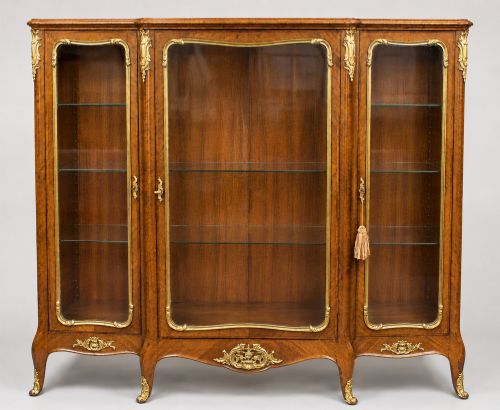
Surface treatments varied from polished French polish and wax finishes to painted schemes such as ebonising or distressed paint effects. Metal mounts in brass or ormolu frequently accentuate the glazed doors, hinges, and cornices of French and English vitrines.
A four-masted sailing ship diorama shares space with a parakeet taxidermy frame.
Judging quality
Quality rests upon the choice of timber figure, such as burr walnut or figured mahogany, and the crispness of any inlaid marquetry or carved detail. The proportional harmony of the glazing bars, known as astragals, dictates the visual elegance of the cabinet front.
Internal elements like adjustable shelving, silk- or velvet-lined backings, and original glass panes elevate a piece. Superior examples exhibit refined hardware, tight joinery, and well-balanced doors that hang true without sagging.
William Bazeley and Sons
The Glazed Wood Display Case Glossary
- Vitrine
- A glass-fronted display cabinet used for holding fine objects or porcelain. These cases often feature all-glass sides to maximise light penetration.
- Astragal
- A moulding that divides individual panes of glass within a glazed door or window. Fine astragals create delicate geometric patterns across the cabinet front.
- Bijouterie table
- A low display case table with a glazed top designed for showing small valuables, jewellery, or medals. They typically stand on slender legs at chair height.
- Breakfront
- A piece of furniture where the central section projects forward from the flanking wings. This architectural arrangement adds depth and visual rhythm to large bookcases.
- Marquetry
- Decorative veneer work assembled in patterns using various coloured woods or natural materials. It frequently adorns the friezes and doors of late Victorian and Edwardian cabinets.
Glazed Wood Display Case: Frequently Asked Questions
What is a glazed wood display case used for?
These cabinets serve to house and exhibit collections of books, ceramics, curiosities, and natural history specimens safely behind glass.
By keeping dust and handling at bay while maintaining high visibility, they allow owners to enjoy delicate items securely in daily living spaces.
How do I tell Victorian from Edwardian cases?
Victorian examples tend to use heavier timbers like mahogany and walnut with rich, dark patination and occasionally dense carvings or marquetry. Edwardian pieces often display lighter Sheraton Revival influences, utilising brighter mahogany with delicate painted satinwood highlights and airier proportions.
Examining the secondary woods inside and the style of decorative motifs helps clarify the exact period of manufacture.
Where should I place a wall cabinet?
Wall-mounted glazed cases suit smaller rooms or hallways where floor space remains at a premium. Hang them at eye level to comfortably view the contents within.
Ensure the wall construction can safely bear the combined weight of the timber frame, glass panes, and internal objects.
Can I adjust the shelves inside?
Many bookcases and larger cabinets feature adjustable shelving supported by traditional wooden racks or metal pins. This adaptability lets you accommodate books or taller decorative objects of varying heights.
Checking the listing details confirms whether the internal shelves remain movable or fixed in place.