


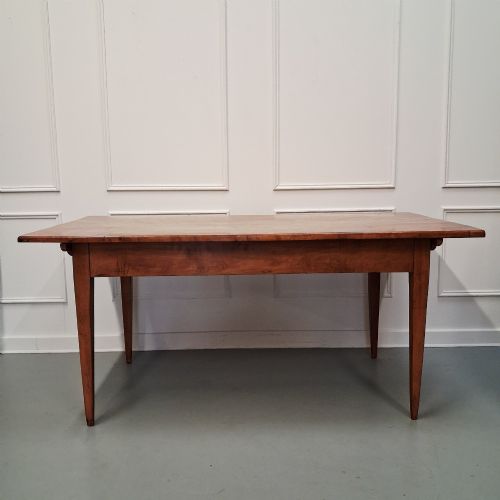
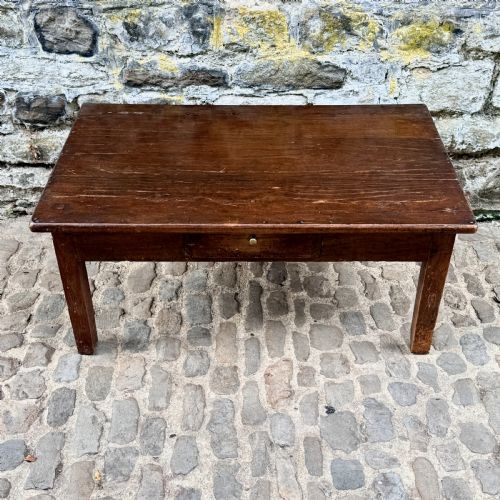
Rustic French Wooden Table
A rustic french wooden table brings everyday utility and solid timber character straight into a modern dining room.
Rustic French Wooden Table
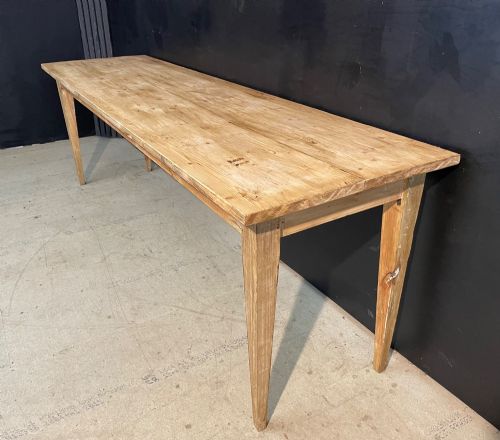
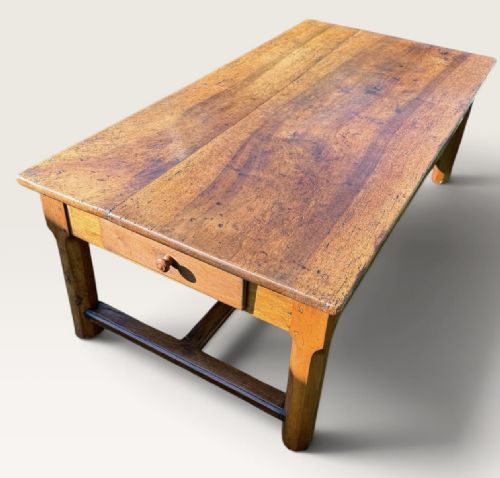
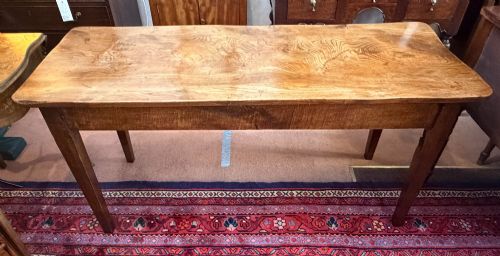
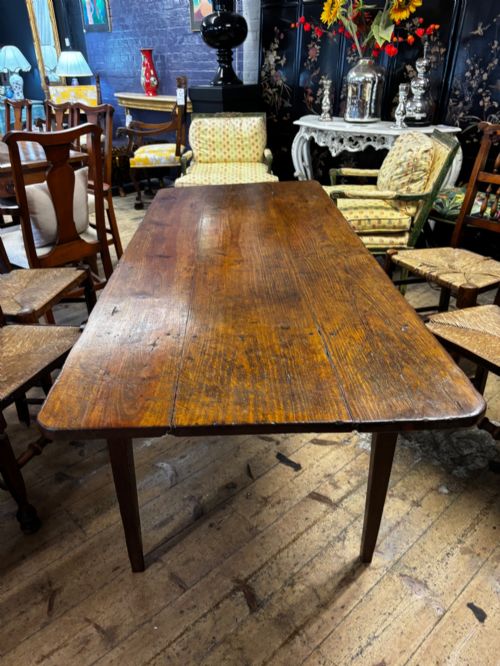
When searching for a rustic french wooden table, buyers encounter an array of heavy dining tables, refectory pieces, and work tables built for practical daily use. The examples seen here span centuries of rural craftsmanship, ranging from eighteenth-century cherrywood boards to nineteenth-century oak and fruitwood designs.
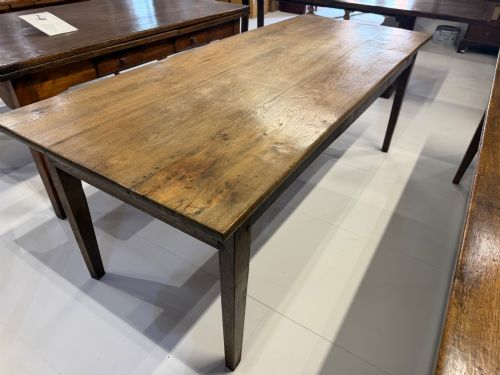
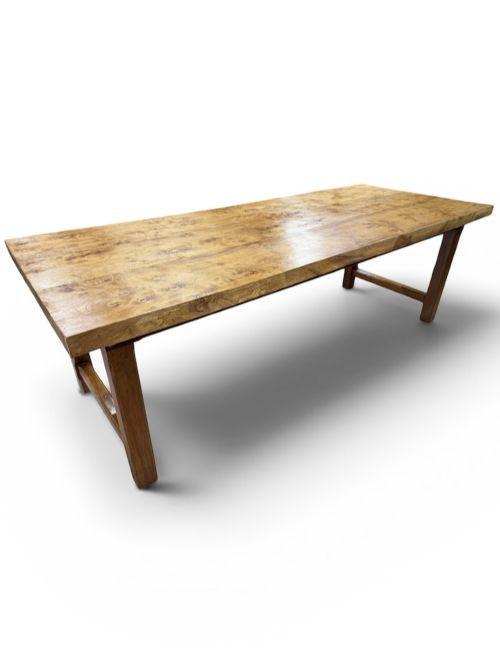
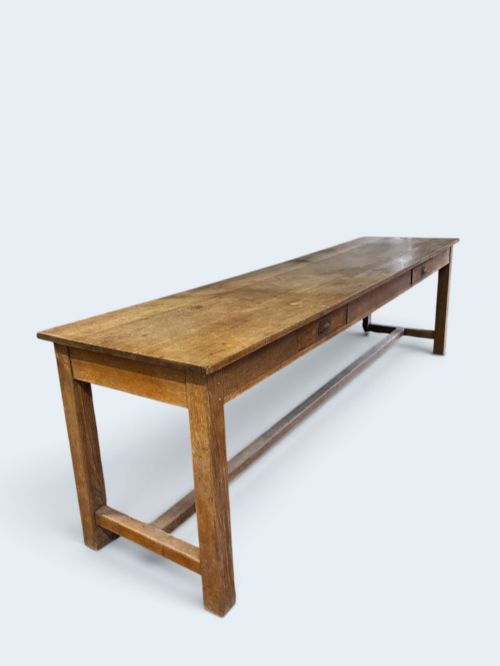
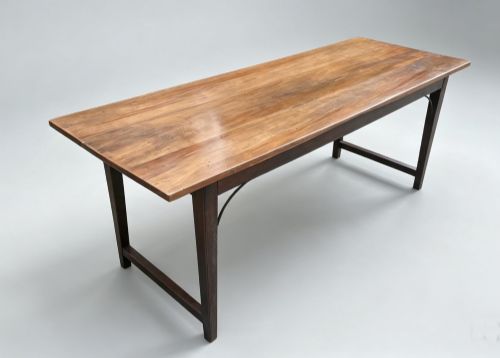
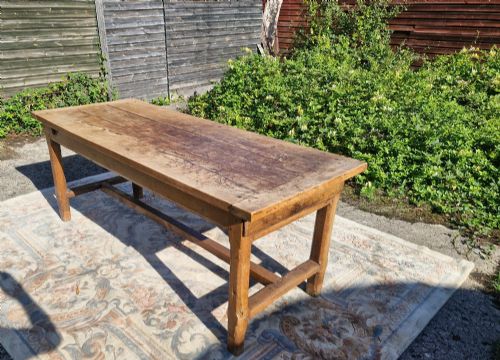
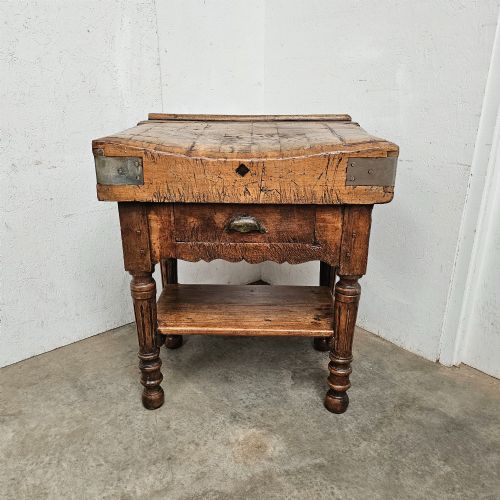
The most common form on this page is the farmhouse dining table, often featuring sturdy stretcher bases or simple tapered legs. Alongside standard dining formats, listings include specialised iterations such as butchers blocks, drapers tables, and compact console tables.
These items originate primarily from provincial workshops where utilitarian function dictated construction. Makers utilised local timbers available to them, resulting in varied regional characteristics across French country districts.
How they were made
Joiners constructed these tables using solid domestic hardwoods such as oak, fruitwood, beech, elm, and cherrywood, frequently pairing sturdy timber tops with robust frames. Many surfaces display the marks of multi-board construction, pegged joints, and hand-planed edges characteristic of provincial carpentry.
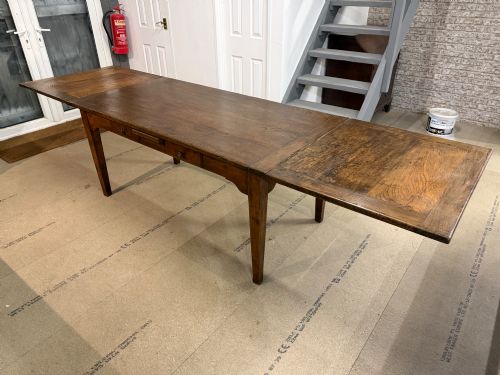
Iron fittings and draw mechanisms appear on specific functional forms like work tables and extending dining tables. Secondary woods such as pine and chestnut support the primary structural elements, while simpler pieces rely on unadorned timber legs and vernacular bases.
Listings feature items spanning from the eighteenth century through the Edwardian period, constructed from oak, pine, fruitwood, and iron.
What varies in quality
The distinction between ordinary and superior pieces rests in the choice of timber and the integrity of the original structure. Dense woods like oak and well-figured fruitwood yield surfaces with deeper patination and greater resistance to wear than softer or later replacements.
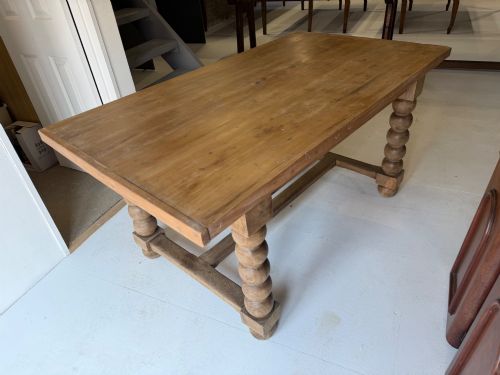
Proportion and execution define the better examples, where tapered legs, bobbin turnings, or original gnarled bases display deliberate design rather than crude utility. Untouched surfaces bearing the genuine scars of domestic service hold significantly more visual weight than heavily stripped or over-restored alternatives.
The Rustic French Wooden Table Glossary
- Refectory table
- A long, narrow dining table traditionally used in communal dining halls and later adopted in provincial homes. These tables typically feature strong stretcher bases to maintain stability over long spans of timber.
- Fruitwood
- Timber harvested from fruit-bearing trees such as cherry, pear, or apple, valued for its warm tone and fine grain. Cabinetmakers utilised it extensively in regional French furniture for both structural and decorative elements.
- Butchers block
- A thick, heavy wooden block utilised for food preparation, supported by a sturdy base or legs. The top consists of tightly joined end-grain timber designed to absorb the impact of chopping.
- Drapers table
- A long, wide table historically employed in fabric shops for measuring and cutting cloth, often fitted with lower tiers or drawers. These pieces translate well into modern domestic kitchens and serving spaces.
- Patina
- The surface sheen and colour developed by wood over decades of handling, cleaning, and exposure to light. Collectors prize an untouched patina for the historical depth it confers upon the timber.
Rustic French Wooden Table: Frequently Asked Questions
How do I choose the right size?
Measure your dining space carefully, allowing ample room for chairs to pull out comfortably around the perimeter of the table. Consider the everyday seating capacity you require, keeping in mind that older refectory and farmhouse formats often feature fixed stretcher bases that limit leg room.
Take note of the table height as well, as historical pieces occasionally sit lower than modern standard dining chairs permit. Reviewing the listed dimensions alongside your room layout ensures the proportions remain balanced.
Can I use a rustic table daily?
These tables were built precisely for heavy daily service in kitchens and dining rooms. Solid hardwood surfaces handle regular meals, family gatherings, and everyday tasks without structural strain.
Protecting the wood with simple maintenance preserves the historic surface while accommodating modern family life. Applying appropriate wax or natural oils helps guard against moisture without masking the character of the timber.
How do I care for antique timber?
Maintain the wood by dusting regularly with a dry cloth and addressing spills promptly to prevent staining. Avoid harsh chemical cleaners or silicone sprays that can damage the underlying wax and dry out the grain.
Periodically nourishing the surface with a quality beeswax preserves the moisture balance within the hardwood. Keeping the table away from direct heat sources and extreme humidity fluctuations prevents the timber boards from splitting.
What defines a refectory table?
A refectory table is distinguished by its elongated rectangular proportions and substantial length relative to its width. Heavy legs joined by low wooden stretchers provide the foundational stability necessary for such large timber spans.
Originally designed for communal dining spaces, these tables offer generous seating capacity along both sides. Their robust construction makes them a central focal point in contemporary country kitchens.
How do I spot provincial styles?
Provincial furniture reveals itself through regional construction methods and the use of locally accessible timbers such as fruitwood, elm, and beech. The joinery tends toward honest, robust utility rather than courtly refinement, featuring pegged joints and simple turned legs.
Details like two-board tops, deep aprons, and utilitarian drawers highlight the practical origins of these pieces. Each table reflects the specific material constraints and aesthetic traditions of its local French district.