




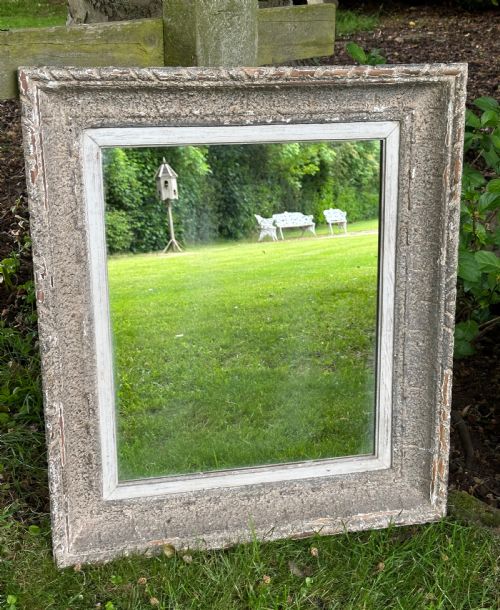


Rustic French Mirror
A rustic french mirror brings tactile warmth and age to a room, offering the charm of provincial life through weathered wood and painted surfaces.
Rustic French Mirror
A rustic french mirror is an essential element for adding depth and reflection to an interior space. These pieces draw upon French Provincial, French Country, and Victorian rustic traditions to create a lived-in aesthetic.
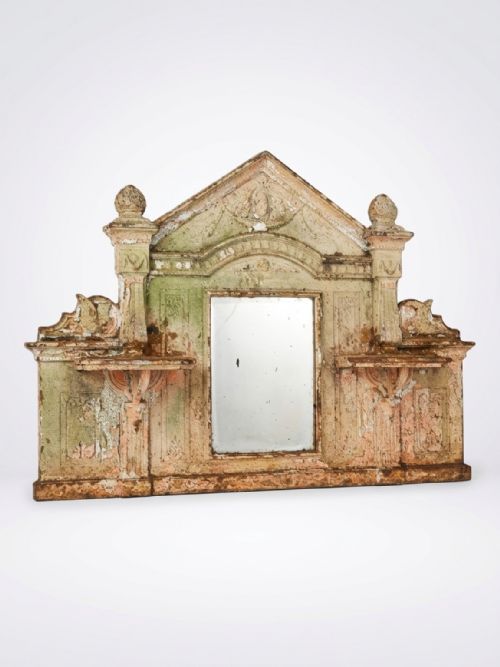
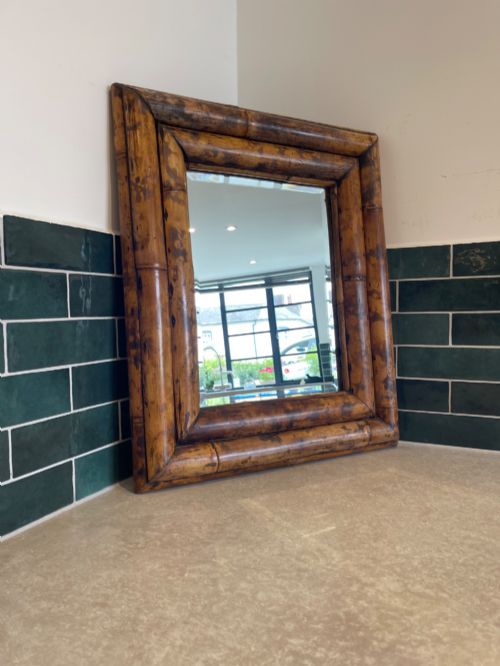
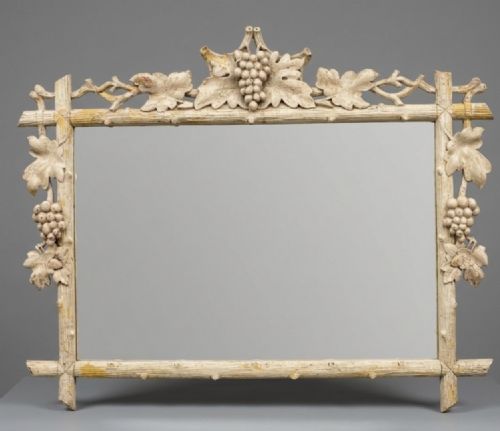
Buyers will encounter substantial oak frames, faux bamboo, and painted gesso finishes designed for domestic utility. Each item carries the marks of its regional origin and functional history.
What Varies in Quality
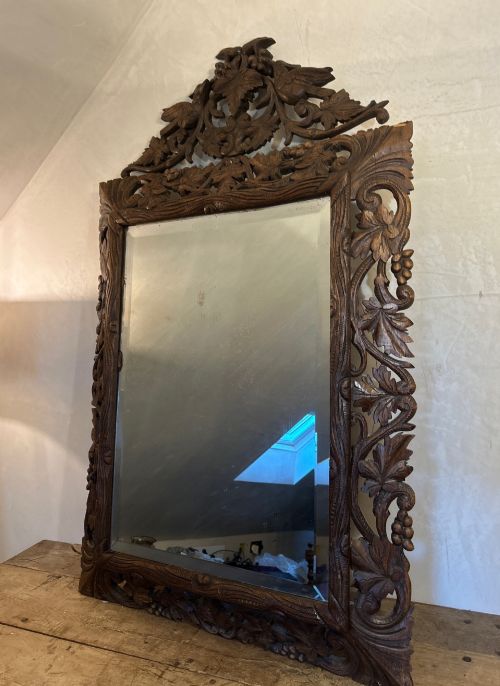
Depth of carving and the crispness of detail separate standard production from superior craftsmanship. Elaborate frames with deep relief work and well-preserved gesso surfaces demonstrate greater artisan skill.
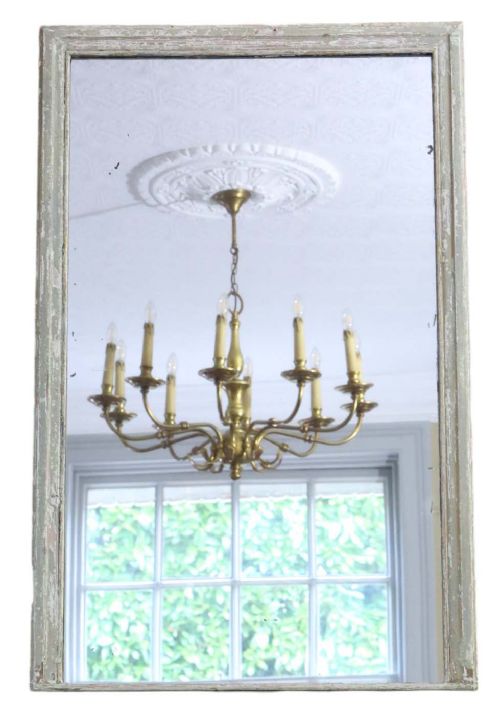
The integrity of the timber and the retention of original painted or scrubbed finishes dictate the character of the piece. Authentic period glass with natural foxing adds to the visual depth compared to modern replacements.
Listings demonstrate a strong presence of nineteenth-century oak, painted gesso, and faux bamboo materials across wall and overmantel forms.
The Rustic French Mirror Glossary
- Trumeau
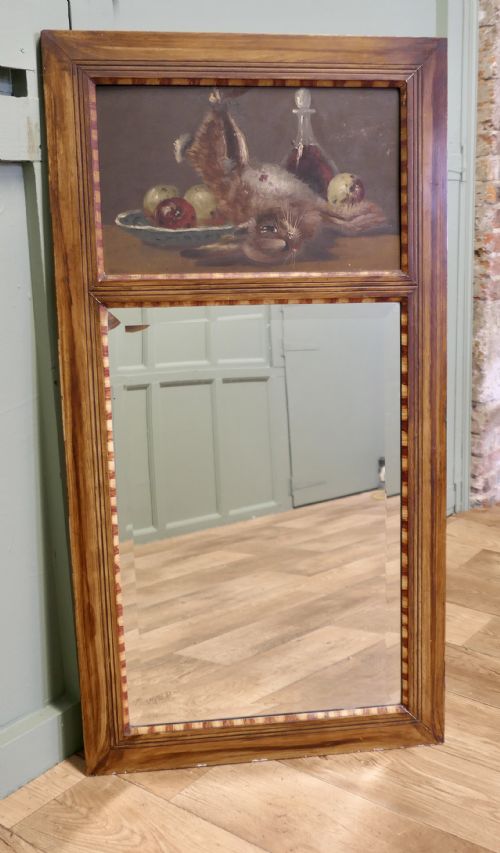
- A decorative wall mirror or panel featuring a painted scene or carving above the glass. These were traditionally built into the wood panelling of French interiors.
- Gesso
- A plaster-like mixture applied to wood frames to create a smooth surface for gilding or painting. It allows for intricate moulded details and relief work.
- Faux Bois
- An artistic imitation of wood grain applied to a surface. This technique was popular in nineteenth-century furnishings to simulate rarer timbers.
- Overmantel
- A large mirror designed to hang specifically above a fireplace mantelpiece. They often feature arched tops to mirror architectural openings.
- Pier Mirror
- A tall mirror designed to hang on the narrow wall space between two windows. They maximise light in traditional rooms.
Rustic French Mirror: Frequently Asked Questions
Where should I hang an overmantel mirror?
These large mirrors sit naturally above a fireplace mantelpiece to reflect light and anchor the room's main focal point. Ensure the wall fixings are robust enough to support the substantial weight of timber and glass.
They also function effectively on main living room walls where a large vertical proportion is required to balance high ceilings.
How do I clean an antique mirror glass?
Use a soft microfiber cloth and a mild, ammonia-free cleaning solution applied to the cloth rather than directly onto the glass. This prevents moisture from seeping behind the plate and damaging the original backing.
Take care around the edges of the glass and the surrounding wooden or gesso frame to preserve any historical patina.
What is faux bamboo furniture?
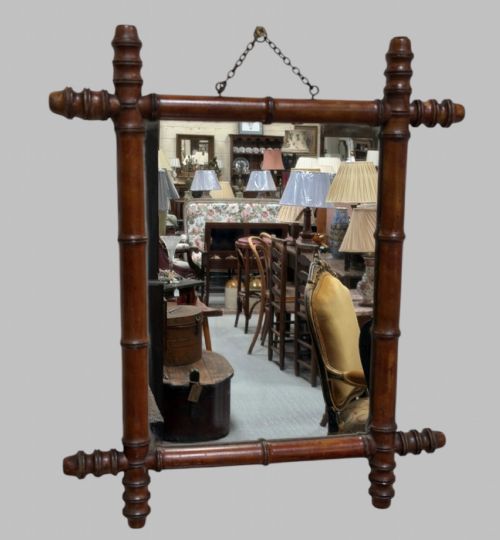
Faux bamboo involves carving or moulding wood to imitate the segmented stalks of natural bamboo. This decorative technique became fashionable during the Victorian era.
Craftsmen painted or stained the timber to complete the illusion, creating light and exotic-looking frames for mirrors and small furniture.
How do I date a nineteenth-century mirror?
Examine the construction methods of the wooden frame, the type of screws or nails utilised, and the condition of the mirror plate. Hand-carving and early paint layers point towards mid to late nineteenth-century origins.
Archival styles like French Provincial or Victorian Aesthetic Movement provide further stylistic clues to the decade of manufacture.