
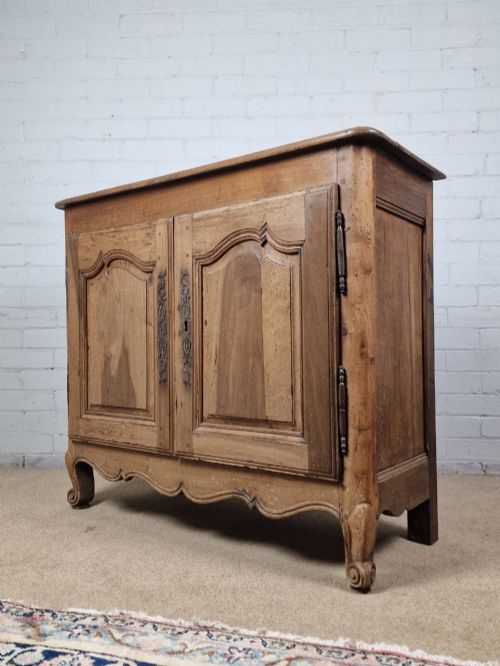
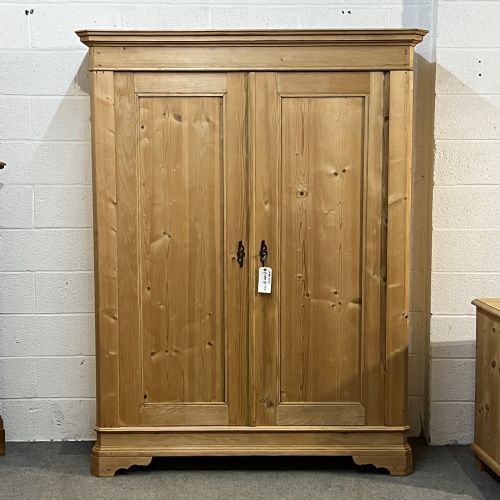
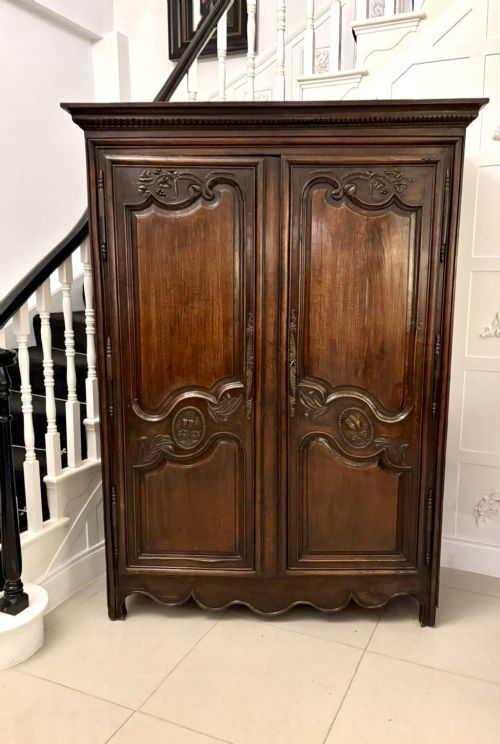
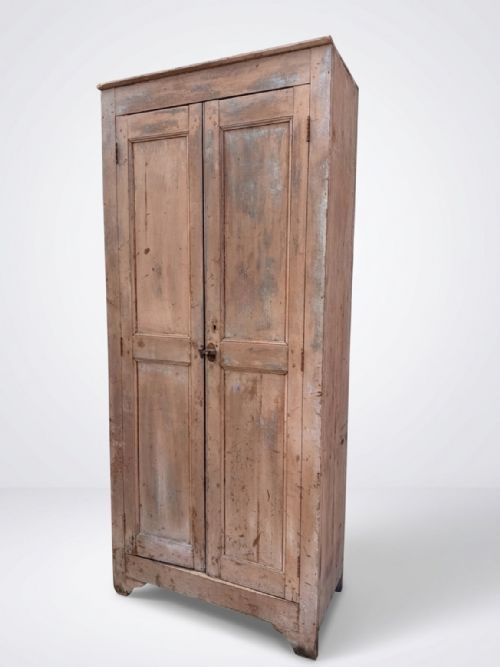
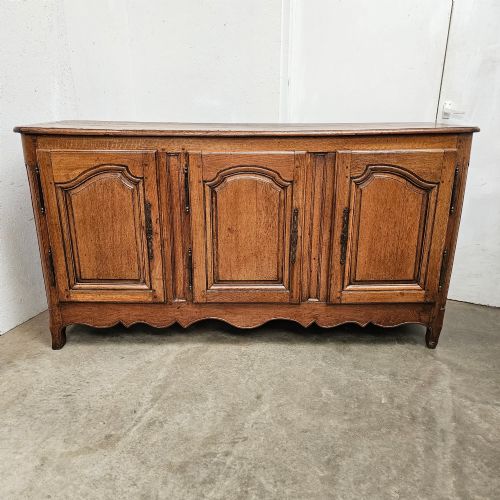
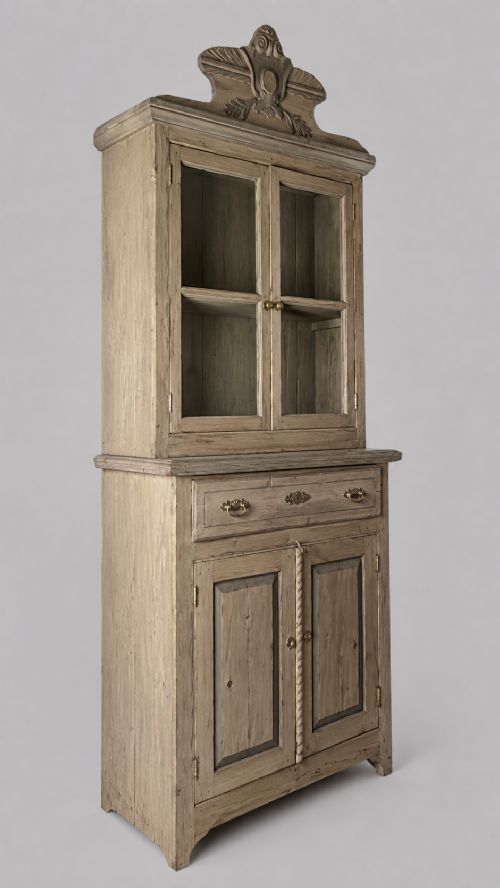
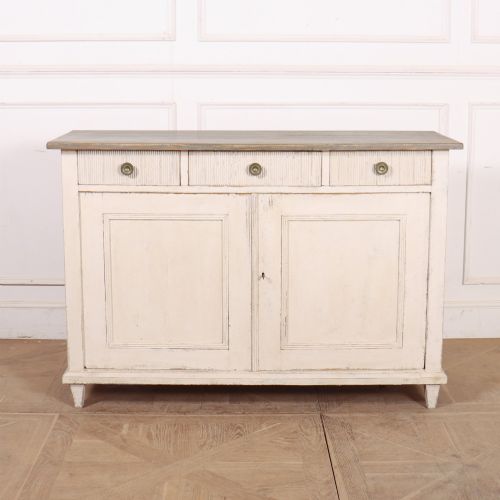
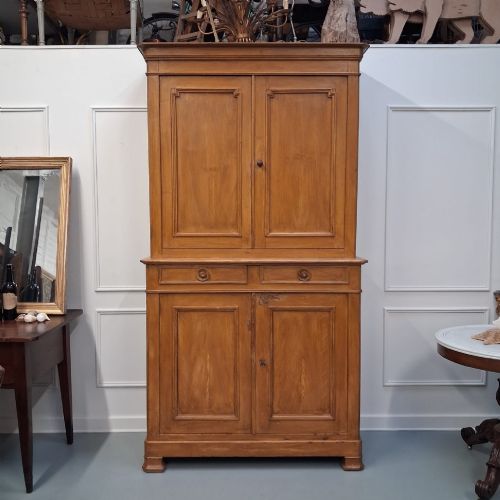
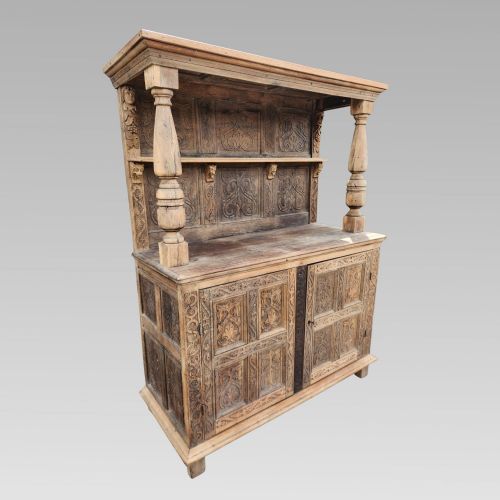


Rustic French Cupboard Cabinet
A rustic french cupboard cabinet brings provincial storage into a modern room through honest timber and regional craft.
Rustic French Cupboard Cabinet
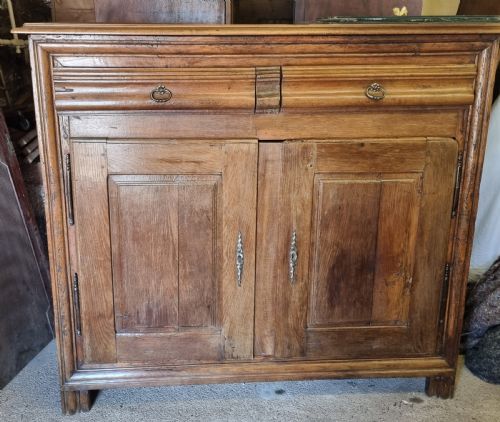
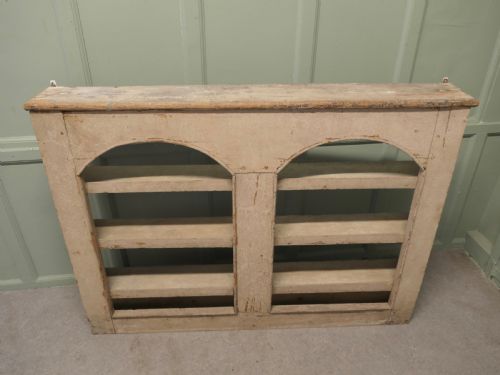
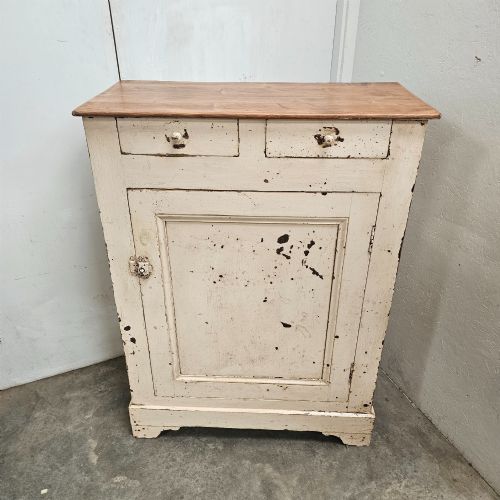
A rustic french cupboard cabinet covers a wide range of provincial storage forms, from tall armoires and two-piece buffets to smaller confituriers and bedside units. Buyers searching this phrase look for practical storage carrying the distinct regional character of French country life.
The pieces appearing here span several centuries, with the nineteenth and eighteenth centuries providing the majority of examples. Pine, oak, and chestnut dominate the forms, reflecting the local timber available to provincial makers.
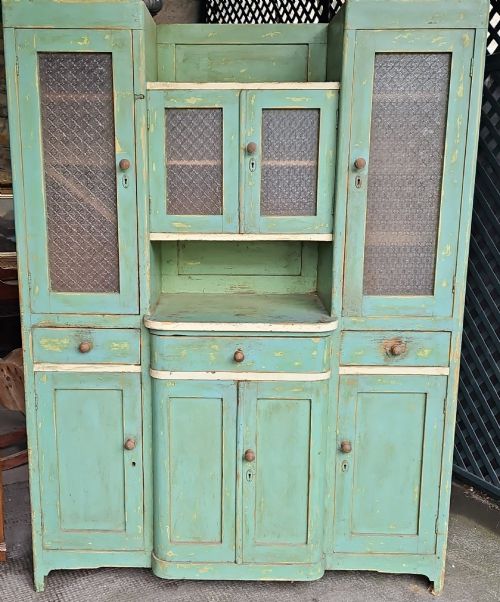
Many items show specific domestic uses, such as housekeeper cupboards, bread safes, larder cupboards, and food cupboards. These utilitarian origins shape the proportions and ventilation methods seen on the doors.
How they were made
Makers relied on solid regional timbers like oak, pine, chestnut, and fruitwood, joined with traditional framing techniques suited to daily rural use. Iron and brass hardware, including hinges and latches, secure the heavy doors.
Surfaces often show layers of original or historic paint, while other examples display the bare grain of bleached or polished oak and cherry. Carved details remain restrained, appearing mostly on panels, cornices, and structural mouldings.
Periods represented span from the seventeenth century through to the Edwardian era, alongside Victorian and 1920s examples.
What varies in quality
Quality rests in the integrity of the timber and the retention of original structural elements, such as backboards, shelves, and hardware. Pieces retaining their early paint surfaces or patinated bare wood hold greater visual weight.
Proportion and scale distinguish finer provincial work from standard utility pieces, with balanced door panels and crisp mouldings showing the maker's hand.
The Rustic French Cupboard Cabinet Glossary
- Confiturier
- A small French jam cupboard designed to store preserves. These compact cabinets typically feature a single door above a small drawer.
- Panetière
- A traditional French bread safe characterised by spindle-sided ventilation panels designed to keep loaves fresh. Originating in regions like Provence, they hung on walls or stood on legs.
- Enfilade
- A long sideboard or buffet featuring a sequence of doors in a single line. This form served dining rooms and large kitchens for storing crockery and linen.
- Buffet à deux corps
- A large two-tier cupboard featuring an upper cabinet set upon a deeper lower buffet base. These substantial storage pieces formed the centrepiece of traditional provincial dining spaces.
Rustic French Cupboard Cabinet: Frequently Asked Questions
Where did these cupboards originate?
These pieces come from various provinces across France, including Normandy, Brittany, Burgundy, and Provence. Each region utilised local timbers and specific construction details suited to rural life.
Local workshops built them for specific domestic needs, resulting in distinct regional variations in mouldings, panel styles, and overall proportions.
How were food cupboards ventilated?
Many early food cupboards and bread safes feature pierced timber panels, wire mesh, or turned spindles. These openings allowed air circulation around perishable items before modern refrigeration.
Such ventilation methods give these particular cabinets their characteristic appearance and distinguish them from standard linen or clothing storage.
How do I clean painted pine?
Painted surfaces require gentle dusting with a dry or slightly damp cloth to preserve the historic finish. Avoid harsh chemical cleaners that can strip old paint.
Applying a gentle microcrystalline wax can protect fragile painted finishes without altering their appearance or creating an artificial shine.
Can these cabinets fit modern rooms?
Their practical depths and varied heights allow them to function well in kitchens, hallways, and living spaces as storage units. Smaller confituriers and bedside cabinets suit compact areas.
Measuring ceiling heights and clearance for opening doors ensures larger armoires and two-piece buffets integrate smoothly into a room.