



Rustic French Country Ceramic
Rustic French country ceramic pieces bring tangible domestic history into your rooms through heavy terracotta, earthenware, and salt-glazed utility.
Rustic French Country Ceramic
When you search for rustic french country ceramic objects, you encounter heavy functional items made for daily rural labour and household management across the French countryside. The pieces available here span the eighteenth and nineteenth centuries, taking forms designed for practical storage, filtration, and food preparation.
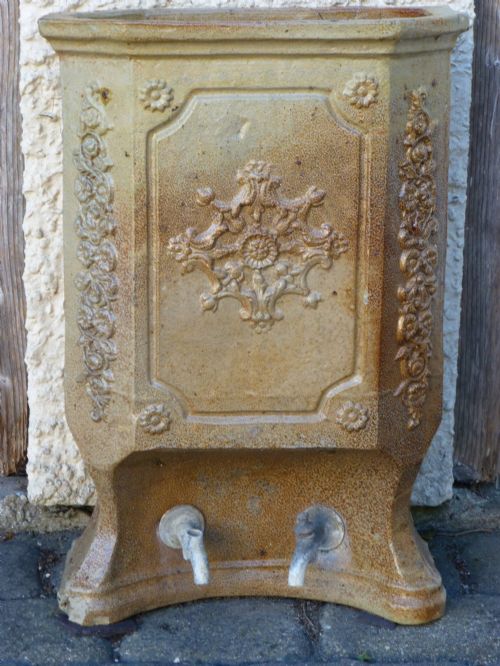
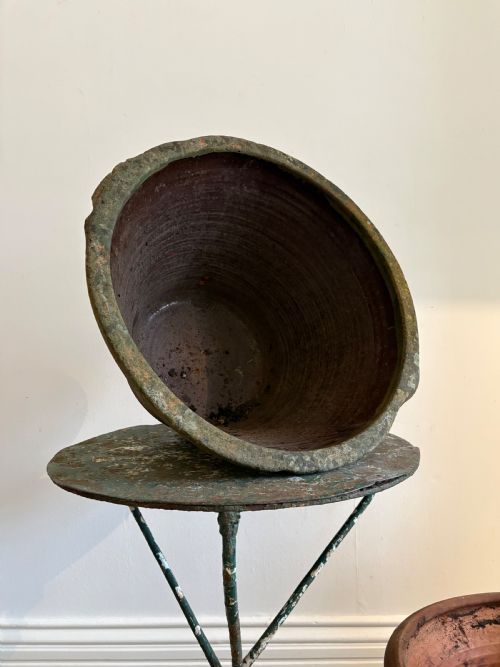
You are most likely to meet utilitarian forms such as confit pots, dairy bowls, and oil jugs alongside salt-glazed water filtration fountains and amphora vessels. These domestic items display the straightforward shapes dictated by their original functions in French provincial life.
The objects originate from various regional traditions within nineteenth-century and eighteenth-century France, employing native clays and traditional glazing methods. Their current presence in modern interiors relies entirely on their robust forms and the honest wear of past use.
Materials and construction methods
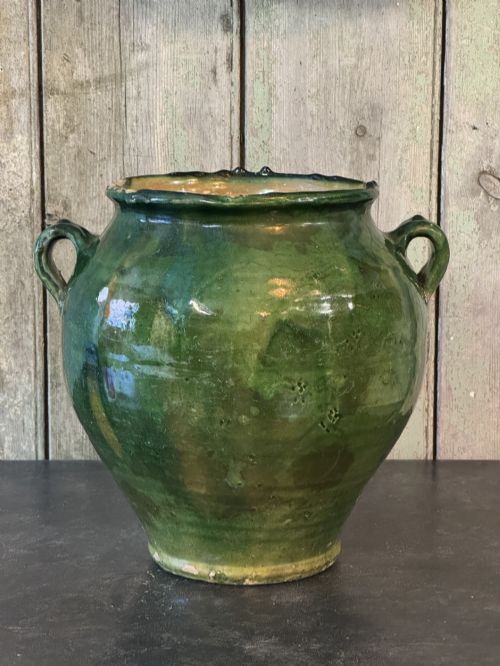
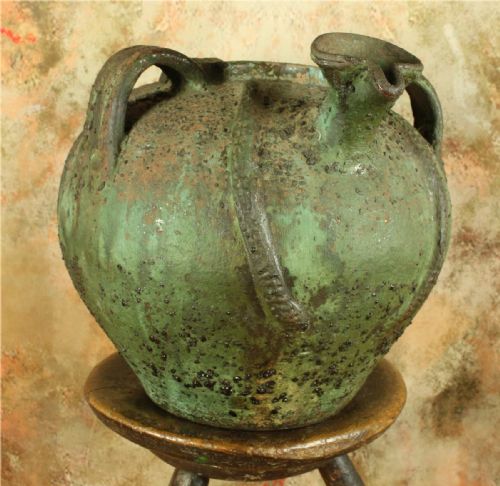
Potters shaped these items from heavy terracotta, earthenware, and dense stoneware using traditional hand-forming techniques. Many pieces feature partial or full glazes, including green lead glazes and salt glazing applied to seal the porous clay bodies for holding liquids.
Utility dictated construction, resulting in sturdy vessels fitted with multiple handles for lifting heavy loads of oil, water, or preserves. Stoneware barrels and salt-glazed planters received specialised firing to withstand acidic contents and constant moisture without degrading.
Rustic French Country Ceramic Retail Price Guide 2026
Typical asking prices for rustic french country ceramic among the pieces listed under this phrase on Sellingantiques today, from the lower quarter to the upper quarter. They describe what is for sale here now, not the wider market.
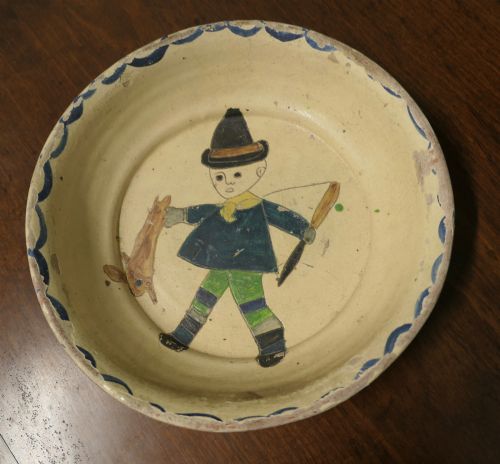
Object forms documented in the inventory include confit pots, dairy bowls, water filtration fountains, oil jugs, and decorative amphora vessels.
Evaluating quality and character
Quality in these utilitarian items rests on the integrity of the surviving glaze and the clean preservation of the original clay body. Strong, even glaze coverage on high-contact surfaces distinguishes pieces that retained their waterproof qualities through decades of heavy domestic service.
Form and proportion set better examples apart, where functional handles and pouring lips display balanced placement rather than clumsy assembly. The depth of historical surface wear, from minor chips to stabilised cracks, reflects the authentic working life of each individual vessel.
The Rustic French Country Ceramic Glossary
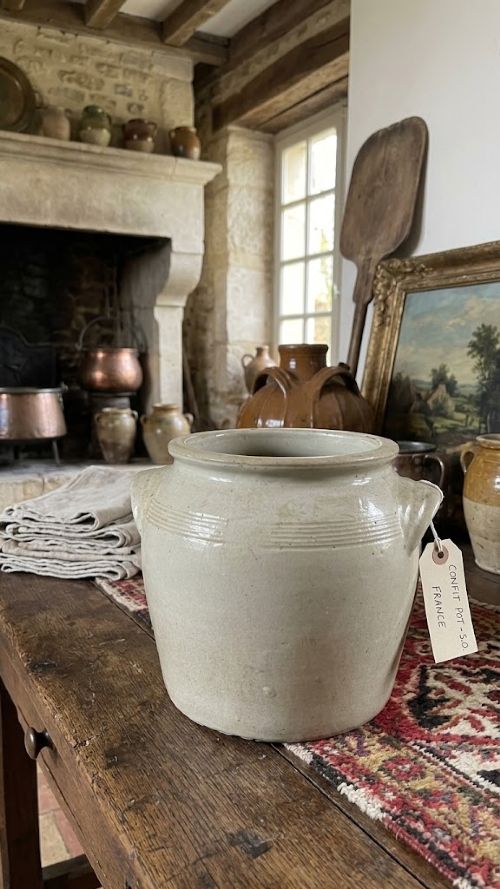
- Confit Pot
- A traditional French earthenware jar featuring handles, historically used for slow-cooking and preserving meats in fat. These pots usually display a glazed upper section and an unglazed lower body.
- Salt Glaze
- A glossy, textured finish created by throwing common salt into the kiln during high-temperature firing. This process produces a durable coating resembling orange peel.
- Slipware
- Pottery decorated with slip, which is a liquid mixture of clay and water applied before firing. Potters use this technique to add lines, patterns, or overall colour to the base body.
- Terracotta
- A porous, unglazed or glazed red-brown fired earthenware clay. It forms the structural foundation for many traditional French agricultural vessels and dairy bowls.
- Stoneware
- A robust, vitrified ceramic fired at high temperatures until the clay body becomes non-porous and dense. This material suits liquids and long-term storage.
Rustic French Country Ceramic: Frequently Asked Questions
What were confit pots used for?
Confit pots served primarily in rural French kitchens for preserving meats such as duck or pork. The food was cooked and then packed tightly inside the jar, covered completely in its own rendered fat to seal it from air.
Because refrigeration did not exist, these heavy earthenware pots provided essential long-term food storage through the winter months. Their distinctive handles made them easy to lift from deep larders or cellar shelves.
How do I date an old confit pot?
Dating relies heavily on observing the clay body, the thickness of the walls, and the characteristics of the glaze. Eighteenth-century examples often display irregular hand-thrown forms and deeper historical wear compared to later nineteenth-century pieces.
Makers changed their potting methods slowly, so look for tool marks, the specific colour tone of the terracotta, and the way the green or honey-coloured glaze pooled around the handles and rim.
Are these ceramic pieces waterproof?
Many items feature internal glazes designed to hold liquids like oil, vinegar, or water without leaking. However, unglazed terracotta sections remain slightly porous and can allow moisture to seep through over extended periods.
If you use these vessels for fresh flowers or plants inside the house, place a discreet saucer or protective liner underneath to protect wooden surfaces from dampness.
How should I clean antique earthenware?
Clean these pieces gently using warm water and a mild, non-abrasive soap with a soft cloth. Avoid harsh chemical cleaners and scouring pads that can damage historic glazes or weaken fragile terracotta surfaces.
Allow the vessel to dry thoroughly after washing, especially if the piece has unglazed areas that may have absorbed moisture during the cleaning process.