




Cream Ceramic Serving Dish
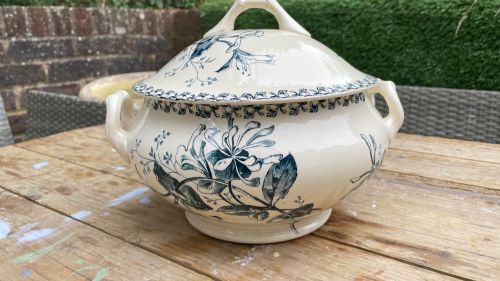
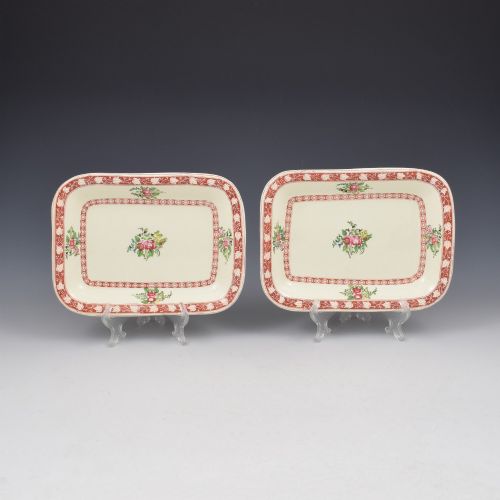
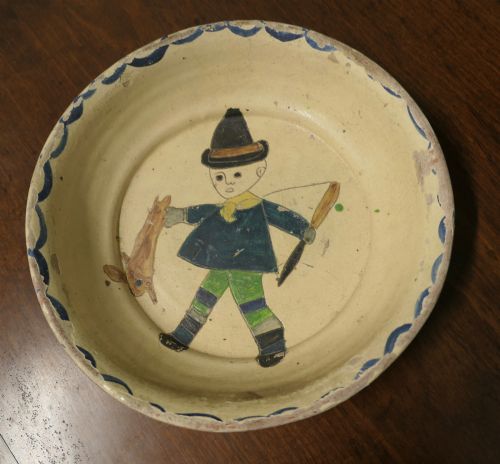
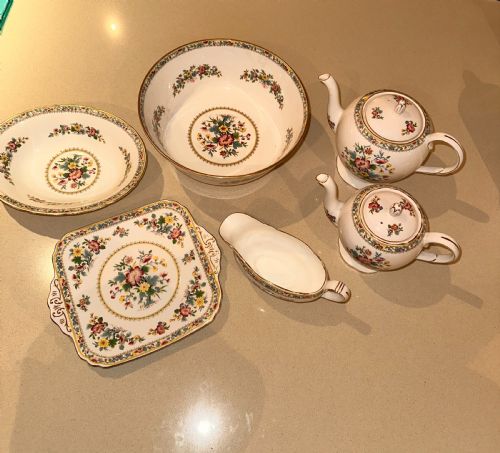
A cream ceramic serving dish brings warmth and utility to the table, ranging from simple earthenware bowls to hand-painted Edwardian platters.
Cream Ceramic Serving Dish
A cream ceramic serving dish encompasses a variety of tableware forms designed for presentation, including chargers, platters, and decorative bowls. These utilitarian and decorative vessels emerge from centuries of domestic dining traditions across British, French, and Scottish potteries.
Buyers encountering this selection will find examples spanning the Georgian era through the Victorian and Edwardian periods. Traditional English and French provincial styles dominate the offerings, showcasing both everyday utility and commemorative purpose.
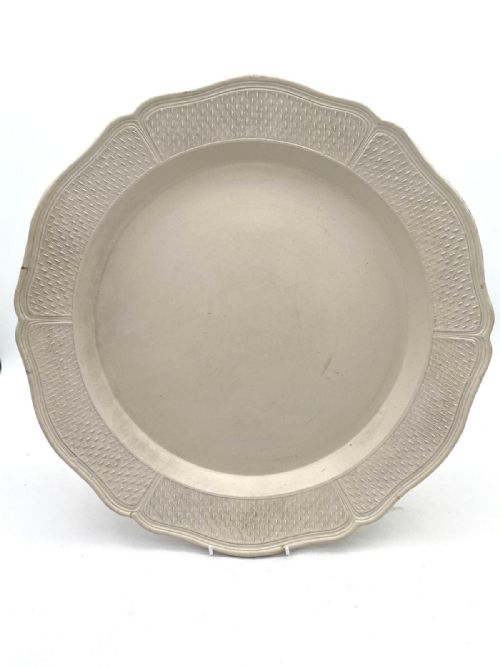
Forms vary from large terracotta slip-ware bowls to shaped dessert services and rectangular trays. Each piece reflects the functional dining requirements of its respective decade, utilising durable clay bodies and pale glazes.
Materials and construction methods
Potters utilised earthenware, terracotta, and porcelain as the primary foundations for these vessels, applying salt glaze, enamel, and transparent finishes to seal the clay bodies. Hand-painting and sponge decoration added surface pattern before final kiln firing.
Decoration often involved intricate hand-painted floral motifs alongside applied gold leaf and gilt highlights, particularly on finer dessert services. Saltglazing and slip-ware techniques provided durable, textured surfaces suited to daily culinary use.
Cream Ceramic Serving Dish Retail Price Guide 2026
Typical asking prices for cream ceramic serving dish among the pieces listed under this phrase on Sellingantiques today, from the lower quarter to the upper quarter. They describe what is for sale here now, not the wider market.
Listings feature periods from the eighteenth century through to nineteen hundred, encompassing earthenware, porcelain, and terracotta materials.
Factors of quality and execution
The distinction between standard kitchenware and superior display pieces lies in the precision of the hand-painting and the fineness of the ceramic body. Pieces featuring delicate enamel work and uniform glazing represent higher tiers of craftsmanship.
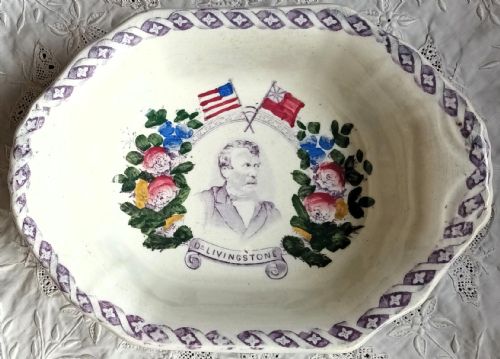
Maker attribution and historical significance elevate certain items, such as commemorative pottery dishes dedicated to specific figures or output from established works like Wedgwood. The complexity of the moulded shape and the preservation of gilt highlights further separate simpler vessels from exceptional ones.
Mann & Co·Wedgwood
The Cream Ceramic Serving Dish Glossary
- Earthenware
- Porous pottery fired at lower temperatures, typically covered in a glaze to ensure it holds liquid.
- Terracotta
- Unglazed or glazed fired brown-red clay used historically for robust utilitarian bowls and dishes.
- Salt glaze
- A glassy coating formed by throwing common salt into the hot kiln during the firing process, producing a textured orange-peel surface.
- Slip-ware
- Pottery decorated with liquid clay applied to the vessel body before firing to create patterns.
- Gilt
- A thin layer of gold applied to the ceramic surface for decorative accent.
Cream Ceramic Serving Dish: Frequently Asked Questions
How do I date a cream ceramic serving dish?
Dating relies on examining the clay body, glaze characteristics, and any makers' marks or commemorative text present on the underside. Stylistic cues from Georgian, Victorian, or Edwardian periods also guide the timeline.
Secondary indicators include the presence of hand-painted details versus transfer-printed decoration, alongside the specific manufacturing techniques recorded for that era.
Can these antique dishes still hold food?
Many earthenware and porcelain vessels remain structurally sound for serving dry foods or presentation use. However, crazing in older glazes means some items are better suited for display.
Careful hand washing preserves the delicate enamel and gilt highlights found on Victorian and Edwardian examples.
What is the difference between earthenware and porcelain?
Earthenware uses coarser clay fired at lower temperatures, resulting in a porous body that requires glaze for waterproofing. Porcelain utilises finer materials fired at much higher heats to create a vitreous, dense finish.
Serving dishes in the evidence span both materials, reflecting different domestic budgets and dining functions.
What are commemorative pottery dishes?
Commemorative pottery dishes were produced to mark notable public figures, events, or historical moments of the nineteenth century. They combine standard tableware utility with portraiture or text.
Examples often feature specific historical names and serve as both decorative items and social records.