

Rustic Folding Table
A rustic folding table brings centuries of practical design into a modern room, offering space-saving cleverness rooted in utilitarian craftsmanship.
Rustic Folding Table
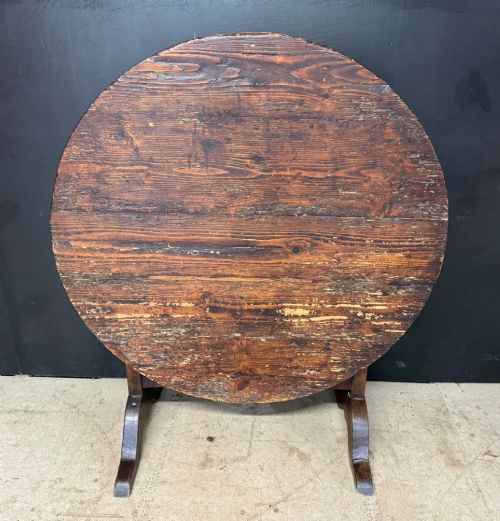
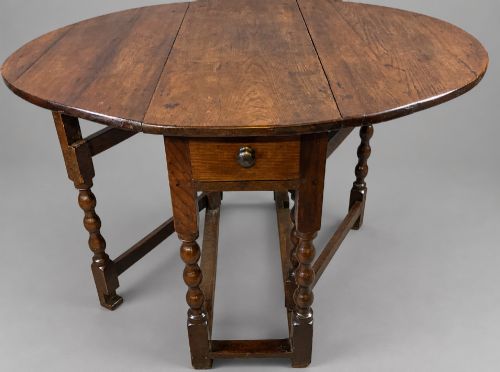
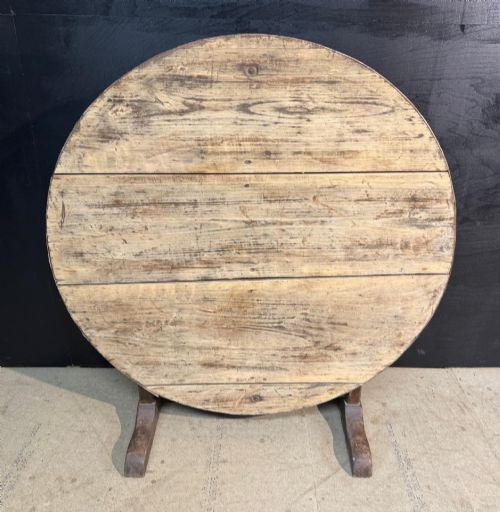
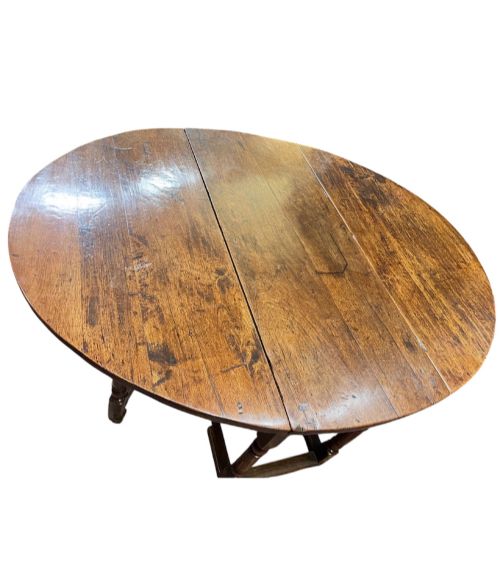
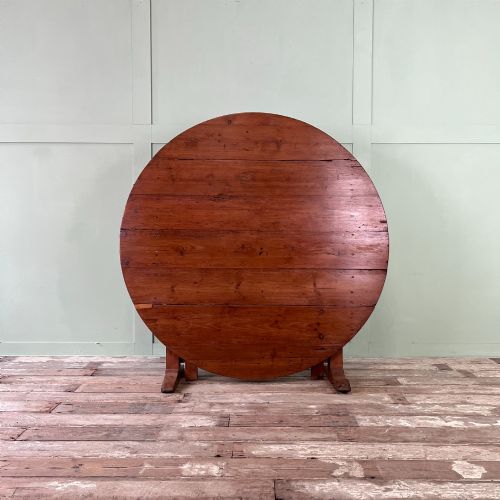
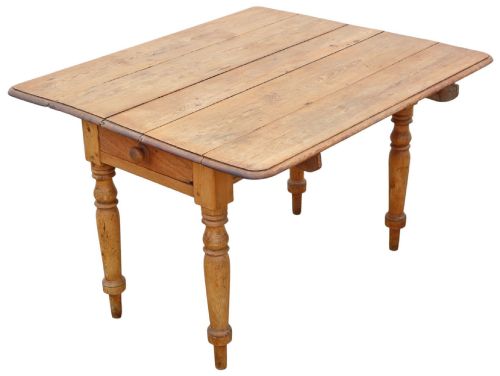
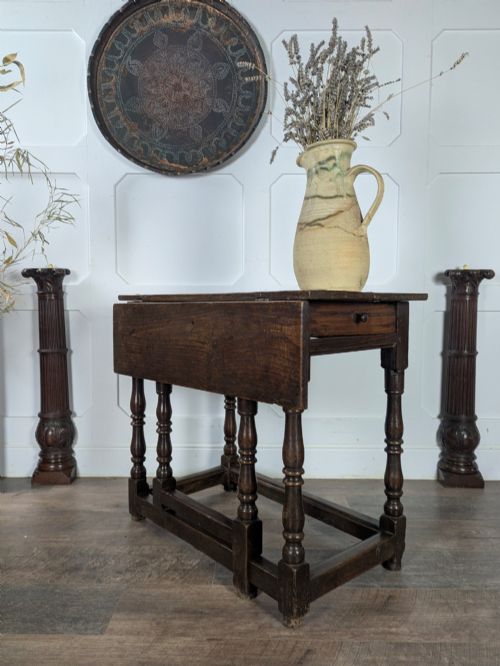
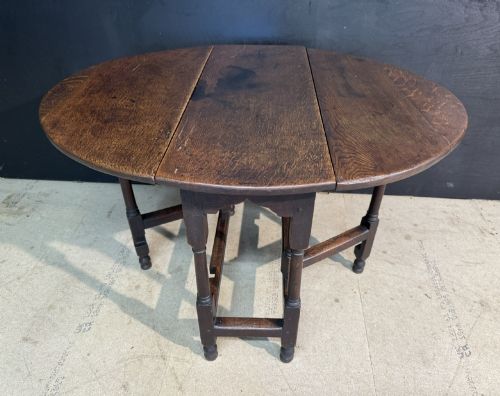
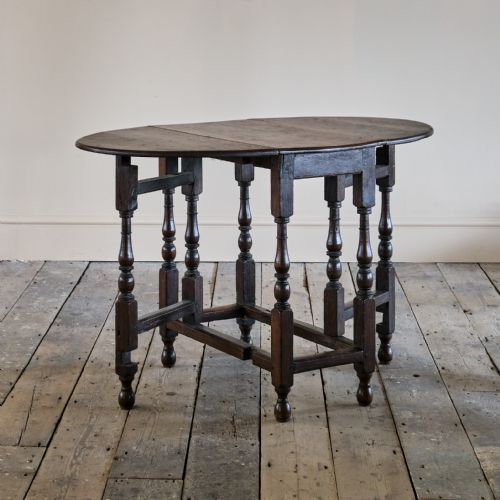
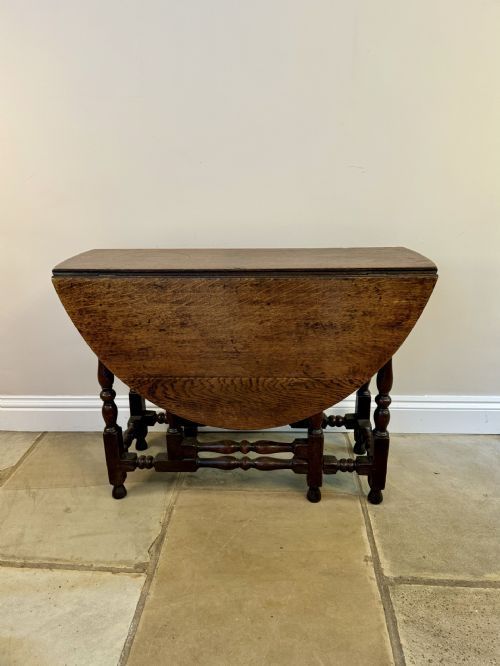
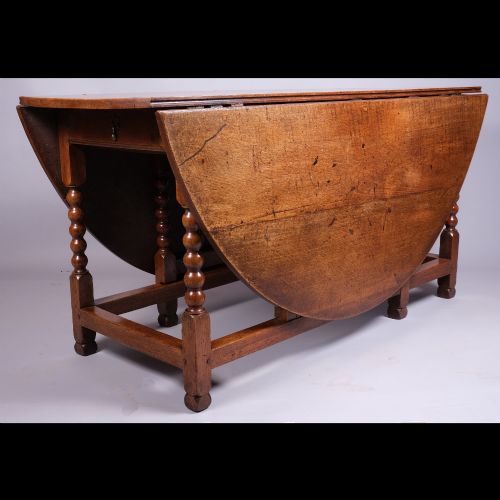
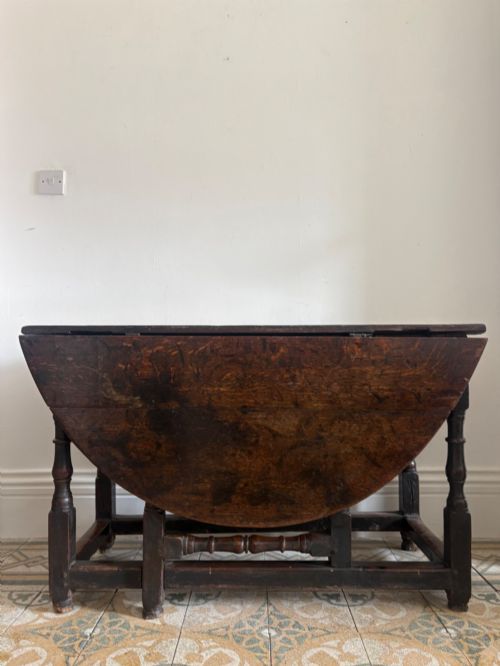
A rustic folding table bridges the gap between everyday utility and historic charm, spanning periods from the seventeenth century to the twentieth. When exploring this selection, buyers frequently encounter oak gatelegs, pine drop-leaf variants, and French wine-tasting tables designed for versatile use.
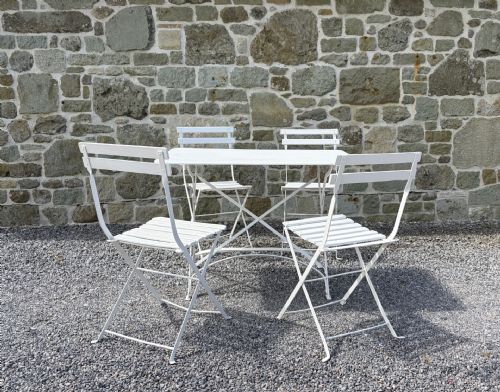
The assortment on this page leans heavily into practical forms such as drop-leaf dining tables, coaching tables, and garden trestles. These pieces originate from varied domestic and provincial settings across England, France, and Sweden, reflecting local material traditions.
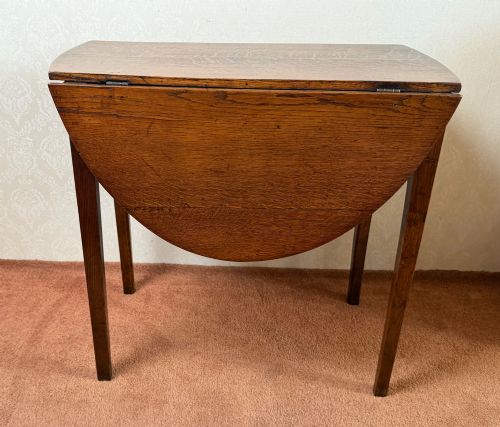
Whether formed as a compact tea table or a large dining surface, each piece utilises folding, dropping, or gateleg mechanisms to alter its footprint. Buyers select these items to introduce historic character into contemporary spaces without sacrificing floor area.
Materials and construction methods
Makers relied primarily on native timbers such as solid oak, pine, fruitwood, and walnut, selecting woods based on regional availability and structural demand. Iron and wrought iron frequently appear in hardware, hinges, and industrial garden frames that support timber tops.
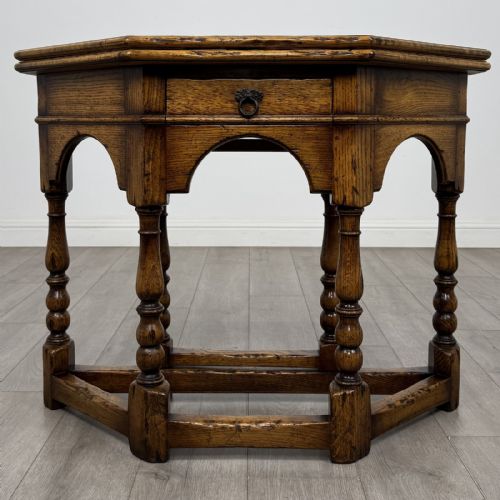
Joinery methods range from pegged mortise and tenon frames on seventeenth-century gatelegs to hinged mechanisms on campaign and coaching tables. Turned baluster legs, bobbin turnings, and trestle supports provide stability while allowing the tables to collapse or fold flat.
Rustic Folding Table Retail Price Guide 2026
Typical asking prices for rustic folding table among the pieces listed under this phrase on Sellingantiques today, from the lower quarter to the upper quarter. They describe what is for sale here now, not the wider market.
Listings feature timbers including oak, pine, fruitwood, and walnut, paired with iron hardware across seventeenth to twentieth-century periods.
Qualities that distinguish the pieces
Distinctions in quality often rest upon the integrity of the timber and the retention of original surface patination. Pieces that display finely figured grain, honest wear, and untouched structural timber stand apart from heavily altered examples.
The sophistication of the folding mechanism also dictates value, particularly in clever nineteenth-century campaign pieces or seventeenth-century gateleg actions that operate smoothly after centuries of use. Original ironwork and unaltered painted finishes further separate standard examples from finer specimens.
The Rustic Folding Table Glossary
- Gateleg table
- A table with hinged drop leaves supported by legs that swing outward like a gate. This design allows the surface area to expand or contract depending on daily requirements.
- Slagbord
- A traditional Scandinavian drop-leaf dining table utilising hinged leaves and supporting brackets. These tables often feature painted finishes characteristic of regional vernacular furniture.
- Vendange table
- A French wine tasting table typically constructed with a folding top designed for easy storage during non-harvest months. They frequently appear in fruitwood or pine with round timber tops.
- Coaching table
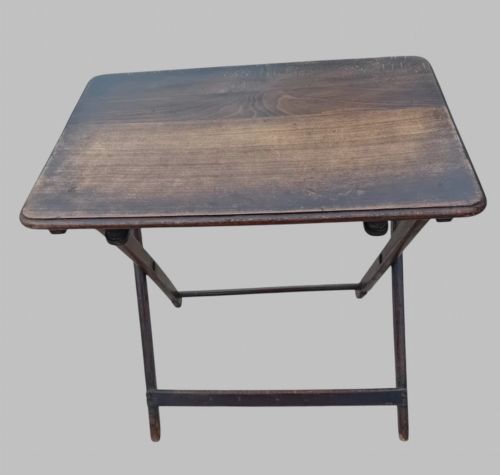
- A portable folding table fitted with X-frame supports traditionally used for travel. These pieces demonstrate compact engineering combined with domestic woodwork.
Rustic Folding Table: Frequently Asked Questions
How do I use a rustic folding table in a small room?
Drop-leaf and gateleg versions allow you to fold down one or both sides when floor space is limited, opening them fully only when dining or working.
Their narrow profile when closed makes them useful as console surfaces against walls or tucked away until needed.
What periods do these folding tables represent?
The selection spans from seventeenth-century oak gatelegs through eighteenth-century vernacular pieces up to early twentieth-century campaign and garden tables.
Earlier examples display turned baluster legs and heavy solid timber, while later pieces often utilise pine, beech, and iron trestle frames.
How do I care for antique timber surfaces?
Keep wooden tables away from direct heat sources and sudden humidity changes to prevent the solid oak, pine, or fruitwood from splitting.
Apply natural beeswax periodically to nourish the grain and maintain the protective sheen built up over generations.
Are these tables sturdy enough for daily dining?
Gateleg and trestle constructions are engineered to bear considerable weight when fully extended and locked into position.
Checking the stability of the swing legs and original hinges ensures the surface remains safe for family meals or workspace use.