
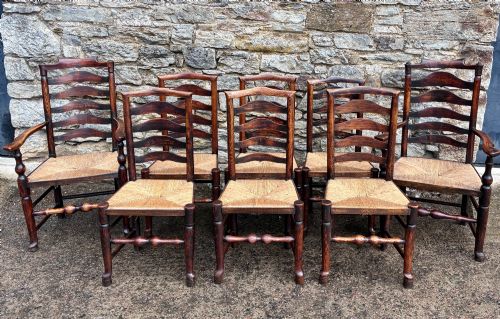
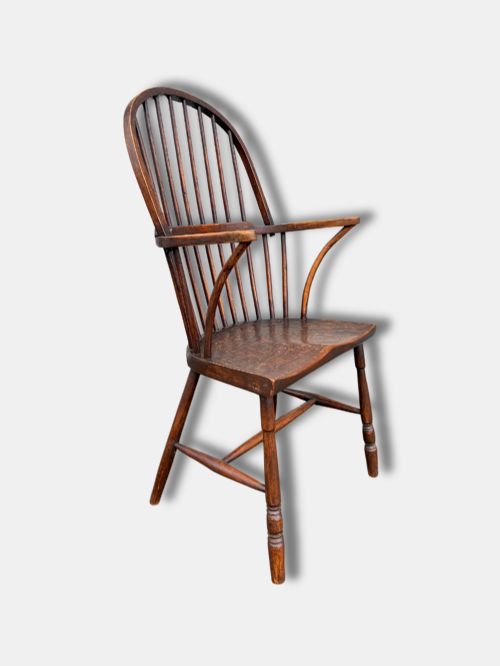
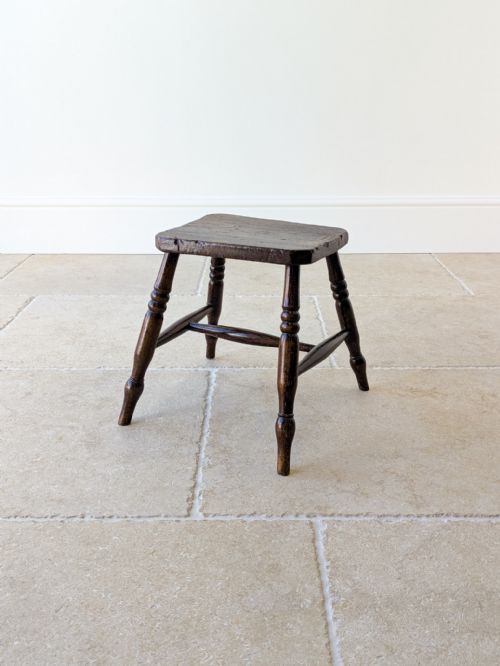
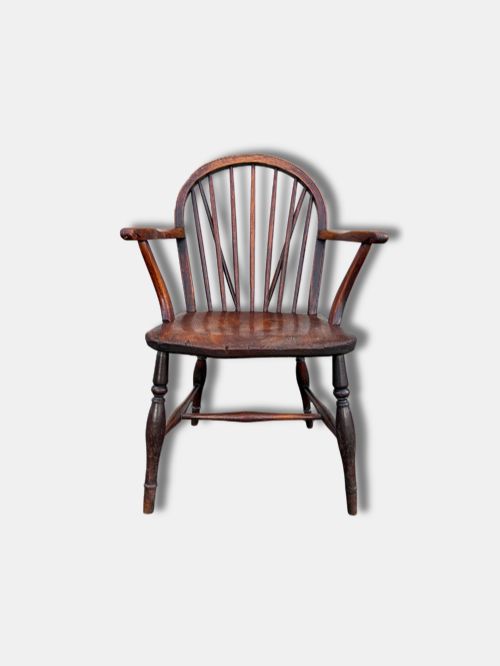
Rustic Elm Seat
When you search rustic elm seat, you find solid timber vernacular seating shaped for simple country kitchens and farmhouse interiors.
Rustic Elm Seat
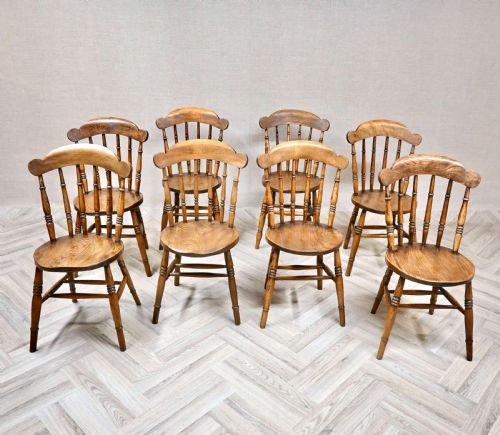
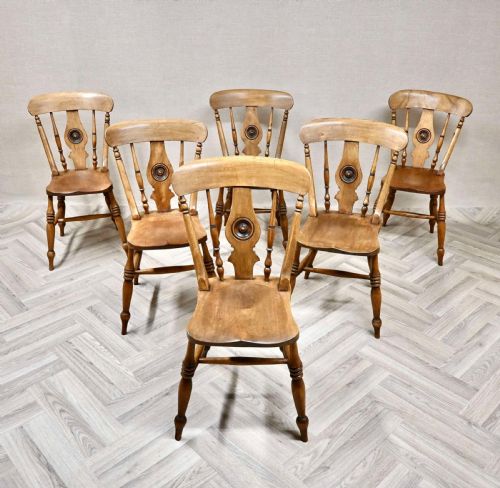
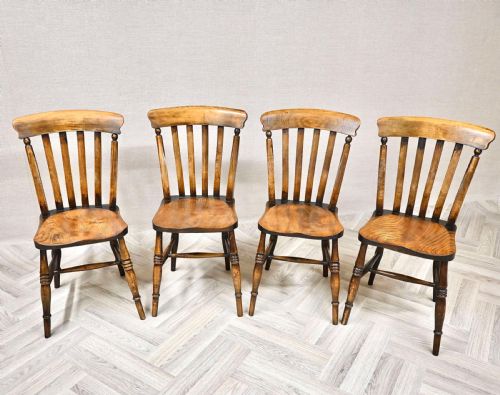
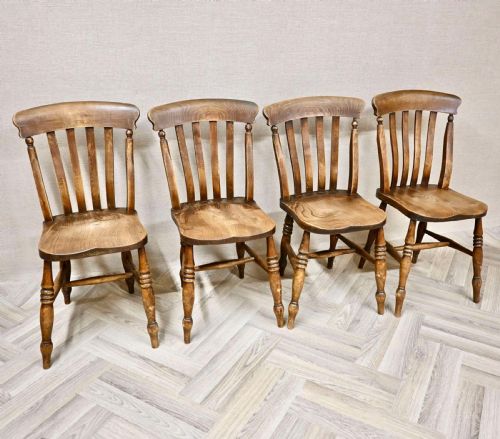
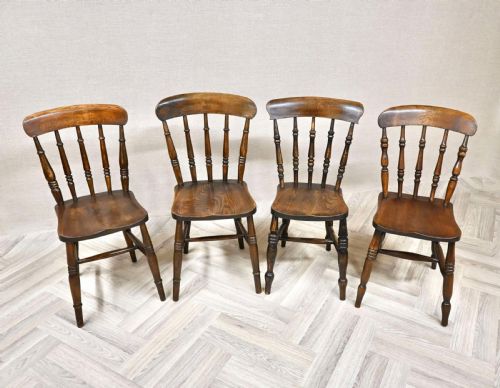
A rustic elm seat forms the heavy wooden base of traditional country chairs, stools, benches and settles. These pieces originate across Georgian, Victorian and Edwardian periods, reflecting utilitarian domestic designs made for heavy daily use.
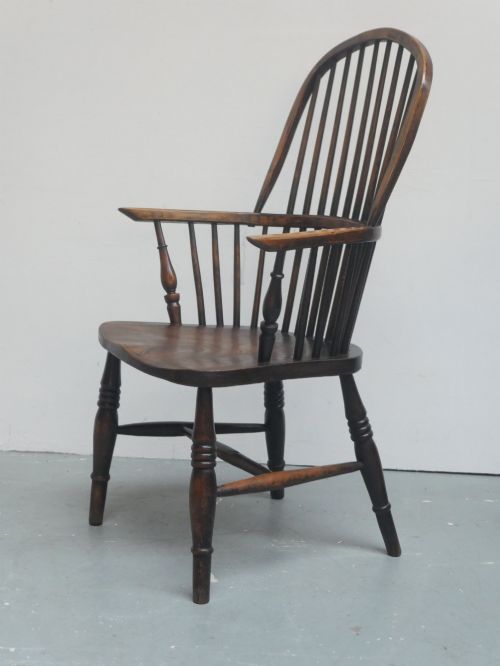
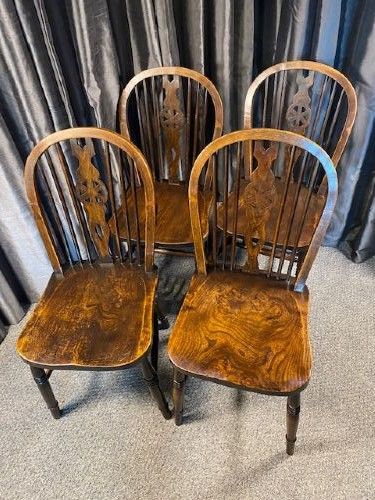
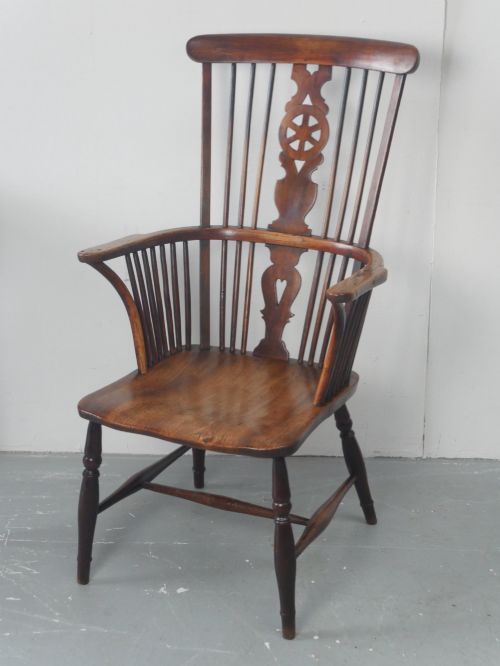
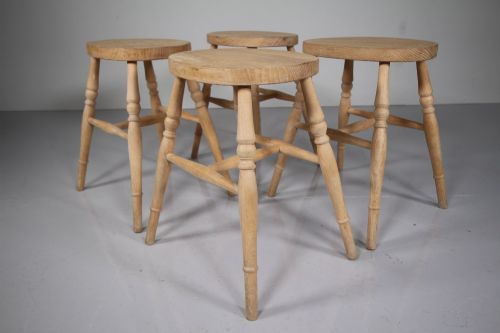
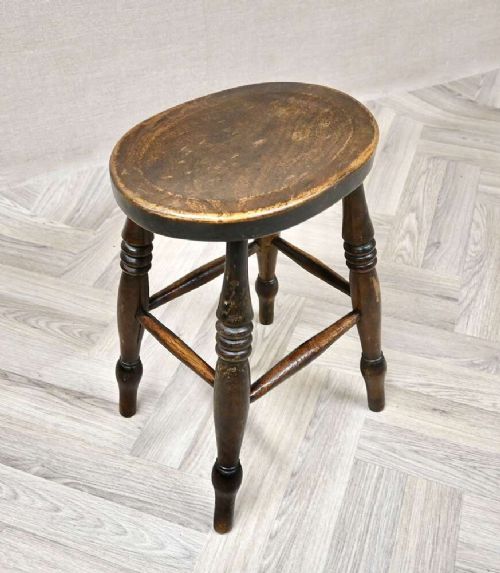
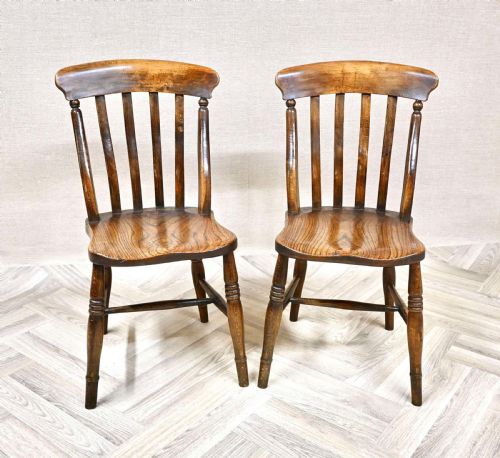
The most common forms on this page are Windsor chairs and country stools featuring thick timber boards. These range from single dining chairs to complete sets, often paired with ash, beech or pine components.
Makers in rural workshops built these utilitarian items for farmhouse kitchens, taverns and halls. Their enduring appeal lies in the straightforward joinery and visible grain of the local timber.
How they were made
Makers selected elm for the main seat boards because the interlocking grain resists splitting under pressure. They combined this tough timber with ash or beech for spindles, legs and bow backs, utilising the specific bending strengths of each wood.
Joinery relied on wedged through-tenons where leg tenons pass right through the plank seat and lock in place with timber wedges. Carpenters shaped the solid elm slabs with adzes and travellers to create comfortable, concave depressions.
Frames often incorporated rush for woven seat pads in specific vernacular armchair designs. Iron bracing or faux bois metal elements appeared in garden benches alongside traditional wooden pegged joints.
Some nineteenth-century Windsor chairs feature hidden crinoline stretchers shaped specifically to keep ladies' skirts clear of dusty cottage floors.
What varies in quality
Quality rests in the depth of the saddle shaping on the plank and the grace of the spindle turning. Superior examples display balanced proportions in the hoop or comb back and retain tight joints without excessive modern intervention.
The character of the timber surface dictates visual merit, with older boards showing deep patination and honest wear from generations of use. Inferior pieces suffer from unsympathetic replacements or overly sanded surfaces that remove historical texture.
The Rustic Elm Seat Glossary
- Windsor chair
- A wooden chair built with a thick solid timber seat into which the legs and back spindles are separately bored. This construction method creates a sturdy, rigid frame without relying on a central box underframe.
- Saddle seat
- A thick wooden seat plank carved into a concave, ergonomic shape for sitting comfort. This shaping process highlights the swirling grain patterns characteristic of mature elm.
- Comb back
- A Windsor chair variation where the top rail resembles the teeth of a comb, often supported by small turned spindles rising from a low horizontal arm rail. This style is frequently found on eighteenth-century vernacular seating.
- Vernacular
- Objects built by local craftspeople following regional traditions rather than formal architectural styles. These pieces prioritize function and local material availability over academic design rules.
- Settle
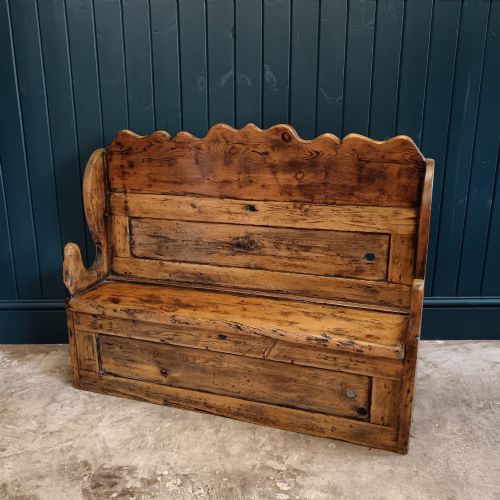
- A high-backed wooden bench with solid panel arms and a base often enclosing a storage box. They were placed near hearths to block cold drafts in traditional rooms.
- Spindle back
- A chair back constructed from multiple thin turned vertical rods connecting the seat to the top rail. This lightweight design offers robust support through balanced tension.
Rustic Elm Seat: Frequently Asked Questions
What is a rustic elm seat?
A rustic elm seat refers to the solid wooden base found on traditional country chairs, stools and benches. Elm wood was chosen for its tough, cross-grained structure that prevents splitting.
These pieces range from simple three-legged stools to large farmhouse settles and Windsor armchairs. They represent practical rural craftsmanship from past centuries.
How do I date an elm chair?
Dating relies on observing tool marks, construction methods and wear patterns across the timber. Earlier eighteenth-century pieces often feature wider plank seats and broader proportions.
Later Victorian and Edwardian examples show more standardised machine turning on spindles and legs. Comparing the joinery style helps narrow down the period of manufacture.
Were these chairs painted originally?
Many country chairs retained bare sanded wood or simple clear finishes to highlight the natural grain. Some vernacular pieces received dark stains or ebonised treatments to mimic more expensive hardwoods.
Surviving paint finishes from later periods often show craquelure and organic wear. Collectors value surfaces that reveal historical layers of polish and handling.
How do I care for antique elm?
Antique elm responds best to stable indoor humidity levels away from direct heat sources. Sudden temperature changes can cause the thick seat planks to check or split.
Applying microcrystalline wax periodically helps nourish the dry wood surface. Avoid harsh chemical cleaners that strip the historic patina built up over generations.