


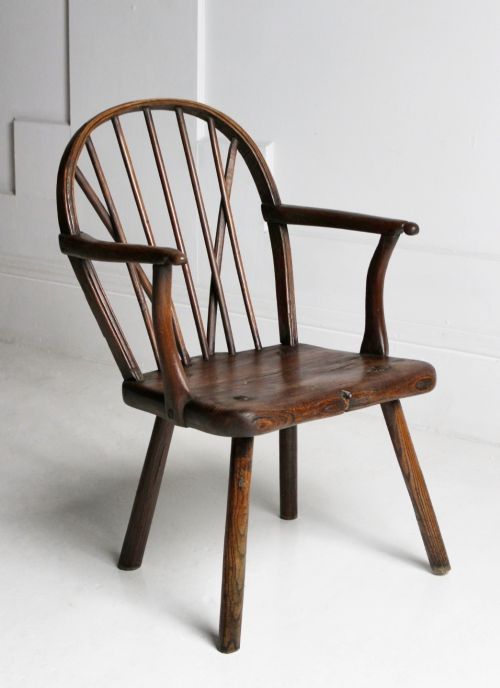


Rustic Elm Elbow Chair
A rustic elm elbow chair delivers honest vernacular craftsmanship, offering a sturdy seat shaped by generations of rural tradition.
Rustic Elm Elbow Chair
A rustic elm elbow chair represents the practical seating tradition of English country houses and farmhouses. These pieces span the eighteenth, nineteenth, and early twentieth centuries, encompassing periods from the Georgian era through to the late Victorian years.
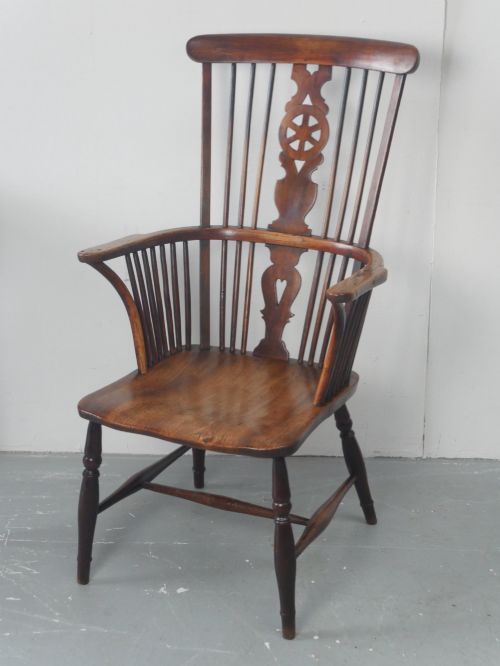
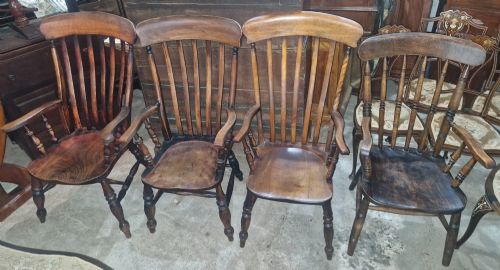
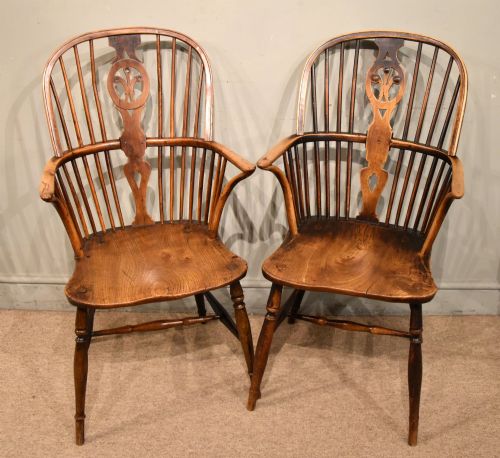
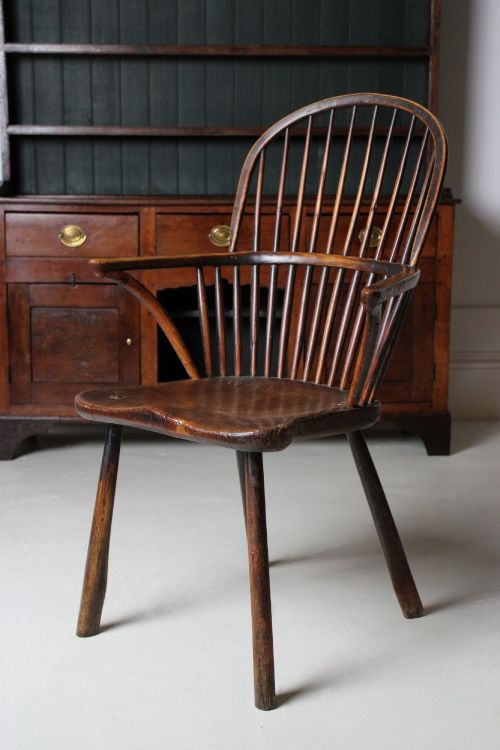
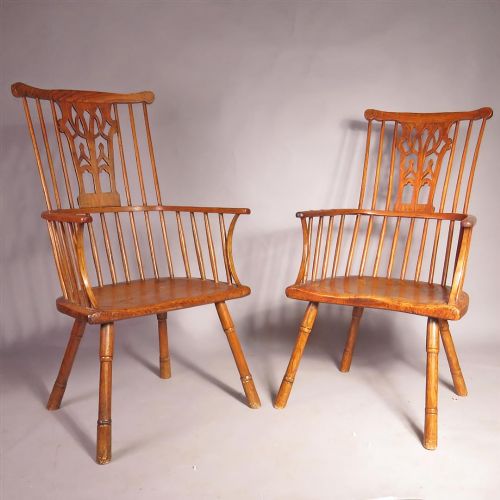
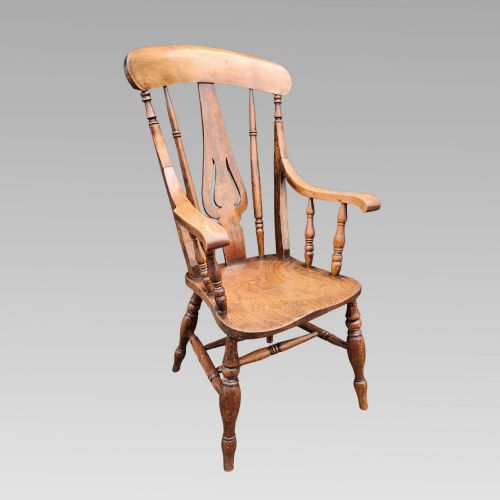
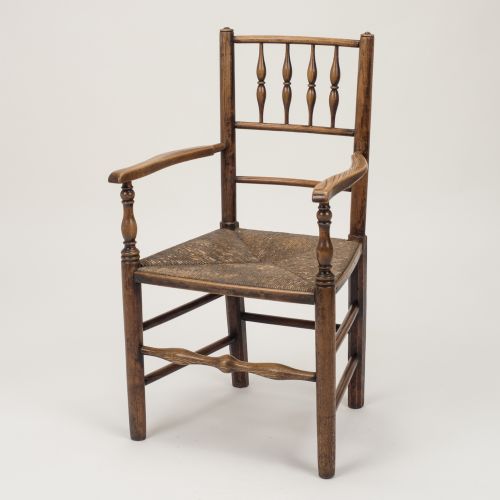
The selections here most commonly take the form of Windsor armchairs, comb backs, stick backs, and smokers bows. Makers constructed these elbow chairs for daily utility, resulting in strong vernacular forms designed to withstand hard domestic use.
Surviving examples showcase regional variations across England, including distinct Welsh and West Country designs. Buyers encounter sturdy carver chairs and low backs built to serve beside the hearth or around the farmhouse table.
Materials and construction methods
Craftsmen paired durable elm seats with turned ash, beech, or yew spindles and legs. Elm provided a tough, interlocking grain ideal for solid saddle seats, resisting splitting when shaped with an adze or scorper.
Makers utilised green woodworking techniques, steaming and bending flexible woods like ash and fruitwood to form steam-bent bows and arm rests. Joints relied on wedged tenons and traditional mortise and tenon construction to secure the framework.
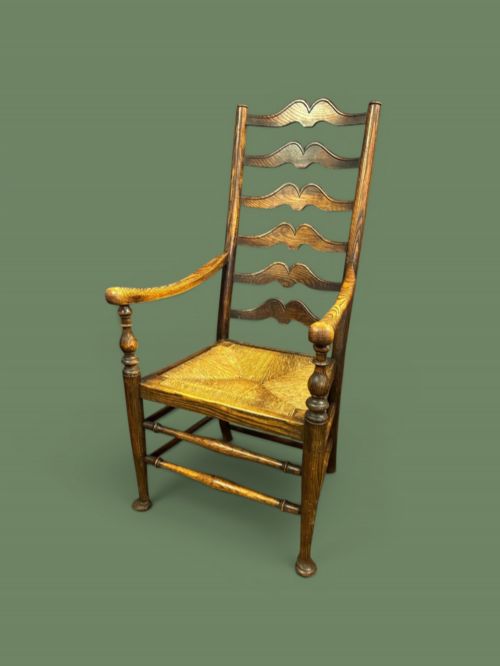
Some variations incorporate rush seating woven directly onto the frame, while others feature intricate spindle, lyre, or splat backs. Secondary timbers occasionally include laburnum and oak, highlighting the resourceful use of local woodland materials.
Early country chair makers often used whatever timber grew nearest the workshop door, resulting in delightfully mismatched orchard fruitwoods.
Evaluating quality and character
Quality rests in the harmony of the timber selection and the integrity of the original construction. Superior pieces display rich, figuring in the elm seat alongside well-matched contrasting woods in the spindles and arms.
Proportion and stance separate standard utility chairs from finer vernacular examples. Well-balanced arm curvatures and crisp turning on the legs indicate skilled rural craftsmanship rather than rushed production.
Surface finish and evidence of continuous use contribute to the overall appeal. A deep, natural patina accumulated through decades of handling elevates a piece far above heavily restored or stripped alternatives.
The Rustic Elm Elbow Chair Glossary
- Windsor chair
- A chair built with a solid wooden seat into which the legs and back spindles are directly inserted. This construction method creates a sturdy, unified frame typical of country seating.
- Comb back
- A chair back featuring vertical spindles topped by a horizontal crest rail that resembles the teeth of a comb. This style provides solid upper back support.
- Smokers bow
- A low-backed armchair with a continuous curved arm rail resting on short spindles, commonly found in 19th-century inns and farmhouses.
- Saddle seat
- A wooden seat scooped and hollowed out for ergonomic comfort. Craftsmen carved these depressions using specialised adzes.
- Vernacular
- Objects built by local craftsmen using traditional regional methods rather than following formal academic design patterns. These pieces prioritise function and local material availability.
Rustic Elm Elbow Chair: Frequently Asked Questions
Are these chairs comfortable for daily use?
These chairs were built for practical domestic tasks, featuring ergonomically scooped wooden seats designed for long hours. The supportive arm rests and raked backs offer a surprisingly comfortable seating posture.
Placing a simple cushion on the solid elm seat adds extra comfort for modern lounging. Their robust construction handles everyday sitting with ease.
What is the difference between an ash and elm chair?
Elm was primarily chosen for the solid saddle seat because its twisted grain resists cracking under pressure. Ash was typically utilised for the turned legs and spindles due to its flexibility and strength.
Together, these woods formed a durable composite structure suited to heavy farm work. Many surviving pieces also integrate fruitwood or yew for decorative contrast.
How should I care for antique wooden seating?
Keep the wood away from direct heat sources and sudden temperature shifts to prevent the timber from splitting. Apply traditional beeswax occasionally to nourish the dry surface and maintain the natural sheen.
Avoid modern chemical polishes that can degrade the historic finish. Gentle dusting with a dry cloth keeps the patina protected.