


Rustic Country Painting
These rustic country painting examples span canvas, wood, and paper, bringing vernacular charm and historic rural scenes into domestic spaces.
Rustic Country Painting
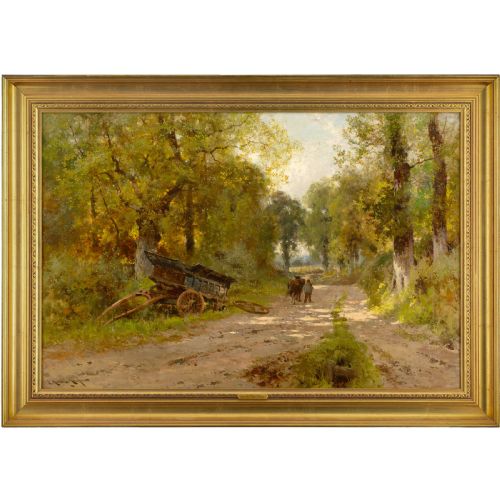
A rustic country painting captures domestic scenes, pastoral landscapes, and agricultural subjects originating mainly from the nineteenth century. Buyers seek these works to add unpretentious character and narrative depth to interiors.
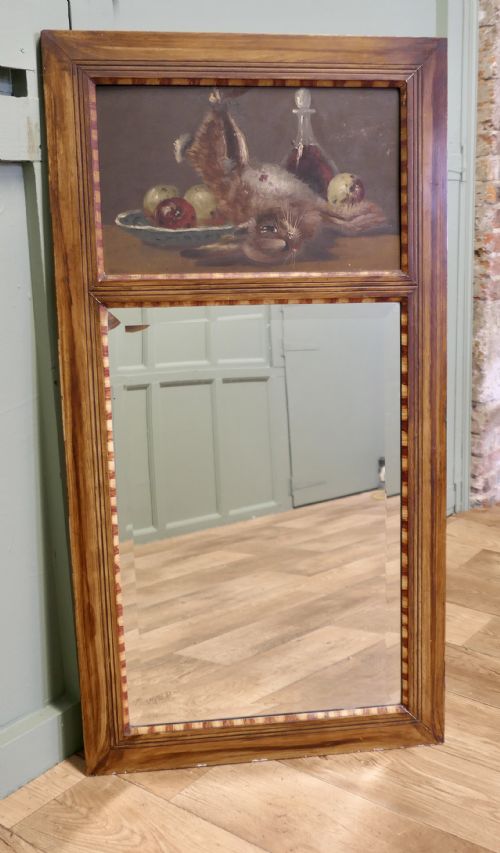
The selection here encompasses oil on canvas, wooden boards, and watercolours depicting subjects like British school farmyard scenes, local landscapes, and traditional portraits. These pieces often reflect regional styles spanning English, French, and Victorian vernacular traditions.
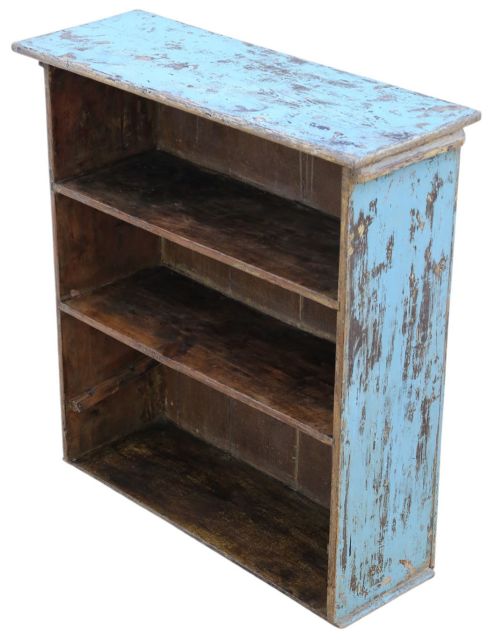
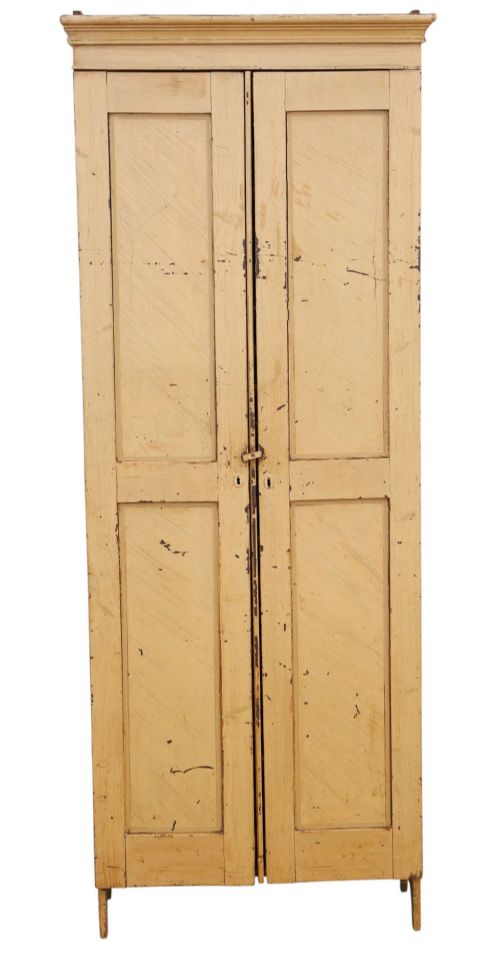
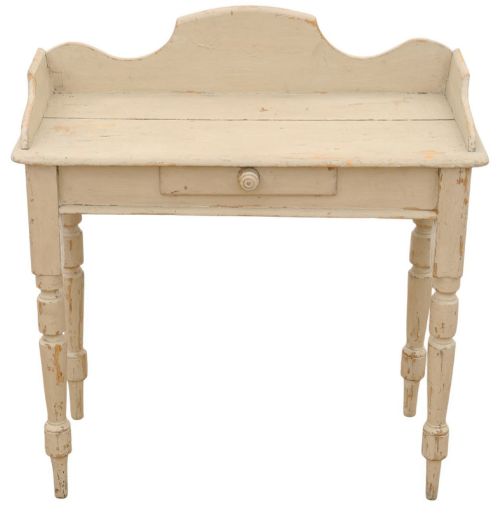
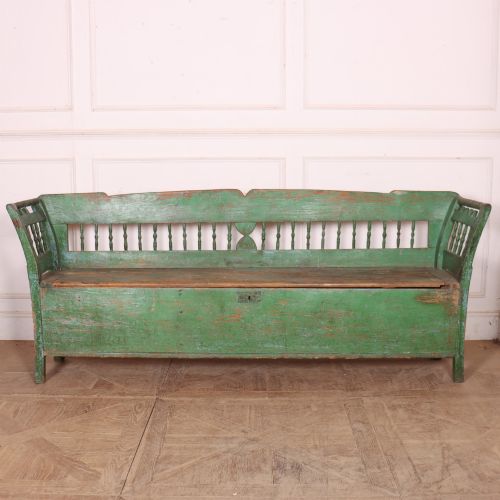
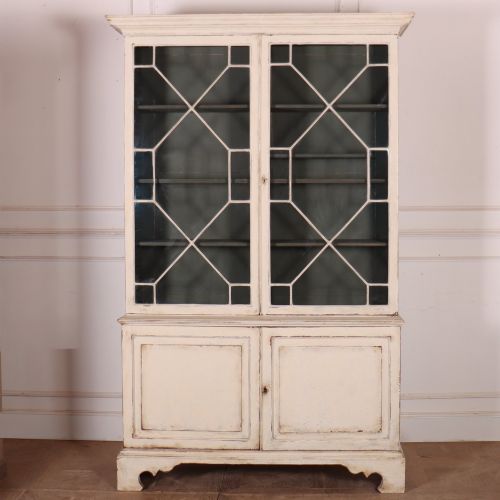
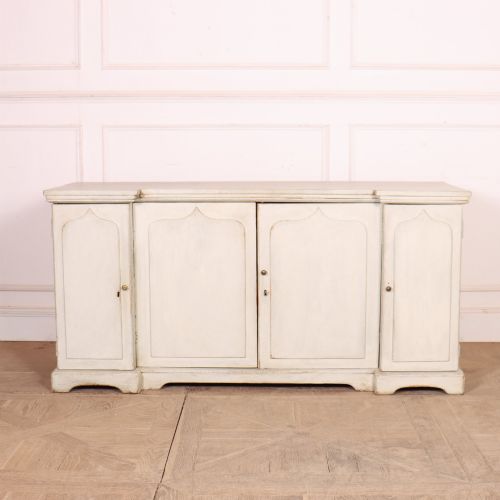
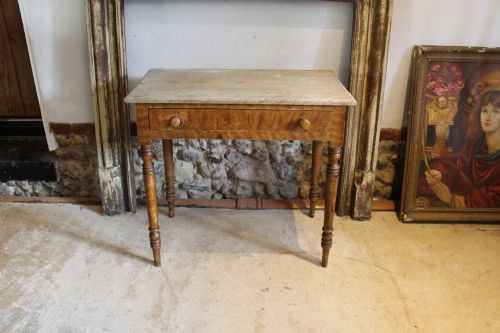
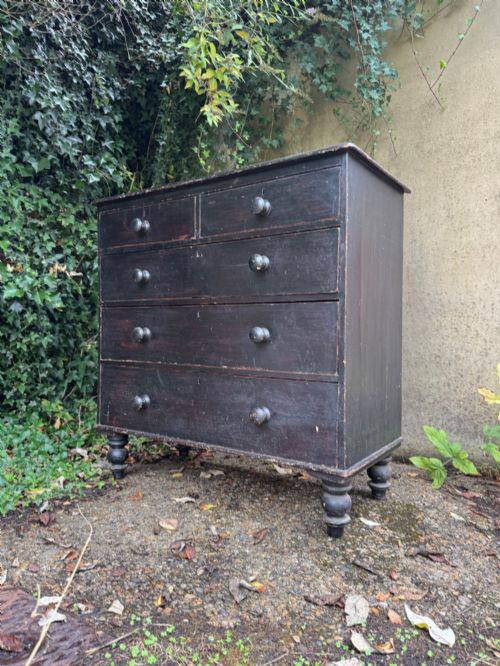
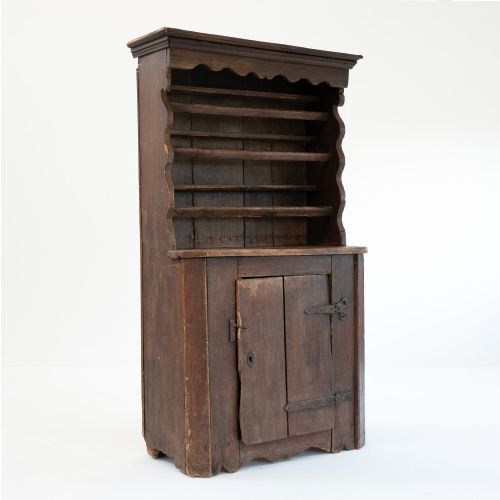
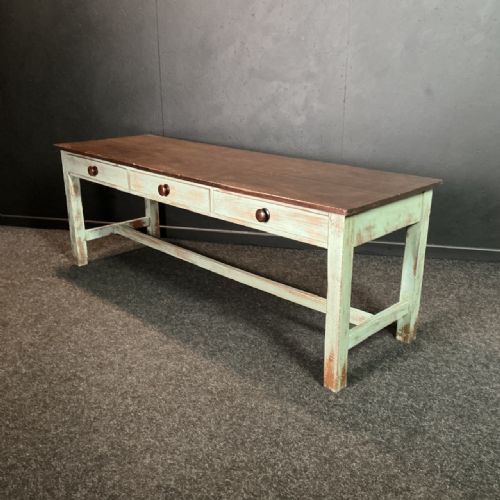
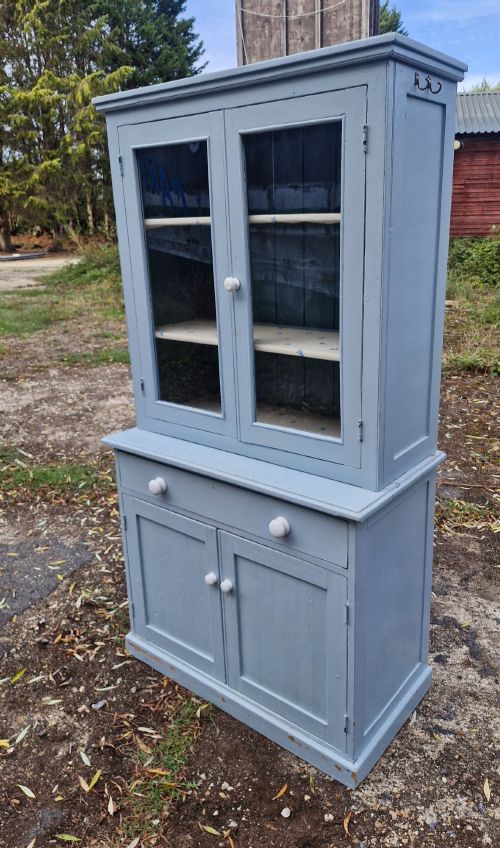
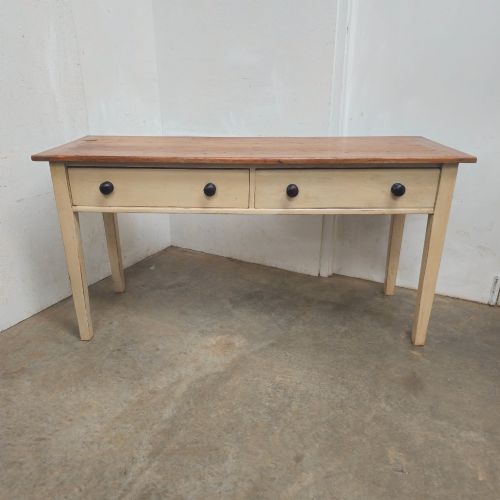
Beyond framed canvases, the category extends to decorated wooden surfaces and painted furniture where applied pigment forms an integral part of the piece. Such works connect directly to domestic and agricultural life of past centuries.
Materials and construction
Painters utilised oil and watercolour mediums applied to prepared canvas, wooden panels, or paper supports, often framed in period wooden mouldings. Applied pigments on utilitarian items like pine furniture involved layers of lead-based or oil paints.
Support structures rely on traditional joinery methods using native timbers such as pine, oak, and ash, providing sturdy grounds for both artwork and painted household objects.
Listings feature works spanning the eighteenth, nineteenth, and early twentieth centuries, incorporating oil, watercolour, and painted pine.
Assessing quality
Quality rests upon the skill of the brushwork, the expressiveness of the composition, and the condition of the painted surface over time. Finer examples display confident handling of light and pigment, whereas simpler vernacular pieces prioritise utility and decorative presence.
The survival of original surface treatments and untouched paint layers significantly influences the integrity of each piece. Retained patination on both canvases and painted wooden items signals genuine age and minimal modern intervention.
John Horace Hooper·Henry Silkstone Hopwood
The Rustic Country Painting Glossary
- Oil on Canvas
- Pigment mixed with drying oil applied to a stretched woven fabric support. This combination allowed artists to build rich textures and deep colour tones.
- Vernacular
- Objects or art forms made by local craftspeople for everyday use rather than high academic training. These pieces embody regional traditions and practical design.
- Scumble
- A thin, semi-opaque layer of light paint brushed loosely over a darker background. This technique creates a broken, textured colour effect common in period painted furniture.
- Provenance
- The documented history of ownership of an artwork or antique. Clear records help verify the origin and authenticity of older pieces.
Rustic Country Painting: Frequently Asked Questions
What subjects appear in these paintings?
These works depict pastoral landscapes, agricultural scenes, rural architecture, and traditional animal portraits. Artists recorded the everyday realities of nineteenth-century countryside life.
Subjects range from expansive landscape views to focused studies of farmworkers, blacksmiths, and prize livestock.
How do I care for an oil painting?
Keep paintings away from direct sunlight, high humidity, and rapid temperature fluctuations to protect the canvas and pigments. Dust gently with a soft, dry brush without applying pressure.
Avoid using water or chemical cleaners on the painted surface or the historic frame.
How do I date a painted wooden item?
Examine the construction methods, tool marks, and timber species used in the base structure. Hand-sawn boards and traditional joinery indicate older manufacturing periods.
Analysis of the paint layers and underlying patination also helps determine the age of the surface.
Where should I hang these artworks?
These pieces suit living rooms, dining spaces, and hallways where their naturalistic subjects complement traditional or rustic interiors. Pair them with period furniture for a cohesive display.
Ensure the hanging wall remains structurally sound and stable against excessive moisture.