

Rustic Country Low Stool
A rustic country low stool offers unpretentious utility, bringing honest timber character and tactile historical charm to modern interiors.
Rustic Country Low Stool
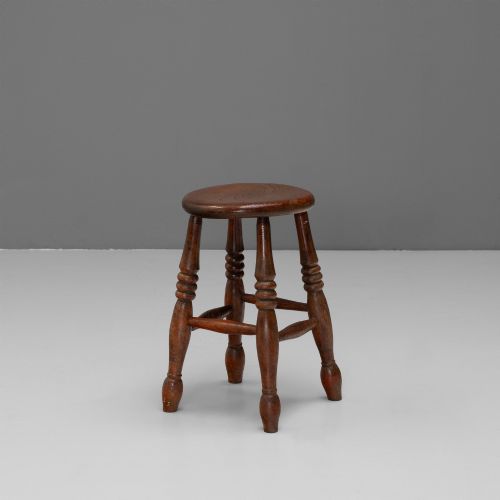
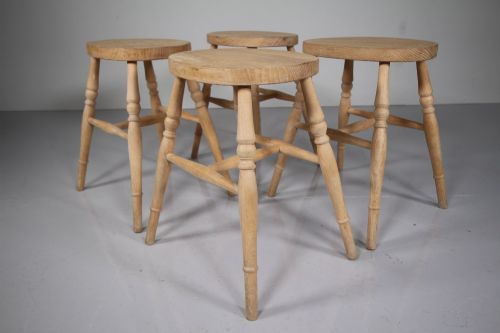
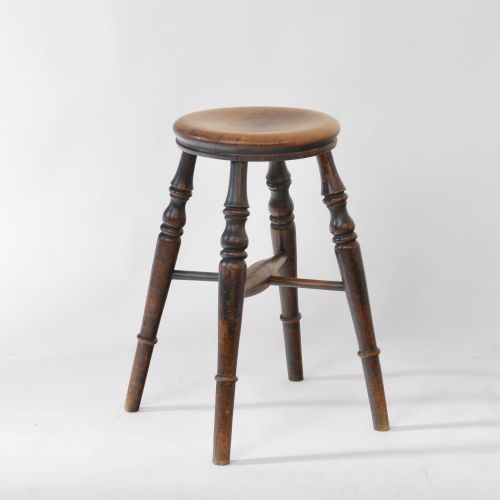
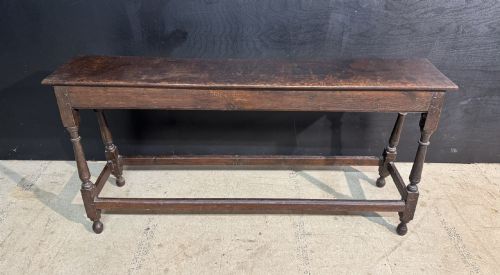
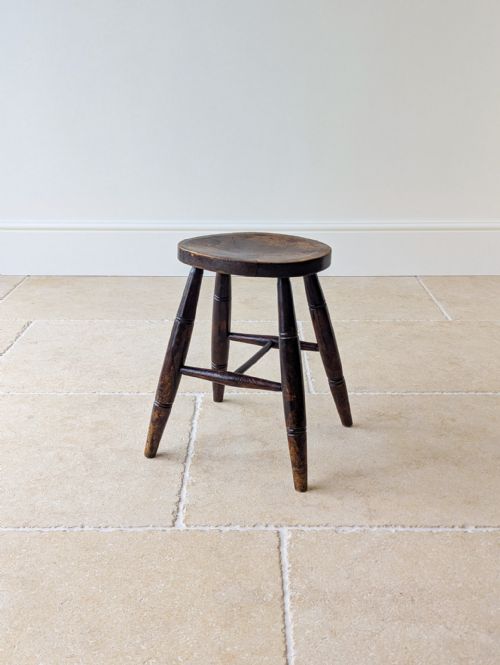
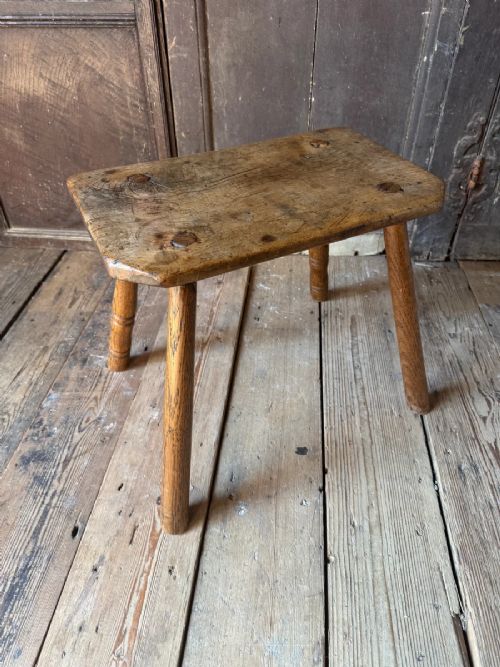
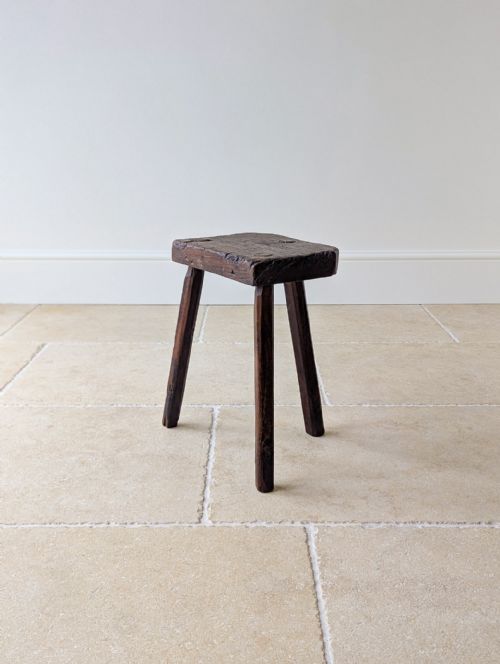
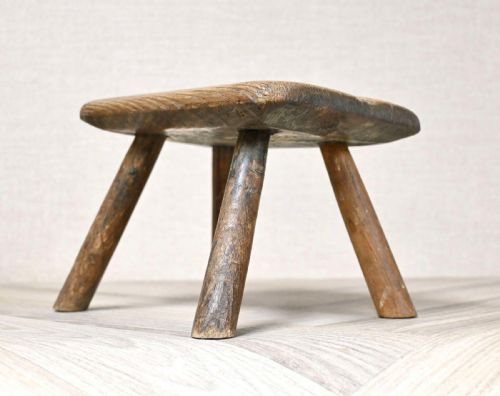
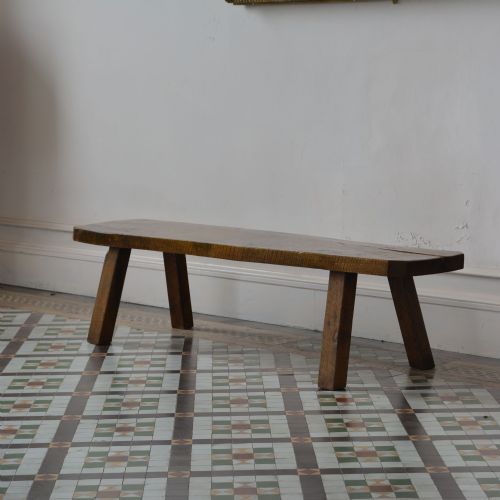
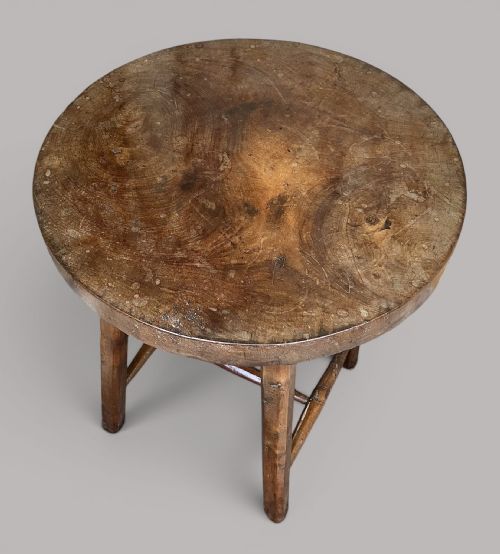
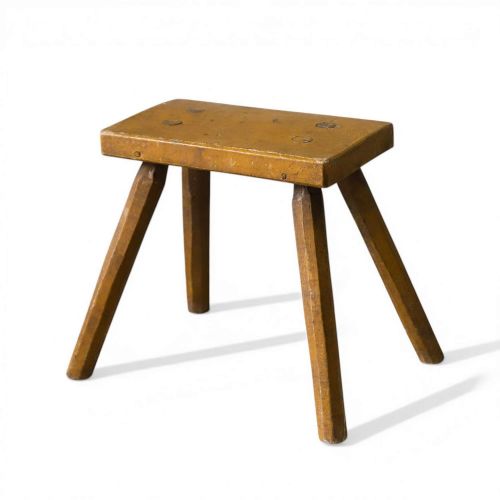
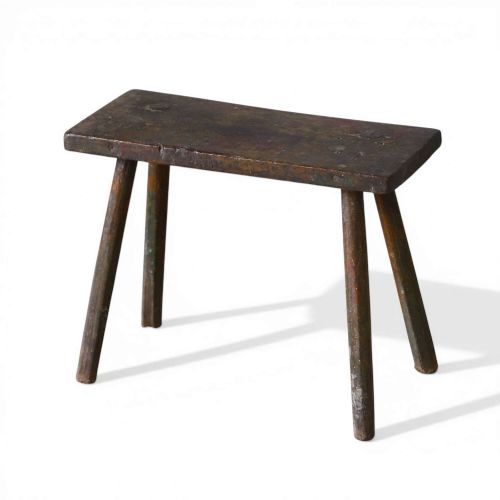
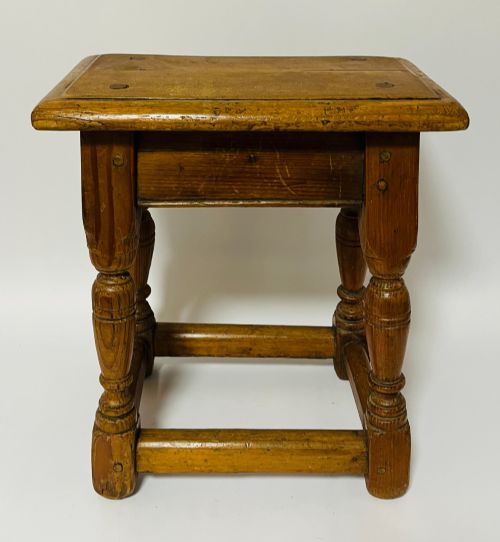
A rustic country low stool is a utilitarian seating form shaped by domestic, agricultural or trade needs across several centuries. When you search for a rustic country low stool on this page, you meet pieces spanning the eighteenth, nineteenth, and early twentieth centuries, alongside occasional Georgian and Edwardian examples. The selection ranges from three-legged milking stools and pub tavern seats to joint stools and hearth stools.
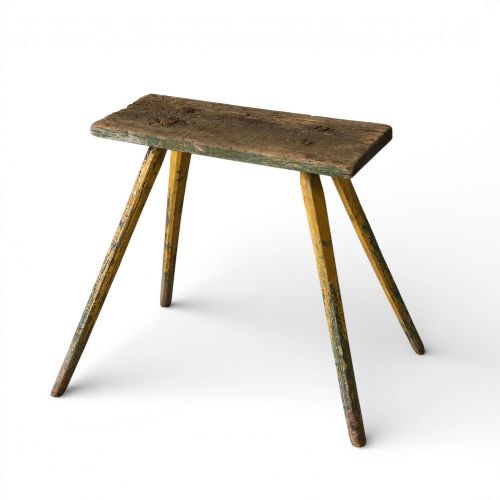
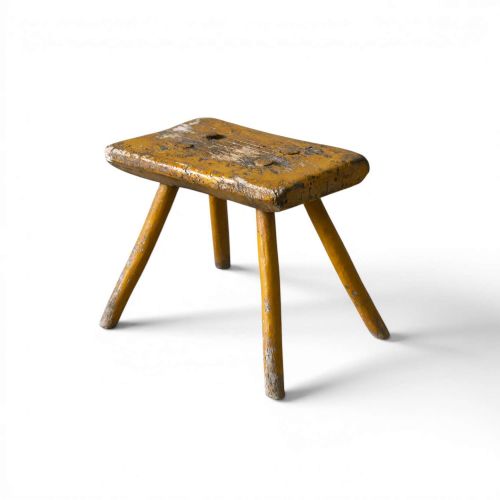
Forms vary from simple vernacular tripod designs with turned wooden legs to low rectangular pine benches and pegged joint stools. Many pieces reflect regional British or Eastern European domestic life, constructed for specific daily tasks near the hearth or workshop. The predominant materials are native hardwoods and softwoods selected for local availability and practical strength.
Materials and construction methods
Carpenters and rural makers utilised native timbers such as oak, elm, ash, sycamore, pine, and hardwood, often combining multiple woods within a single piece. Seats were frequently carved from solid elm or sycamore slabs, while undercarrames relied on turned ash or oak legs secured with wedged tenons or through-wedged mortises.
Surface treatments range from bare scrubbed timber displaying deep grain patination to surviving original coats of ochre, yellow, green, or dark paint. Construction prioritises functional durability over decorative refinement, resulting in exposed peg joints, adzed seat surfaces, and robust three-legged or four-legged bracing.
An unusually honest survivor on this page rests upon a single lonely leg, daring sitters to test their balance.
Assessing quality in vernacular seating
Quality in these pieces rests upon the integrity of the original construction and the character of the surface patination. Examples retain tighter joints, well-proportioned turned legs, and undisturbed signs of historical use without excessive modern intervention.
The Rustic Country Low Stool Glossary
- Joint stool
- A sturdy wooden stool assembled with mortise and tenon joints, pegged together for rigidity before the widespread use of glued furniture construction.
- Milking stool
- A low, typically three-legged seat designed for stability on uneven agricultural floors while milking livestock or performing low-level tasks.
- Vernacular
- Objects built by local craftsmen following regional traditions rather than high-style academic design patterns.
- Hearth stool
- A low seat positioned near the fireplace for warmth, frequently characterised by heavy timber construction and low overall height.
- Patina
- The surface sheen and colour depth acquired by timber and paint through decades of handling, cleaning, and environmental exposure.
Rustic Country Low Stool: Frequently Asked Questions
What is a joint stool?
A joint stool is an early form of domestic seating constructed with tight mortise and tenon joints held together by wooden pegs rather than metal nails.
These sturdy pieces served multiple household functions, from extra seating around the table to a stable platform for reaching high shelves.
Why do milking stools have three legs?
Three-legged stools remain stable on uneven floors, particularly in barns, dairies, and farmyards where flat surfaces are uncommon.
This practical three-point contact prevents the seat from rocking during everyday chores.
How do I date a country stool?
Dating relies on observing tool marks, timber species, wear patterns, and construction methods such as hand-turned legs or pegged joints.
Earlier eighteenth-century pieces often display hand-adzed surfaces and simpler, heavier proportions compared to later nineteenth-century factory-influenced turnings.
Where should I place a low stool at home?
Low stools fit naturally beside armchairs as side tables, near hearths for fireside seating, or as sculptural display surfaces in hallways.
Their compact scale allows them to slide easily beneath consoles or sit quietly in small corners.