

Rustic Country Kitchen Antiques
These rustic country kitchen antiques bring honest utility and enduring timber character straight to the heart of the home.
Rustic Country Kitchen Antiques
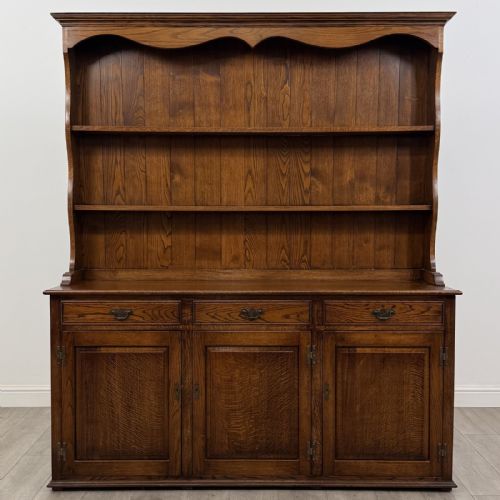
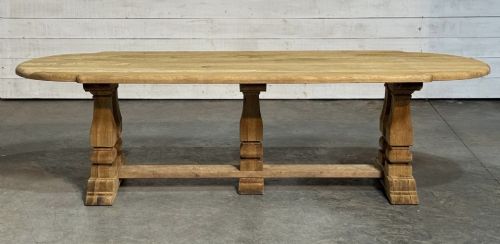
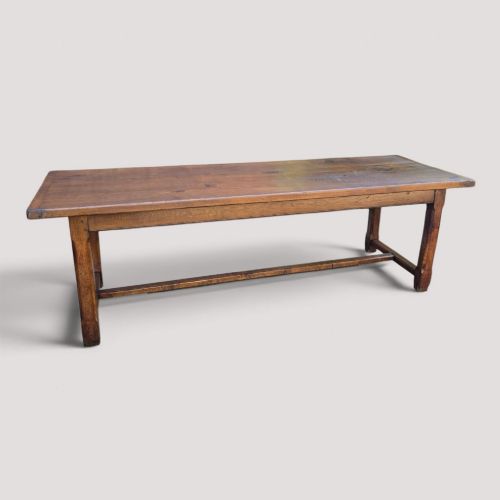
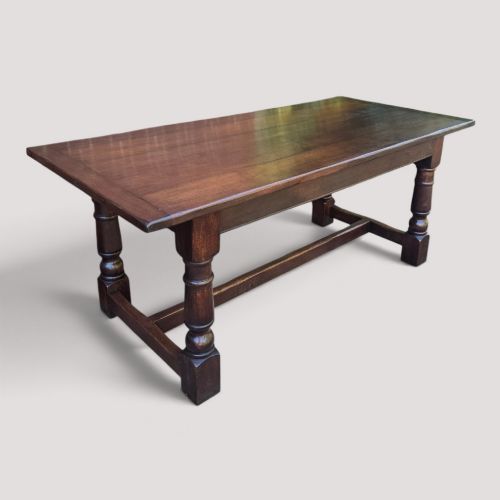
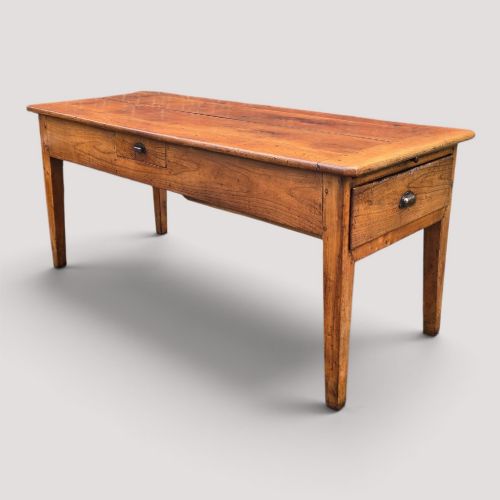
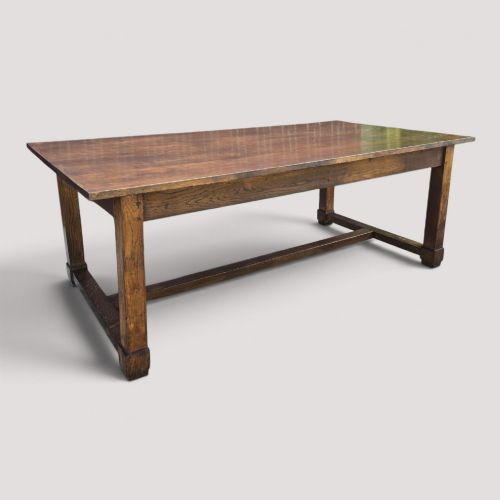
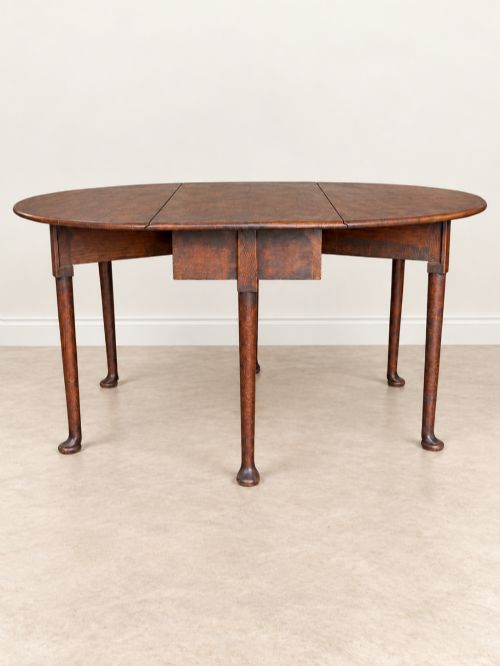
Rustic country kitchen antiques encompass utilitarian furniture and domestic objects built for everyday preparation and dining from the eighteenth century through the early twentieth century. When searching for rustic country kitchen antiques, buyers encounter heavy hardwood tables, substantial dressers, and sturdy seating designed for hard work rather than formal display.
The pieces appearing most frequently span the Georgian, Victorian, and Edwardian periods, with nineteenth-century examples dominating the selection. Dining tables, Windsor chairs, and kitchen cupboards form the core of what is available to furnish a functional space.
Origins vary across English, Welsh, Scottish, Irish, and French workshops, each bringing regional timber preferences and traditional construction methods to domestic furniture. These items carry the marks of generations of family meals, food preparation, and daily rural life.
Materials and Construction
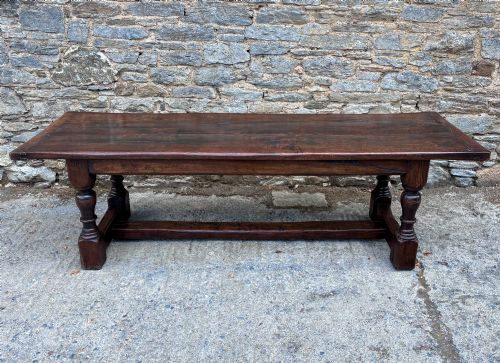
Makers relied heavily on domestic hardwoods such as oak, elm, ash, beech, and fruitwood, alongside versatile softwoods like pine for cupboards and secondary framing. Timbers were selected for strength and local availability, resulting in single plank table tops, turned bobbin legs, and pegged joints designed to withstand heavy daily use.
Seating often combined woods, utilising elm for comfortable saddle seats and ash or beech for resilient spindles and steam-bent bows. Cupboards and dressers featured brass hardware, iron hinges, and occasionally painted finishes that protected the underlying timber over decades of kitchen service.
Listings feature eighteenth-century pieces through to the 1930s, constructed predominantly from oak, pine, elm, and beech.
Distinguishing Quality and Character
Quality in these pieces is dictated by the integrity of the timber, the honesty of the construction, and the preservation of original surfaces. Tables constructed from single planks of oak or substantial fruitwood carry greater architectural presence than later composite tops.
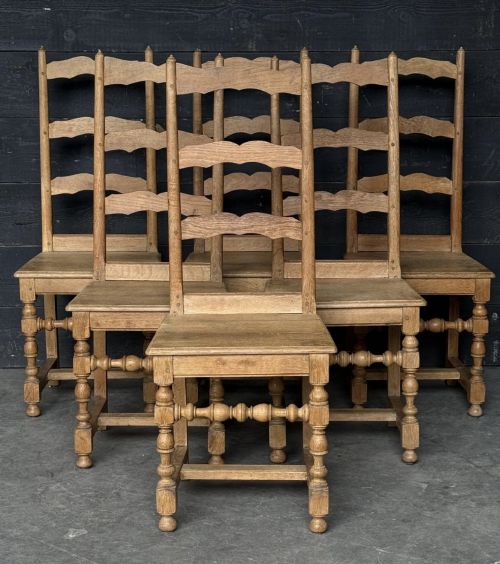
Seating shows quality in the depth of the saddle shaping on Windsor chairs and the matched turning of legs and stretchers across a set. Original patination, whether accumulated wax on pine or untouched dry scrubbed pine surfaces, elevates a piece above those stripped or heavily refinished.
The Rustic Country Kitchen Antiques Glossary
- Potboard
- A lower shelf fitted between the legs of a dresser base or table used originally for storing pots and pans. It provides structural stability to the frame.
- Windsor chair
- A traditional wooden chair featuring a solid carved wooden seat into which the legs and back spindles are wedged directly. Regional variations include stick backs and comb backs.
- Harlequin set
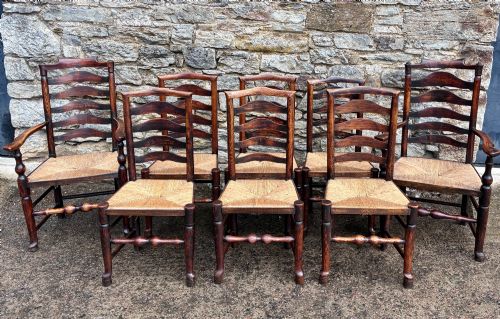
- A collection of dining chairs that match in style, period, or construction but were not originally manufactured as a single suite. They offer a collected look common in period kitchens.
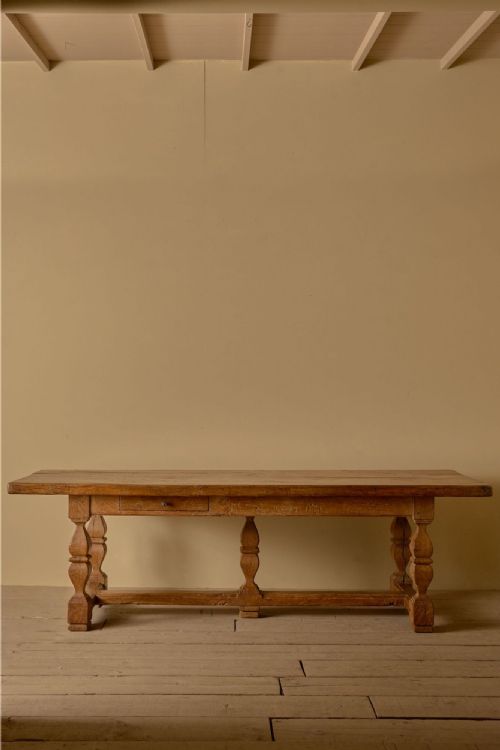
- Refectory table
- A long, narrow dining table originally built for communal dining in monasteries or large houses. Later country interpretations adopted the proportions for domestic kitchens.
- Patina
- The surface sheen and colour developed over decades of use, cleaning, and exposure to light. It is valued by collectors as evidence of age and authenticity.
Rustic Country Kitchen Antiques: Frequently Asked Questions
How do I clean an antique pine table?
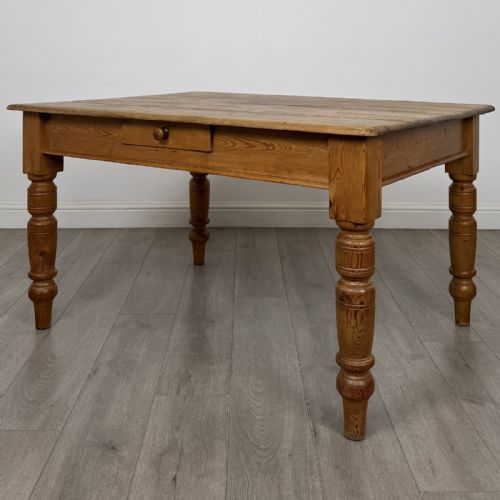
Clean antique pine surfaces using a damp cloth with mild soap, avoiding harsh chemical cleaners that strip the historic finish.
Dry the wood thoroughly immediately afterward and apply a natural beeswax periodically to nourish the dry timber.
Can I use an antique farmhouse table daily?
These tables were built precisely for heavy daily use by rural families and easily handle modern family life.
Use coasters and mats to protect the aged surface from extreme heat and moisture rings.
What is the difference between oak and pine furniture?
Oak is a dense hardwood selected for high-status tables and structural framework that endures centuries of heavy use.
Pine is a softer softwood utilised traditionally for painted larders, dressers, and kitchen cupboards where lighter weight and affordability mattered.
How do I identify a true period Windsor chair?
Look for construction details like through-wedged spindles, carved saddle seats shaped from a single elm block, and hand-turned legs.
Differences in wear patterns and subtle tool marks across the components indicate hand craftsmanship rather than mass production.