


Rustic Copper Kettle
These rustic copper kettle pieces offer the warm lustre of Victorian and Georgian metalwork, bringing utilitarian hearth vessels into modern display.
Rustic Copper Kettle
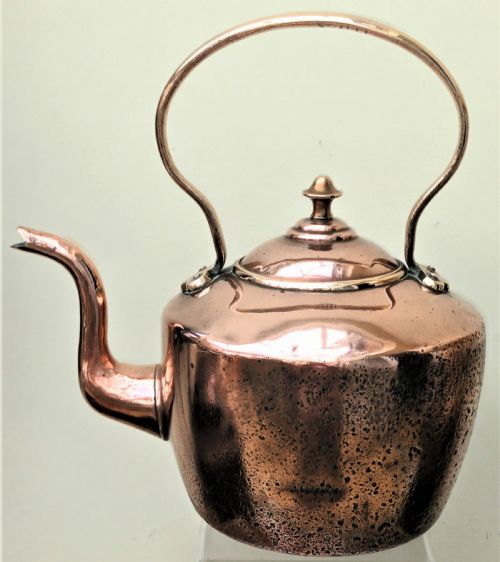
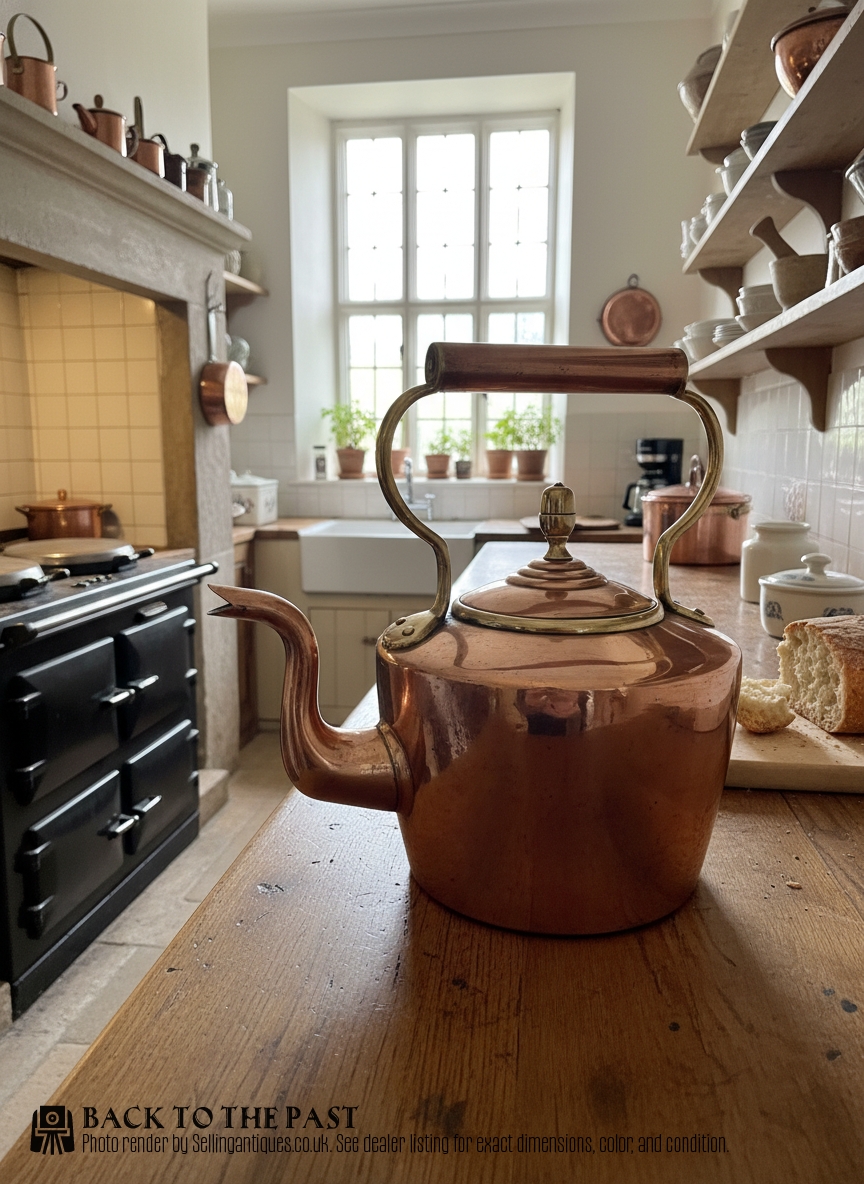
A rustic copper kettle brings domestic metalwork from the Georgian and Victorian eras into the modern room, serving as both functional vessel and decorative object. When people search for this rustic copper kettle phrase, they find heavy metal bodies shaped for boiling water over coal fires or hearths.
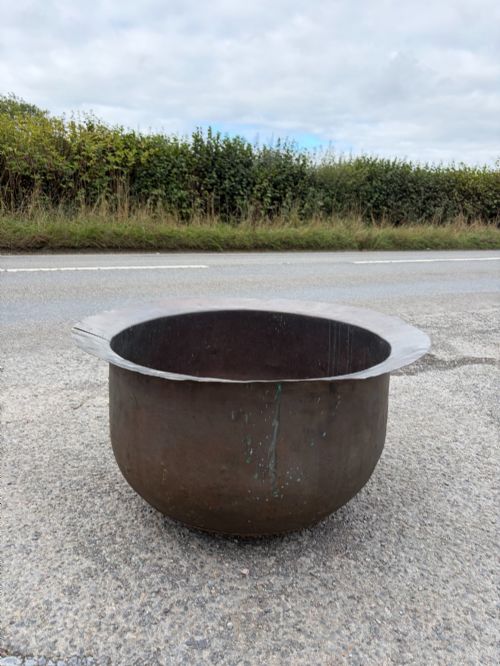
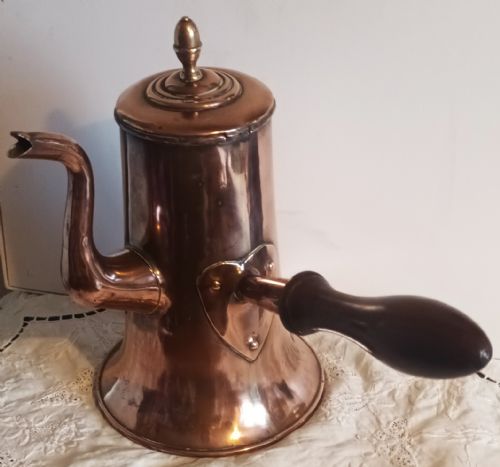
The versions most commonly met on this page span the nineteenth century, including specific dates such as eighteen hundred and eighteen eighty. Alongside traditional English kettles, the selections incorporate related forms like coffee pots and planters originating from English and Middle Eastern makers.
Most examples combine substantial copper construction with contrasting details in brass and wood. Whether formed as a large Georgian tea kettle or an antique Middle Eastern coffee pot, each piece displays the marks of active use and period handcraft.
How they were made
Many examples incorporate turned wooden elements on handles to insulate against heat during daily use. The combination of copper, brass, and wood reflects standard nineteenth-century metalworking methods practiced across English workshops.
Rustic Copper Kettle Retail Price Guide 2026
Typical asking prices for rustic copper kettle among the pieces listed under this phrase on Sellingantiques today, from the lower quarter to the upper quarter. They describe what is for sale here now, not the wider market.
Several kettles arrive with soot still clinging to their bases from nineteenth-century hearths.
What varies in quality
The distinction between ordinary and superior pieces rests upon the crispness of the hand-formed joints and the weight of the metal itself. Heavier gauge copper retains a more substantial feel and resists denting better than thinner utilitarian alternatives.
Finishing touches also separate standard kitchenware from finer display pieces, particularly in the shaping of brass mounts and the turned detail of wooden handle grips. Pieces that retain a balanced proportion and unblemished surfaces demonstrate superior original craftsmanship.
The Rustic Copper Kettle Glossary
- Georgian
- The period spanning the reigns of the four British monarchs named George, lasting from seventeen fourteen until eighteen thirty. Pieces from this era often display restrained classical proportions.
- Victorian
- The period covering the reign of Queen Victoria from eighteen thirty-seven to nineteen oh one. Metalwork from this time ranges from plain kitchen utilitarian items to heavily ornamented display pieces.
- George III
- The British monarch whose reign lasted from seventeen sixty年至 eighteen twenty. Antiques from this specific era are prized for their early nineteenth-century craftsmanship.
- Planter
- A container adapted from utilitarian vessels for holding growing plants. In metalwork collections, older pots and kettles are frequently repurposed for this decorative function.
Rustic Copper Kettle: Frequently Asked Questions
How were these kettles used originally?
These vessels sat directly on coal fires, kitchen ranges, or hearth trivets to boil water for tea and daily domestic tasks.
Their heavy copper construction ensured rapid heat transfer while standing up to decades of daily stoking and cleaning.
How do I clean an antique copper kettle?
Most collectors prefer to maintain a warm natural patina rather than polishing the metal to a bright shine.
If cleaning is necessary, use a mild proprietary copper cleaner without abrasive pads to preserve the historic surface.
Can I still use these kettles to boil water?
While structurally robust, many older kettles feature historical repairs or internal solder that may not meet modern food safety standards.
It is generally wiser to enjoy them as decorative objects or plant containers rather than for daily beverage preparation.
How do I tell a Georgian kettle from a Victorian one?
Georgian pieces usually display simpler, heavier forms with restrained decoration tied to eighteenth-century classical design.
Victorian examples often incorporate more varied handle designs and heavier brass mounts reflecting later industrial techniques.