


Rustic Church Seating
These rustic church seating pieces bring history and sturdy character indoors, offering authentic communal forms that suit modern hallways and kitchens alike.
Rustic Church Seating
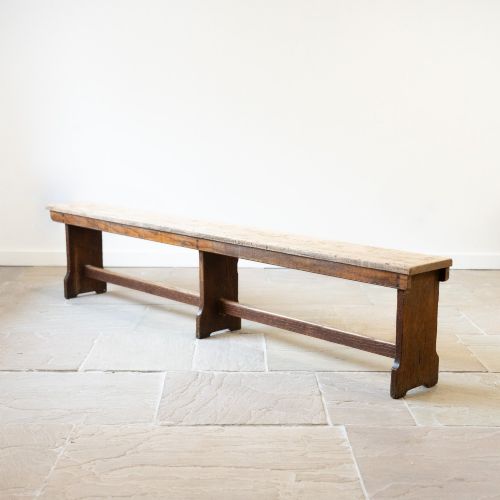
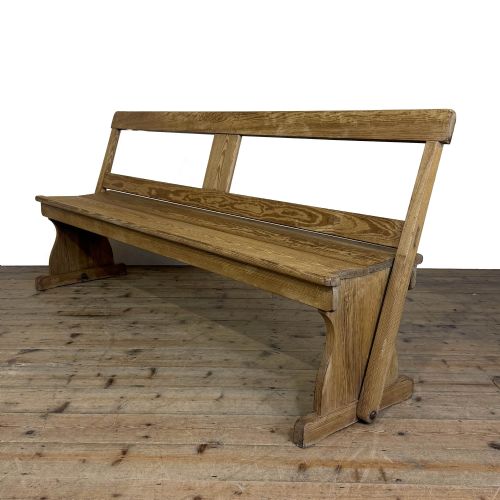
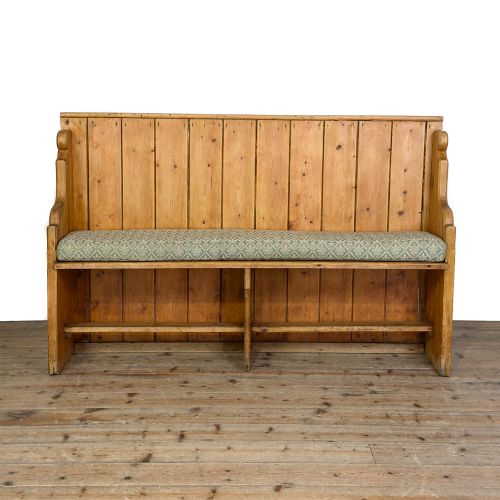
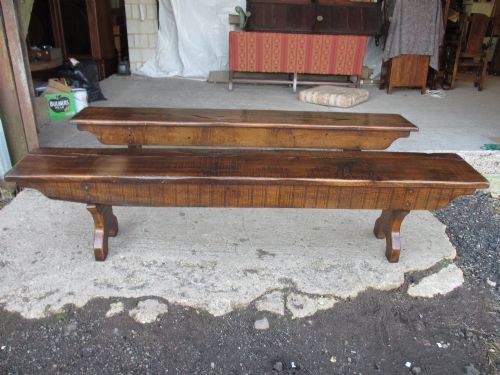
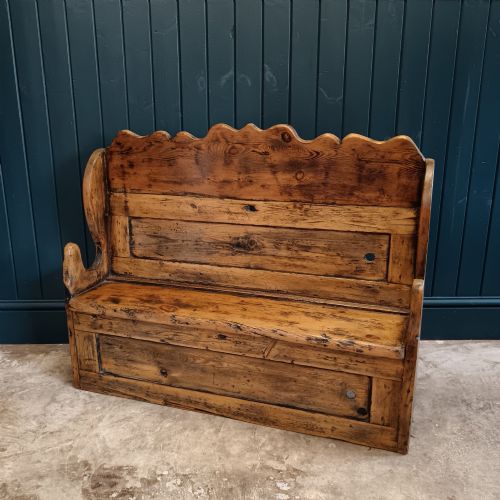
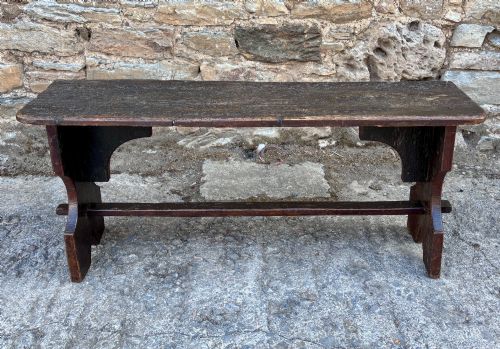
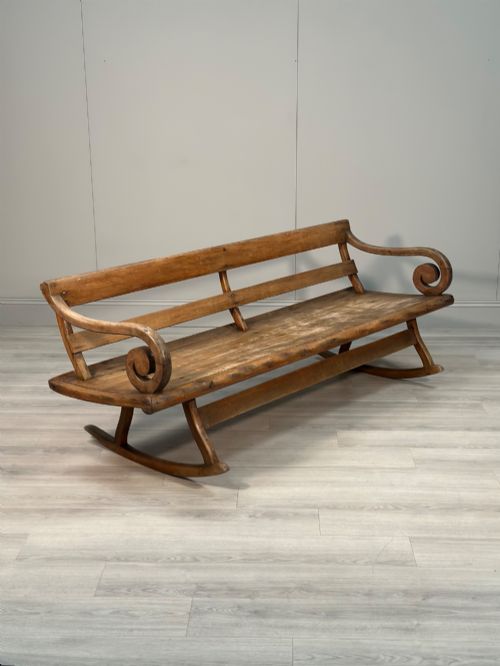
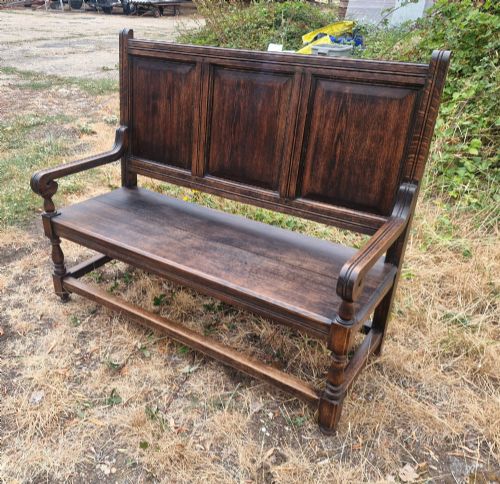
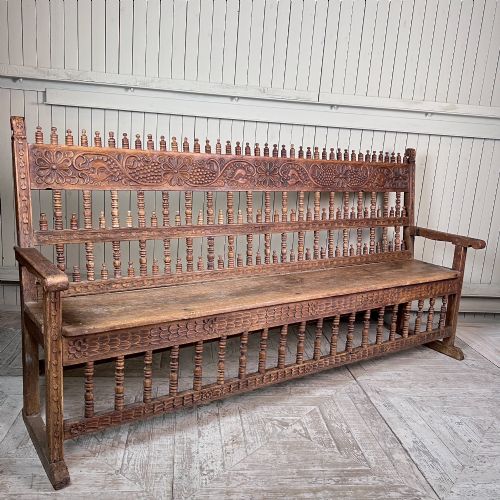
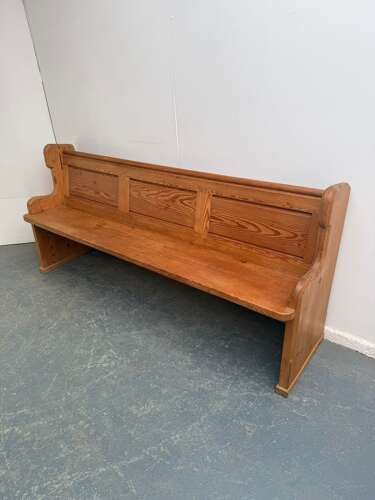
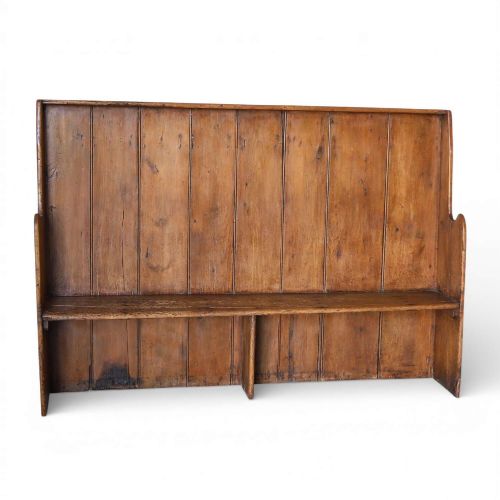
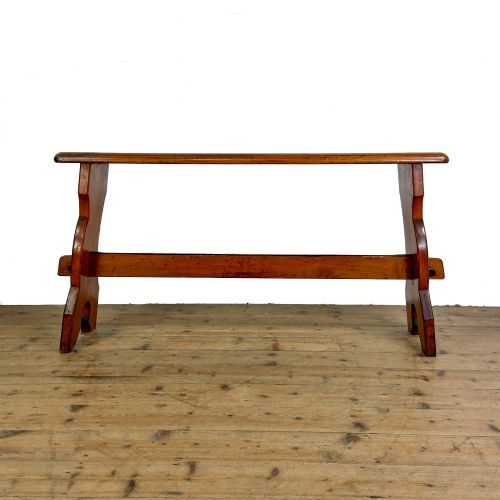
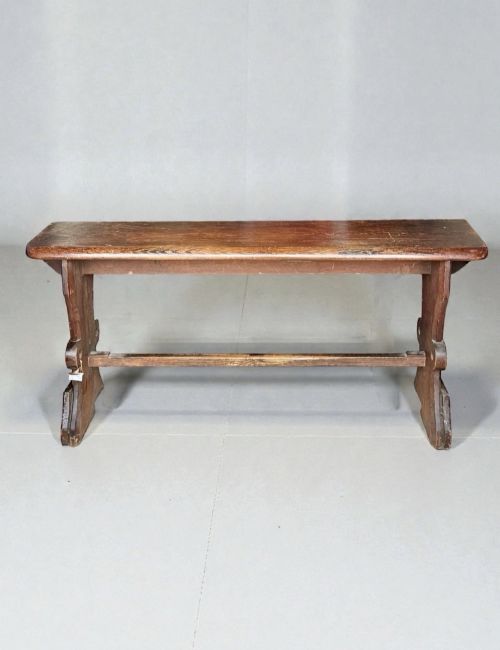
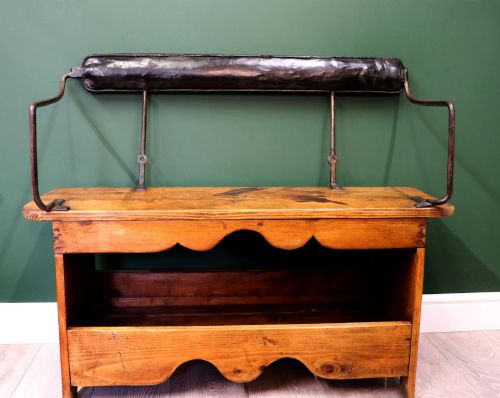
Rustic church seating encompasses robust wooden benches, settles and pews originating from ecclesiastical and domestic settings across the eighteenth, nineteenth and early twentieth centuries. These items are designed for communal use, frequently taking the form of long pine or oak pews, settle benches with high backs, and trestle-ended refectory benches.
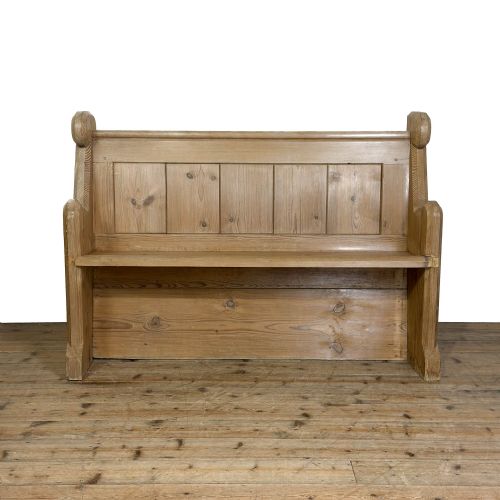
The versions most commonly encountered on this page are nineteenth-century Victorian pine church pews and country oak settles. Pieces range from simple waxed pine chapel seating to Gothic Revival pitch pine benches featuring shaped ends and carved details.
Materials and construction
Carpenters constructed these items primarily from solid timber such as pine, pitch pine, oak, elm and chestnut. Boards were joined using traditional methods suited to heavy daily use in chapels, churches and taverns.
Surfaces were frequently finished with wax, left with a natural honey brown patina, or coated in original paint such as blue. Structural elements often included shaped trestle ends, panelled backs and sturdy iron fixings.
Rustic Church Seating Retail Price Guide 2026
Typical asking prices for rustic church seating among the pieces listed under this phrase on Sellingantiques today, from the lower quarter to the upper quarter. They describe what is for sale here now, not the wider market.
Current listings feature seating from the 18th century, Victorian era, Edwardian period and 1930s, constructed in pine, oak, pitch pine, elm, chestnut and iron.
Judging quality in ecclesiastical furniture
Quality rests in the integrity of the timber and the depth of the patination built up through decades of handling. Timbers that retain their original waxed surface or untouched historic paint finishes stand apart from heavily restored examples.
Construction details also dictate standard, where substantial thickness in the pine or oak boards and robust pegged joints separate utilitarian workshop items from finer Gothic Revival architectural seating.
The Rustic Church Seating Glossary
- Settle
- A wooden bench with a high back, solid arms and often a box compartment beneath the seat. This form protected sitters from draughts in older domestic and ecclesiastical interiors.
- Pew
- A long bench utilised for seating congregations in churches and chapels. They are typically constructed from pine, pitch pine or oak with straightforward rectangular or panelled backs.
- Refectory bench
- A long, narrow seating form traditionally paired with a dining table in large halls. Examples in the listings utilise oak or pine with trestle ends.
- Gothic Revival
- An architectural and decorative style popular during the Victorian period. It employs pointed arches, tracery and carved woodwork derived from medieval design.
- Patina
- The surface sheen and colour acquired by wood through age, wear and regular waxing. A desirable honey brown patina indicates decades of legitimate use.
Rustic Church Seating: Frequently Asked Questions
What is the difference between a pew and a settle?
A pew is a straightforward long bench designed for rows in a church or chapel, usually featuring an open back and simple supports. A settle incorporates high solid backs and sides meant to block cold draughts in domestic rooms.
Settles frequently include enclosed storage beneath the seat base, whereas pews remain open underneath.
How do I care for antique pine seating?
Maintain waxed pine surfaces by applying a traditional beeswax polish sparingly and buffing with a soft cloth. Avoid placing these wooden items near direct heat sources to prevent the timber from splitting.
Keep painted pieces away from excess moisture to protect the historic surface layer from lifting.
Where can I place a long church bench at home?
Long church pews and settles fit well along a hallway wall, providing a practical spot for putting on shoes. They also function effectively positioned against a dining table or kitchen wall.
Shorter chapel benches work well in boot rooms or bedrooms as standalone accent seating.
How can I tell the period of a wooden bench?
Examine the timber species, tool marks and construction joints to determine age. Victorian pieces often utilise pitch pine or deal with machine-sawn components, while earlier eighteenth-century examples display hand-Hewn oak and pegged joints.
Surface patination also offers clues, as genuine centuries-old wear differs significantly from modern distressing.