

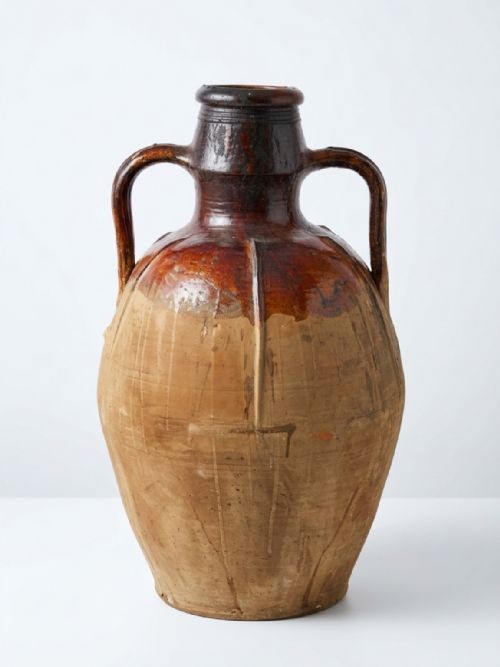


Rustic Ceramic Jar
A rustic ceramic jar brings heavy earthenware and aged glaze into a room, shaped for oil, wine, and water across centuries.
Rustic Ceramic Jar
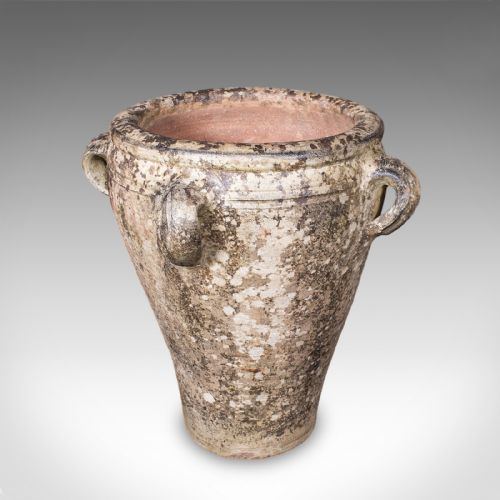
A rustic ceramic jar is a heavy storage vessel shaped for practical duties like holding oil, wine, olives, and water. When you search for this phrase, you find forms that served working rural kitchens and country estates across France, Italy, Turkey, and Portugal.
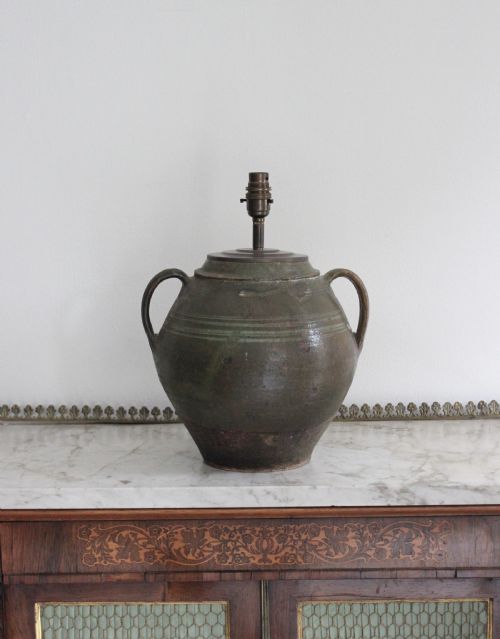
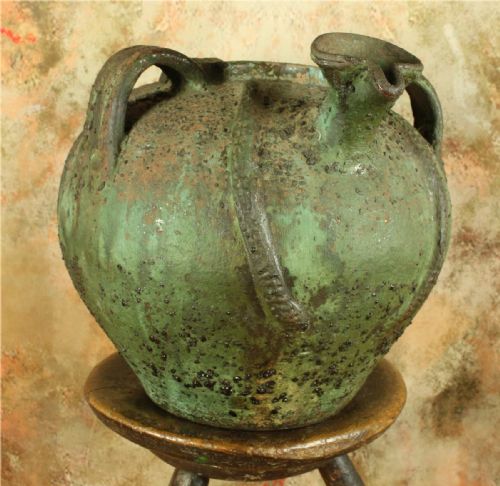
The most common examples on this page are French confit pots, olive jars, and large terracotta vessels originating from the nineteenth and eighteenth centuries. These items carry the weight of utilitarian European folk traditions, shaped from humble clay for daily agricultural use.
How they were made
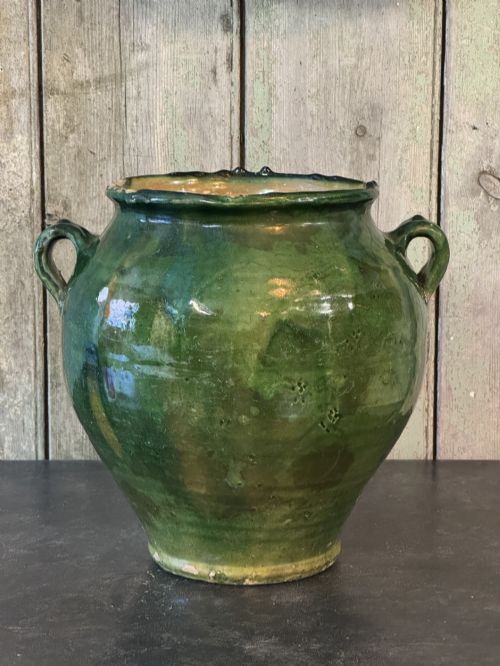
Makers formed these vessels from local clay and terracotta, often finishing the surfaces with lead glazes in greens or earthy tones to seal the porous bodies. Many pieces show the honest marks of hand-forming and open-kiln firing.
Iron details appear on specific forms, such as handles or stands paired with the earthenware bodies. The combination of simple clay and functional glazes created tough vessels meant for heavy liquids.
Rustic Ceramic Jar Retail Price Guide 2026
Typical asking prices for rustic ceramic jar among the pieces listed under this phrase on Sellingantiques today, from the lower quarter to the upper quarter. They describe what is for sale here now, not the wider market.
Materials span plain clay and terracotta alongside glazed earthenware, salt-glazed stoneware, and iron fittings.
What varies in quality
Quality rests in the harmony of the thrown form, the depth of the glaze, and the natural patina acquired through decades of agricultural service. A finer vessel holds its proportions clearly, while the glaze runs and pools with distinct character.
The integrity of the heavy earthenware body and the presence of original handles or surface markings separate standard utility pots from pieces with stronger decorative presence.
The Rustic Ceramic Jar Glossary
- Confit pot
- A glazed earthenware vessel traditionally used in rural France for cooking and preserving meats. These pots feature sturdy handles and internal glazes.
- Terracotta
- Fired unglazed or glazed clay of a brownish-red colour, used widely for large Mediterranean storage vessels. The porous material darkens and ages with moisture.
- Glaze
- A vitreous coating applied to ceramics to seal the porous clay body. On these jars, glazes often appear in rich greens or earthy tones.
- Amphora
- A tall ancient storage vessel with two handles and a pointed or round base, adapted in later Mediterranean traditions for estate use.
- Patina
- The surface sheen and textural wear developed on clay and glaze through long handling and exposure to the elements.
Rustic Ceramic Jar: Frequently Asked Questions
What were rustic ceramic jars used for?
These large vessels served practical agrarian purposes across the Mediterranean and rural Europe, holding household stores like olive oil, wine, water, and preserved confit meats. Their thick clay walls helped maintain steady internal temperatures for stored goods.
Over time, these utilitarian jars moved from working storehouses into domestic spaces, valued for their generous scale and honest forms.
How do I clean a terracotta jar?
Clean these porous earthenware surfaces gently with dry cloths or soft brushes to preserve the dry or glazed skin and accumulated surface patina. Avoid soaking antique terracotta in water, as the aged and unglazed clay can absorb moisture.
Harsh chemical detergents will strip the delicate historical surfaces and dry out the historic clay body.
Are these jars waterproof?
Fully glazed pieces, such as green confit pots and salt-glazed vinegar barrels, generally hold liquids safely because the vitreous coating seals the porous clay body. Unglazed or partially glazed terracotta jars often remain porous and can seep moisture through the walls.
Use a protective liner inside unglazed vessels if you plan to display fresh flowers or water plants indoors.
How do I date an old ceramic jar?
Dating relies on observing the potting style, handle placement, clay composition, and the specific characteristics of the glaze or lack thereof. Eighteenth-century pieces often display heavier thrown forms and distinct regional French or Mediterranean traits compared to later Victorian items.
Historical context builds through comparing the wear patterns and manufacturing techniques recorded across similar surviving examples.