







Rustic Blue Hall Table
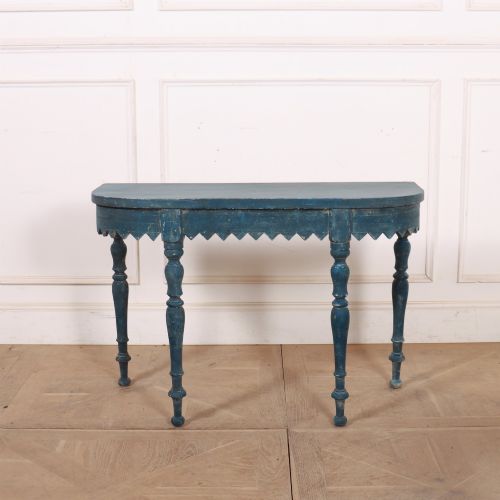
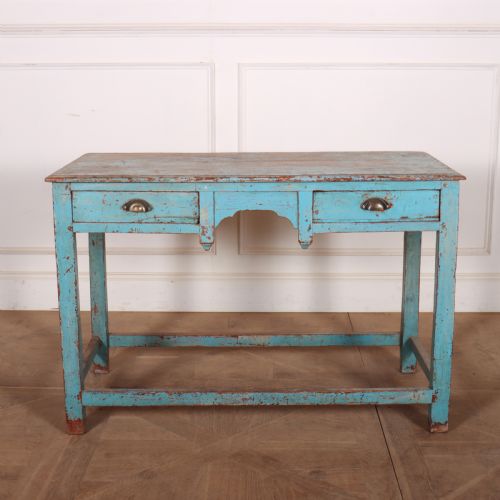
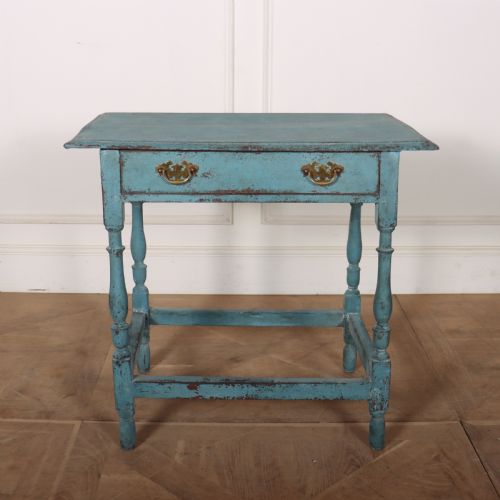
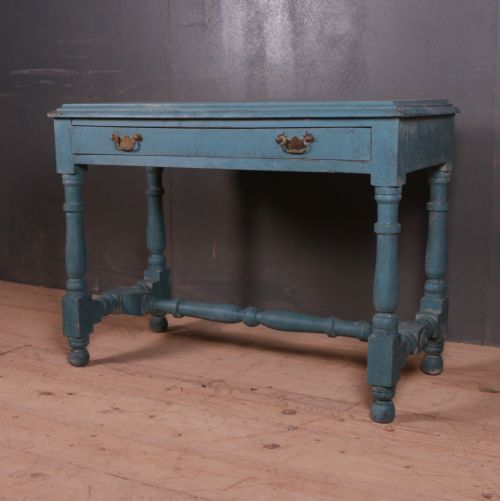
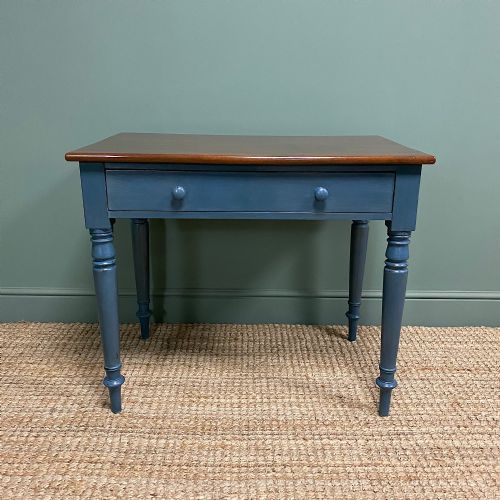
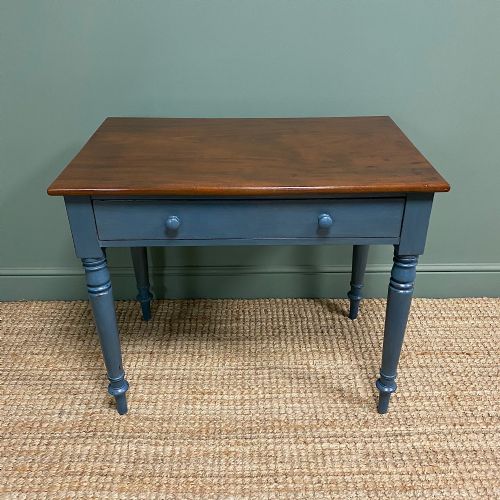
These rustic blue hall table pieces combine everyday utility with painted charm, offering character for narrow entryways and corridors.
Rustic Blue Hall Table
A rustic blue hall table serves as a functional surface in entryways, corridors and narrow spaces where a compact footprint matters. The selections seen here span periods from the eighteenth century through to the early twentieth century, including Georgian, Victorian and 1890 examples.
The forms vary across side tables, console tables, washstands, dressers and sideboards. English country, Swedish folk art, industrial and rustic farmhouse styles dominate the grouping.
Buyers will most frequently encounter painted pine and reclaimed pine versions finished in blue paint. These items bridge domestic utility and decorative folk tradition.
How they were made
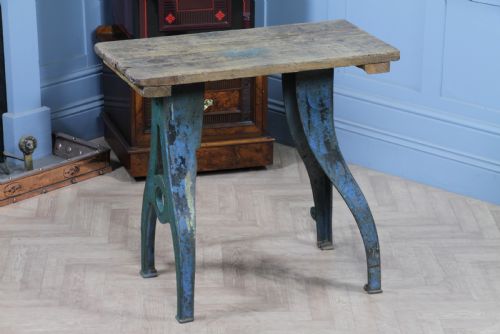
Construction relies primarily on wood, specifically pine, reclaimed pine and general timber joined for sturdy everyday use. Makers built these items using solid boards for tops and bases, sometimes incorporating brass hardware or cast iron machine bases for industrial variations.
Surfaces received layers of paint, often in blue hues, creating the characteristic painted wood finish seen across English and Swedish examples. Tree bark and marble tops also appear in specific washstand and occasional table variants.
What varies in quality
Quality rests in the integrity of the timber and the character of the painted surface over time. Original paint layers that have aged naturally carry more visual depth than later repainting efforts.
The complexity of construction distinguishes simpler side tables from elaborate console tables or washstands with marble inserts and brass details. Proportions and the retention of original structural elements define the finer examples.
The Rustic Blue Hall Table Glossary
- Console Table
- A table designed to be fixed against a wall, often supported by brackets or legs at the front. These pieces suit narrow hallways where floor space is limited.
- Washstand
- A piece of furniture designed to hold a basin and pitcher for washing, frequently featuring marble tops in the nineteenth-century examples. They adapt well as hallway or bathroom surfaces.
- Potboard Dresser Base
- The lower section of a kitchen or dining dresser featuring an open shelf at the bottom for pots and pans. This form provides substantial storage in larger hallways.
- Folk Art
- Decorative and utilitarian items made within a traditional community culture, often reflecting regional styles. Swedish folk art pieces on this page showcase distinct Scandinavian painting traditions.
- Reclaimed Pine
- Timber salvaged from older structures and repurposed to build new furniture. This material gives tables a weathered appearance while maintaining structural utility.
Rustic Blue Hall Table: Frequently Asked Questions
Where should I place a hall table?
These tables fit naturally in narrow entryways, corridors and landings where surface space is needed without blocking foot traffic.
Their compact depths make them ideal for dropping keys, post or placing a small lamp.
How do I clean a painted wooden table?
Dust the surface regularly with a soft, dry cloth to prevent dirt accumulation on the painted finish.
Avoid harsh chemical cleaners or excessive moisture that might compromise historic paint layers.
What is the difference between a side table and a console table?
Side tables are generally freestanding and finished on all sides for placement anywhere in a room. Console tables are traditionally designed to sit flat against a wall.
Both serve similar functional roles in hallways depending on the available wall space.
How do I identify a nineteenth-century pine piece?
Nineteenth-century pine furniture often displays hand-cut joins, older fastener types and timber density typical of slower-grown historical trees.
Surface wear and traditional blue paint layers also help indicate the age of the item.