

Rural Landscape Oil Painting
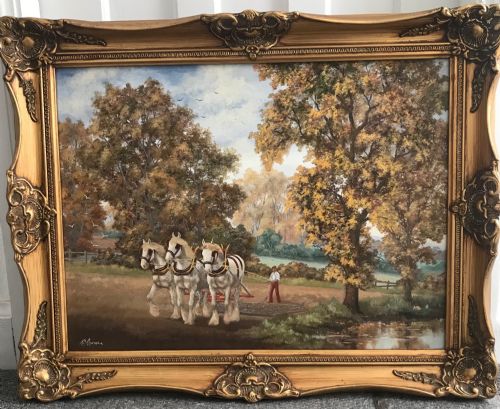
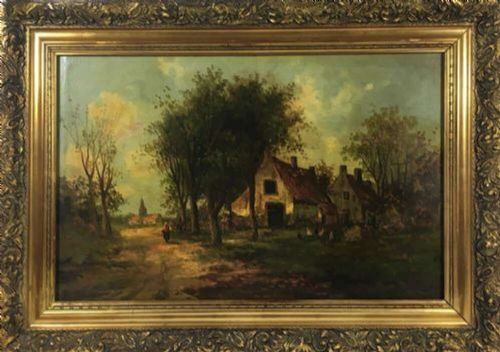
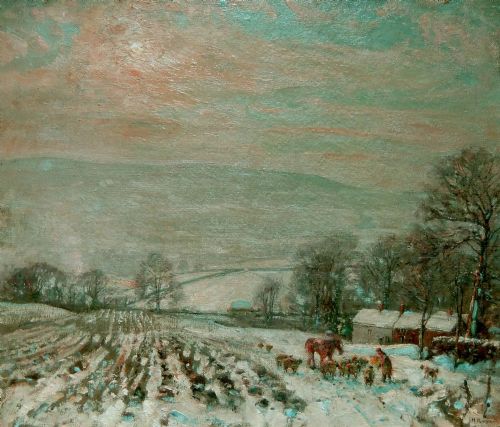
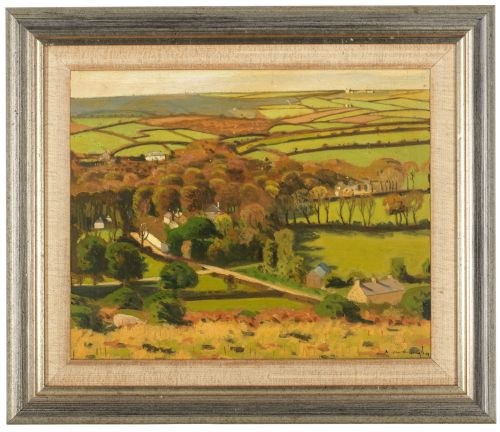
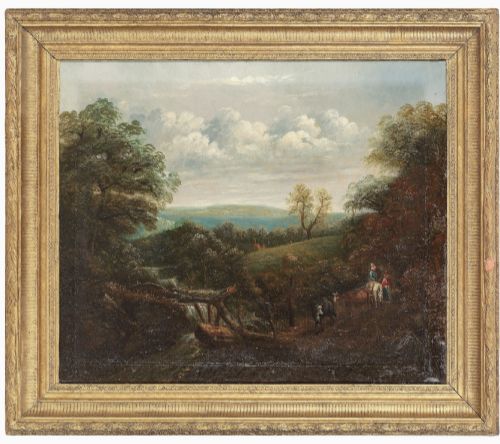
A rural landscape oil painting captures the quiet rhythm of country life, from thatched cottages to harvest fields.
Rural Landscape Oil Painting
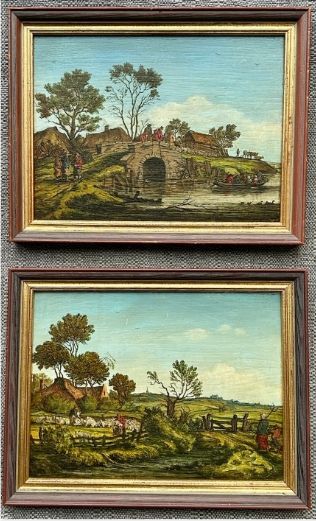
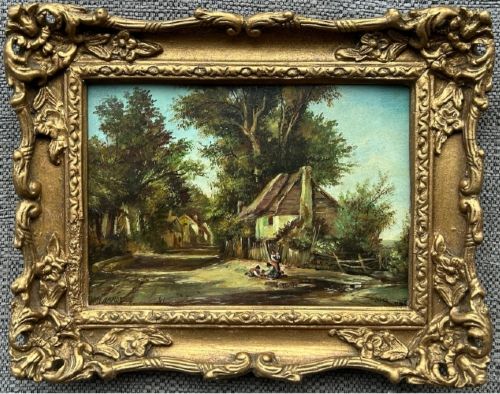
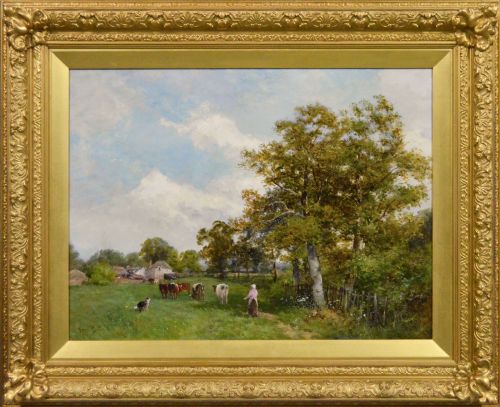
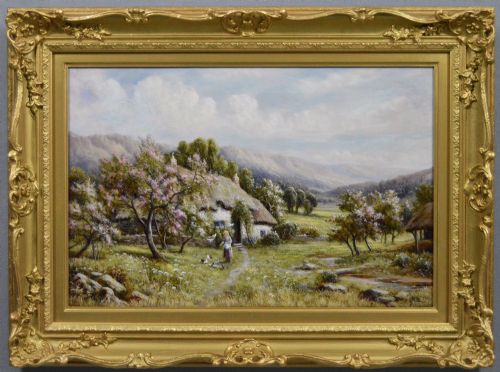
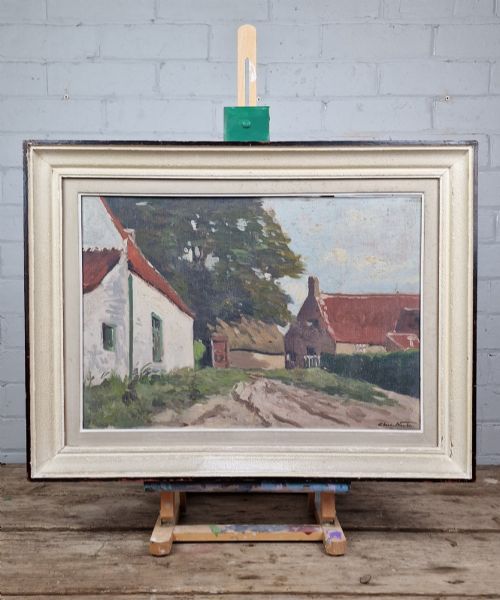
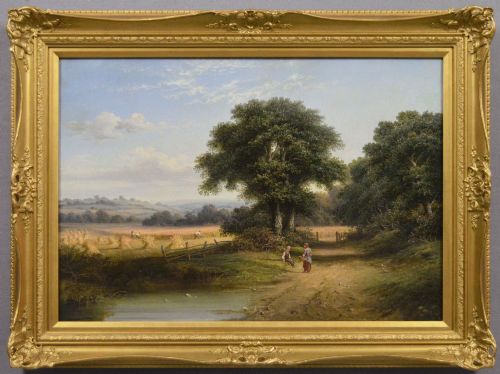
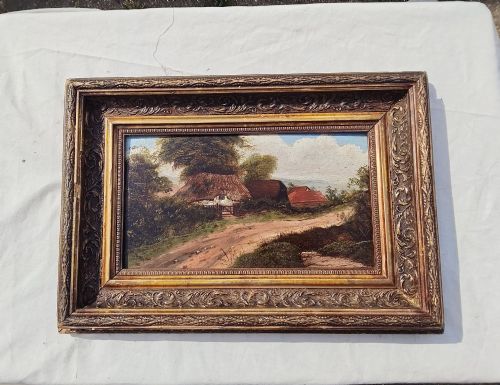
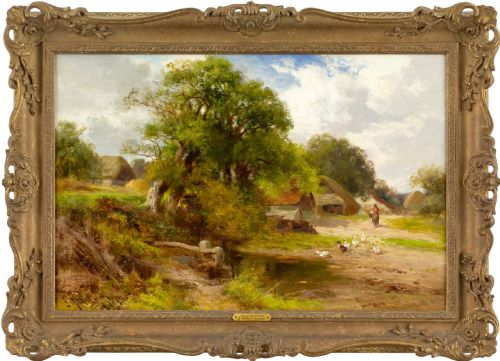
A rural landscape oil painting depicts country scenes, including farmyards, cottages, rivers, and agricultural workers, spanning the Victorian and Edwardian periods.
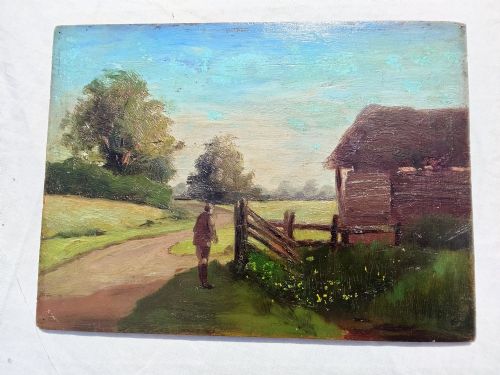
Common formats include framed works on canvas, wood panels, and board, often reflecting the influence of the Barbizon school and British Impressionism.
Materials and methods
Artists painted primarily with oil pigments onto prepared canvas, wooden panels, board, or card, sometimes utilising gesso as a ground.
Brushwork ranges from tight academic realism to looser impressionistic dabs, depending on the period and the regional school.
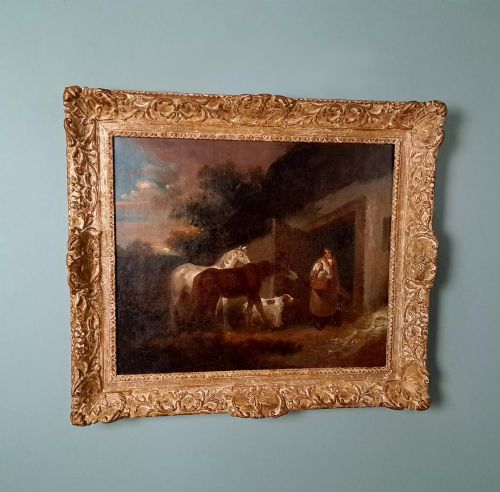
Many works survive in their original or period frames, which are frequently constructed of gilt wood.
Rural Landscape Oil Painting Retail Price Guide 2026
Typical asking prices for rural landscape oil painting among the pieces listed under this phrase on Sellingantiques today, from the lower quarter to the upper quarter. They describe what is for sale here now, not the wider market.
Several panels double as impromptu portraits for remarkably plump farmyard ducks.
Markers of quality
Quality rests upon the artist's handling of light and atmospheric perspective, distinguishing a lively impression from a stiff, formulaic copy.
The precision and vitality of figure and animal drawing elevate a composition above standard decorative cottage scenes.
Original frames matching the age of the canvas add significant integrity to the piece.
George Graham·William Howard Hardy·William Joseph Shayer Senior·Herbert Royle·Robert Morson Hughes·David Bates·Robert John Hammond·Charles Houben·Walter Heath Williams·John Horace Hooper·Raymond Booth·Frederick Walker·Eric Brown·Ernest Higgins Rigg·Umberto Volpato·William Greaves·Miles Birkett Foster·George Morland·Johannes de Haas·Sydney Yates Johnson·Owen Bowen·Charles Clair·Harry Freckleton·Raimond Louis Lecourt·William Henry Mander
The Rural Landscape Oil Painting Glossary
- Barbizon School
- A French movement focused on realistic landscape painting en plein air. Artists in this circle drew inspiration directly from the forests and farmlands surrounding Fontainebleau.
- Gesso
- A plaster mixture used as a prepared surface for painting on wood panels or canvas. This ground provides a smooth, stable foundation for oil pigments.
- Panel
- A rigid wooden support used by artists before stretched canvas became dominant. These pieces were often made from oak, mahogany, or deal.
- Impressionism
- A style emphasising small, thin brush strokes and accurate depiction of changing light. Practitioners often worked outdoors to capture fleeting weather and rural conditions.
- Provenance
- The documented history of ownership of an artwork. Clear records help authenticate the creator and exhibition history.
Rural Landscape Oil Painting: Frequently Asked Questions
What subjects appear in these paintings?
These works typically show domestic livestock, harvest workers, cottages, and river paths. Scenes range from quiet winter lanes to bustling farmyards.
Animals feature heavily, with heavy horses, cattle, and sheep appearing alongside figures engaged in rural labour.
How do I date a rural landscape?
Clothing styles of the figures, framing techniques, and signatures offer primary clues. Canvas stamps and written inscriptions on the reverse also help narrow the decade.
Victorian pieces often display narrative detail, whereas later twentieth-century works lean towards impressionistic brushwork.
Where should I hang an oil painting?
Keep paintings away from direct sunlight and damp walls to protect the canvas and oil pigments. Stable indoor temperatures prevent the wood panels and gesso from cracking.
Choose a spot with indirect ambient light to appreciate the texture of the brushwork without glare.
What is the difference between canvas and panel?
Canvas offers slight give and texture when stretched over a wooden frame, allowing for expressive, varied brushstrokes. Wooden panels provide a rigid, completely smooth surface favoured by earlier traditions.
Both supports require careful handling to prevent punctures or warping of the wood.