


Ruffled Glass Shade
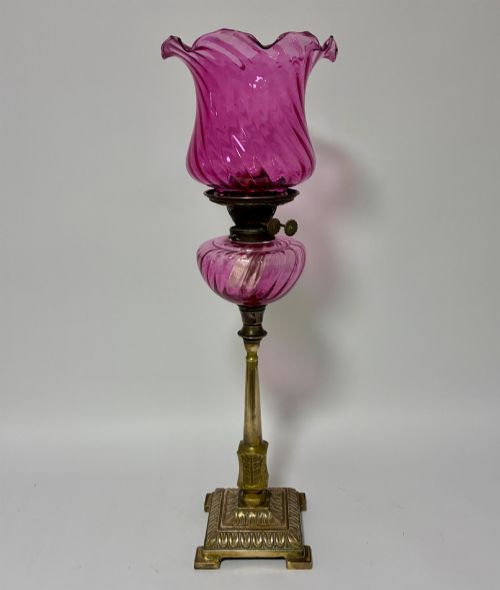
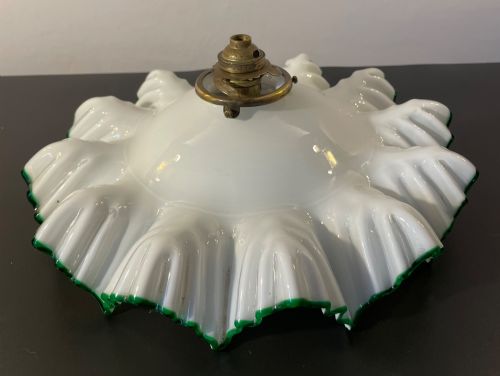
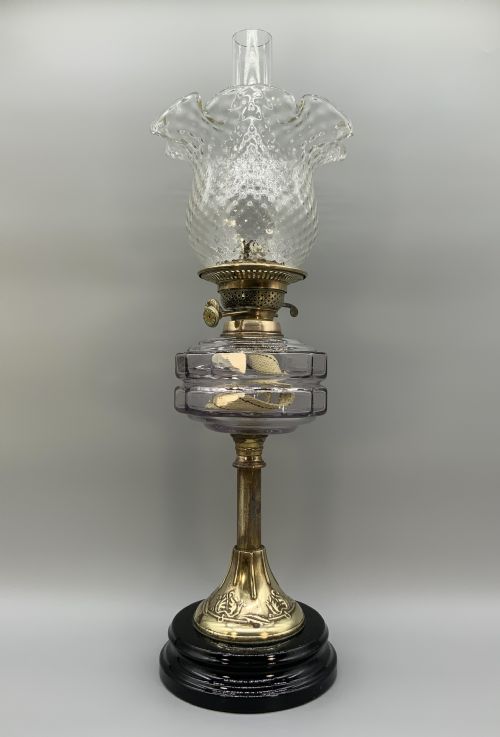
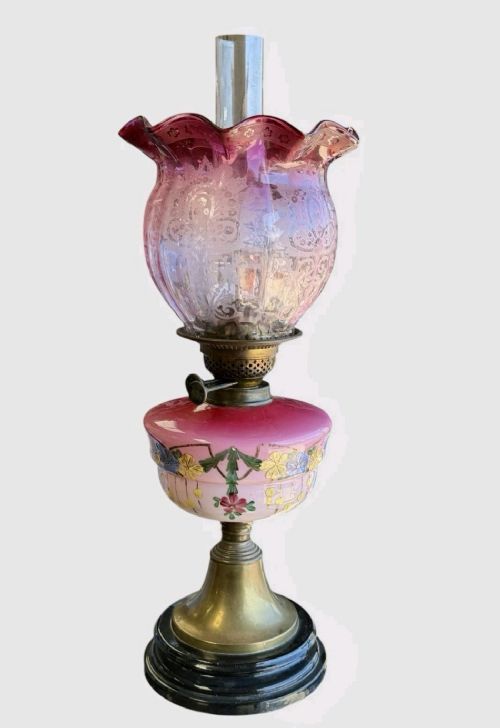
A ruffled glass shade tops a period oil lamp or pendant light with a fluted edge, bringing a soft decorative diffusion to Victorian and Edwardian interiors.
Ruffled Glass Shade
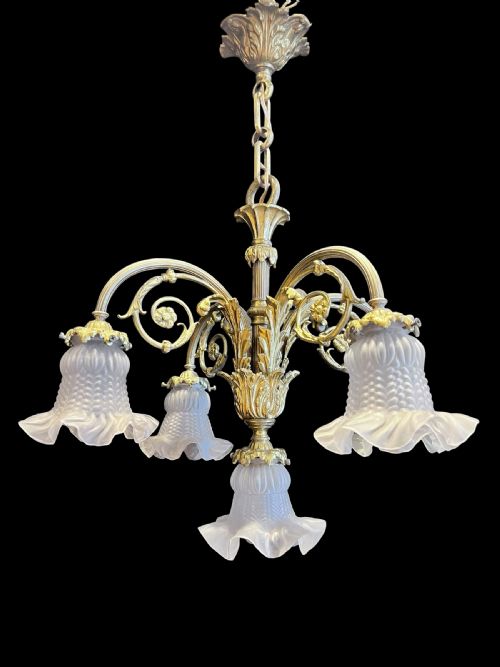
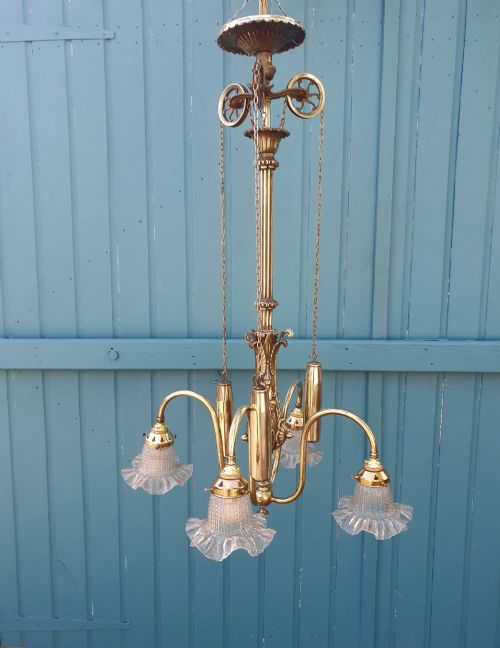
A ruffled glass shade brings a decorative, fluted silhouette to period lighting fixtures. When searching for a ruffled glass shade, buyers encounter various forms including oil lamp globes, ceiling pendants, and chandeliers originating from the nineteenth and early twentieth centuries.
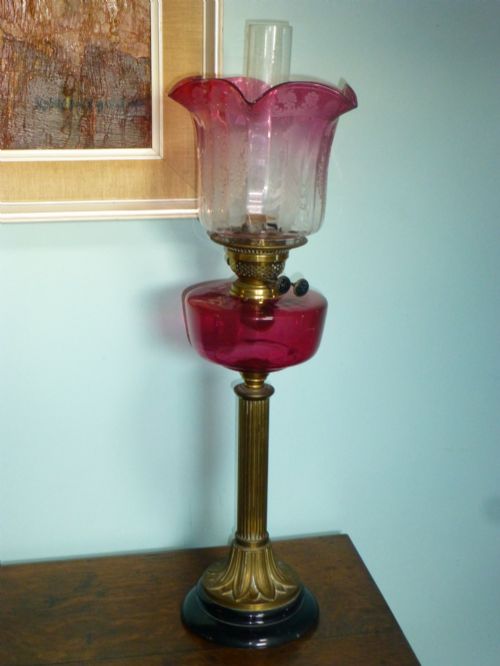
The most common examples on this page are oil lamps and pendant lights featuring shaped glass elements from the Victorian, Edwardian, and Art Nouveau periods. These pieces combine functional illumination with distinctively crimped or frilled rims formed while the glass was hot.
Originating largely from French and English workshops, these items integrate glass shades with brass, cast brass, ceramic, and silver-plated bases. The forms range from small pendant shades to tall duplex double burner oil lamps with hand-painted fonts.
Materials and construction
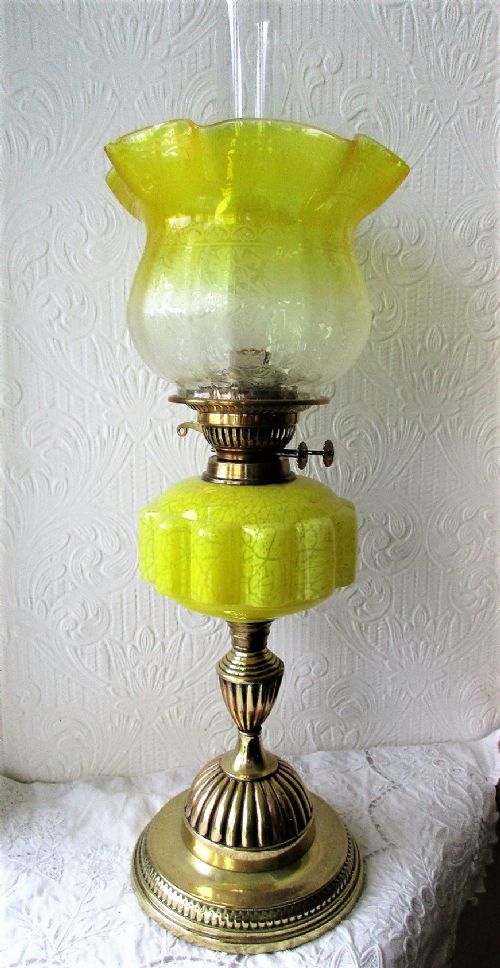
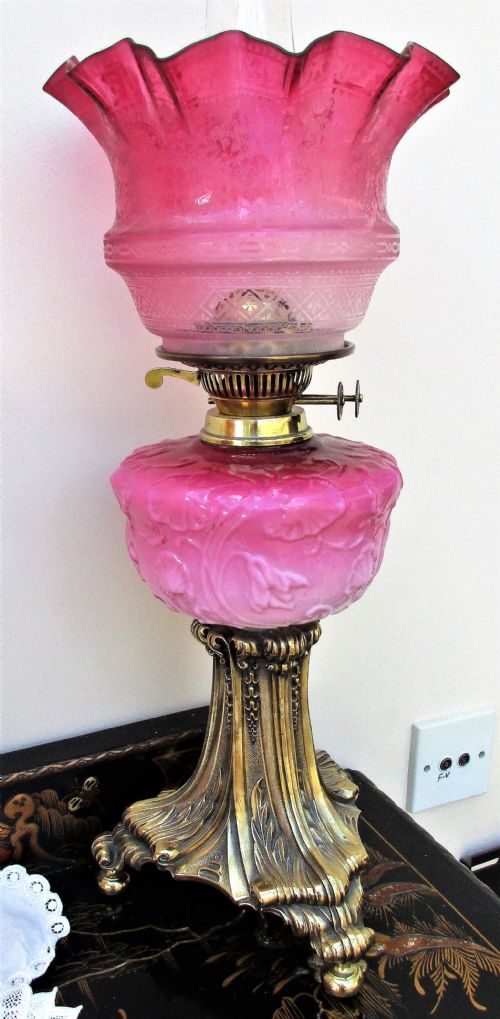
Makers produced these components using blown glass techniques, shaping the hot rims by hand to create the characteristic ruffled edges. The glass appears in plain formats as well as cranberry, frosted, opaline, yellow, pink, and green colourways, sometimes incorporating hand-painted botanical or decorative motifs.
The glass shades sit atop metal and ceramic structures, predominantly utilising brass and cast brass for columns, burners, and ceiling fittings. Some configurations pair the glass directly with oil lamp fonts or suspend the shades from pendant hardware.
Glassblowers used simple wooden tools or metal paddles to crimp hot lamp shades into frills, ensuring no two ruffles match.
Evaluating the examples
Quality in these pieces rests upon the crispness of the glass hand-forming and the depth of colour within the material, particularly in cranberry and opaline variants. Superior examples display balanced proportions in the fluted rim and clean integration with brass components.
The metalwork dictates the overall integrity of the lighting fixture, with cast brass elements and Corinthian columns showing finer detailing than simpler mounts. Hand-painted details on the glass or ceramic portions further distinguish individual pieces.
The Ruffled Glass Shade Glossary
- Cranberry glass
- A rich red-pink transparent glass coloured with gold chloride during production. It appears frequently in Victorian lamp shades and oil lamp fonts.
- Duplex burner
- A double-wick mechanism used on nineteenth-century oil lamps to provide increased illumination. These burners often support large globes and ruffled shades.
- Opaline glass
- A semi-opaque white or tinted glass that diffuses light softly. This material was widely utilised for Victorian and Edwardian lamp globes.
- Font
- The reservoir that holds the lamp oil beneath the burner. In many pieces on this page, the font is made of coloured or hand-painted glass.
- Rise and fall chandelier
- A ceiling light fixture with a mechanical pulley system allowing the height of the shade to be adjusted. These typically date from the Edwardian era.
Ruffled Glass Shade: Frequently Asked Questions
How do I clean a ruffled glass shade?
Wash the glass gently in lukewarm water using mild soap, supporting the delicate fluted rim with your hand to prevent chipping. Avoid abrasive scourers that might damage hand-painted surfaces.
Dry the piece thoroughly with a soft cloth before mounting it back onto the brass fitting or oil lamp.
Are these shades compatible with modern electric lamps?
Many pendant and lamp shades can be adapted for modern electrical use by qualified electricians, provided the fitter size matches the gallery of the light.
Oil lamps retain their original burners, so conversion requires careful consideration of the existing collar dimensions.
What period do most of these items date from?
The majority of pieces span the Victorian and Edwardian eras, with specific examples extending into the 1920s and 1930s French production.
Stylistic markers such as Corinthian columns and Art Nouveau curves help assign pieces to these specific decades.
What is the difference between an oil lamp and a pendant light?
Oil lamps are freestanding or table-standing units comprising a base, a fuel font, a burner, and a glass shade or globe. They were designed for domestic rooms before widespread electricity.
Pendant lights hang directly from the ceiling via chains or brass fixtures, illuminating dining spaces or hallways from above.