





Ruby Diamond Necklace
A ruby diamond necklace brings together rich red gems and brilliant stones in designs that span from Victorian serpents to mid-century clusters.
Ruby Diamond Necklace
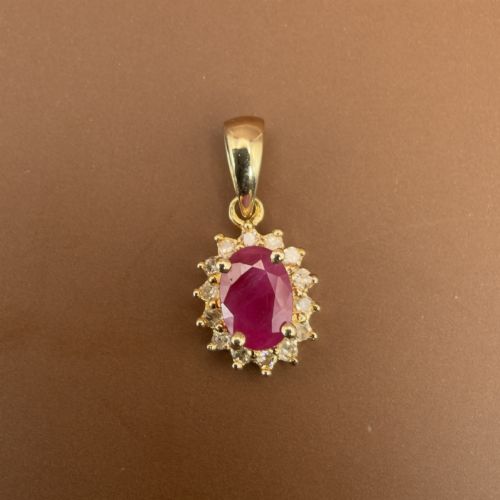
A ruby diamond necklace combines precious stones in various configurations, ranging from cluster pendants to multi-strand pearl pieces with gem-set clasps. When you search for a ruby diamond necklace, you encounter forms that span several distinct eras of fine jewellery production.
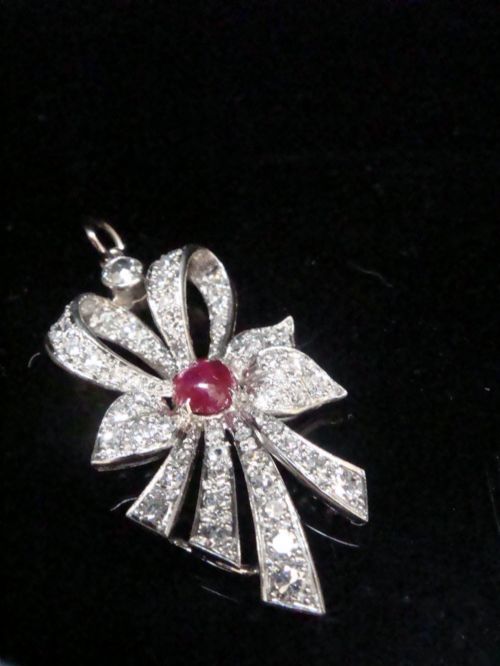
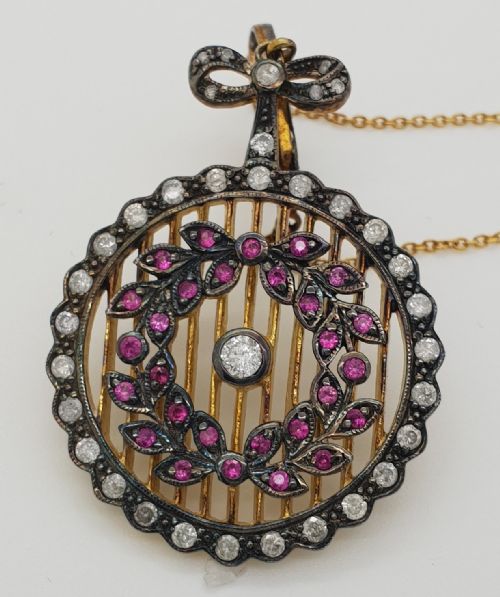
The pieces appearing on this page include Victorian snake serpents, Edwardian bows, and mid-century modern designs. These range from delicate gold pendants to substantial multi-carat necklaces set in platinum and yellow gold.
How they were made
Materials span ruby and diamond alongside platinum, 18ct gold, 9ct gold, silver gilt, and natural saltwater pearls. Goldsmiths utilised yellow and white gold alongside platinum to mount the stones securely.
Object forms documented include jaguar motifs, heart shapes, stars, and twin serpents intertwined with enamel.
What varies in quality
The standard of materials and the complexity of the metalwork distinguish examples within this range. Substantial stone weight, such as multi-carat rubies and diamonds, alters the presence of a piece.
Origin and metal choice also influence the work, with platinum and high-carat gold mountings housing natural saltwater pearls alongside certified rubies. The finesse of period details, like the scale work on snake necklaces or openwork bow pendants, separates standard items from finer works.
The Ruby Diamond Necklace Glossary
- Cluster pendant
- A setting style where a central ruby is surrounded by a border of smaller diamonds. This arrangement maximises the visual impact of the stones.
- Rose cut
- An antique diamond cut featuring a flat base and a faceted dome that tapers to a point. This cut dates back centuries and appears frequently in Georgian and Victorian jewellery.
- Old cut
- A hand-faceted diamond shape precursor to the modern brilliant cut, typically characterised by a small table and high crown. These stones exhibit a distinctive, softer light return under candlelight.
- Silver gilt
- Sterling silver that has been coated with a thin layer of gold. This technique provides the warm appearance of gold combined with the historical working properties of silver.
- Cabochon
- A gemstone shaped and polished with a smooth, rounded surface rather than faceted. This cut is often utilised for rubies to display their deep colour and internal characteristics.
Ruby Diamond Necklace: Frequently Asked Questions
How do I date a ruby diamond necklace?
Dating relies on stylistic motifs, metal types, and gemstone cuts. Victorian pieces often incorporate rose cut diamonds and snake symbolism, while Edwardian examples favour platinum bow designs and millegrain edges.
Mid-century works shift towards cleaner lines and different gold purities. Examining the construction of the clasp and the back of the pendant helps confirm the period of manufacture.
What is the difference between a pendant and a necklace?
A pendant is a hanging ornament suspended from a chain or collar, which can often be detached or worn interchangeably. A necklace integrates the decorative elements directly into the chain structure or forms a continuous ornamented band around the neck.
Many antique pieces function as pendant brooches, offering dual wearability with a pin mechanism on the reverse alongside a suspension loop.
How should I care for antique pearl and ruby jewellery?
Pearls require particular care because they are organic and sensitive to chemicals, perfumes, and cosmetics. Wipe them gently with a soft cloth after wearing and store them separately from harder gemstones to avoid scratching.
Rubies and diamonds are durable, but antique settings benefit from professional inspection to ensure the claws hold the stones securely.
Are all rubies in these pieces natural?
The pieces recorded across these periods utilise natural rubies, including Burmese stones and cabochon varieties. Historical fine jewellery pre-dates widespread synthetic stone production.
Certification from gemological laboratories can provide specific origin details for significant rubies. Examining stones under magnification reveals natural inclusions unique to earth-mined gems.