


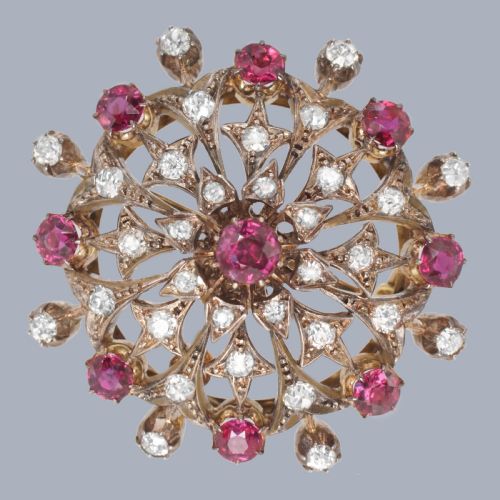


Gold Cluster Pendant
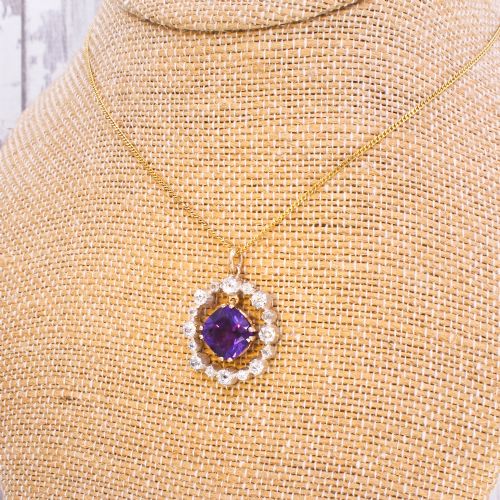
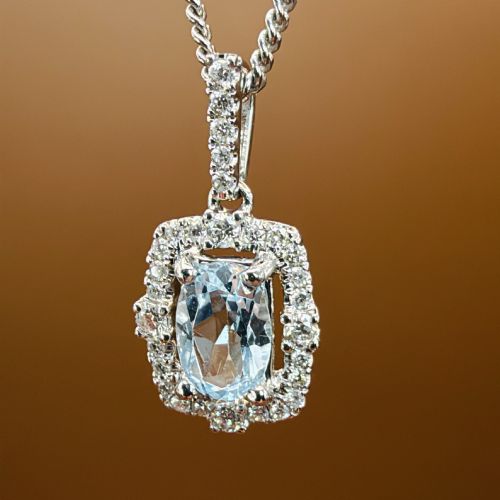
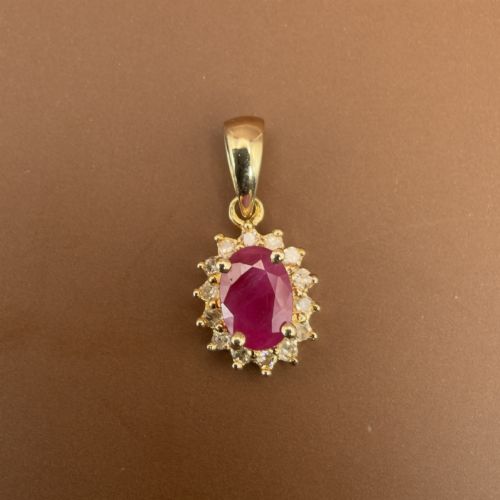
When searching for a gold cluster pendant, collectors find pieces arranged with a central stone encircled by smaller gems.
Gold Cluster Pendant
A gold cluster pendant gathers multiple stones into a central arrangement suspended from a chain, balancing gemstone presence with precious metal work. These jewels appear across Victorian, Edwardian, Art Deco and mid-century periods, demonstrating shifting tastes in stone arrangement and metal colour.
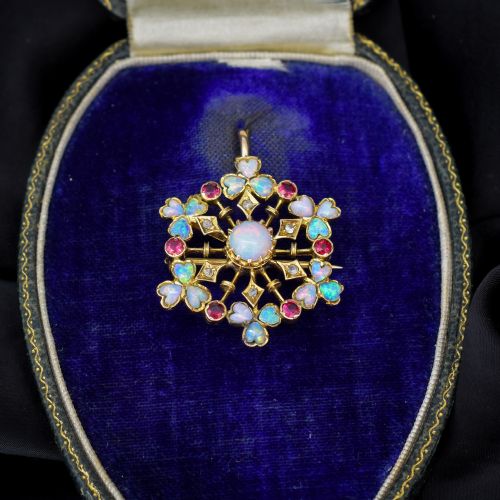
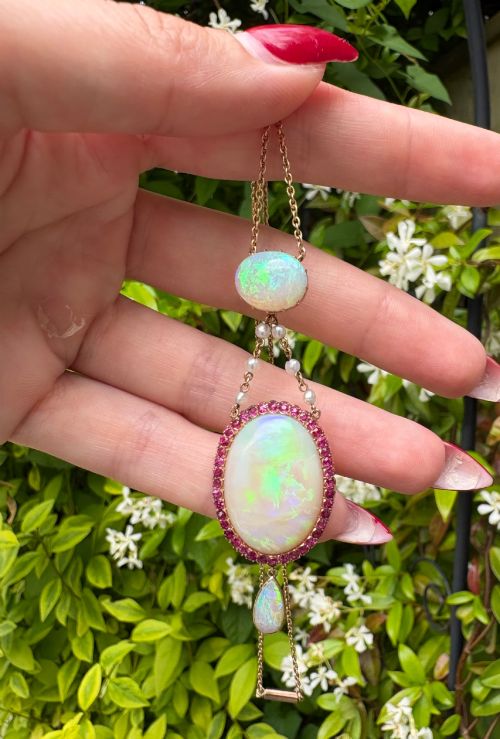
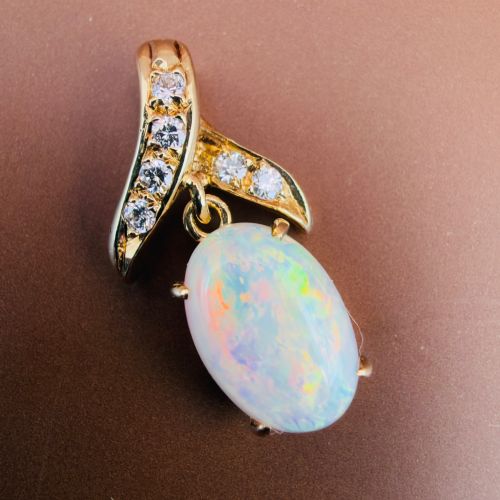
The layout typically positions a prominent diamond, sapphire, ruby, opal or garnet at the heart, surrounded by a border of smaller diamonds or seed pearls. Surviving examples frequently combine convertible brooch-pendant fittings, allowing versatile wear.
Buyers encounter pieces ranging from delicate 9ct gold settings to substantial 14ct and 18ct yellow or white gold structures. The selection includes floral motifs, starburst patterns and traditional oval or round clusters.
Materials and construction methods
Goldsmiths utilised varied gold purities including 9ct, 14ct, 15ct and 18ct gold, alongside platinum and silver-topped gold for mounting stones securely. Claw settings, collet settings and rub-over techniques hold the central gems and surrounding stones in place.
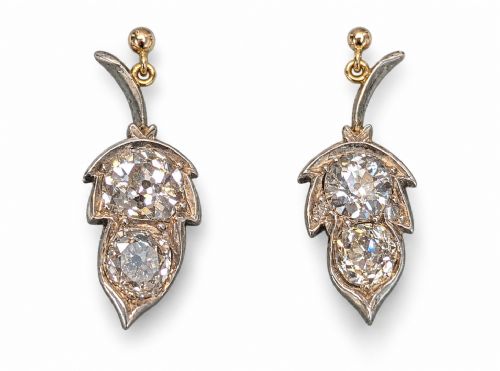
Gemstone selection relies on natural materials such as old-cut diamonds, rubies, sapphires, emeralds, aquamarines, amethysts, garnets and opals. Many period pieces incorporate closed-back foils or open-back settings to maximise light passage through coloured stones.
Hand-worked details often involve split rings, engraved Bails, and pierced gallery work beneath the cluster face. Structural durability depends on the gauge of the gold and the precision of the stone prongs.
Several antique gold cluster pendants double as brooches, ready to abandon the necklace at a moment's notice for life on a lapel.
Factors influencing quality
The calibre of a gold cluster pendant depends heavily on the match, cut and saturation of the central gemstone relative to the surrounding border stones. Uniformity in diamond cuts and the absence of heavy inclusions in coloured stones elevate a piece.
The weight and integrity of the gold mounting determine durability and substance, with heavier grams and robust settings indicating superior original manufacture. Finely articulated gallery work and secure integration of convertible brooch findings demonstrate higher craftsmanship.
Purity marks, maker stamps and the crispness of chased or engraved details distinguish workshop output from mass production. Well-preserved original proportions without heavy post-period alterations retain greater integrity.
Dorrie Nossiter·Hirsch and Oppenheimer
The Gold Cluster Pendant Glossary
- Cluster pendant
- A necklace ornament featuring a central gemstone encircled by a ring of smaller accent stones. This layout maximises visual impact by concentrating colour and light.
- Old-cut diamond
- A diamond cut by hand before modern machinery, characterised by a high crown, small table and open culet. These stones exhibit a soft, candlelit sparkle.
- Seed pearl
- A very small natural or cultured pearl, often drilled and threaded or wired into floral or geometric borders. Victorians favoured them for their delicate lustre.
- Open-back setting
- A mounting style that leaves the underside of the gemstone exposed to light. This technique enhances the brilliance and transparency of coloured stones.
- Collet
- A band of metal that holds a gemstone in place by folding over the edge of the girdle. It represents a traditional method of securing stones prior to modern prong settings.
- Split ring
- A circular metal ring formed of two overlapping coils, functioning like a miniature key ring to attach pendants securely to chains. They offer dependable strength for antique pieces.
Gold Cluster Pendant: Frequently Asked Questions
How do I wear an antique cluster pendant?
These pendants suspend easily from modern or period-appropriate chains, resting near the collarbone depending on chain length. Many antique versions feature hidden brooch pins behind the cluster, offering dual functionality as a lapel ornament.
When pairing with other jewellery, match the gold tone - whether yellow, white or rose - to maintain a cohesive look. Ensure the bail accommodates the thickness of your chosen chain without straining the metal.
How can I tell the period of a pendant?
Dating relies on metal purity marks, stone-cutting styles and the overall structural motif of the cluster. Victorian pieces often use lower-durability closed backs or high-carat yellow gold, while Edwardian examples favour platinum and pierced lace-like frames.
Mid-century pieces frequently utilise 14ct or 9ct white and yellow gold with streamlined claw settings. Examining the clasp mechanism and chain attachment provides further clues to the manufacturing era.
Are these pendants fragile?
While gold and platinum offer durable settings, antique pieces require mindful handling due to age and delicate gemstone arrangements. Opals and seed pearls demand particular care to avoid moisture damage and impact.
Store pendants individually in lined boxes to prevent stones from scratching one another. Regular inspection of the prongs by a jeweller ensures the central and border stones remain secure.
What chain works best with these pieces?
The chain should match the gold colour and weight proportion of the pendant body. Finer Edwardian clusters pair well with delicate trace chains, while heavier mid-century gold pieces support sturdier curb or rope links.
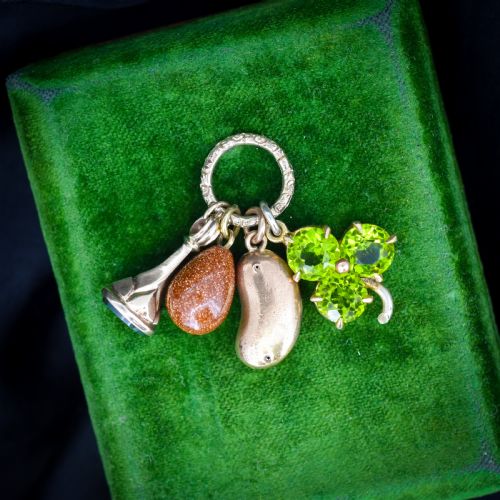
Ensure the jump ring or bail of the pendant allows free movement along the chain. Vintage split rings often look authentic when paired with converted antique charms and clusters.