

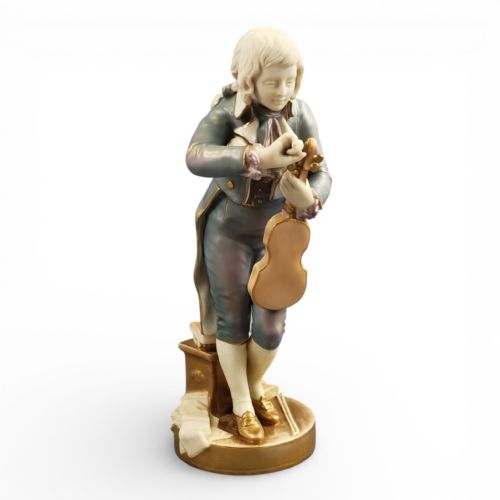


Royal Worcester Collectible Porcelain
Royal Worcester collectible porcelain brings together hand-painted fruit, delicate figurines and intricate vases from across Victorian, Edwardian and mid-century periods.
Royal Worcester Collectible Porcelain
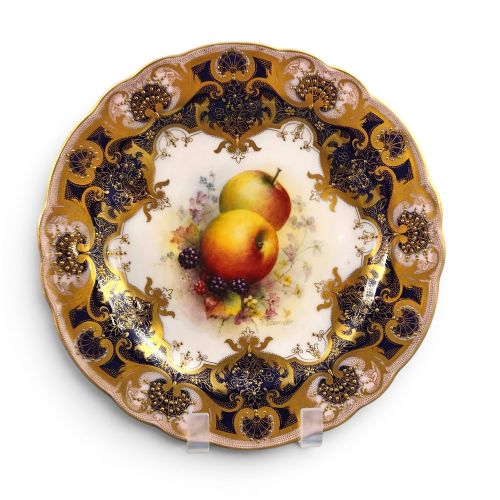
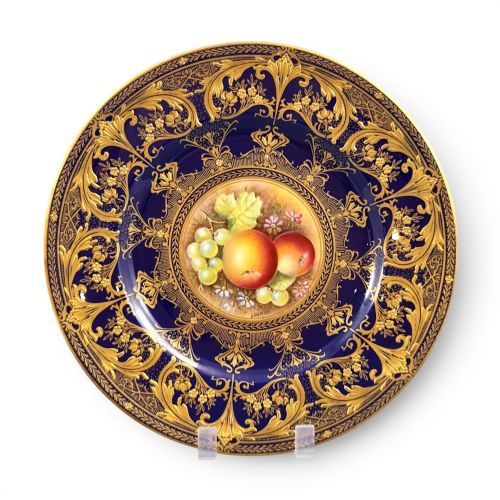
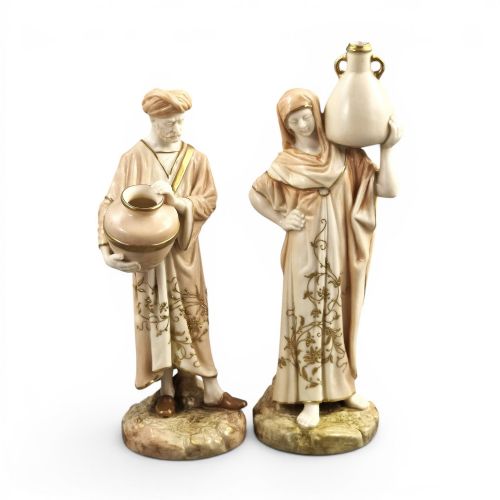
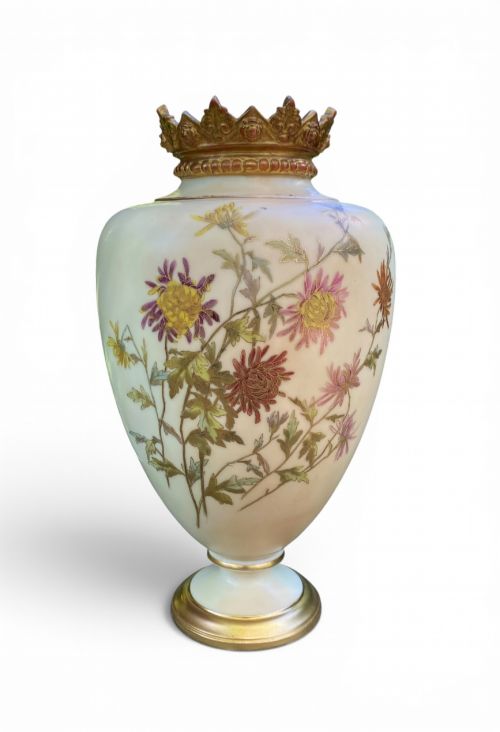
Royal Worcester collectible porcelain encompasses a diverse range of decorative objects, from cabinet plates and vases to small figurines and candle snuffers. You will regularly encounter painted fruit pieces alongside blush ivory wares and modelled figures carrying specific model numbers.
The items span multiple decades and stylistic movements, including Victorian, Edwardian and Art Deco designs. Pieces bearing the work of named artists like Harry Stinton or James Hadley represent traditional English craftsmanship at its height.
Materials and construction
Makers utilised fine porcelain and bone china as the primary base materials for these glazed and painted works. Artisans applied detailed enamel pigments and gold leaf gilding by hand to accentuate the forms.
Surface decoration involved careful hand-painting of natural subjects, fruit and figures, followed by high-temperature firing to set the colours and metallic accents.
Listings span several eras, moving from late nineteenth-century Victorian pieces through Edwardian blush ivory to mid-century painted fruit and figurine designs.
Assessing quality
The distinction between standard items and superior examples rests upon the skill of the artist and the complexity of the hand-painted decoration. Works bearing signatures from renowned painters command greater attention than factory-decorated output.
Crispness in the modelling of figurines and the preservation of intricate gold gilding or enamel work define the upper tier of the range. The depth and vibrancy of the painted fruit or animal scenes dictate the overall visual merit.
James Hadley·Harry Stinton·James Stinton·Richard Sebright·Freda Doughty
The Royal Worcester Collectible Porcelain Glossary
- Blush ivory
- A matte cream-coloured porcelain body developed by the factory, often decorated with gilt and floral motifs. This technique gained significant popularity during the late nineteenth and early twentieth centuries.
- Cabinet plate
- A decorative ceramic plate intended for display in a cabinet rather than for table use. These typically feature elaborate painted scenes by named artists.
- Tyng
- A small two-handled drinking vessel or mug. Miniature versions appear in nineteenth and twentieth-century ceramic production.
- Pot pourri vase
- A vessel designed to hold dried scented plant material, featuring a pierced cover to release fragrance. These often showcase intricate hand-painted landscape or fruit designs.
- Candle snuffer
- A small ceramic figure with a hollow interior and a handle, used historically to extinguish candle flames. Many take the form of distinctive human characters or animals.
Royal Worcester Collectible Porcelain: Frequently Asked Questions
How do I identify a painted fruit piece?
Look for detailed hand-painted depictions of apples, pears, and berries against a shaded background, usually accompanied by rich gold gilding along the borders.
Signed artist names such as Harry Stinton, Richard Sebright, or Brian Leaman often appear directly on the painted surface near the bottom edge.
What are blush ivory wares?
Blush ivory refers to a soft, matte cream-coloured porcelain finish pioneered during the late nineteenth century. It provides a muted background that highlights applied gilt details and soft floral enamel painting.
These pieces often incorporate Japanese-inspired motifs reflecting the Victorian Orientalism movement of the period.
How do I date these porcelain items?
Factory date marks stamped on the underside of the base provide the most reliable guide to the year of production. These symbols and letter codes changed systematically across the nineteenth and twentieth centuries.
Stylistic cues, such as Edwardian dress on figurines or Art Deco geometric forms, help narrow down the era when marks are faint or missing.
How should I display cabinet plates?
Cabinet plates are best exhibited using sturdy vertical plate stands inside enclosed glass display cabinets to protect the painted surfaces and gold gilding from dust and accidental knocks.
Keep them away from direct sunlight to prevent any fading of the enamel colours over time.