

Royal Ceramic Figurine
When seeking a royal ceramic figurine, collectors find historical portrait pieces and glazed porcelain studies spanning the Victorian era through the mid-twentieth century.
Royal Ceramic Figurine
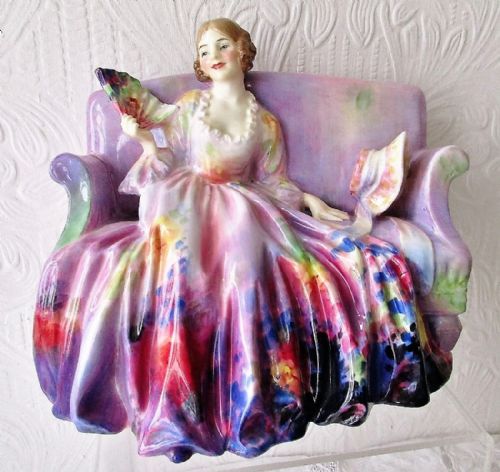
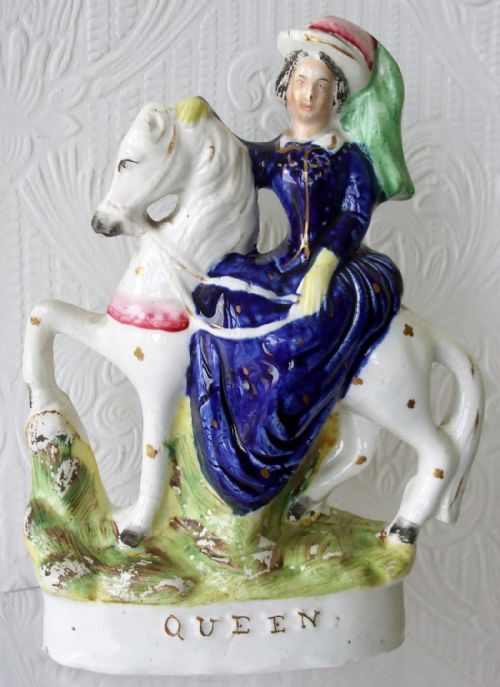
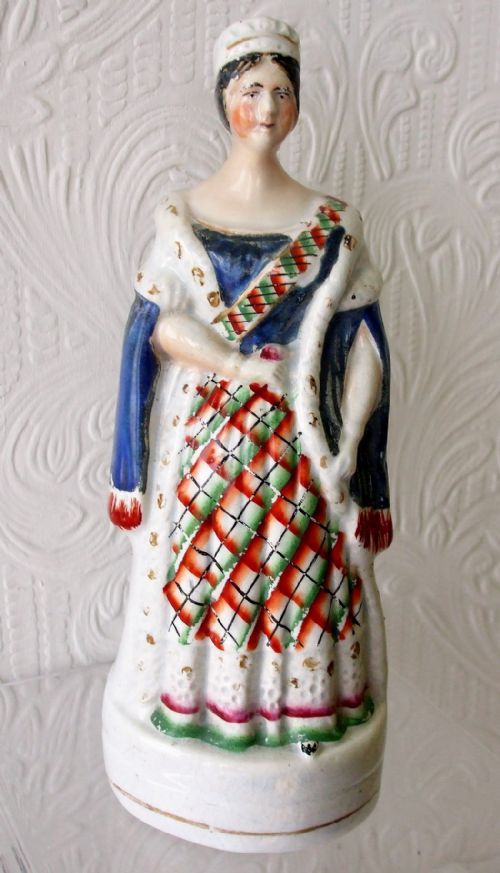
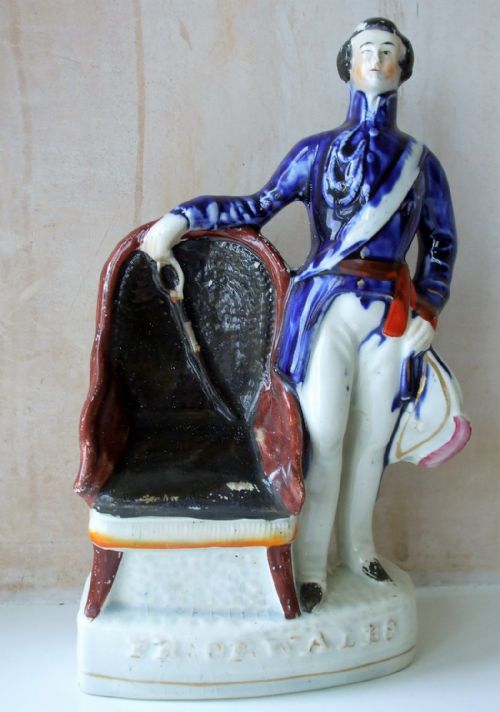
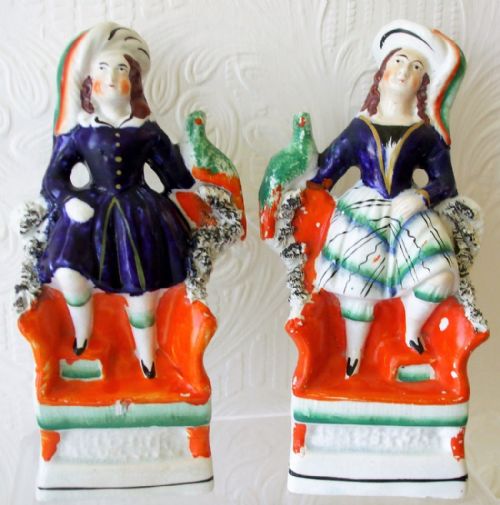
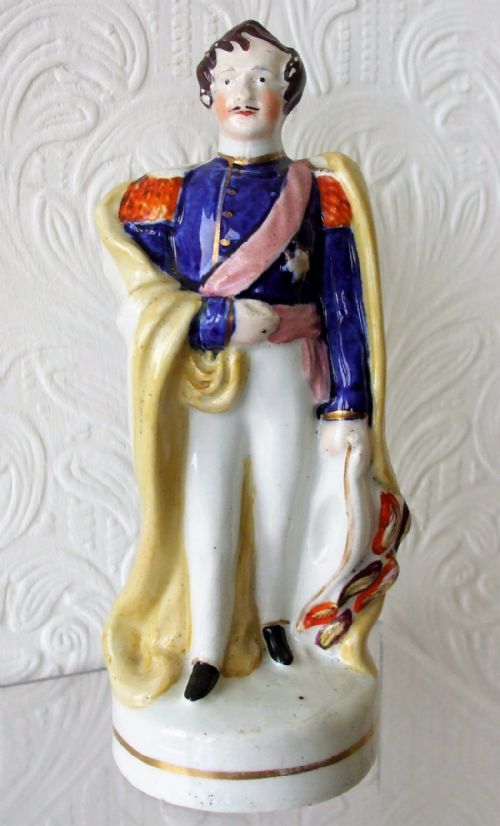
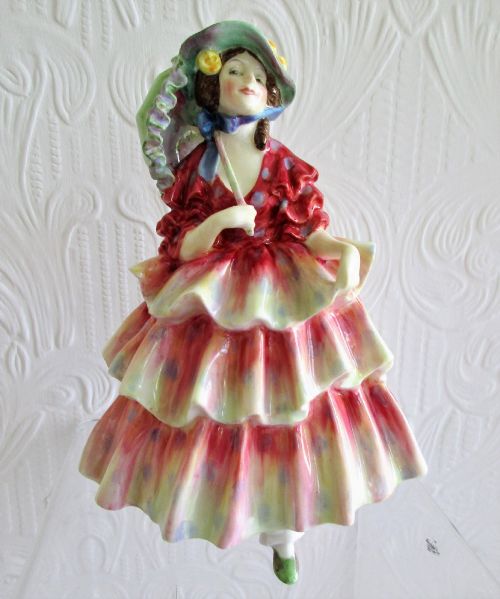
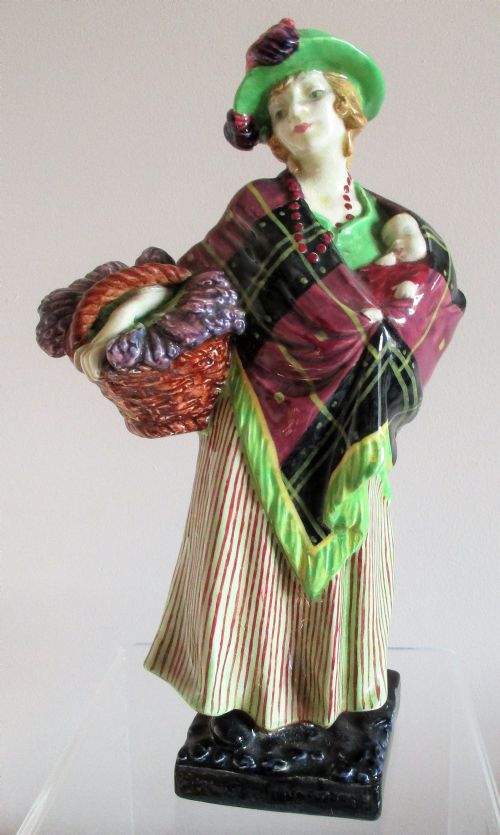
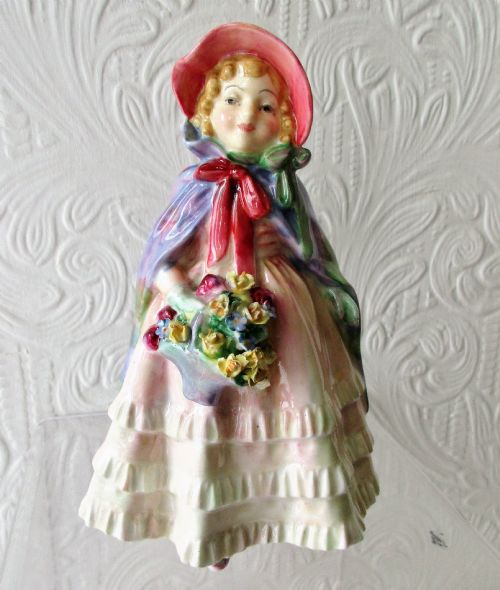
A royal ceramic figurine encompasses glazed earthenware portrait figures of nineteenth-century monarchs and family members alongside bone china and porcelain character studies from later periods. Buyers encountering this selection will find Victorian Staffordshire pottery depicting Queen Victoria and various princes alongside twentieth-century porcelain work.
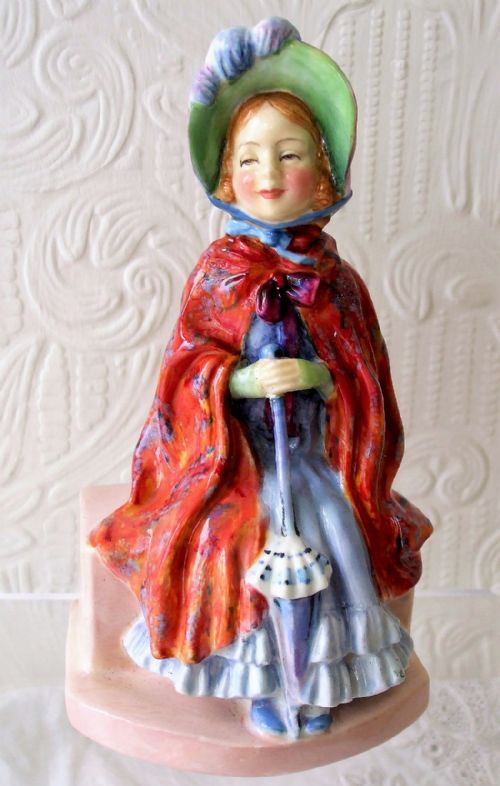
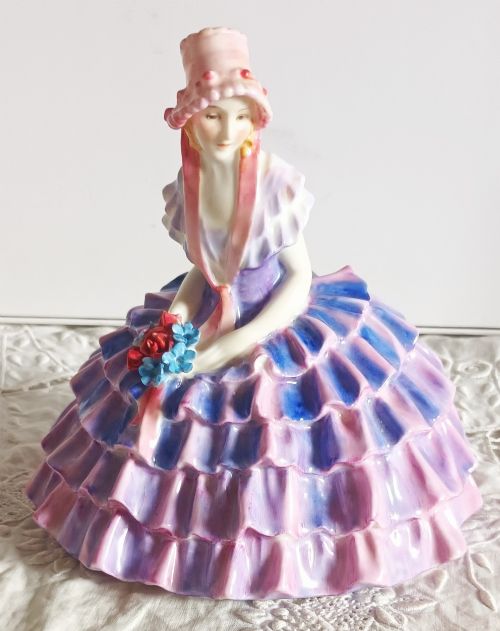
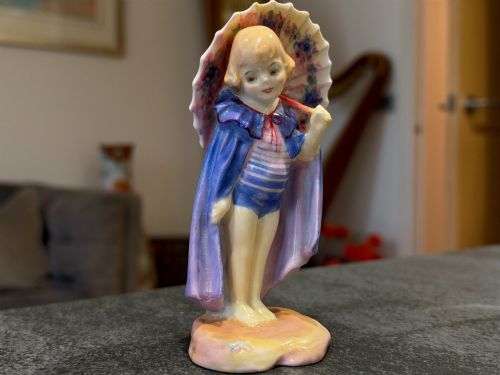
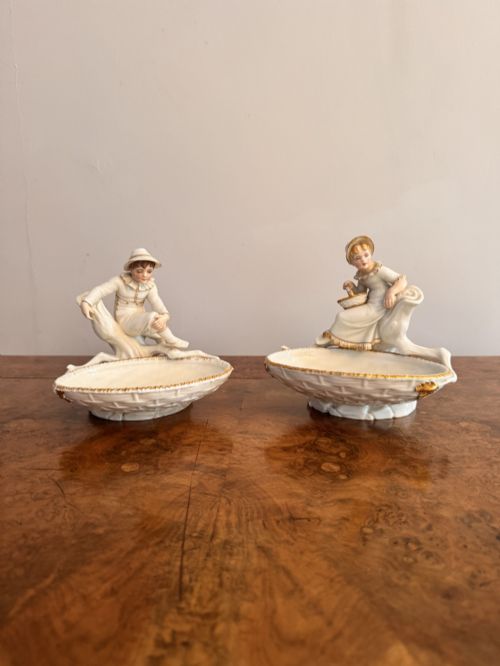
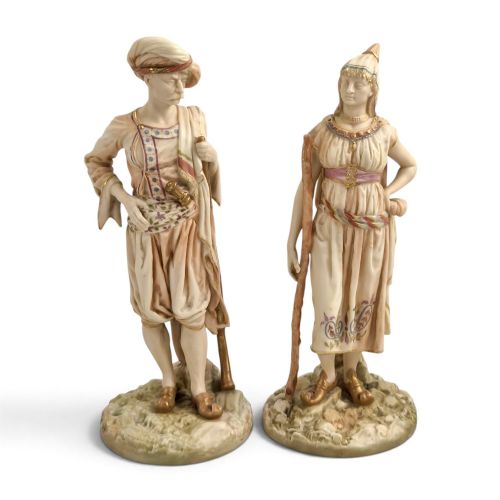
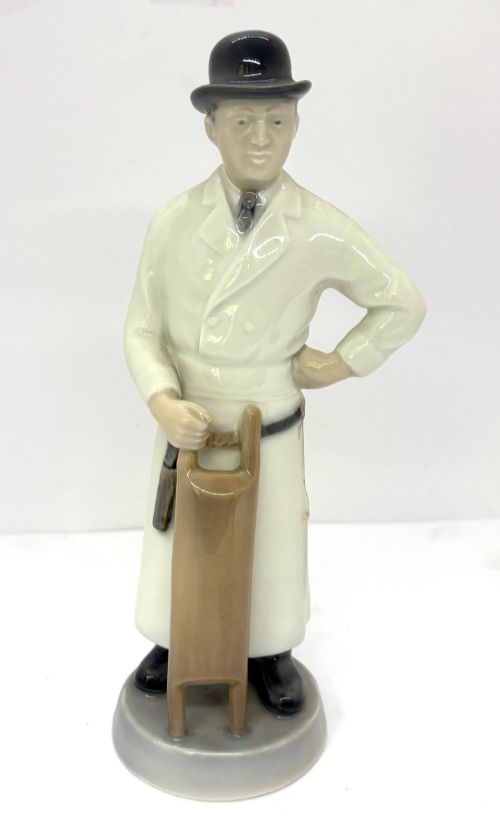
The objects take the form of standing or seated dignitaries, literary characters, and romanticized figures produced by major factories. Staffordshire pottery dominates the earlier nineteenth-century material, while twentieth-century examples lean towards porcelain and bone china figures modelled with delicate facial expressions and detailed period costumes.
Production methods and materials
Makers utilised earthenware, bone china, and porcelain as the primary body materials, shaping them through moulding and hand-modelling techniques. Earthenware figures from the nineteenth century rely on simpler press-moulding methods with hand-painted details over an enamel glaze.
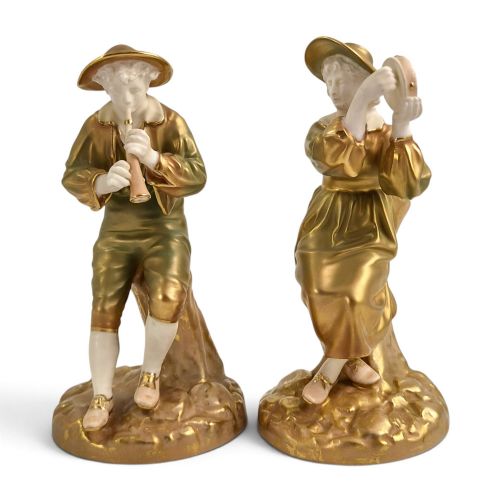
Twentieth-century porcelain and bone china pieces employ refined slip-casting followed by careful application of coloured glaze and occasional gold leaf or gilt highlights. The firing process sets the underlying body before artists apply surface pigments, sometimes leaving distinctive blush ivory finishes characteristic of specific nineteenth-century factory styles.
Royal Ceramic Figurine Retail Price Guide 2026
Typical asking prices for royal ceramic figurine among the pieces listed under this phrase on Sellingantiques today, from the lower quarter to the upper quarter. They describe what is for sale here now, not the wider market.
Several Victorian figures portray royal couples and pets, capturing domestic loyalty alongside national history.
Assessing quality in ceramic figures
The sophistication of the modelling distinguishes standard production pieces from finer sculptural works, particularly in the rendering of drapery and fine details like lace or hair. Consistency in the glaze finish and the subtlety of painted shading elevate certain versions above simpler mass-produced counterparts.
Royal Doulton·Royal Worcester·Royal Dux·Royal Copenhagen
The Royal Ceramic Figurine Glossary
- Bone china
- A type of soft-paste porcelain incorporating bone ash, yielding a durable and translucent body suitable for detailed twentieth-century figures.
- Blush ivory
- A matte cream-colored glaze finish developed by nineteenth-century potteries to simulate the appearance of unglazed ivory beneath tinted decorations.
- Earthenware
- A porous ceramic body fired at lower temperatures, commonly used for nineteenth-century Staffordshire pottery figures before porcelain became dominant.
- Gilt
- A thin layer of gold applied to ceramic surfaces for decorative highlights on garments, bases, or accessories.
- Flatback
- A style of nineteenth-century pottery figure moulded with a flat, unadorned reverse side intended for display against a wall or mantelpiece.
Royal Ceramic Figurine: Frequently Asked Questions
What periods do these ceramic figures cover?
The pieces span from the mid-nineteenth century through the 1940s, encompassing Victorian, Edwardian, and Art Deco eras. Early examples concentrate on Staffordshire pottery, while later decades feature refined porcelain and bone china.
Production methods shifted over this timeline from heavy earthenware portrait pieces to delicate glazed porcelain studies with intricate colorways.
How were Staffordshire figures displayed?
Staffordshire portrait figures often featured flat backs designed to sit flush against cottage mantelpieces or walls. Their bright enamel colours provided cheerful decoration in nineteenth-century domestic interiors.
Larger figures depicted royals like Queen Victoria and Prince Albert to commemorate national events and display patriotic loyalty.
What is the difference between earthenware and porcelain figures?
Earthenware figures, common in the nineteenth century, have a heavier, opaque body finished with colourful enamel glazes and hand-painted details. Porcelain and bone china pieces from the twentieth century offer a finer, denser material with greater translucency.
Porcelain allowed makers to achieve much sharper detail in facial expressions and delicate costume elements like lace and ribbons.
How do I care for antique ceramic figures?
Keep figures out of direct sunlight to prevent fading on painted enamel and gilt surfaces. Dust them gently with a soft, dry brush rather than using water or cleaning solutions.
Avoid placing them near heat sources or in areas subject to sudden temperature changes, which can stress the ceramic body and old glazes.