



Royal Portrait Pottery Statue
These royal portrait pottery statue figures bring Victorian lineage straight to your mantelpiece, capturing monarchs and princes in cheerful earthenware.
Royal Portrait Pottery Statue
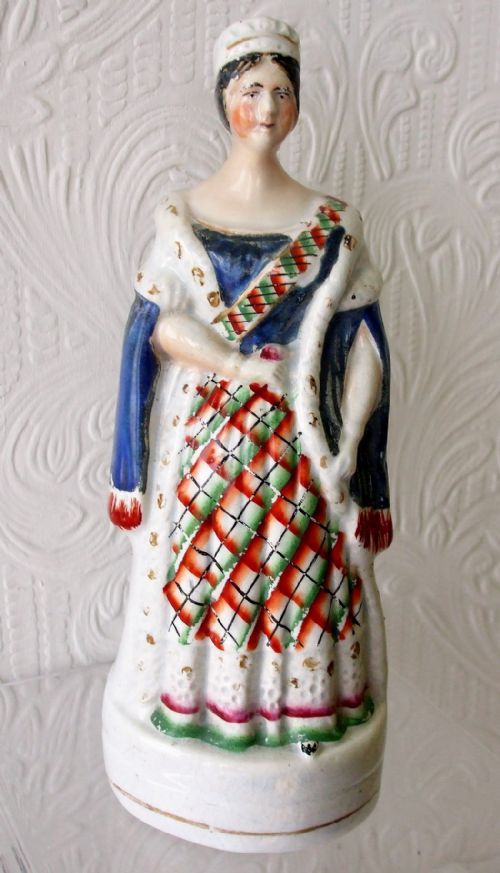
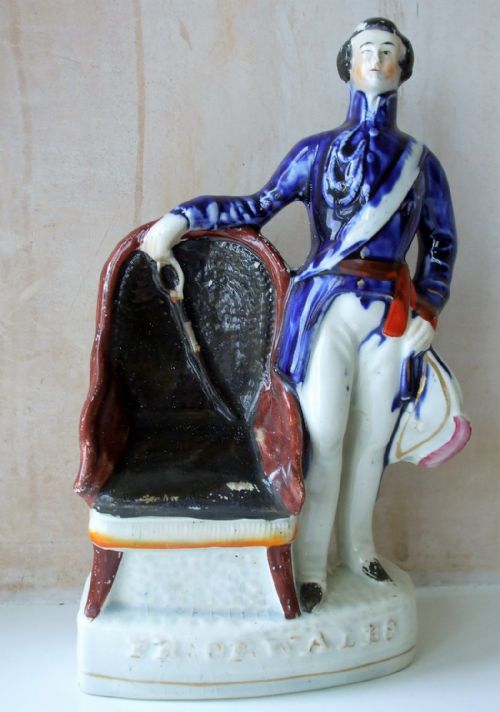
A royal portrait pottery statue depicts sovereigns, heirs and imperial leaders from the nineteenth century, most often rendered as Staffordshire pottery figures. These sculptural pieces commemorate prominent figures such as Queen Victoria, the Prince of Wales, and Napoleon III in domestic ceramic form.
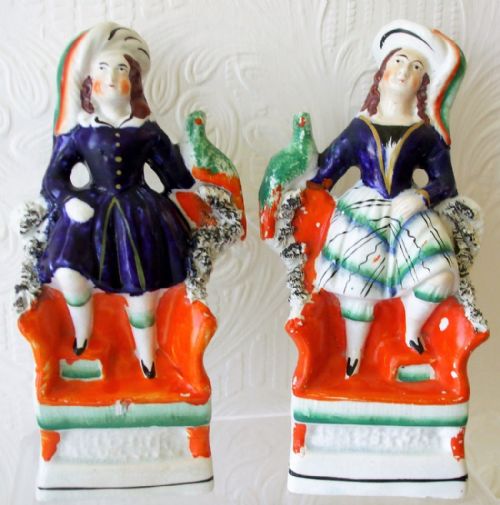
The versions most commonly met on this page belong to the Victorian period and Victorian folk art styles, capturing British and European royalty with distinct character. They range from individual depictions of Queen Victoria to pairs representing the Prince of Wales and Princess Royal, alongside group figures like Napoleon III, Empress and Prince.
Makers shaped these portrait statues to satisfy a public appetite for royal likenesses during the nineteenth century. Every piece serves as a tangible link to the pageantry and political alliances of the era, modelled for display in nineteenth-century homes.
Materials and construction
Potters built these portrait statues primarily from earthenware and ceramic bodies, shaping them in moulds before firing. The resulting figures provide a robust foundation for subsequent surface decoration.
Workers applied enamel paint and lead glaze over the fired clay to impart colour and a glossy finish. This combination of glaze and enamel gives the figures their characteristic sheen and bright nineteenth-century palette.
Royal Portrait Pottery Statue Retail Price Guide 2026
Typical asking prices for royal portrait pottery statue among the pieces listed under this phrase on Sellingantiques today, from the lower quarter to the upper quarter. They describe what is for sale here now, not the wider market.
Napoleon III shares shelf space here with Queen Victoria, proving that nineteenth-century mantelpieces welcomed old rivals into the same room.
Distinctions in quality
The application of enamel paint and lead glaze also dictates visual success, where neatly brushed colours and even glazing enhance the sculptural form. Superior pieces retain vibrant pigments without excessive bleeding across the ceramic contours.
The Royal Portrait Pottery Statue Glossary
- Earthenware
- A porous pottery body fired at lower temperatures, commonly used for nineteenth-century figures. It requires a glaze to become impermeable to liquids.
- Lead glaze
- A glossy coating containing lead compounds applied to pottery before firing. It creates a smooth, shiny surface that protects the painted decoration beneath.
- Enamel paint
- Opaque coloured decoration applied over the fired glaze and fixed with a low heat. It provides the bright hues seen on Victorian portrait figures.
- Staffordshire pottery
- Ceramic wares produced in the English region of Staffordshire, renowned for domestic figurines. These works reflect popular culture and royalty of the nineteenth century.
Royal Portrait Pottery Statue: Frequently Asked Questions
How were these figures used originally?
Victorian households displayed these ceramic statues on mantelpieces, sideboards and tabletops as expressions of loyalty and patriotism. They brought public political figures into private domestic spaces.
Owners often arranged them in pairs or small groups, such as the Prince of Wales and Princess Royal, to decorate their living rooms.
How do I live with antique pottery figures?
Display these earthenware figures away from direct sunlight and damp environments to protect the enamel paint and lead glaze. Stable shelving ensures they remain safe from accidental knocks.
Dust them gently with a dry, soft brush to maintain the ceramic surface without introducing moisture.
How do I identify nineteenth-century figures?
Look for the characteristic earthenware bodies, lead glazes and hand-applied enamel colours typical of the Victorian period. The subjects themselves, such as Queen Victoria or Napoleon III, point directly to the nineteenth century.
Stylistic elements of Victorian folk art also help distinguish these portrait statues from later reproductions.