



Round Tier Stand
A round tier stand offers multi-level surface space with elegance, making it an essential addition to any room that requires both utility and refined display.
Round Tier Stand
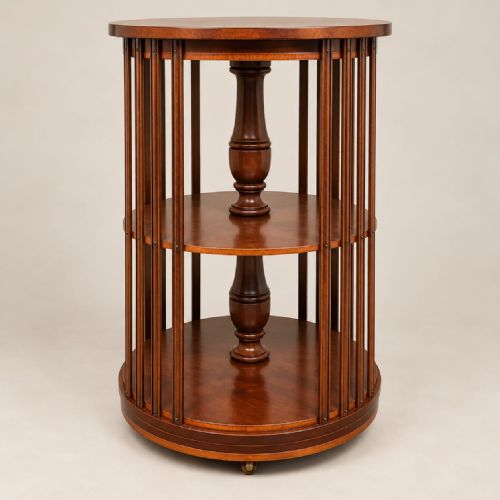
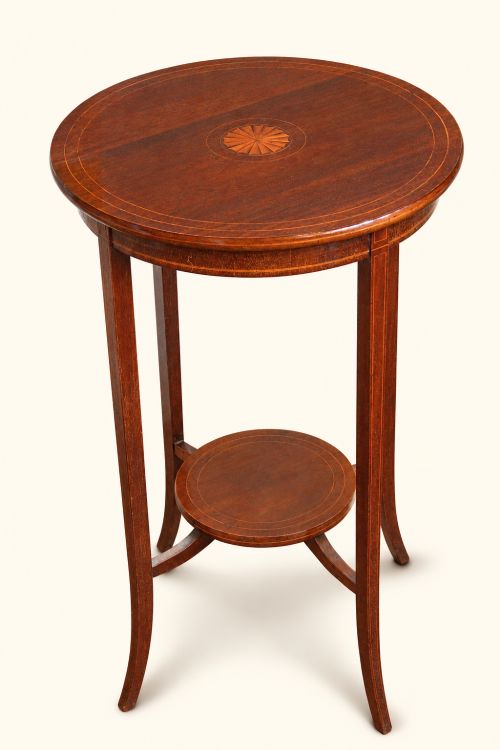
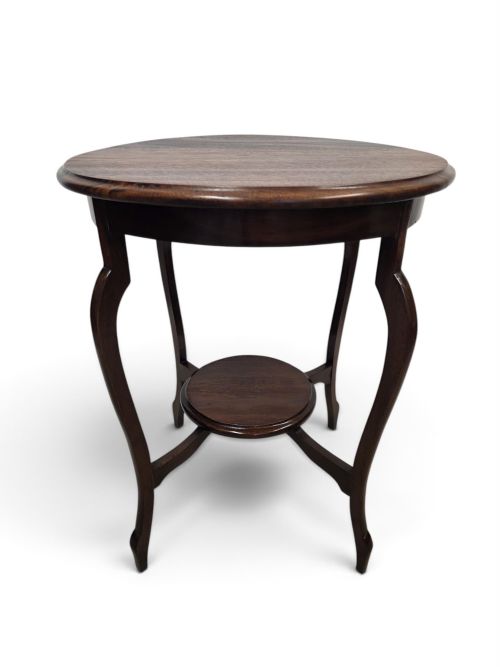
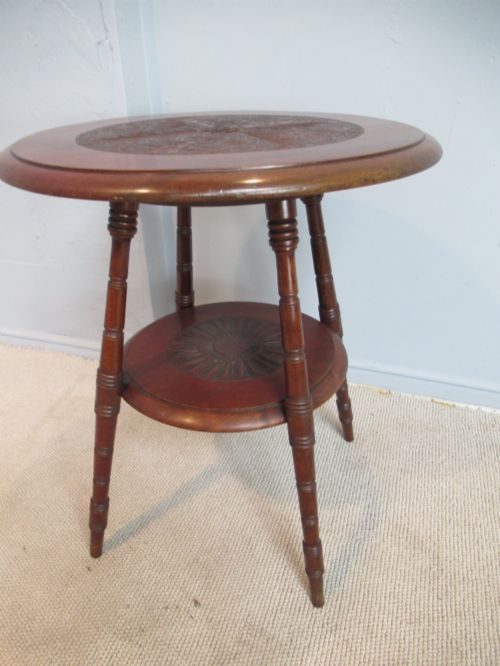
A round tier stand brings vertical display space and compact proportions into a room, taking the form of occasional tables, small side tables, plant stands, and dumbwaiters. These pieces distribute weight and items across multiple circular surfaces rather than a single tabletop, which suited domestic interiors from the Georgian period through to the 1930s.
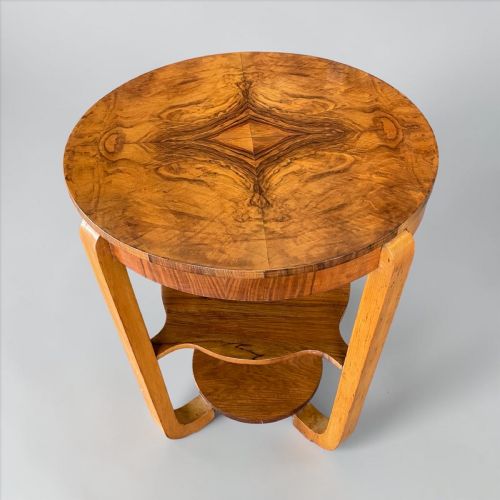
The versions most commonly met on this page span the Victorian and Edwardian eras, alongside earlier Georgian and Regency examples. They appear in configurations of two or three tiers, utilising woods such as mahogany, walnut, and satinwood, as well as cast iron and marble.
Makers designed these tiered pieces to function as dumbwaiters for dining rooms, lamp tables beside seating, or decorative whatnot stands for displaying ornaments and plants. Their footprint remains small while their vertical capacity increases, making them practical for corners and tighter spaces.
How they were made
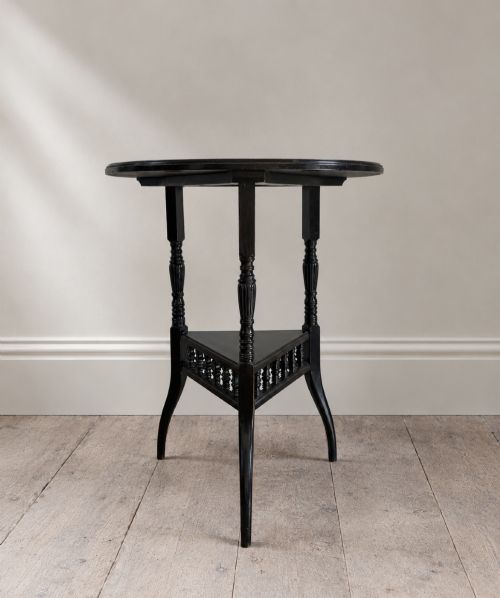
Cabinet makers built these stands using solid timbers and applied veneers, selecting mahogany, walnut, and satinwood for their grain and stability. Ebonised hardwood and dark stained timber also appear, providing a contrasting dark finish to suit specific aesthetic movements.
Construction techniques include turned central columns supporting graduated circular shelves, sometimes incorporating folding mechanisms or brass fittings. Marble inserts and canework appear on French Empire and continental inspired pieces, while cast iron serves utilitarian plant stands intended for heavier loads or garden use.
Round Tier Stand Retail Price Guide 2026
Typical asking prices for round tier stand among the pieces listed under this phrase on Sellingantiques today, from the lower quarter to the upper quarter. They describe what is for sale here now, not the wider market.
The listings on this page span the 18th, 19th, and early 20th centuries, featuring mahogany, walnut, cast iron, and marble across occasional tables and dumbwaiters.
What varies in quality
The standard of a round tier stand rests upon the selection of timber, the crispness of the turning on the central column, and the structural integrity of the tiers. Superior examples display carefully matched veneer grains and tight joinery that keeps multiple circular shelves level and steady.
Secondary elements such as brass castors, inlaid details, and marble tops distinguish finer workshop production from simpler commercial pieces. A well-balanced frame where each tier aligns harmoniously without wobble indicates careful original construction.
The Round Tier Stand Glossary
- Dumbwaiter
- A multi-tiered freestanding piece of furniture traditionally used in dining rooms to hold dishes, serving as a movable side table without human attendants. These often feature two or three graduating round wooden tiers on a central pillar.
- Whatnot
- A set of open shelves standing one above another, designed for displaying ornaments, books, or small objects. The form emerged in the nineteenth century and frequently incorporates multiple circular or shaped tiers.
- Gueridon
- A small French table supported by one or more columns, often featuring a round top with marble and canework details. The style originates from seventeenth-century French design and reappears in nineteenth-century interpretations.
- Occasional table
- A small table intended for light, intermittent use rather than central room placement, such as beside a chair or lamp. These pieces often take round tiered forms to maximise surface space in a compact footprint.
- Ebonised
- Wood treated with a finish to imitate expensive ebony, creating a dense black surface. This technique gained particular popularity during the Arts and Crafts and Victorian periods.
Round Tier Stand: Frequently Asked Questions
What is a round tier stand?
A round tier stand is a piece of furniture featuring multiple circular surfaces arranged vertically on a central support. They function as occasional tables, small side tables, plant stands, or dumbwaiters.
These stands provide extra display and surface area without taking up excessive floor space. Their multi-level design suits corners and small rooms across various historical periods.
How were dumbwaiters used?
Historical dumbwaiters served dining rooms by holding food, tableware, or drinks close to the table without needing servants present. They allowed diners to help themselves during meals.
Over time, these tiered wooden stands transitioned into living spaces to hold lamps, books, and decorative items. Their rotating or stationary circular shelves made items easily accessible from a seated position.
Where should I place one?
These stands fit well beside armchairs as lamp tables or tucked into empty corners to display plants and ceramic pieces. Their compact round footprint makes them versatile for narrow spaces.
Avoid placing antique wooden stands in direct sunlight or beside active heat sources to protect the timber and veneer finishes from drying out.
How do I date a stand?
Dating relies on observing the timber types, construction methods, and stylistic details associated with periods like Georgian, Victorian, or Edwardian. Heavy mahogany framing and brass castors often suggest eighteenth or nineteenth-century origin.
Simpler clean lines, ebonised finishes, or lighter Edwardian inlay help narrow down the decade of manufacture. Comparing the turning style on the central column provides further clues to the period.