
Round Pedestal Lamp Tables
Round pedestal lamp tables offer a stable, single-column surface suited for holding a light beside a chair.
Round Pedestal Lamp Tables
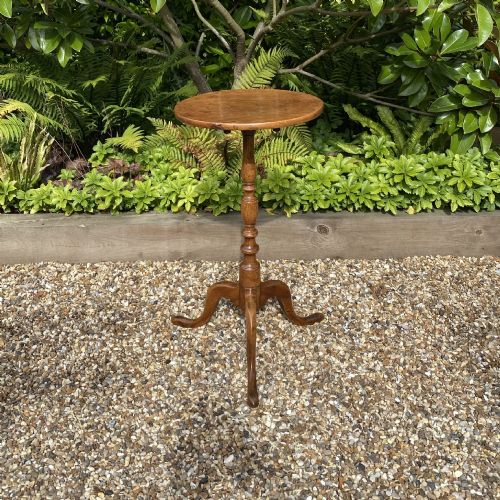
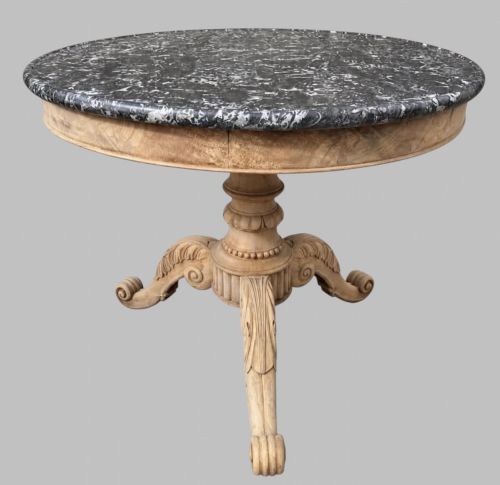
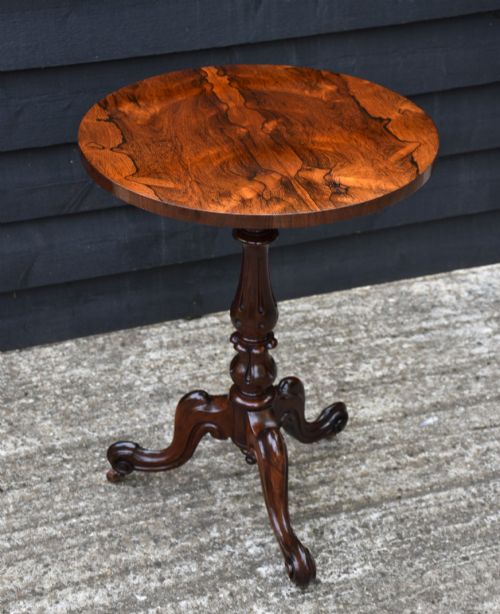
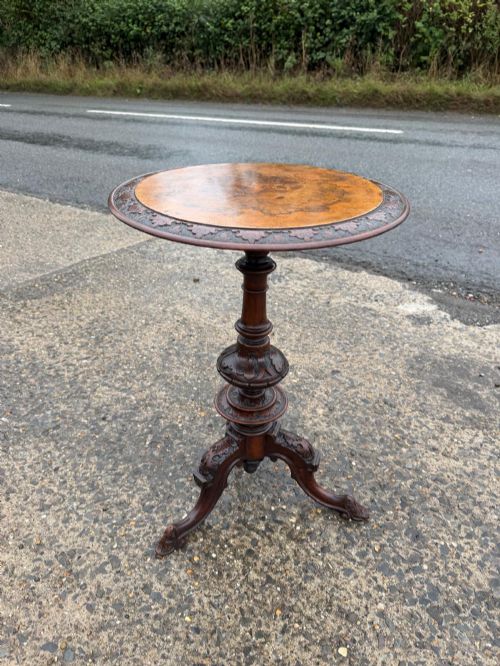
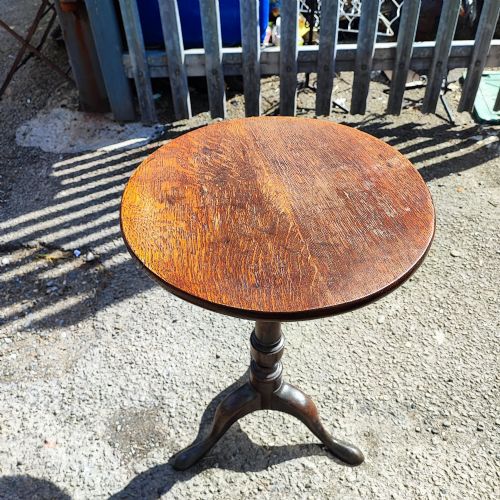
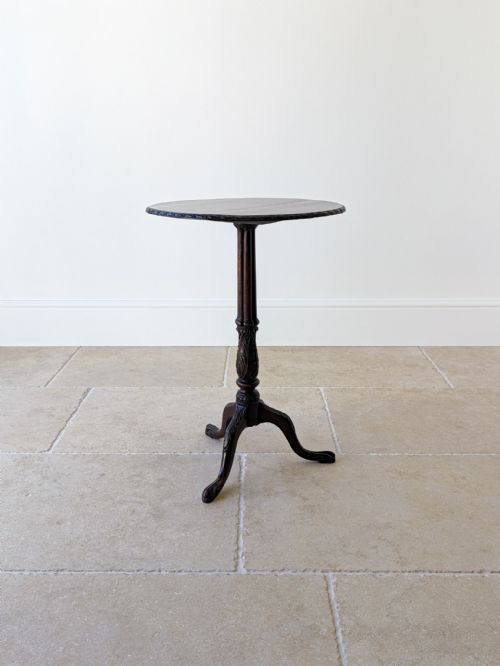
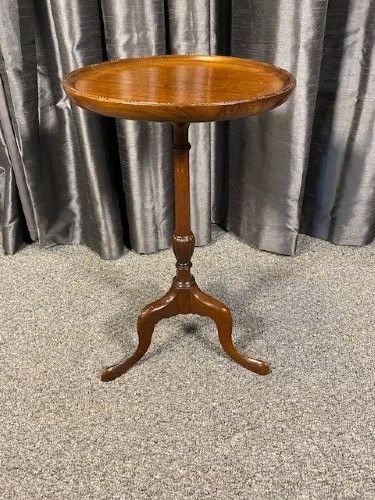
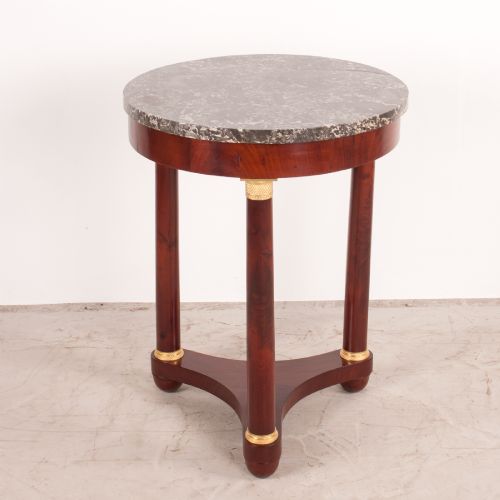
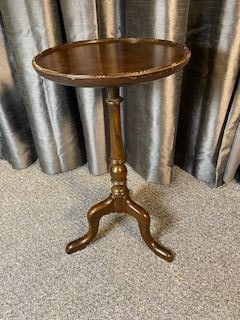
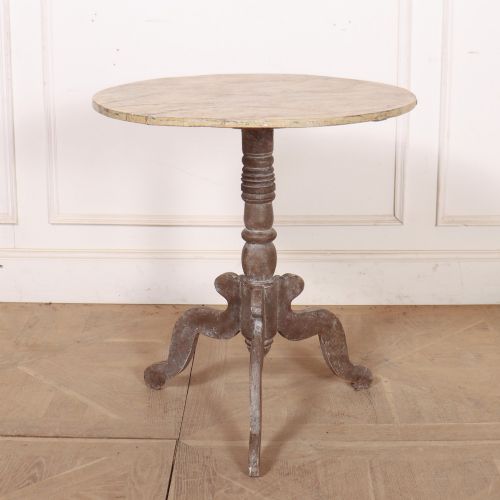
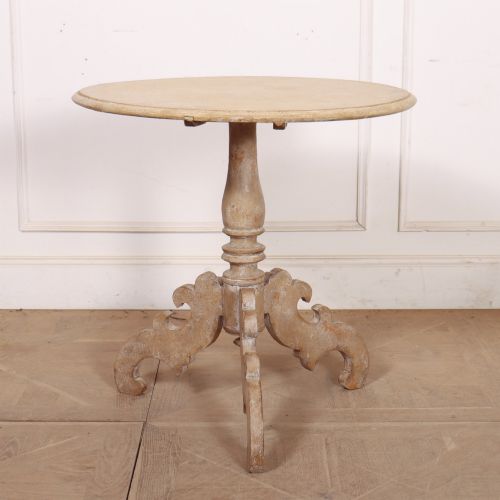
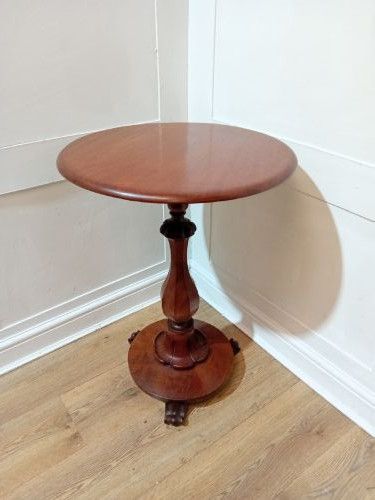
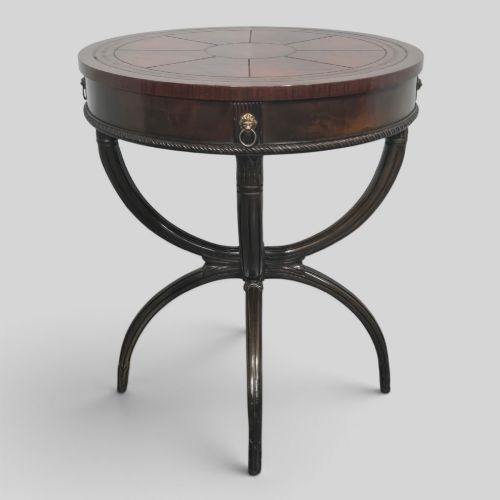
Round pedestal lamp tables are compact circular surfaces supported by a central column, frequently appearing in forms such as wine tables, tripod tables, and guéridons. When you examine round pedestal lamp tables on this page, you encounter pieces designed primarily to sit beside seating or in small spaces. The selection spans the eighteenth, nineteenth, and early twentieth centuries, drawing on Georgian, Victorian, Regency, and continental European traditions.
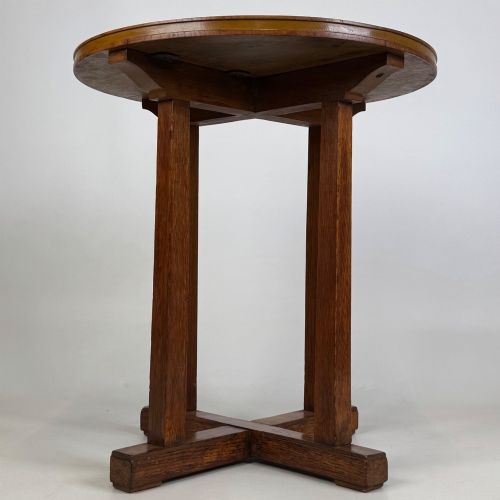
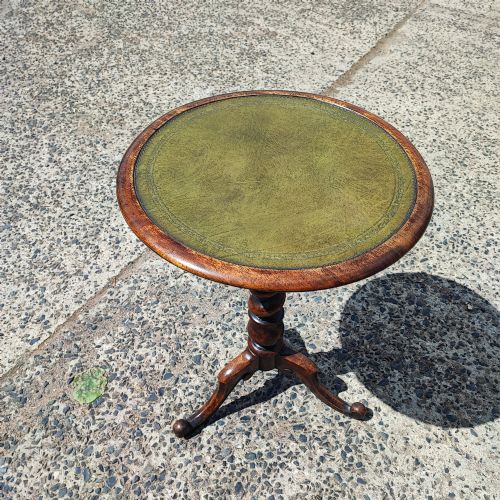
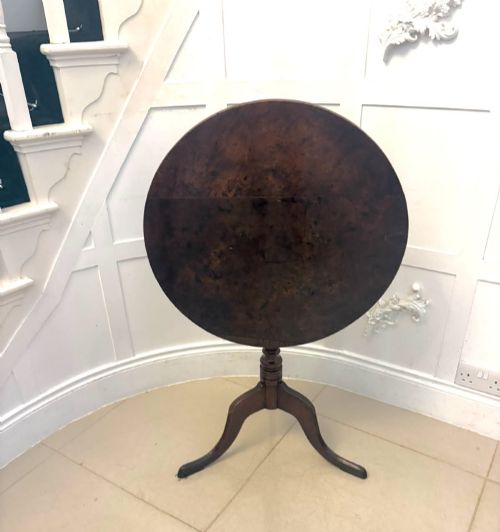
The most common iterations on this page are mahogany tripod tables featuring tilting or fixed circular tops, alongside French marble-topped guéridons in walnut and elm. You also find painted Swedish country examples and oak Arts and Crafts occasional tables. These varied origins mean pieces range from simple domestic country furnishings to more formal urban drawing-room designs.
Materials and construction
Cabinetmakers constructed these tables predominantly using timbers such as mahogany, walnut, oak, rosewood, and yew, frequently selecting burr veneers for the circular tops to highlight natural wood figures. Many tables employ a central pillar rising from a tripod base of three shaped legs, providing stability on uneven floorboards. Some continental variants incorporate inset white marble slabs into the wooden frame, creating a durable, heat-resistant surface.
Joinery methods varied according to the origin and period, with tilt-top mechanisms utilising wooden catches or brass latch systems to allow the surface to fold away flat when not in use. Turning lathes shaped the central pedestals into pillars, columns, or barley twist forms before final finishing with wax or polish to protect the timber grain.
Listings feature round pedestal lamp tables from the Georgian, Victorian, and Edwardian eras, constructed in mahogany, walnut, oak, rosewood, and painted finishes.
Assessing quality and craftsmanship
Quality in round pedestal lamp tables reveals itself in the selection of timber veneers and the crispness of the turned pedestal and leg joints. Superior examples display carefully matched burr walnut or mahogany grains across the single-piece or segmented top, whereas lesser pieces rely on plain, unfigured boards or heavy stain. The engineering of the tilting mechanism and the snugness of the fit where the column meets the base also distinguish finer workshop production from standard utility items.
Proportion and stability dictate the functional success of a pedestal table, with better items resting evenly on all three feet without wobble. The carving on the knees of tripod legs or the execution of reeded and fluted columns demonstrates the hand of a skilled maker, separating standard commercial output from pieces intended for formal reception rooms.
The Round Pedestal Lamp Tables Glossary
- Tripod table
- A small occasional table supported by a central pillar resting on three legs. This construction prevents rocking on uneven historical flooring.
- Guéridon
- A small French occasional table or stand, often featuring a round top supported by a single pedestal. They frequently incorporate marble tops or decorative painted finishes.
- Tilt-top
- A tabletop hinged to the top of the pedestal so it can be folded into a vertical position. This allowed tables to be stored against walls when not in use.
- Burr walnut
- Timber taken from the abnormal growth of a walnut tree, yielding complex, swirling grain patterns. Cabinetmakers sliced this wood into thin veneers for decorative table tops.
- Barley twist
- A type of turning that resembles a spiralling rope or barley sugar stick. This decorative motif appears frequently on the central columns of nineteenth-century pedestals.
Round Pedestal Lamp Tables: Frequently Asked Questions
What is a round pedestal lamp table?
A round pedestal lamp table is a compact surface supported by a central column and a base, designed to hold a light or small objects beside seating. They provide a practical surface without occupying the floor space of a four-legged table.
Historically, many of these formats began as wine tables or tea tables before modern lighting found a place on them. Their circular tops and modest diameters make them adaptable to corners and tight spaces.
How do I use a tilt-top table?
Tilt-top tables feature a pivoting mechanism beneath the circular top that allows the surface to lock vertically or horizontally. To use it, you release a wooden catch or brass latch to drop the top flat for placement.
When not in use, folding the top upward allows the table to stand flush against a wall or in a hallway to save space. This functional feature was common in eighteenth and nineteenth-century parlours.
Where should I place a guéridon?
A guéridon works well as an accent piece beside an armchair, in a corner, or as a small centre table in a hallway. The marble-topped versions offer a durable surface for drinks or plants.
Because these tables are lightweight and supported by a single pedestal, they suit low-traffic areas where they will not be easily knocked. Their decorative pedestals make them suitable as focal points in a room.
How do I date a mahogany tripod table?
Dating a mahogany tripod table involves examining the timber species, the turning style of the pedestal, and the method used to join the legs. Earlier eighteenth-century examples often feature slender, elegant proportions with pad or snake feet.
Victorian and later revival pieces tend to show heavier turned columns, different fixing brackets beneath the top, and denser timber. Construction marks and screw types underneath also offer clues to the period of manufacture.