

Round Mahogany Tilt Table
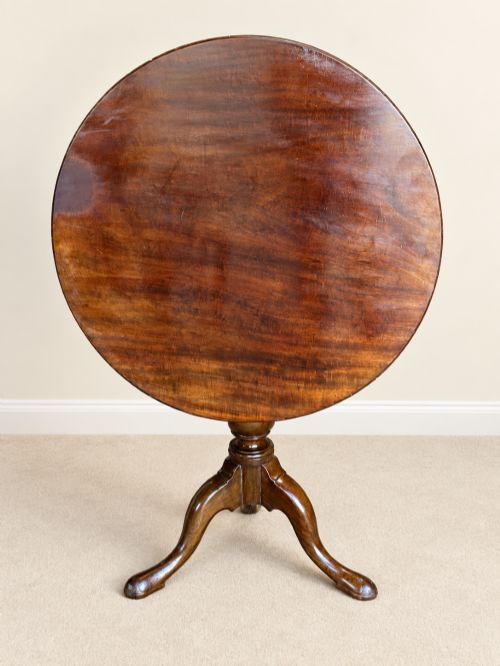
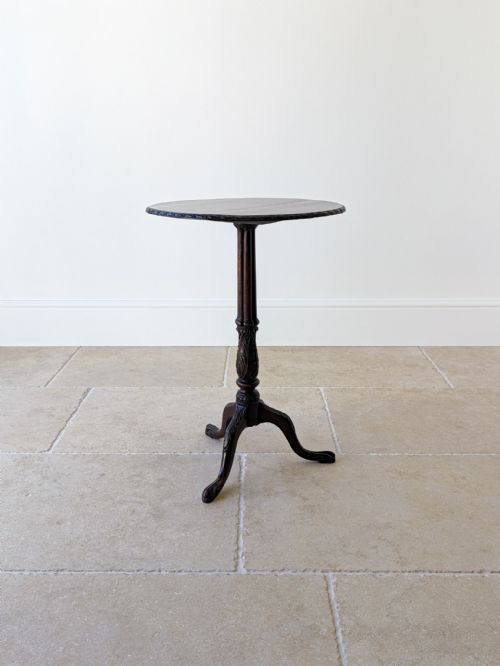
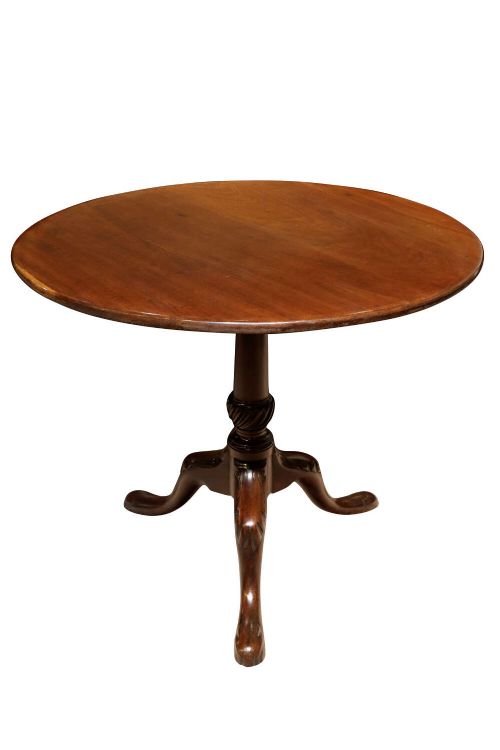
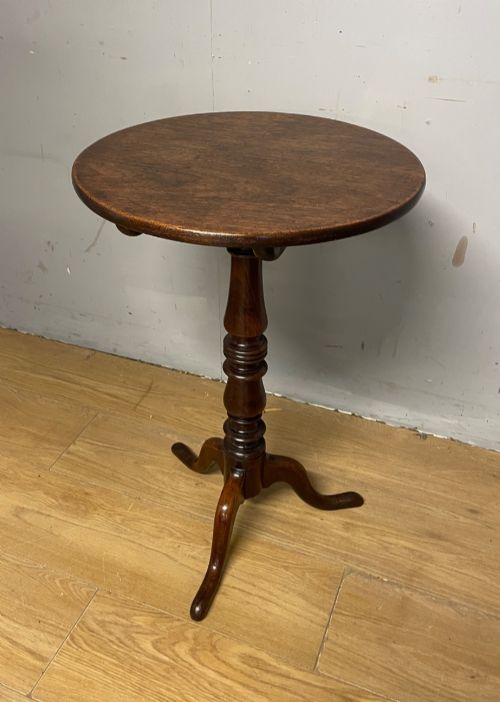
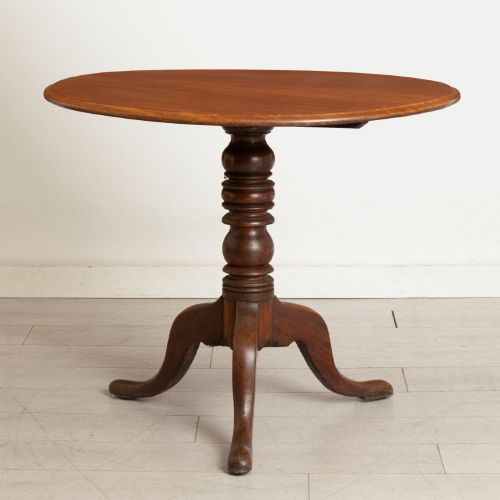
A round mahogany tilt table is a versatile piece of antique furniture designed to save space by tipping upright when not in use.
Round Mahogany Tilt Table
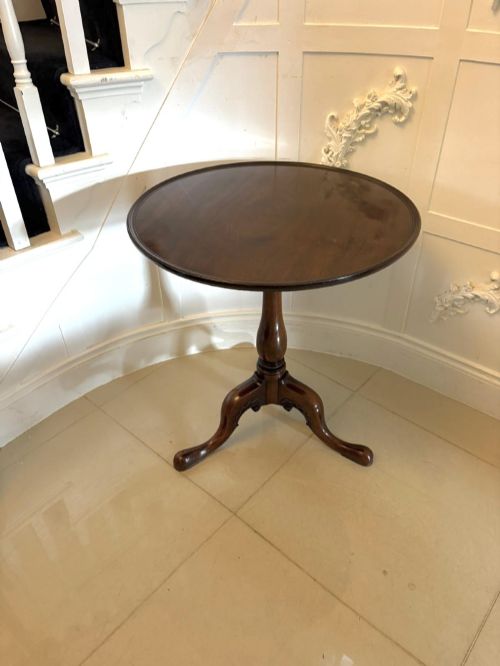
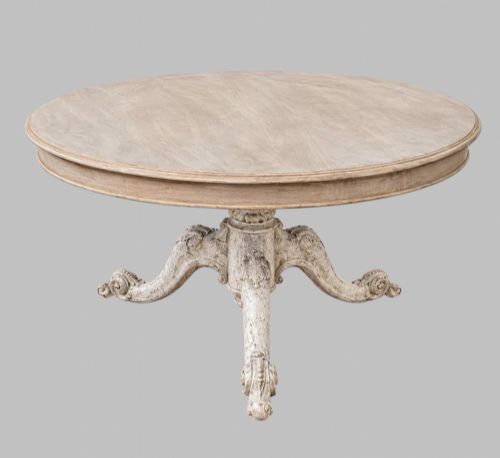
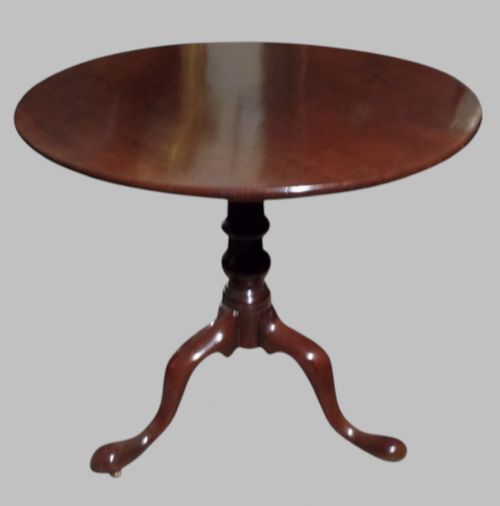
When you search for a round mahogany tilt table, you are looking at circular timber tables whose tops pivot on a central mechanism to rest vertically against the pedestal. The versions most commonly met on this page span the Georgian, Regency and Victorian periods, taking forms that range from compact wine tables to large six-seater dining furniture.
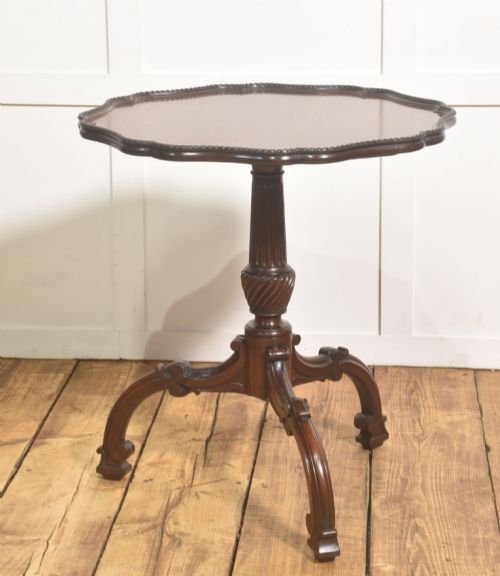
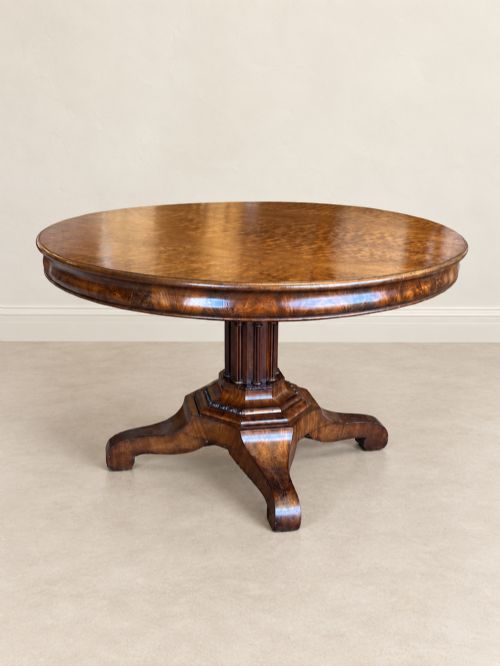
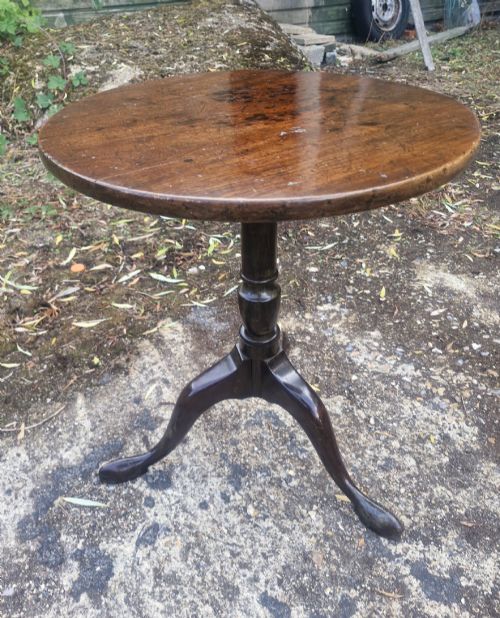
The evidence shows these tables appearing across the eighteenth and nineteenth centuries, produced in styles such as George III, William IV and Chippendale Revival. Smaller examples typically rest on tripod legs, whilst larger breakfast and dining tables utilise robust pedestals or triform bases.
Makers and workshops constructed these objects for varied domestic uses, including serving wine, taking breakfast, or sitting as occasional side pieces. They combine functional utility with traditional cabinet-making forms that suit both modern and historic interiors.
How they were made
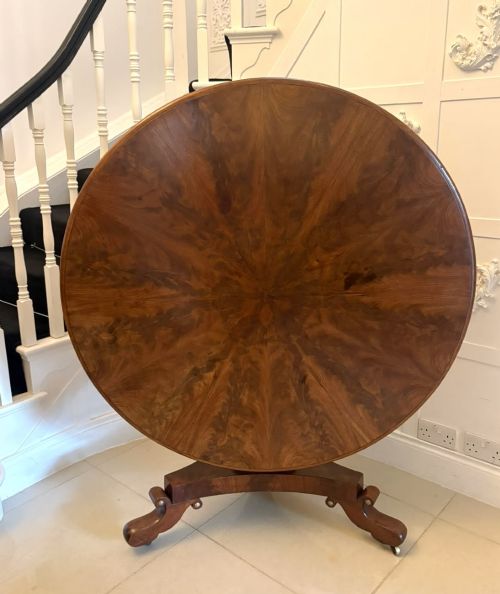
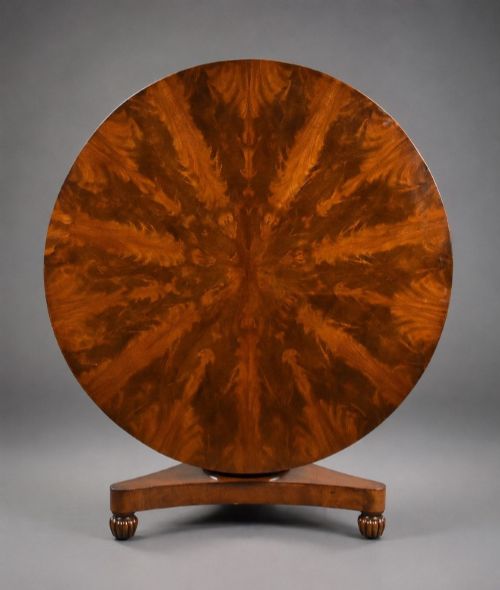
Cabinet-makers relied heavily on solid mahogany and figured veneers, frequently selecting Cuban mahogany or flame mahogany veneer for prominent surfaces. These timbers were often supported by secondary woods and finished to highlight natural grain patterns.
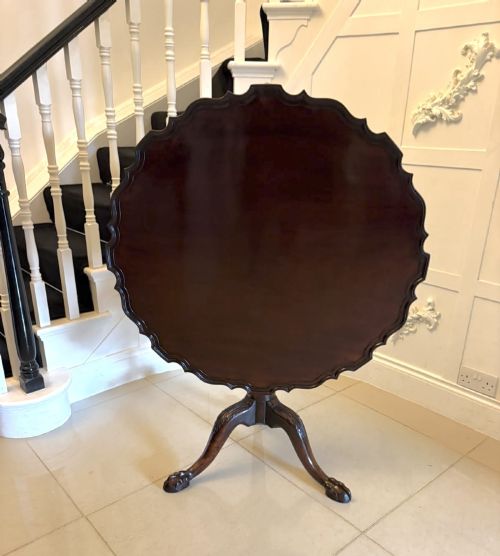
The tilting mechanism frequently incorporated a birdcage mounting, allowing the circular top to both pivot and rotate independently of the pedestal. Turned columns and carved tripod legs provided stable support, occasionally augmented by brass fittings and castors on larger dining formats.
Listings feature mahogany, rosewood, walnut, and oak, spanning the Georgian, Regency, and Victorian periods.
What varies in quality
Quality in these tables rests on the selection of timber and the precision of the tilt mechanism. Superior examples display highly figured flame mahogany veneers or dense Cuban mahogany, paired with tight, smooth joints in the birdcage or pivot block.
Proportion and carving distinguish standard pieces from exceptional ones. Finer items feature crisp hand-carving on the tripod legs and pedestals, balanced proportions in the turning, and stable tops that lock securely in the horizontal position without wobble.
Gillows·Walker Lancaster
The Round Mahogany Tilt Table Glossary
- Tilt-top
- A table top attached to a mechanism that allows it to pivot from a horizontal surface to a vertical position. This clever design enabled tables to be pushed against walls when not in use.
- Birdcage
- A timber framework beneath the table top that permits the surface to rotate as well as tilt. It sits between the top and the central column.
- Tripod base
- A pedestal support terminating in three legs, commonly curved or cabriole in form. It provides balanced stability for smaller occasional and wine tables.
- Flame mahogany
- A veneer cut from timber where the grain creates a distinctive flame-like pattern. Makers used this on prominent surfaces for visual impact.
- Crossbanded
- A decorative border applied to the edge of a table top where the grain runs perpendicular to the main centre panel. This technique frames the primary timber.
Round Mahogany Tilt Table: Frequently Asked Questions
Why did they make tables with tilting tops?
These tables were built to save floor space in historic homes when dining or entertaining finished. Tilting the top flat allowed the furniture to rest compactly against a parlour wall.
This practical design also made it easier to move the heavy timber pieces between rooms during the day.
How do I use a tilt table today?
You can place a smaller tripod version beside a sofa or chair as a convenient lamp or wine table. Larger examples serve well as everyday dining surfaces in kitchens or reception rooms.
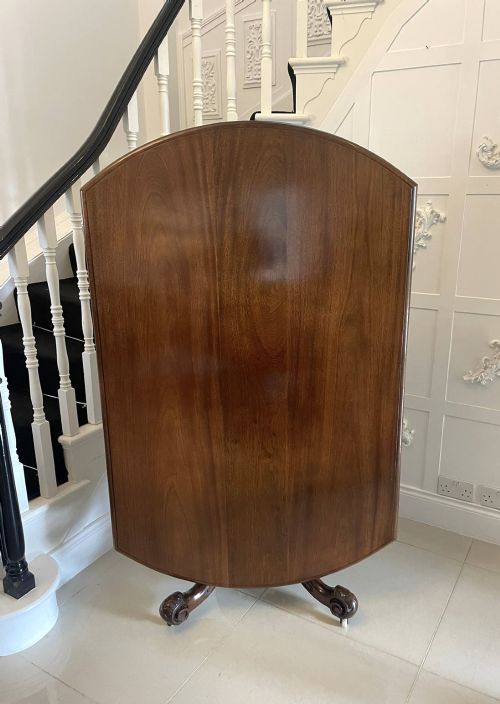
When not needed for meals, tilting the top upright turns the piece into a decorative wooden panel that displays the grain.
How can I tell a Georgian table from a Victorian one?
Georgian examples, particularly from the George III period, often feature simpler, lighter tripod bases and slender proportions. They frequently incorporate birdcage mechanisms beneath the top.
Victorian pieces tend to be heavier and more robust, occasionally displaying bolder carving, heavier pedestals, and darker solid mahogany construction.
What is a birdcage mechanism?
A birdcage is a small wooden cage structure fitted between the table top and the central pedestal column. It contains small spindles that allow the top to rotate freely in a circle.
This feature let diners spin the table to reach dishes easily before tilting the entire top away.