

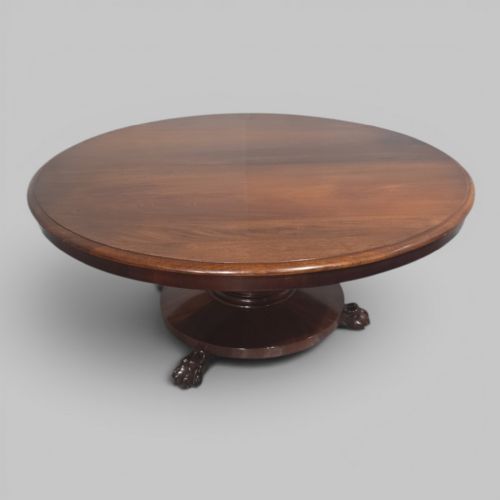


Round Low Table
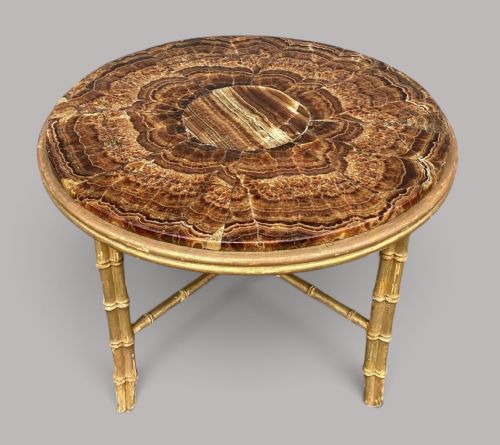
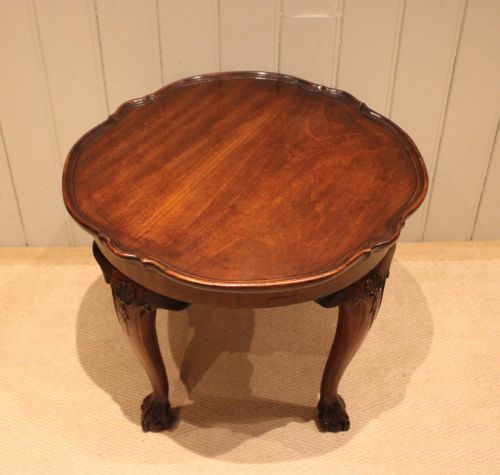
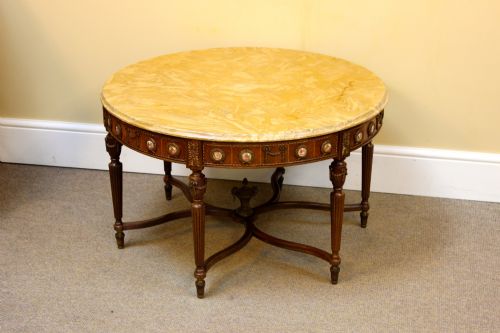
A round low table gathers a room, offering a compact surface in walnut, mahogany or marble that spans periods from Victorian to Art Deco.
Round Low Table
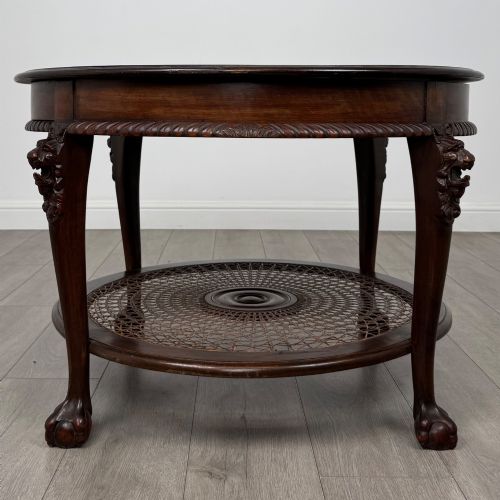
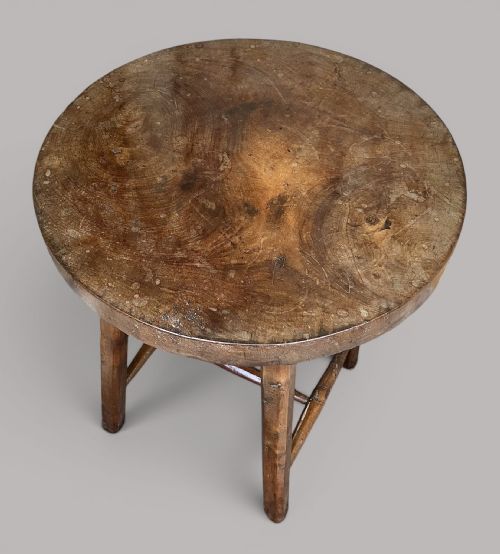
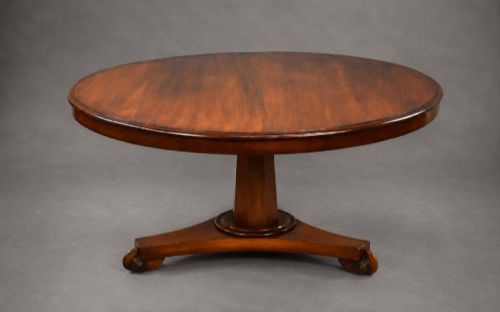
A round low table serves sitting rooms and libraries as a coffee table, occasional table or transformed wine table, keeping surfaces close to hand. You encounter these most frequently in walnut, mahogany and oak from the nineteenth century through the Art Deco period.
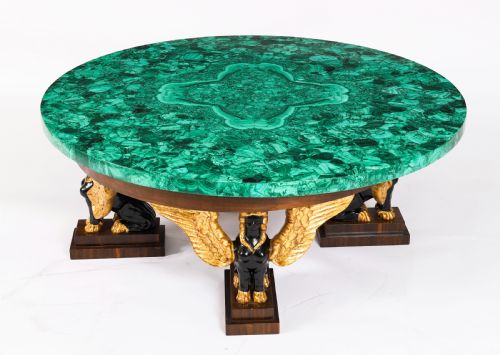
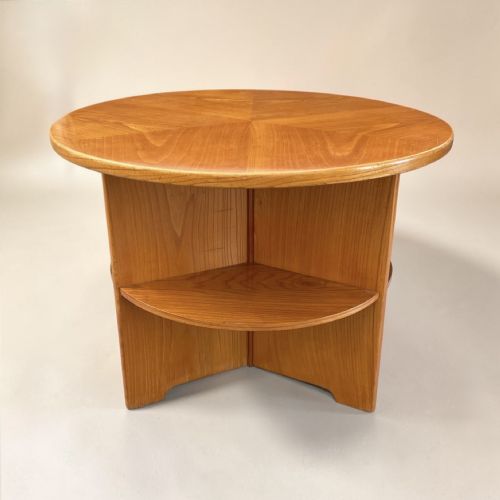
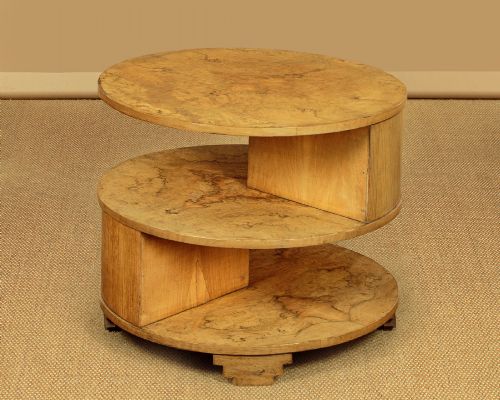
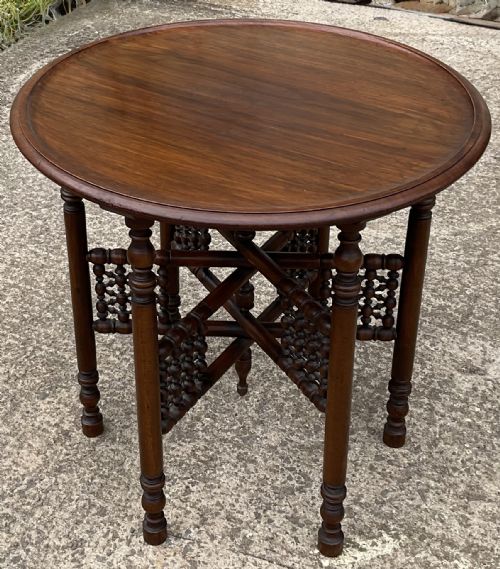
Forms range from simple circular coffee tables to two-tier designs, drum centre tables and pieces with marble or malachite tops. Makers and revivals span Georgian, Victorian, Edwardian and mid-century aesthetics, alongside Oriental and French styles.
How they were made
Carpenters utilised timbers such as mahogany, walnut, burr walnut, oak, birch, elm and rosewood, often selecting figured veneers for circular tops. Solid woods provide sturdy frames, while decorative elements rely on brass, giltwood, gilt metal and hand carving.
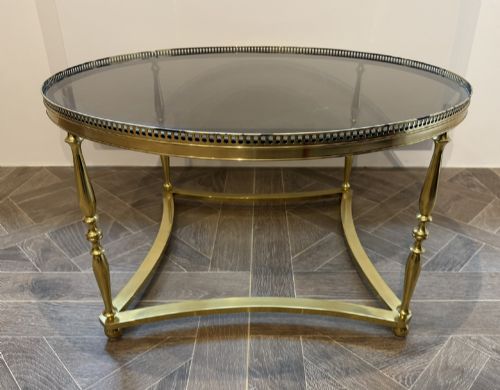
Surfaces frequently incorporate inset marble, glass or polished wood, sometimes augmented by marquetry inlay or patinated ebonised finishes. Construction methods vary from traditional joinery on nineteenth-century pedestals to streamlined tiered framing in later twentieth-century pieces.
Listings feature walnut, mahogany, oak, burr walnut, marble, brass, hardwood and ebonised wood across Victorian, Edwardian and Art Deco periods.
What varies in quality
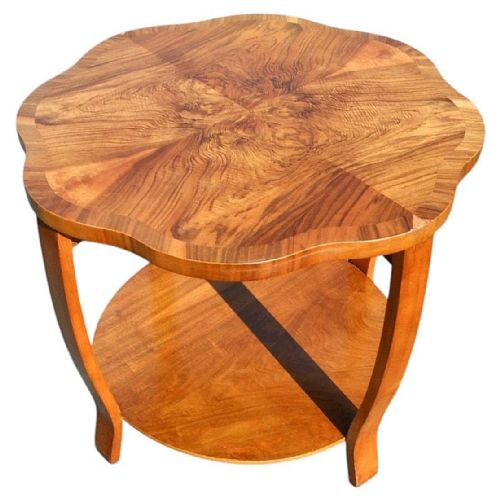
The distinction between ordinary and superior examples lies in the selection of timbers, particularly the choice of figured walnut or burr elm veneers on the top. Subtlety of hand carving, precision of marquetry inlay and the integration of materials like marble or gilt bronze elevate a piece considerably.
Proportion and structural harmony separate workshops of note from mass production. A well-balanced pedestal base or thoughtfully engineered two-tier arrangement reflects a higher standard of design and execution.
Waring and Gillows·Heals of London·Gillows·Gillows of Lancaster
The Round Low Table Glossary
- Burr walnut
- Timber featuring swirling, knotty grain patterns harvested from growths on walnut trees. It creates highly decorative patterns on circular table tops.
- Marquetry
- The art of applying pieces of veneer to a structure to form decorative patterns. Craftsmen use varied woods to build complex pictorial motifs.
- Ebonised
- Wood treated with a dark finish to imitate ebony. This technique was popular in nineteenth-century and Art Deco design.
- Pie crust
- A carved, raised decorative moulding along the edge of a circular table top. The undulating rim resembles pastry work.
- Pedestal
- A single central support column resting on feet or a plinth base. It carries the weight of the round top above.
Round Low Table: Frequently Asked Questions
How do I style a round low table?
Keep the surface uncluttered by balancing a stack of books with a small lamp or a bowl. The circular shape allows movement around it easily in tighter seating layouts.
Position the table centrally before a sofa or between armchairs so that drinks and reading material remain within arm's reach for anyone seated.
What periods do these tables cover?
The selection spans from Georgian and Victorian eras through Edwardian times to Art Deco and mid-century modern pieces. Earlier examples often feature turned pedestals, whilst 1930s designs favour figured walnut veneers and clean circular tiers.
Revival styles appear frequently too, including Queen Anne, Chippendale and Biedermeier interpretations created in the twentieth century using older aesthetic traditions.
Are marble tops original to these tables?
Many French and Edwardian examples were built specifically to receive inset marble or malachite slabs, prized for their cool surfaces and durability. These stone tops are typically heavy and rest securely within a wooden or giltwood frame.
When assessing a marble-topped piece, look for consistent mounting that matches the period of the wooden base beneath it.
Where were these tables used originally?
In nineteenth-century homes, larger pedestal tables served as centre tables in reception rooms for holding lamps and books. Lowered wine tables and occasional tables performed similar duties by seating areas for afternoon tea.
By the twentieth century, the form adapted into dedicated coffee tables designed specifically for lower seating arrangements in modern sitting rooms.