






Round Brilliant Ring
A round brilliant ring catches the light across decades, uniting classic diamond cutting with enduring precious metals.
Round Brilliant Ring
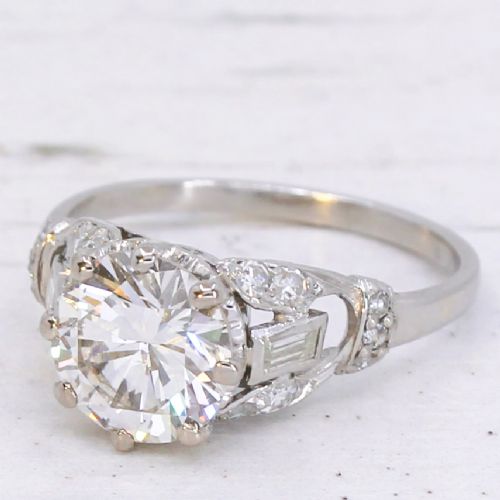
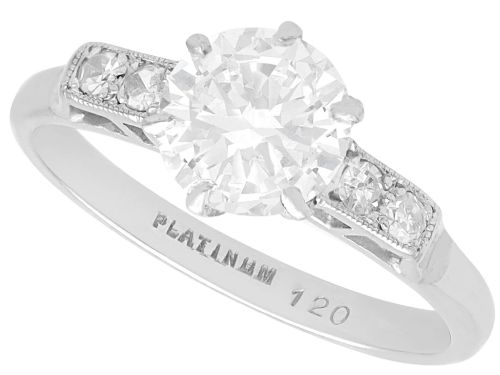
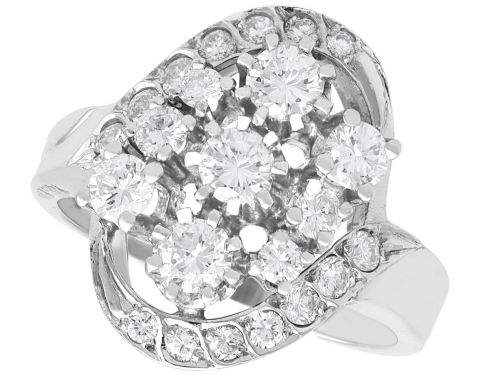
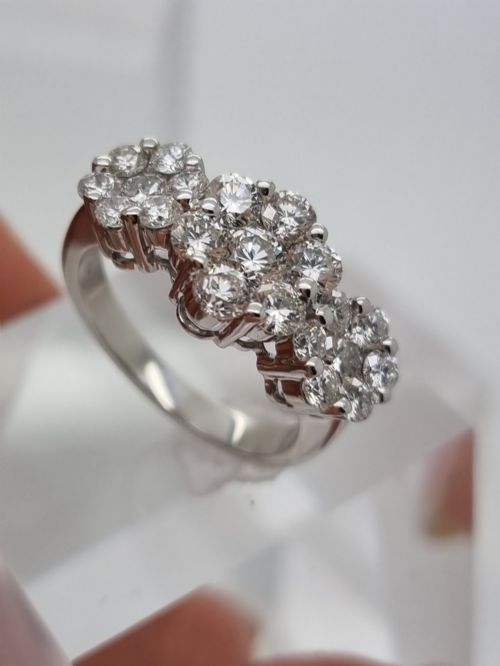
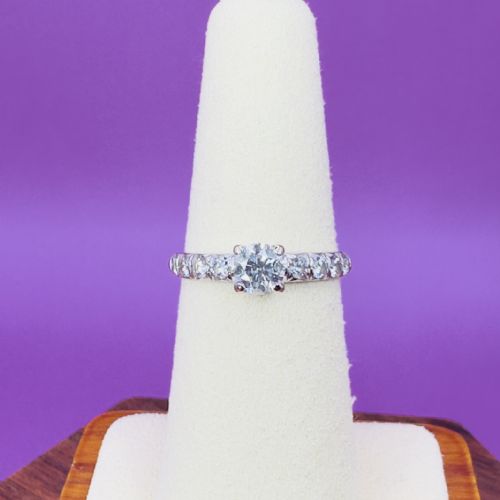
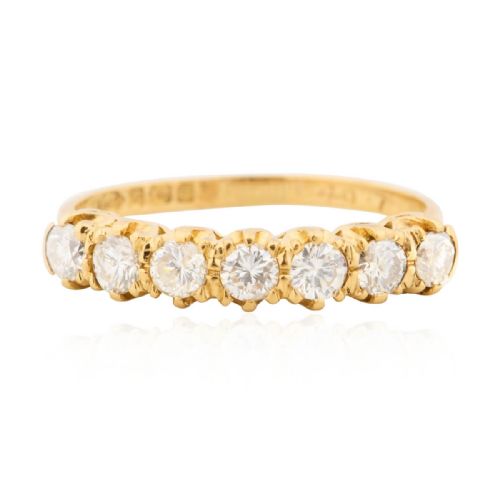
A round brilliant ring centres on a faceted diamond designed to maximise light return and brilliance, appearing in forms such as solitaires, multi-stone clusters, and trilogy designs. You will frequently encounter examples originating from the Edwardian period through the mid-century decades and up to the present day.
The mounting varies significantly across periods, incorporating platinum alongside white, yellow, and rose 18-carat gold. Settings range from sleek platinum claws to elaborate white gold cluster and ballerina arrangements that frame the central stones.
Materials and construction
Metals such as platinum and 18-carat white or yellow gold provide the structural support for these diamond rings. Platinum offers high durability for securing stones in slender claws, whilst gold yields traditional warmth and versatility in coloured metal variations.
Diamond cutting techniques shape the central stones, with transitional cuts and standard round brilliants set securely into bezels, prongs, or channel settings. Metalwork techniques span cast mountings and hand-finished details such as shoulder stones and twisted bands.
Round Brilliant Ring Retail Price Guide 2026
Typical asking prices for round brilliant ring among the pieces listed under this phrase on Sellingantiques today, from the lower quarter to the upper quarter. They describe what is for sale here now, not the wider market.
Some mid-century clusters resemble blooming floral heads, turning hands into perpetual miniature gardens.
Quality factors in craftsmanship
Stone quality depends upon the optical performance of the diamond, where precise facet symmetry and proportions dictate how light travels through the material. Higher grades display superior colour and clarity, enhancing the overall brilliance of the face-up appearance.
Mounting execution dictates the longevity and refinement of the piece, visible in the evenness of claw work, the security of channel settings, and the structural integrity of the metal band. Maker signatures and certified diamond specifications further distinguish exceptional examples.
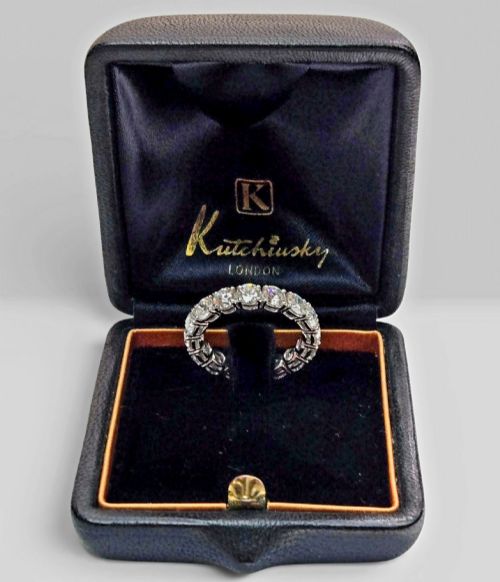
Kutchinsky
The Round Brilliant Ring Glossary
- Solitaire
- A ring featuring a single prominent diamond set on a precious metal band. This classic form places complete visual focus on the central stone.
- Trilogy
- A ring incorporating three stones arranged horizontally across the finger. This configuration traditionally symbolises the past, present, and future.
- Cluster
- A ring style where multiple smaller diamonds surround a central stone or form a dense geometric pattern. This arrangement creates a larger visual presence on the hand.
- Eternity ring
- A band set continuously with diamonds encircling the full or half circumference of the finger. It represents an unbroken line of precious stones.
- Platinum
- A dense, naturally white precious metal prized for its strength and resistance to tarnish. It allows jewellers to create secure, slender settings for valuable diamonds.
Round Brilliant Ring: Frequently Asked Questions
How do I date an older ring?
Dating relies upon stylistic markers, mounting techniques, and diamond cutting styles characteristic of specific eras. Edwardian examples often feature delicate millegrain work, whilst mid-century pieces show bolder architectural mountings.
Examining the metal purity stamps and consulting certified gemstone reports provides further chronological context for vintage and antique acquisitions.
Are these rings suitable for daily wear?
Most antique and vintage rings utilise durable precious metals like platinum and 18-carat gold alongside hard diamond stones. Regular wear remains practical provided the setting claws are checked periodically by a professional.
Protecting the jewellery from harsh impacts and chemical exposure preserves the integrity of both the metal band and the stone settings.
What is the difference between solitaire and trilogy rings?
A solitaire design highlights one individual diamond as the singular focus of the ring. A trilogy configuration displays three distinct stones set in a row.
Both styles utilise round brilliant cuts, but trilogy pieces distribute visual weight across a wider span of the finger.