

Round Furniture
Round antique furniture brings together circular tables and stands from Georgian, Victorian, and later periods, offering practical surfaces shaped for social rooms.
Round Furniture
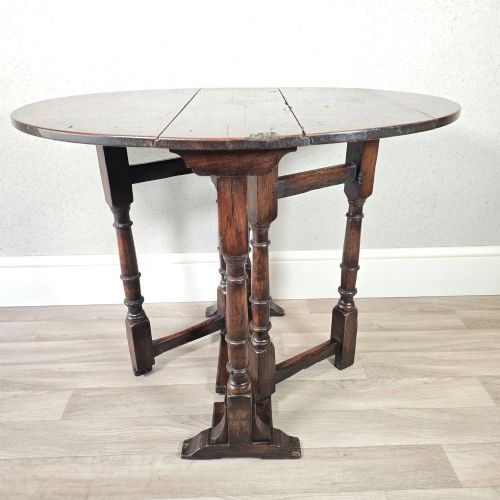
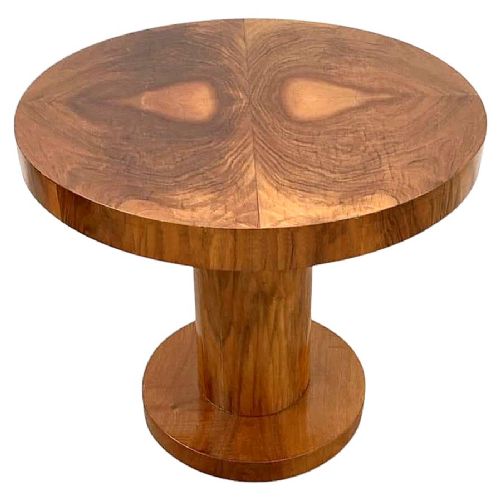
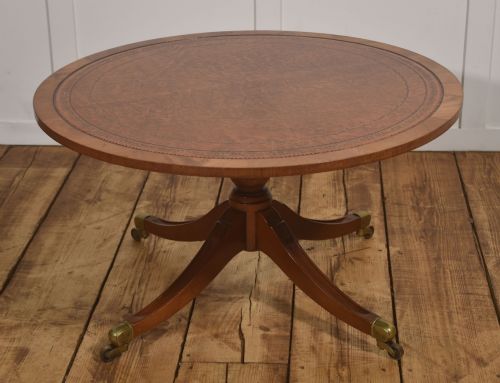
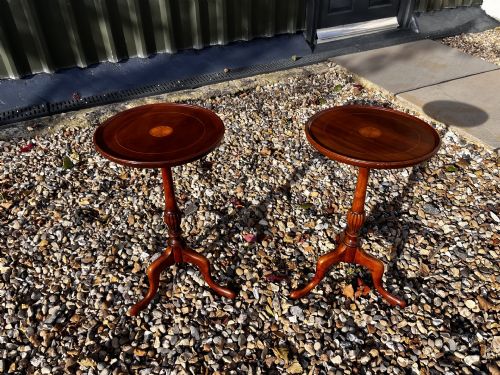
Round antique furniture primarily comprises tables designed for occasional use, dining, or central placement within a room. When searching for round antique furniture, buyers frequently encounter wine tables, side tables, and larger centre pieces spanning the eighteenth to early twentieth centuries.
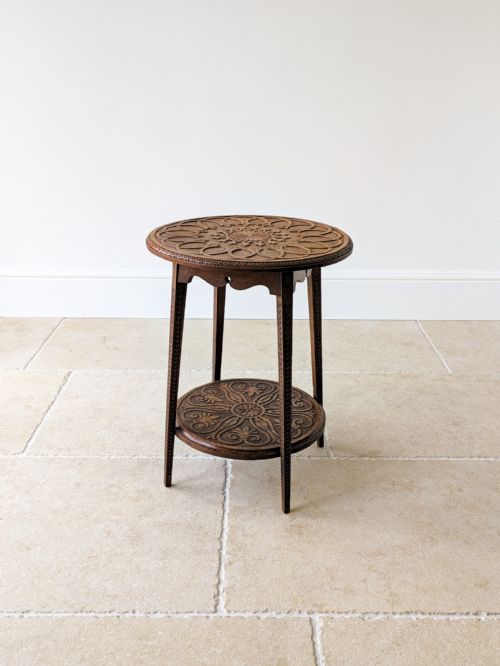
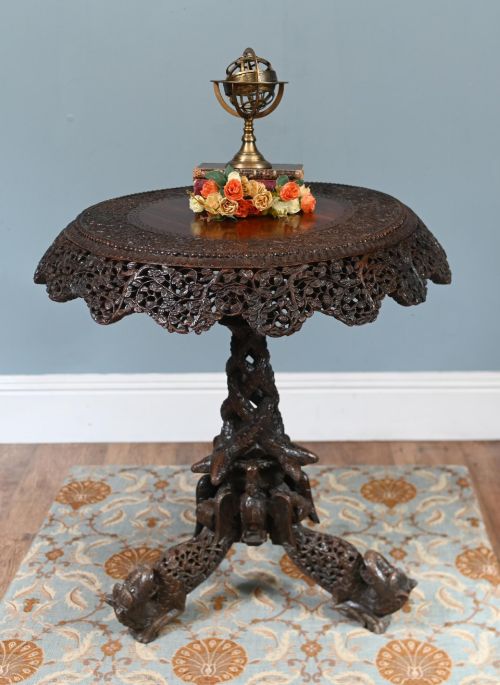
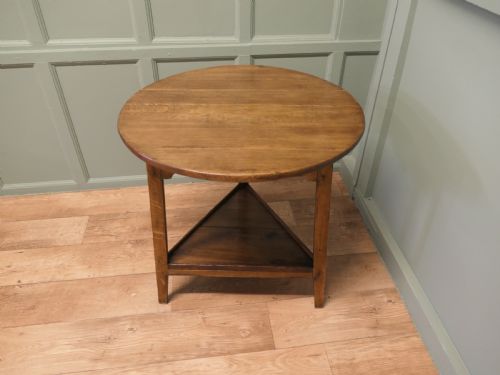
The selection ranges from sturdy oak cricket tables and mahogany dining pieces to intricate rosewood and burr birch occasional stands. Regional variations also appear, including Burmese carved hardwood pieces, Chinese export furniture, and Indian Raj padauk tables.
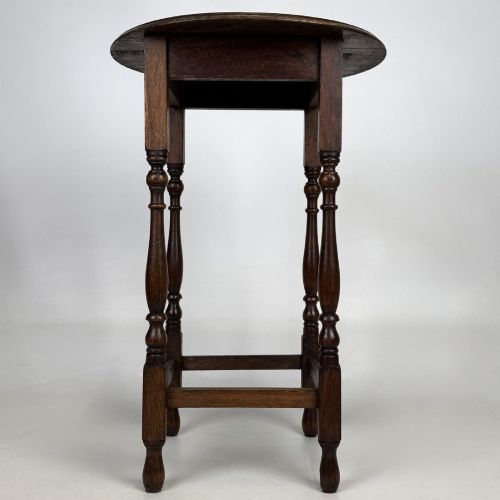
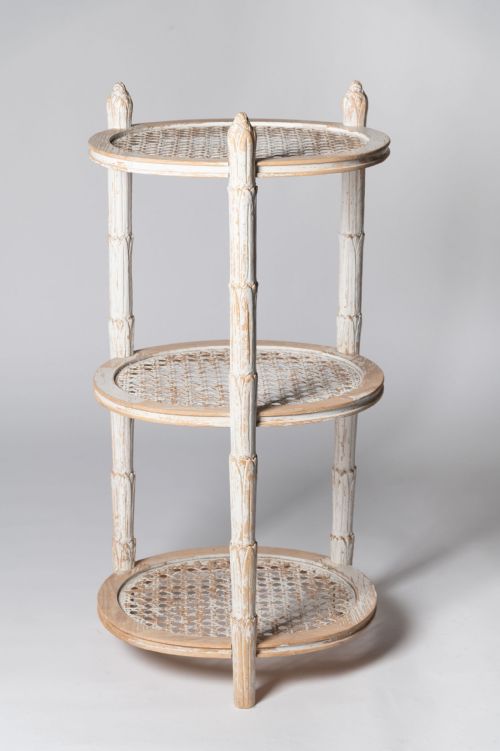
Smaller formats such as lamp tables, coffee tables, and revolving bookcases represent the domestic utility found across Edwardian and Art Deco periods. These forms demonstrate how circular surfaces adapted to changing interior requirements over two centuries.
How they were made
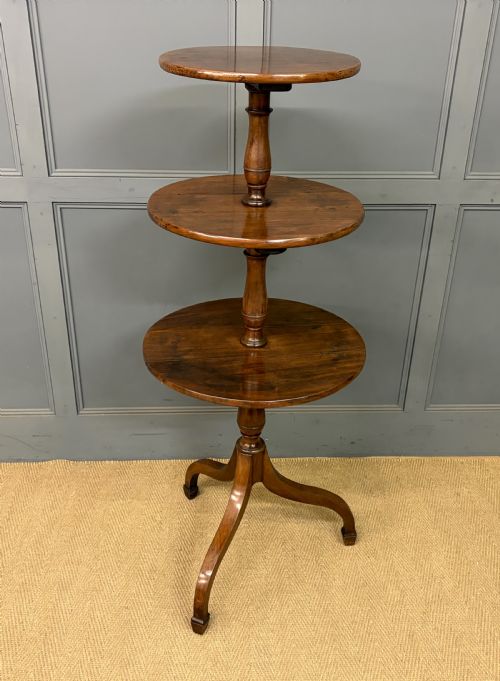
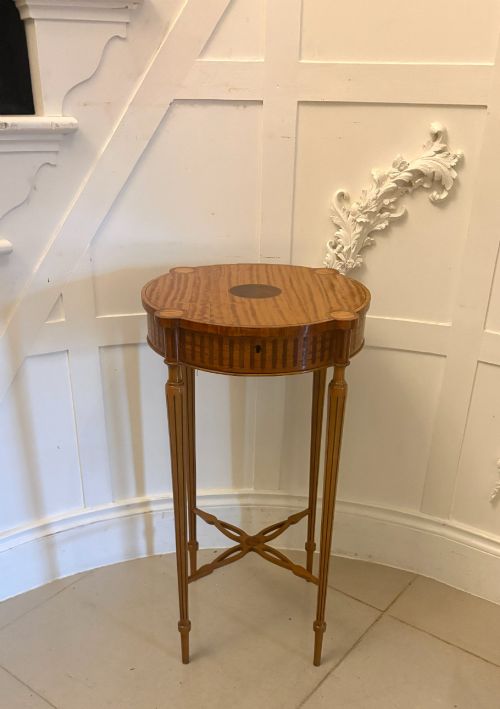
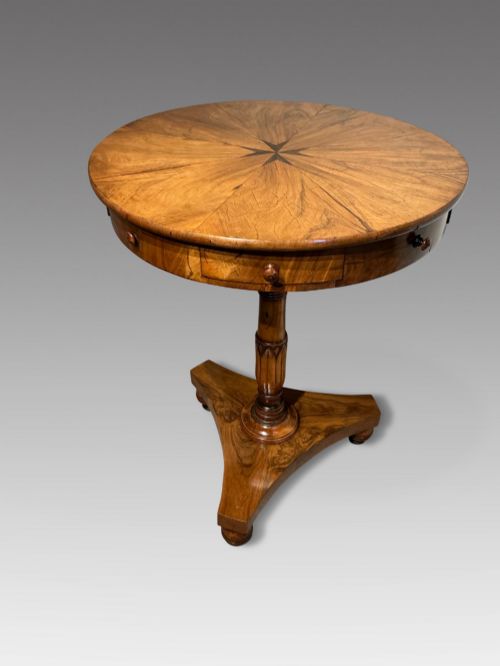
Cabinetmakers utilised dense timbers such as mahogany, oak, rosewood, and walnut, often applying decorative veneers like burr birch or satinwood over solid secondary woods. Construction methods included turnery for pedestals, tripod leg arrangements for tilt-top tables, and precise joinery for drawers and revolving mechanisms.
Surface ornamentation involved marquetry inlay, leather inserts, hand-carving on hardwood frames, and polished finishes that highlighted natural grain patterns. Cast iron and marble appear in specific utilitarian and garden contexts, demonstrating varied industrial and domestic applications.
Round Furniture Retail Price Guide 2026
Typical asking prices for round furniture among the pieces listed under this phrase on Sellingantiques today, from the lower quarter to the upper quarter. They describe what is for sale here now, not the wider market.
Listings span eight distinct periods, from eighteenth-century Georgian and George II examples through to 1930s Art Deco pieces.
What varies in quality
Quality rests upon the selection of timber figures, the precision of cabinet joinery, and the integrity of structural pivots such as tilt mechanisms and revolving tops. Superior pieces display harmonious grain matching in veneers, crisp hand-carved detailing, and stable weight distribution across tripod or pedestal bases.
Construction methods that maintain stability without excessive modern reinforcement separate finer workshop production from simpler utility pieces. Original surface patination and intact decorative elements like inlaid banding or needlepoint work further distinguish the standard of craftsmanship.
Edwards & Roberts
The Round Furniture Glossary
- Tilt-top table
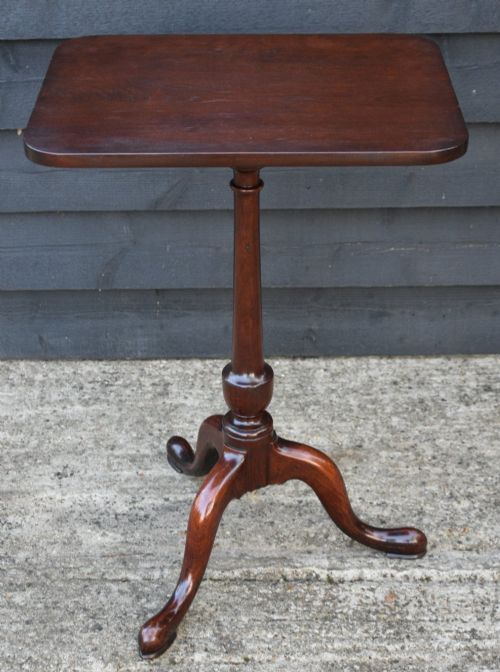
- A table with a hinged top that pivots vertically to allow compact storage against a wall when not in use. This mechanism relies on a brass catch or wooden peg to secure the surface horizontally.
- Cricket table
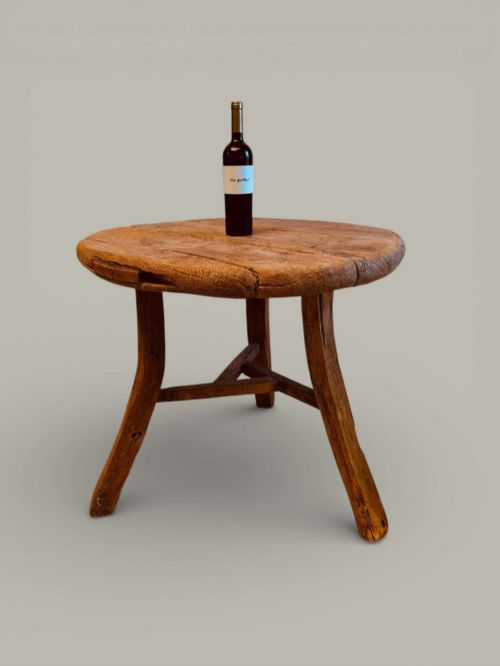
- A small three-legged round table originating in the eighteenth century, typically constructed from oak or pine. The three legs provide stability on uneven floors.
- Centre table
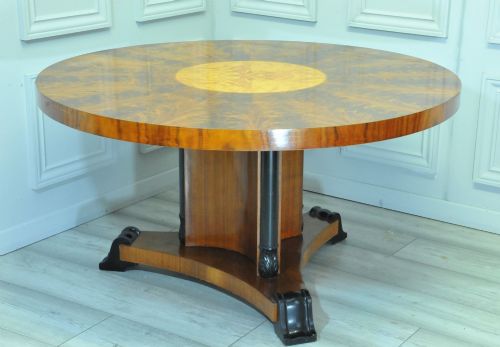
- A freestanding piece finished on all sides, designed to stand in the middle of a room rather than against a wall. These often serve as the focal point for a library or drawing room.
- Marquetry
- Decorative inlay technique where thin pieces of wood veneer, shell, or ivory are fitted into a wooden panel to form geometric or pictorial designs. This work requires high precision from the maker.
- Padauk
- A dense tropical hardwood displaying rich reddish-brown tones, utilised extensively in Anglo-Indian and colonial furniture production during the nineteenth century.
Round Furniture: Frequently Asked Questions
What is a tilt-top table used for?
Tilt-top tables served as versatile surfaces for dining, reading, or serving wine in period drawing rooms. Their pivoting mechanism allowed them to be folded down and placed against the wall to save floor space.
Today, these tables function effectively as lamp or occasional surfaces in living areas while retaining their original mechanical capability.
How do I identify a cricket table?
Cricket tables are characterised by three splayed legs and a circular wooden top, traditionally made from oak or pine. They trace their origins to vernacular British domestic use during the eighteenth century.
Their simple three-legged construction ensured they remained stable on uneven flagstone or floorboards in historical homes.
Where should I place a centre table?
Centre tables are designed to be viewed from all angles, making them suitable for the middle of a principal reception room or large hallway. They provide a surface for lamps, books, or decorative objects.
Because they lack a flat back for wall placement, they require adequate surrounding clearance to function as intended.
What distinguishes Victorian from Georgian round tables?
Georgian tables often feature restrained classical proportions, simpler mahogany or oak construction, and tripod bases with pad or snake feet. Victorian examples frequently showcase heavier carved rosewood, burr walnut veneers, or elaborate marquetry.
The nineteenth-century pieces also embrace a wider range of imported exotic timbers and industrial iron frames.