
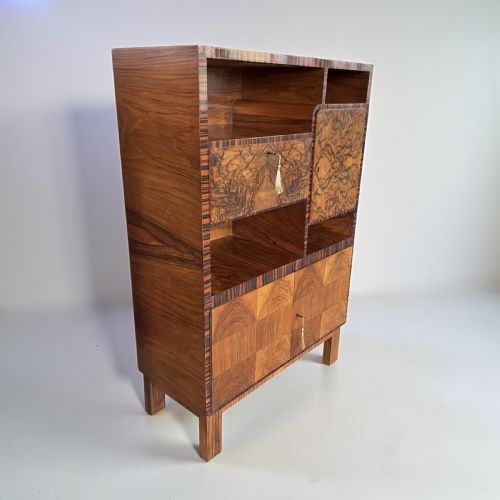


Rosewood Standing Cabinet
A rosewood standing cabinet brings deep grain and architectural presence to a room, offering display space and enclosed storage in rich timber.
Rosewood Standing Cabinet
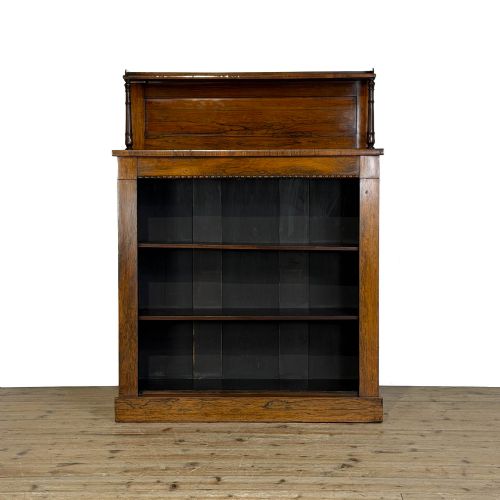
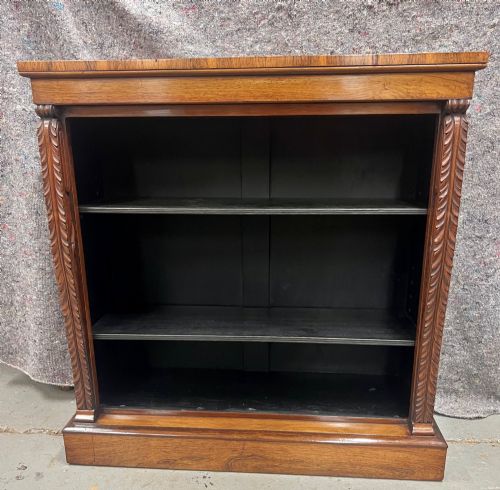
A rosewood standing cabinet is a substantial piece of furniture designed to rest directly on the floor while displaying or storing prized objects. When searching for this phrase, buyers encounter examples spanning the Regency, Victorian, and Edwardian eras, alongside related forms like open bookcases, music cabinets, and display cabinets.
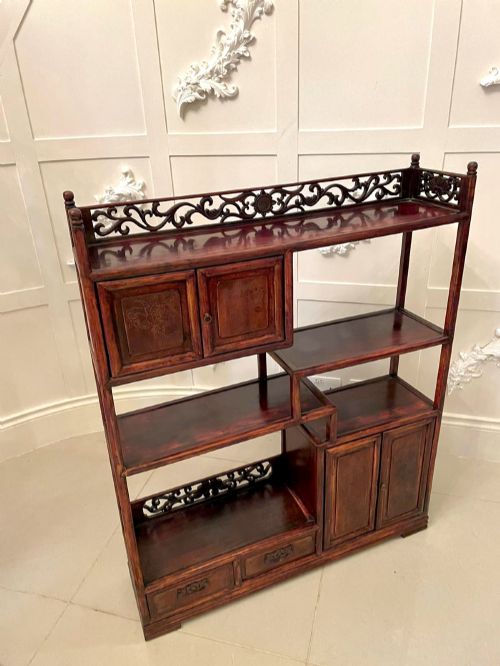
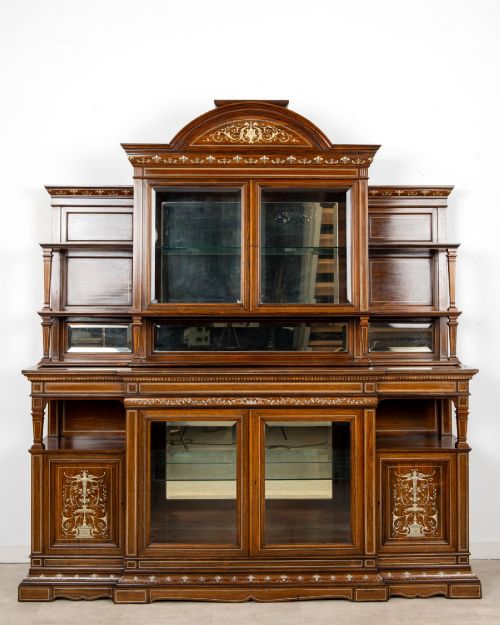
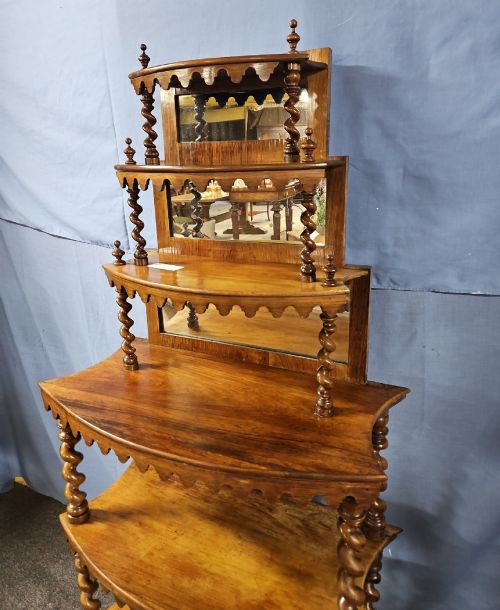
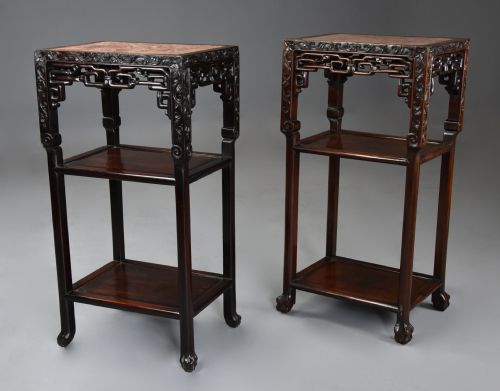
The Victorian period contributes heavily to the selection, often featuring inlaid details, glass doors, and mirrored backs designed to catch the light. Alongside these English iterations, pieces from Chinese Qing dynasty traditions utilise dense hardwoods like hongmu, offering a different visual weight and construction method.
Freestanding formats dominate the selection, ranging from corner cupboards that make use of difficult angles to multi-functional side cabinets with shelving and drawers. These items served specific domestic needs in nineteenth-century homes, from holding sheet music to presenting porcelain.
Materials and construction
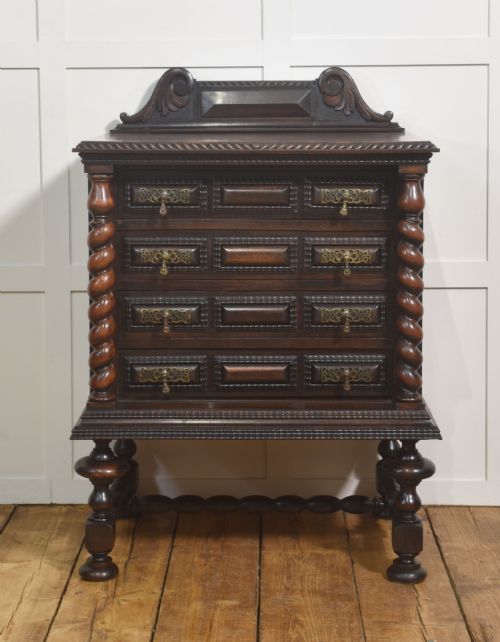
Makers utilised rosewood for its dark, richly figured grain, frequently combining it with contrasting timber inlays, brass mounts, and occasional marble tops. The dense nature of the wood required skilled joinery to manage timber movement over time, particularly in larger upright structures like bookcases and side cabinets.
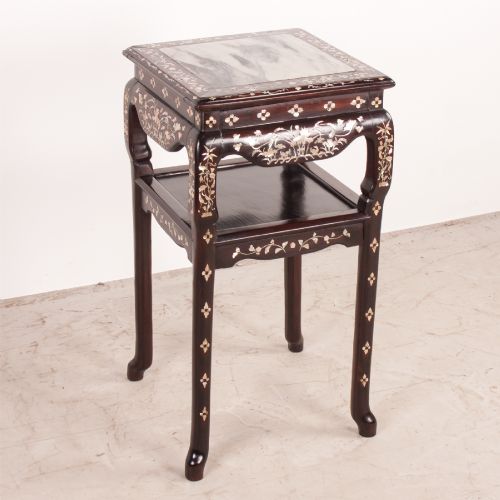
Secondary materials such as glass, mirror plates, and ormolu hardware were integrated to enhance the visual appeal of display sections. Inlaid pieces often incorporated delicate marquetry or mother of pearl work, demanding precise hand-cutting to fit flush into the rosewood surface.
Several pieces include hidden compartments and secret drawers, proving that nineteenth-century Victorians loved a clandestine hiding spot for their stationary.
Distinguishing quality in craftsmanship
Quality reveals itself in the crispness of the timber's figuring, the precision of the inlay work, and the integration of secondary materials like marble or bevelled glass. Superior examples display seamless joins, well-fitted doors, and hardware that is original to the piece rather than later replacement.
The ambition of the design separates standard utility items from more elaborate workshop productions. Pieces attributed to notable makers or exhibiting sophisticated architectural detailing command greater attention through their structural harmony and depth of finish.
Collinson & Lock·Edwards & Roberts·Maple & Co
The Rosewood Standing Cabinet Glossary
- Rosewood
- A dense, heavy timber prized for its dark purple-brown hue and dramatic black grain patterning. It takes a high polish and was a preferred choice for high-status nineteenth-century furniture.
- Canterbury
- A low, freestanding stand featuring slatted divisions, originally designed to hold sheet music or folios. Many examples incorporate a small drawer at the base for smaller accessories.
- Marquetry
- The art of applying fitted pieces of veneered wood to a structure to form decorative patterns or pictures. Craftsmen used various tinted woods to create contrasting pictorial scenes.
- Ormolu
- Gilt bronze ornamentation applied to furniture for decorative effect. It adds metallic contrast to dark timber surfaces.
- Secretaire abattant
- A tall standing cabinet featuring a fold-down front panel that serves as a writing desk. It typically conceals a series of small interior drawers and pigeonholes.
Rosewood Standing Cabinet: Frequently Asked Questions
Where should I place a rosewood standing cabinet?
These upright pieces suit principal reception rooms, hallways, or libraries where their grain and display capabilities can be appreciated. Corner formats make efficient use of dead space while adding architectural interest to an empty angle.
Keep them away from direct sunlight and strong heat sources to protect the polished timber finish and prevent the rosewood from drying out or splitting.
How do I care for rosewood furniture?
Dust the surfaces regularly with a soft, dry cloth to prevent particulate buildup in the carved or inlaid sections. Avoid silicone-based polishes, opting instead for traditional beeswax applied sparingly to nourish the timber.
Maintain a stable room temperature and humidity level to ensure the wood and any applied veneers remain secure over the decades.
Are these cabinets suitable for modern homes?
Their compact footprints and vertical orientation make them practical for contemporary interiors that require storage without consuming excessive floor space. Glass-fronted display versions allow for the curation of modern collections alongside period ceramics.
The deep tones of the timber provide a warm contrast against neutral walls, grounding minimalist spaces with historical character.
How can I tell a Victorian rosewood cabinet from a Regency one?
Regency pieces often lean towards classical restraint, featuring architectural lines, brass grille doors, and understated rosewood grain. They tend to reflect earlier neoclassical design principles.
Victorian iterations frequently introduce more complex carving, marquetry inlay, and eclectic revival styles, reflecting the manufacturing capabilities of the later nineteenth century.