



Rosewood Pier Bookcase
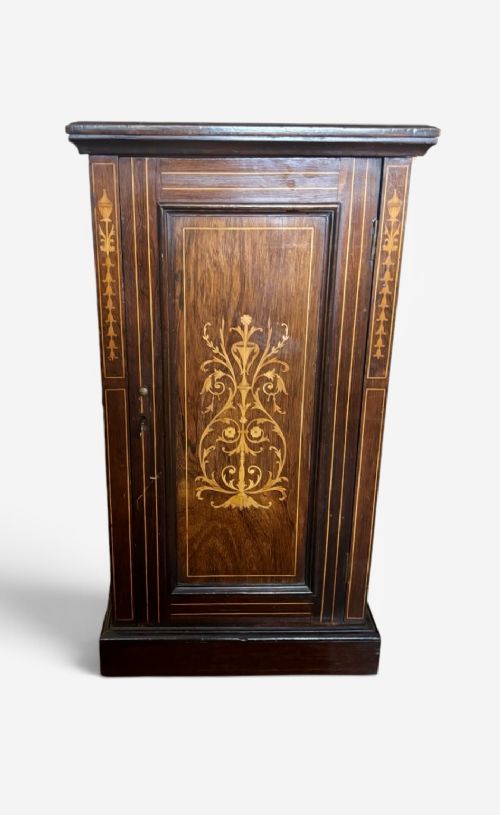
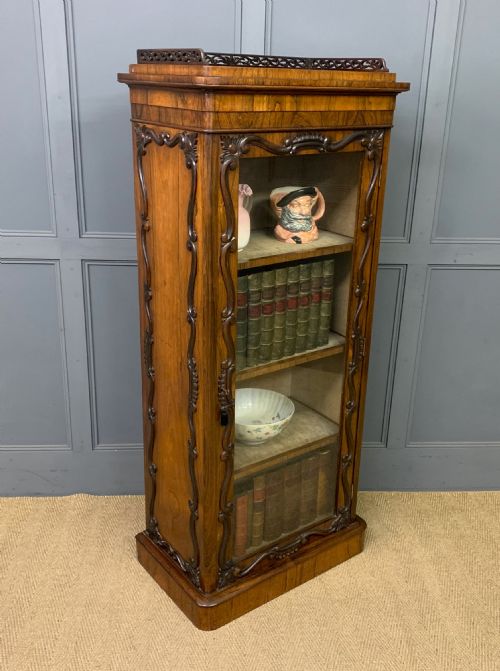
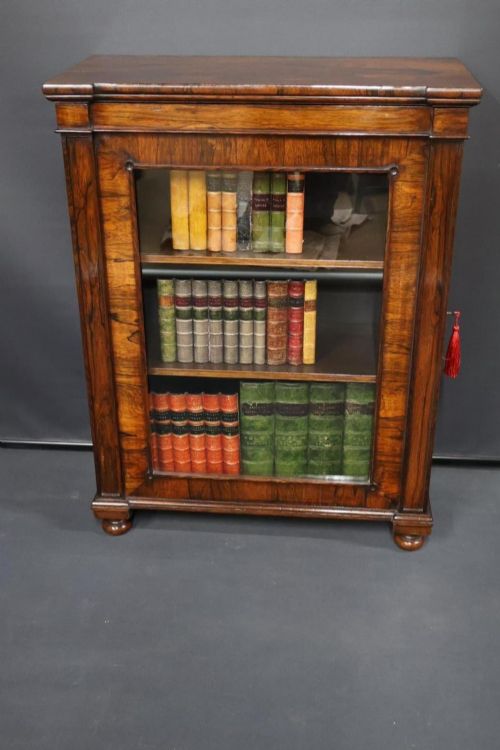
These rosewood pier bookcase examples are low-profile display furniture built to sit against the wall between windows, offering surface space and glass-fronted storage.
Rosewood Pier Bookcase
A rosewood pier bookcase combines open shelving or enclosed glass doors with a sturdy timber carcass designed for narrow wall spaces in nineteenth-century interiors. These items appear across Regency, William IV, George IV, and Victorian periods, reflecting shifting domestic tastes for polished display furniture.
The most common formats on this page are pier cabinets, side cabinets, and narrow bookcases originating from the nineteenth century. Makers constructed these units to fit specific architectural gaps in formal reception rooms, often incorporating a flat top surface for decorative objects.
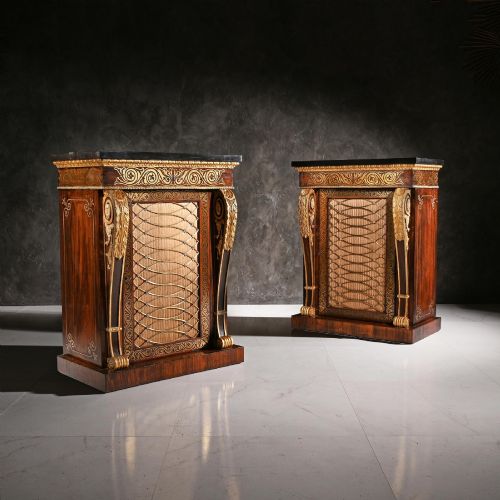
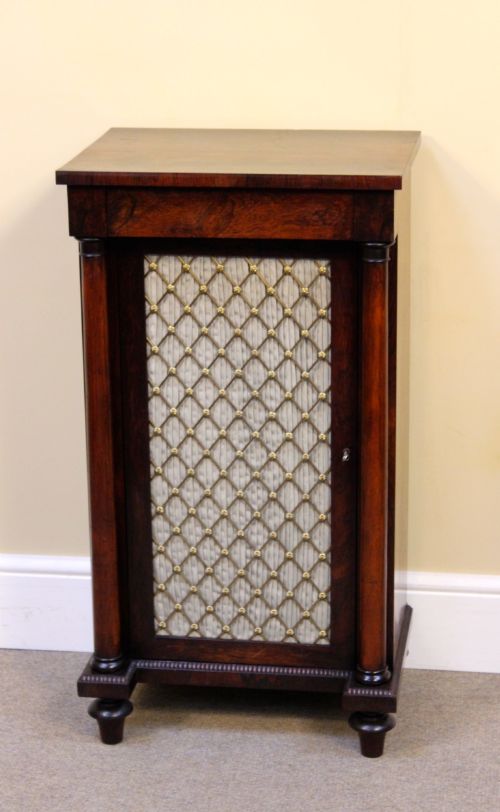
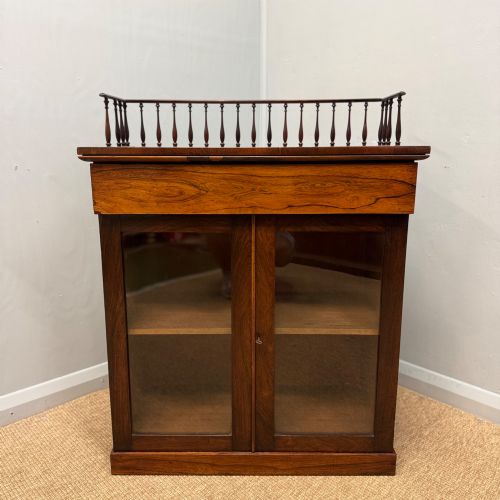
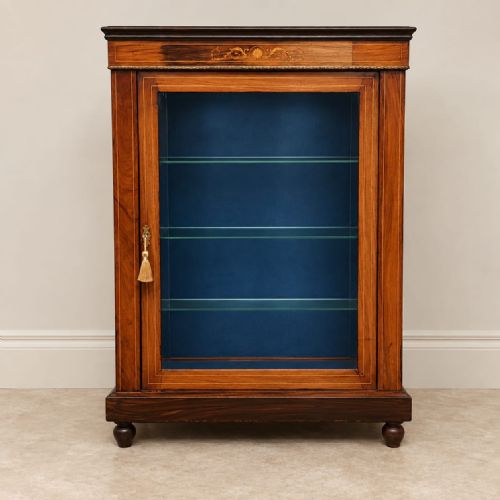
Examples range from simple mid-nineteenth-century side cabinets with two doors to elaborate Regency pieces featuring spindle gallery tops and brass inlays. Buyers encounter both single pier cabinets and matched pairs dating between eighteen twenty and eighteen eighty.
How they were made
Craftsmen built the primary carcass using dense, rich rosewood timber, frequently applying contrasting satinwood or walnut veneers for geometric and floral inlay patterns. Brass stringing and cast ormolu mounts frequently accent the timber surfaces, adding metallic detail to the cabinet fronts.
Rosewood Pier Bookcase Retail Price Guide 2026
Typical asking prices for rosewood pier bookcase among the pieces listed under this phrase on Sellingantiques today, from the lower quarter to the upper quarter. They describe what is for sale here now, not the wider market.
The inventory records pieces from the Regency, William IV, and Victorian periods.
What varies in quality
Quality differences stem from the precision of the cabinetwork and the intricacy of the decorative elements applied to the rosewood structure. Superior examples display finely executed brass inlay, balanced satinwood veneers, and well-turned spindle galleries.
The refinement of the ormolu mounts and the selection of the timber grain separate standard production pieces from finer cabinetmaker output. Structural integrity in the door frames and the clarity of the original glass panes also distinguish higher-grade items.
Louis Constantin Le Gaigneur·James Winter
The Rosewood Pier Bookcase Glossary
- Pier bookcase
- A low timber cabinet designed to stand against the structural wall space between windows, combining book storage with a display surface. These units often feature glazed doors to protect volumes from dust.
- Rosewood
- A heavy, dark timber valued for its distinctive grain patterns and deep reddish-brown colour. Cabinetmakers utilised veneers of this wood across the nineteenth century.
- Ormolu
- Gilded bronze mounts applied as decorative ornaments to furniture surfaces. This technique adds metallic highlights to the dark timber frame.
- Spindle gallery
- A decorative open railing constructed from small turned wooden columns, positioned along the top edge of a cabinet. This feature appears on specific Regency pier pieces.
- Satinwood
- A pale, lustrous timber used for contrasting inlay and stringing on darker cabinet surfaces. Craftsmen cut this material into thin veneers to form geometric patterns.
Rosewood Pier Bookcase: Frequently Asked Questions
What rooms suit a rosewood pier bookcase?
These narrow cabinets suit drawing rooms, studies, or hallways where floor space is limited. Their low profile allows them to sit neatly beneath windows or against narrow wall partitions.
They provide functional storage for books and display space for small decorative objects without dominating the room's proportions.
How do I date a nineteenth-century pier cabinet?
Dating relies on observing stylistic markers such as brass inlay, spindle galleries, and timber choices across different periods. Regency and George IV pieces tend to show lighter framing and precise brass work, whilst Victorian examples often introduce marble tops or heavier proportions.
Examining the construction methods inside the carcass and the grain of the rosewood veneer helps confirm the manufacturing era.
Are marble top cabinets original?
Marble tops on Victorian rosewood cabinets were often fitted during the manufacturing process to provide a durable and decorative surface. Cabinetmakers selected marble to contrast with the dark grain of the rosewood timber.
Checking the fit and edge finish of the stone helps determine if the top belongs to the original construction of the piece.
How should I care for rosewood furniture?
Rosewood surfaces require stable indoor humidity levels to prevent timber movement and veneer lifting. Regular dusting with a soft, dry cloth preserves the polished finish without building up residue.
Avoid placing these cabinets in direct sunlight to protect the rich reddish-brown tone of the wood from fading over time.