

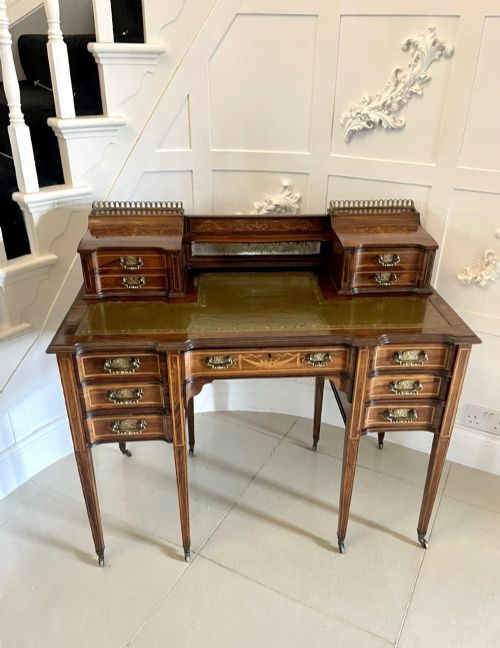
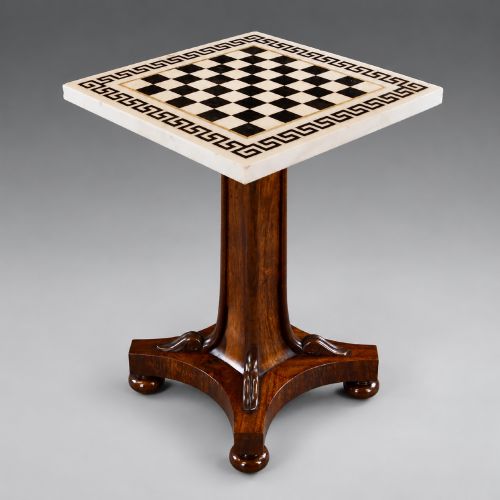
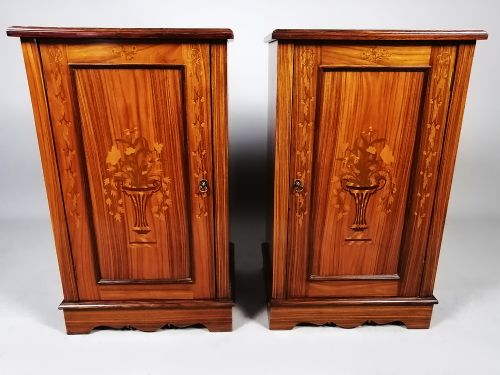
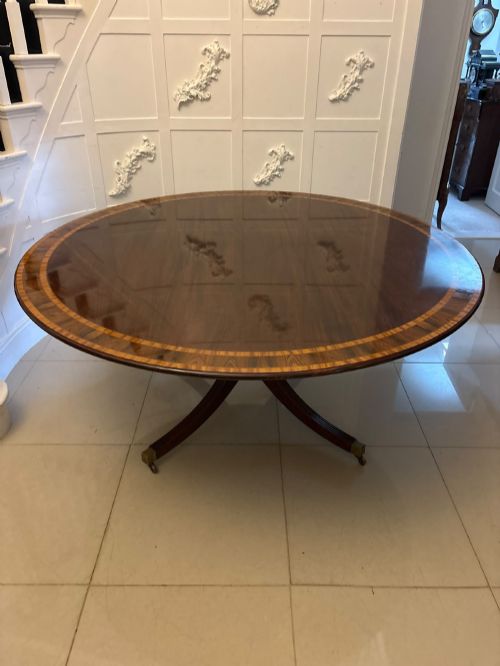



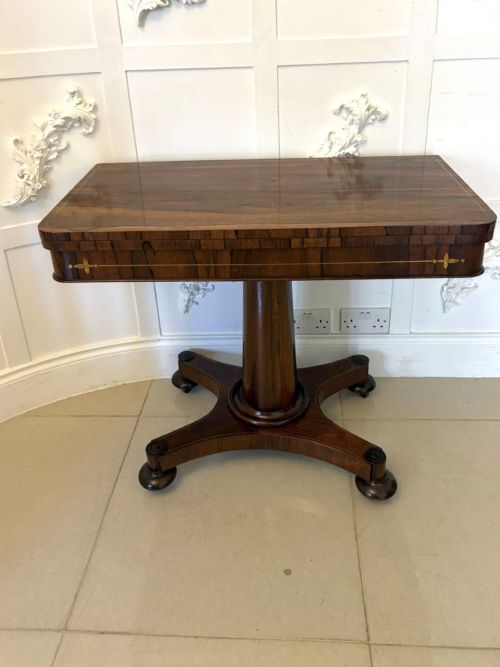
Rosewood Inlay Table
A rosewood inlay table brings rich timber and precise contrasting details into a room, serving as a functional surface with distinct decorative presence.
Rosewood Inlay Table
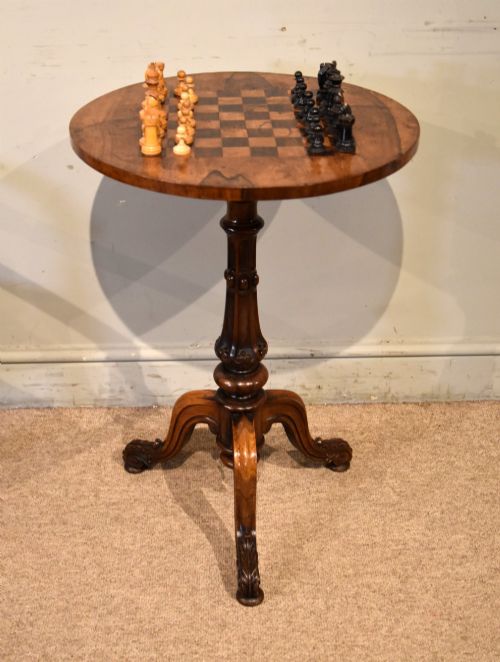
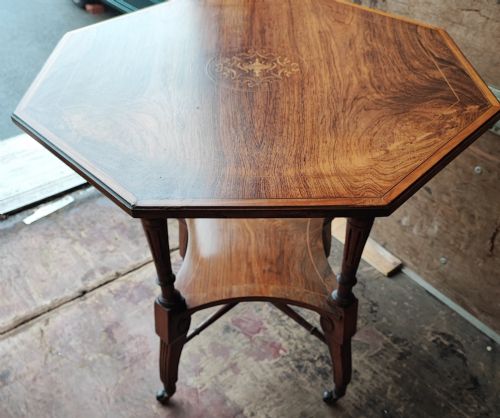
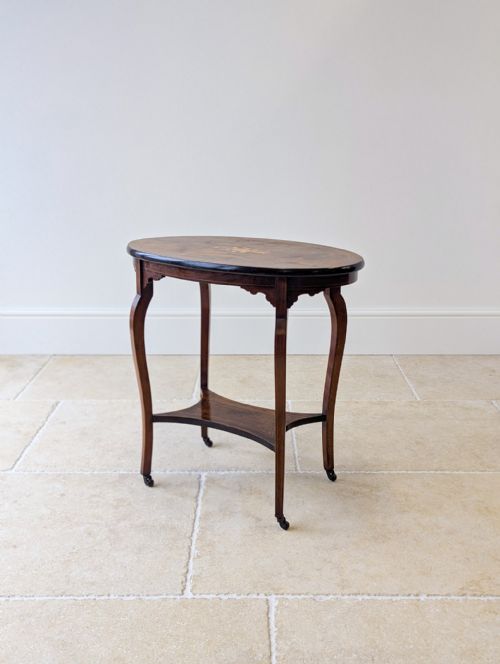
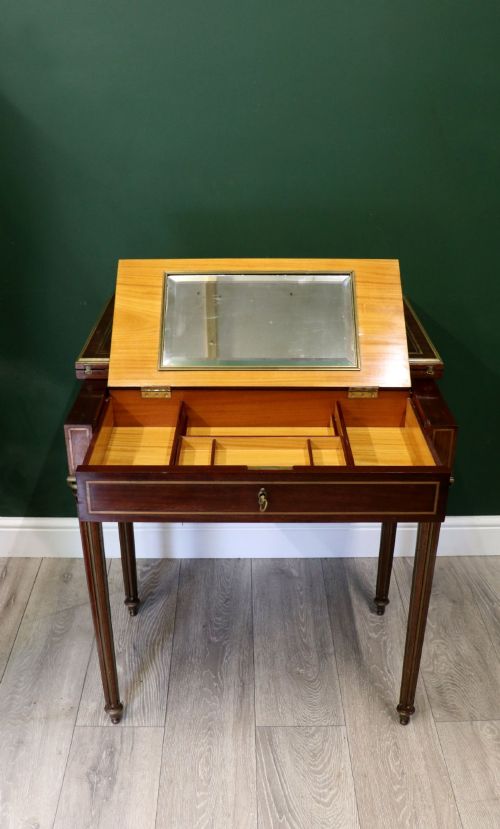
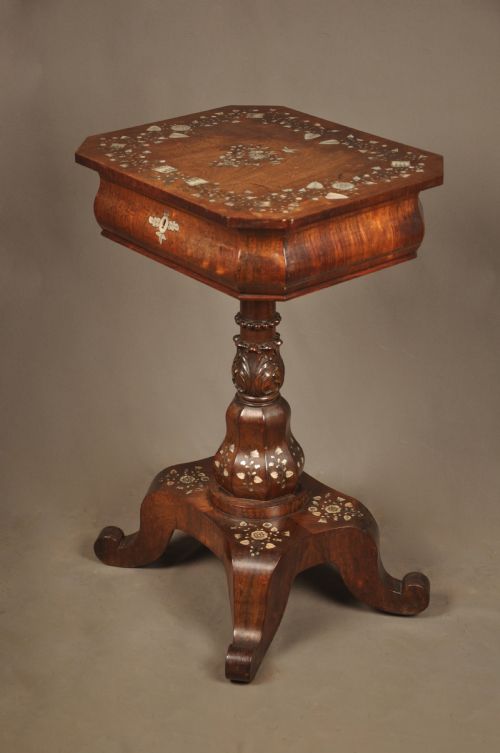
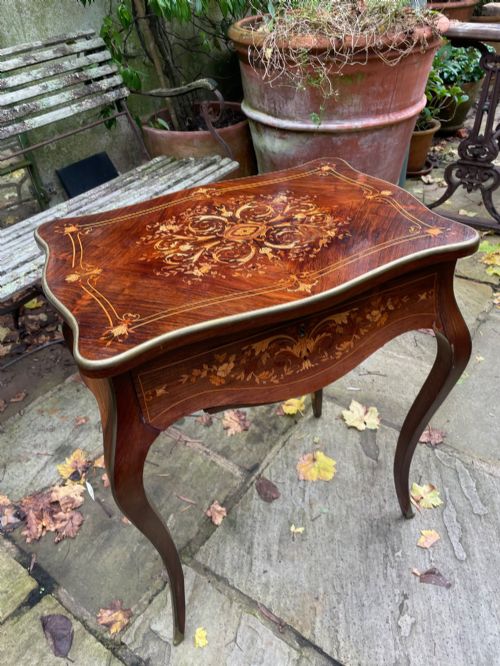
When searching for a rosewood inlay table, a buyer encounters a diverse selection ranging from compact occasional pieces and games surfaces to substantial centre tables and writing desks. The items span multiple eras, with strong representation from Regency, Victorian, and Edwardian periods alongside Anglo-Indian and Chinese export examples.
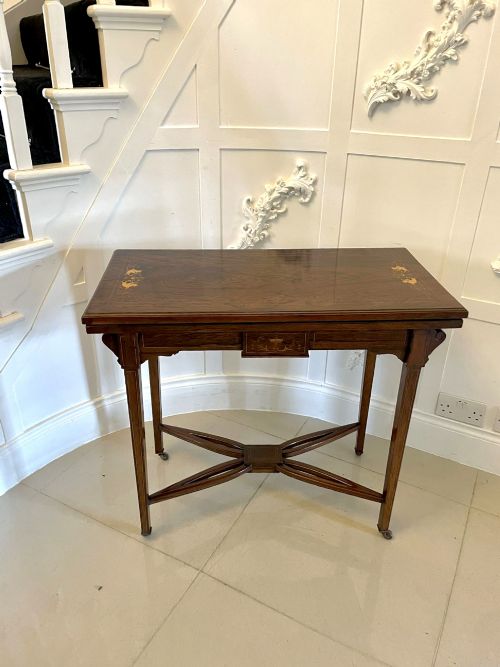
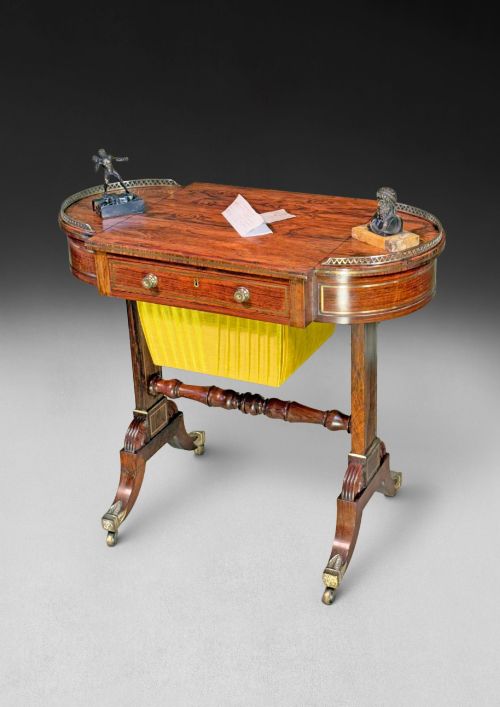
The most common formats on this page are occasional tables, card and games tables with fold-over tops, and versatile work or writing desks. These pieces utilise the deep, dark grain of rosewood as a dark ground for lighter contrasting work.
Origins stretch from British workshops to French ateliers and eastern production centres, incorporating regional decorative vocabularies such as Hoshiarpur and Qing Dynasty carving traditions.
What varies in quality
The standard of a piece depends heavily on the precision of the timber matching and the intricacy of the inlay work. Finer examples display tight, seamless integration of brass, mother-of-pearl, or satinwood into the rosewood ground without gaps or clumsy filler.
Structural integrity and the retention of original decorative mounts, hinges, and fitted interiors separate standard production from exceptional workshop output. Pieces attributed to recognised makers or specific regional traditions display superior carving depth and material selection.
Rosewood Inlay Table Retail Price Guide 2026
Typical asking prices for rosewood inlay table among the pieces listed under this phrase on Sellingantiques today, from the lower quarter to the upper quarter. They describe what is for sale here now, not the wider market.
Several tables feature hidden compartments for cards, reminding us that past generations took their parlour games with absolute seriousness.
Edwards and Roberts·George Bullock·Gillows Oxford Street Workshop·Maple and Co.
The Rosewood Inlay Table Glossary
- Marquetry
- The art of applying pieces of veneer to a structure to form decorative patterns and pictures. This technique allows for complex pictorial designs across table tops.
- Ormolu
- Gilt bronze ornamentation applied to furniture mounts and details. It provides a bright metallic contrast against dark rosewood surfaces.
- Occasional table
- A small, light table intended for flexible placement and minor uses around a room. These form a large portion of domestic seating group furnishings.
- Card table
- A folding table designed specifically for card games, often featuring a baize-lined interior and a swiveling or hinged top. They were central to polite entertainment in earlier centuries.
- Satinwood
- A durable, yellowish-blonde timber utilised extensively for contrasting stringing and inlay details against darker woods. Its bright grain catches the light effectively.
Rosewood Inlay Table: Frequently Asked Questions
What is a fold over card table?
A fold over card table is a multi-functional piece featuring a hinged top that opens to double the surface area for gaming or writing. When closed, it functions as a console or side table against a wall.
These tables frequently conceal a shallow well beneath the top for storing cards and counters. They became essential items in period drawing rooms for evening entertainment.
How do I care for rosewood furniture?
Rosewood benefits from stable indoor humidity and protection from direct sunlight, which can fade the deep natural tones of the timber. Regular dusting with a soft, dry cloth preserves the polished surface.
Avoid placing damp items directly onto the wood or inlay work to protect both the timber grain and the embedded brass or mother-of-pearl components.
What distinguishes Regency from Victorian styles?
Regency pieces often display restrained classical lines influenced by ancient Greek and Roman forms, frequently incorporating fine brass inlay and stringing. The proportions tend to be clean and architectural.
Victorian furniture generally embraces heavier proportions, more complex carving, and elaborate marquetry patterns. Styles during this era drew from a wider range of historic revival movements and global influences.